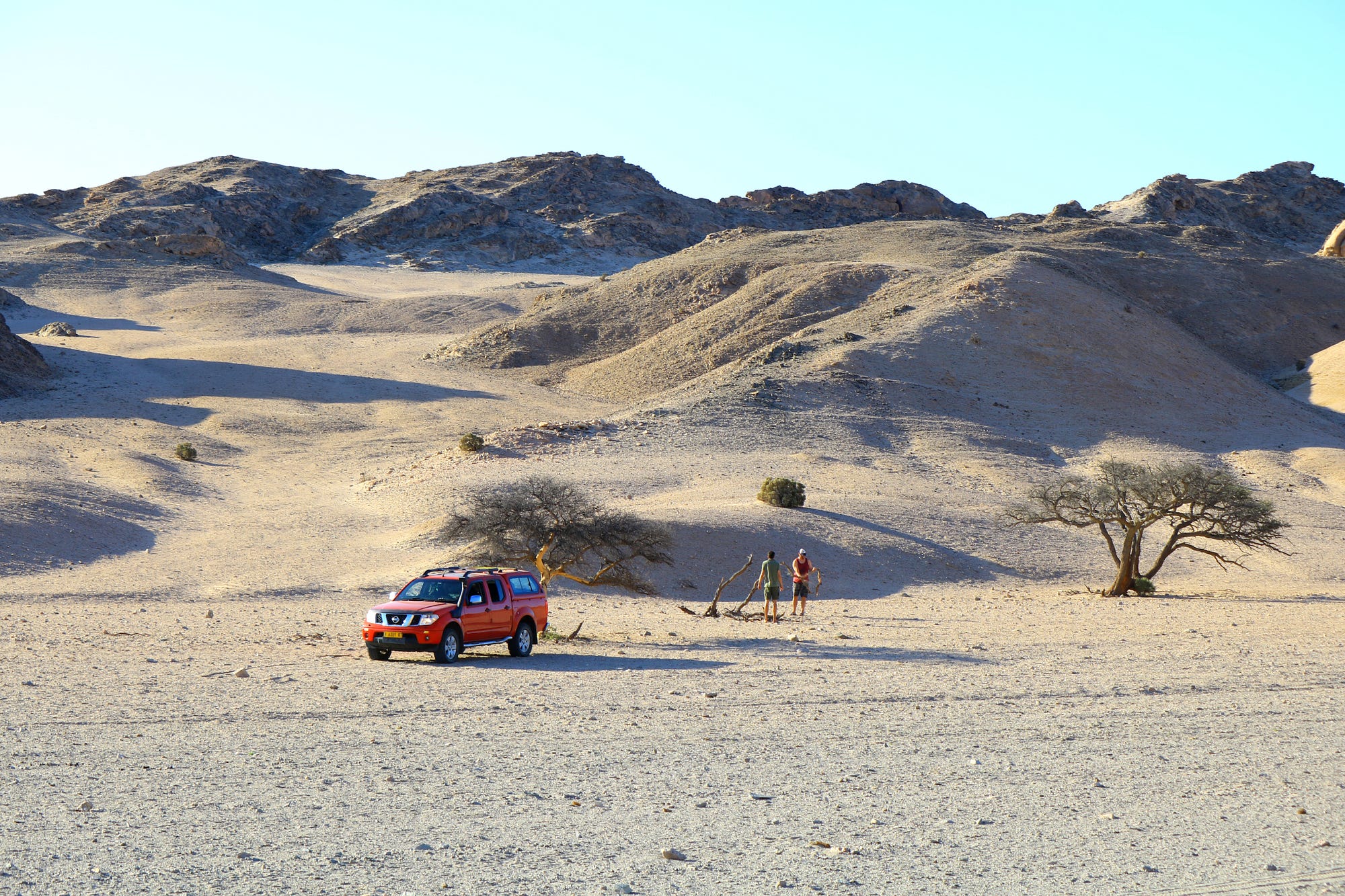
Imagine yourself stranded in a vast desert with the scorching sun beating down and no clear way out. Your first thought?
Finding shelter. Without it, the heat can become unbearable, and danger grows with every passing hour. But don’t panic. You have the power to survive. In this guide, you’ll learn simple, practical steps to protect yourself, stay cool, and find shelter in the desert.
Keep reading, because your safety depends on what you do next.

Credit: medium.com
Desert Dangers
Deserts are harsh places with many hidden dangers. Surviving requires knowing what threats to avoid. These dangers can harm your health quickly. Understanding them helps you stay safe and find shelter.
Extreme Temperatures
Deserts have very hot days and cold nights. The sun can burn your skin fast. Heatstroke and hypothermia are real risks. Temperatures can change by more than 40 degrees in a day. Prepare for both heat and cold to survive.
Dehydration Risks
Water is scarce in the desert. Your body loses water fast through sweat. Dehydration causes dizziness, weakness, and confusion. Without water, you may suffer serious health problems. Carry water and drink often to avoid dehydration.
Wildlife Hazards
Deserts host many dangerous animals. Snakes, scorpions, and spiders hide in the sand. Some animals are venomous and can bite quickly. Avoid touching or stepping near unknown creatures. Stay alert and watch where you place your hands and feet.

Credit: www.youtube.com
Water Sources
Finding water in the desert is your top priority. Without it, your chances of survival drop fast. Water sources might seem scarce, but with careful observation and patience, you can uncover hidden reserves that keep you going.
Locating Natural Water
Look for signs of water by spotting green vegetation or animal tracks. These often lead to underground water or seasonal streams. Check dry riverbeds or low areas where water may collect after rains.
Rocks and cliffs can create shaded spots where moisture gathers. Digging a few feet in these areas might reveal damp soil or water seepage. Ask yourself, where would water logically pool after a storm?
Collecting Dew And Rain
Dew forms overnight on plants, rocks, and surfaces—don’t underestimate its value. Use a clean cloth to wipe dew and then wring it into a container. Even small amounts add up when you need hydration.
Rainwater is pure and safe to drink if you catch it before it touches the ground. Use tarps, plastic sheets, or any clean surface to gather rain. Set up containers under these catchment points to maximize your collection.
Water Purification Methods
Drinking untreated water can cause illness. Boiling water for at least one minute kills harmful bacteria and parasites. If you don’t have fire, use water purification tablets or portable filters.
Solar disinfection is another option—fill clear plastic bottles and place them in direct sunlight for six hours. UV rays help eliminate pathogens, making water safer to drink. Always consider the clarity of the water before choosing your method.
Finding Shelter
Deserts offer little shade, making shelter vital for survival. Seek natural formations like rocks or dig shallow pits to stay cool and protected from wind and sun. Use available materials such as branches or cloth to build simple covers.
Finding shelter in the desert can be a matter of life and death. The harsh sun and extreme temperatures mean that finding or creating a safe haven is crucial. But how do you do that in a seemingly barren landscape? Here are some practical strategies to help you find or build shelter when you’re out in the desert.Natural Shelter Options
Look for natural formations that can offer shade and protection. Caves and rock overhangs are excellent choices if you come across them. These natural structures can shield you from the sun and wind. Another option is to find thick clusters of vegetation. They can provide some shade and a cooler environment. While not as effective as rock formations, they can still offer relief from the heat.Building A Shelter
If natural shelters aren’t available, consider building your own. Start by identifying a spot that offers some natural protection, like a small depression or a hill that can block the wind. Use whatever materials you can find to create a simple structure. Digging a shallow trench and covering it with branches or cloth can create a basic shelter. This technique provides insulation and shade, crucial for surviving the midday sun.Using Available Materials
The desert might not seem abundant, but it offers materials you can use. Rocks and stones can be stacked to form protective walls or barriers. These will help block the wind and retain some coolness. Branches and leaves, though scarce, can be used to create a roof or shade. Tying them together with any fabric or rope you have can make a functional covering. Have you ever thought about using your own gear creatively? Your backpack or clothing can double as makeshift shelter components. In a survival situation, every bit of resourcefulness counts. When faced with the desert’s challenges, your ability to adapt and make use of what’s around you can make all the difference. What would you do if you found yourself stranded in such a place? Let these strategies guide you, and you might just find your way to safety.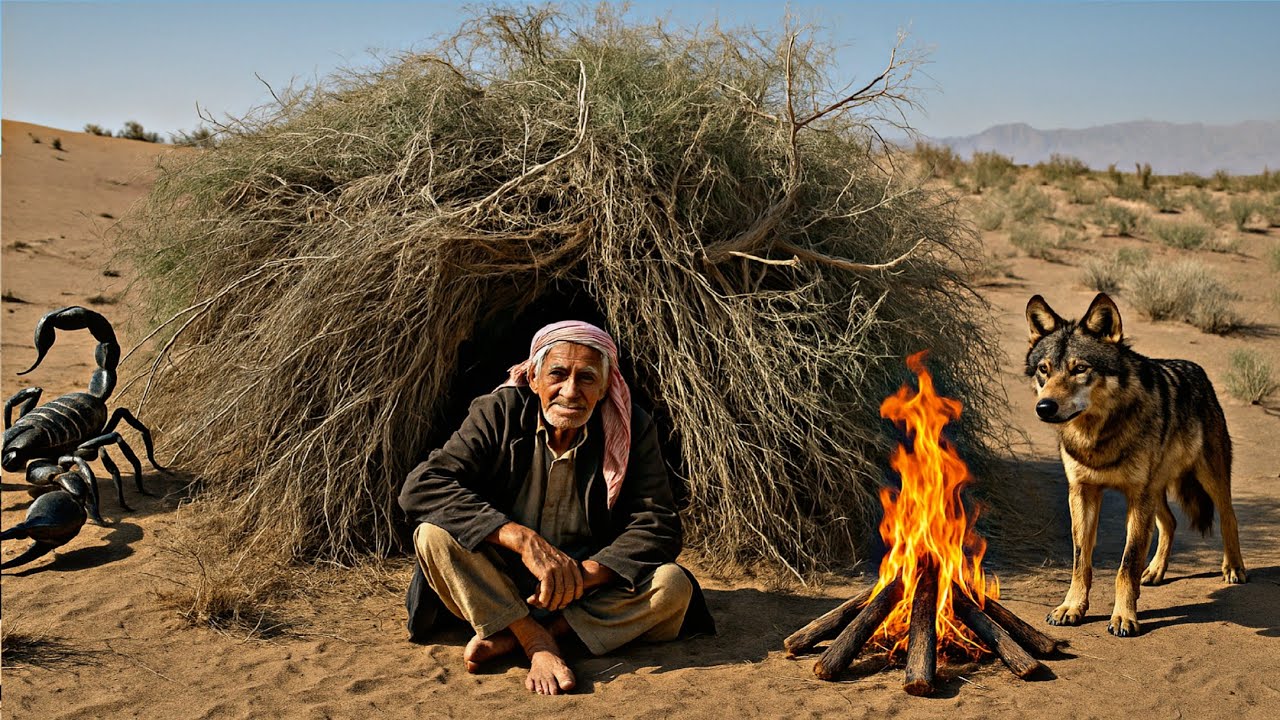
Credit: m.youtube.com
Navigation Tips
Finding your way in the desert is vital for survival. Navigation helps you avoid danger and reach safety. Without clear direction, you risk wandering endlessly under the hot sun. Use natural signs and simple tools to guide your path. These tips will help you stay on course and find shelter faster.
Using The Sun And Stars
The sun moves from east to west during the day. In the morning, the sun rises in the east. In the evening, it sets in the west. Use this to find general directions.
At night, stars become your guide. The North Star stays in the same spot in the sky. It shows true north in the northern hemisphere. Find the Big Dipper constellation. Its pointer stars lead to the North Star.
Reading Desert Landmarks
Desert landmarks can help you keep track of your route. Look for unique rocks, hills, or plants. These features stand out and do not change quickly.
Use shadows to measure time and direction. Tall objects cast long shadows in the early morning and late afternoon. The shadow points west in the morning and east in the afternoon.
Avoiding Getting Lost
- Mark your path with small piles of stones or sticks.
- Walk along ridges or dry riverbeds to keep a clear route.
- Travel during cooler hours to save energy and think clearly.
- Stay calm and stop to observe your surroundings often.
- Use a watch or any device to track time and estimate direction.
Survival Tools
Survival tools can make a huge difference when you’re stranded in the desert. They help you find shelter, stay safe, and signal for help. Knowing what to carry and how to create tools from your surroundings can be lifesaving.
Essential Gear To Carry
Carrying the right gear is your first step to desert survival. Always pack a reliable knife, a compact multitool, and a sturdy water container. These items help you prepare shelter, gather resources, and stay hydrated.
A reflective emergency blanket can protect you from extreme temperatures. Also, bring a whistle and a mirror for signaling. These small tools can attract attention from rescuers miles away.
Improvised Tools
When gear runs out or gets lost, your creativity takes over. Use rocks and sticks to craft simple tools like digging implements or makeshift shelters. Even a piece of cloth can become a sunshade or a water filter.
I once used a flat stone to shave wood for kindling, which sparked a fire that kept me warm overnight. Look around carefully—desert plants and stones often hold the key to your survival tools.
Signaling For Help
Signaling is crucial to get rescued. Use your whistle in short bursts or flash a mirror toward any passing aircraft or distant figures. Building a large SOS sign with rocks or digging a trench can also catch attention from above.
Think about how visible your signals are during the day and night. Carrying a small flashlight or glow sticks can improve your chances after dark. What simple signals can you create with what’s around you right now?
Food Sources
Finding food in the desert is vital for survival. The desert offers various food sources if you know where to look. Plants, insects, and small animals can provide essential nutrients. Storing food properly helps keep it safe and fresh for longer periods.
Edible Plants
Many desert plants store water, making them useful for food and hydration. Cacti, like prickly pear, produce edible fruits and pads. Mesquite pods are sweet and rich in protein. Look for plants with thick leaves or those growing near water.
- Prickly pear cactus fruit and pads
- Mesquite pods
- Agave leaves and flowers
- Wild spinach and purslane
Insects And Small Animals
Insects are high in protein and easy to find. Ants, grasshoppers, and beetles are edible after roasting. Small animals like lizards and rodents can provide more nutrition but require care while hunting. Avoid brightly colored or unfamiliar insects.
- Roasted ants and grasshoppers
- Beetles and crickets
- Lizards and small rodents
Food Storage Techniques
Protect food from heat and pests. Use shaded areas or dig shallow pits to keep food cool. Wrap food in leaves or cloth to prevent contamination. Drying meat or plants extends shelf life. Always check stored food before eating.
- Store food in shaded or cool spots
- Wrap food in natural materials
- Dry meat and plants for long-term storage
- Inspect stored food regularly
Health Precautions
Surviving in the desert is not just about finding water or shelter; your health must be a top priority. The harsh environment can quickly take a toll on your body, so understanding how to protect yourself is essential. This section covers key health precautions to keep you safe and alert while navigating the desert.
Preventing Heatstroke
Heatstroke can strike fast and without warning. To avoid it, stay in the shade during the hottest parts of the day, typically between 11 a.m. and 4 p.m. Wear loose, light-colored clothing to reflect sunlight and keep your body cool.
Drink water regularly, even if you don’t feel thirsty. Your body loses fluids quickly in the desert. Carry electrolyte tablets or mix salt into your water to replace lost minerals.
Ask yourself: How often do you check your body’s signals for overheating? Pay attention to dizziness, headache, or confusion. These are early signs that you need to rest and cool down immediately.
Treating Injuries
Desert terrain can cause cuts, scrapes, and blisters easily. Clean any wounds with clean water to prevent infection. If you don’t have antiseptic, use clean sand or cloth to remove dirt before covering the wound.
Keep a small first aid kit handy with bandages, antiseptic wipes, and pain relievers. Avoid walking on injuries if possible; rest helps wounds heal faster and stops them from getting worse.
Remember, even a minor injury can become serious in the desert. How prepared are you to treat wounds on the spot? Preparing beforehand can save you from complications later.
Managing Fatigue
Fatigue lowers your alertness and decision-making ability, increasing risks. Take frequent breaks in the shade to rest your muscles and mind. Avoid overexertion by pacing yourself and planning your route carefully.
Eat small, energy-rich snacks like nuts or dried fruit to maintain stamina. Hydration also plays a critical role in managing tiredness; don’t wait until you’re thirsty to drink.
Ask yourself if you’re listening to your body’s need for rest. Pushing too hard can lead to exhaustion, making survival much harder. Balance activity with recovery to keep going longer.
Frequently Asked Questions
How Can I Find Water In The Desert?
Look for signs like green vegetation or dry riverbeds. Collect dew in the morning. Dig near plants or rock crevices to find moisture. Always purify water before drinking to avoid illness.
What Materials Are Best For Desert Shelter?
Use natural materials like branches, rocks, and cactus pads. Create shade with tarps or blankets. Aim for a structure that blocks sun and wind. Insulation helps keep cool during the day and warm at night.
How Do I Stay Cool In Desert Heat?
Stay in the shade during peak sun hours. Wear loose, light-colored clothing to reflect sunlight. Drink water regularly to avoid dehydration. Use wet cloths on your skin to reduce body temperature.
What Are The Signs Of Heat Exhaustion In Deserts?
Watch for dizziness, headache, nausea, and excessive sweating. Skin may become pale and clammy. If symptoms appear, move to shade, drink water, and rest immediately to prevent heat stroke.
Conclusion
Surviving in the desert takes careful planning and calm thinking. Find shade quickly to protect yourself from the sun. Drink water slowly and save as much as possible. Use natural materials like rocks or branches to build a shelter. Stay low during the hottest parts of the day.
Remember, staying calm helps you make smart choices. Practice these tips to stay safe in harsh desert conditions. Your safety depends on your actions and preparation. Keep these simple steps in mind for desert survival.


