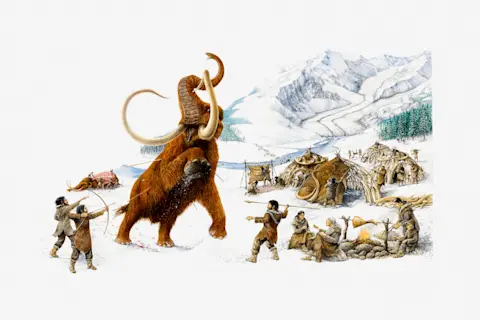
Imagine facing freezing cold nights with no warm shelter or blazing heat with no air conditioning. How did the very first humans survive such extreme weather?
You might think it was luck, but there’s much more to their story. Understanding their survival tricks can change how you think about adapting to tough conditions today. Ready to discover the secrets that helped your earliest ancestors endure nature’s harshest tests?
Keep reading, because what you learn could surprise you—and even inspire your own resilience.

Credit: www.discovermagazine.com
Early Human Habitats
Early humans faced harsh climates that tested their survival skills daily. Their habitats were more than just places to live; they were strategic choices for shelter and protection. Understanding these habitats reveals how our ancestors adapted to extreme weather conditions and what you can learn from their resilience.
Shelters And Caves
Caves provided natural refuge from cold winds, rain, and scorching heat. Many early humans chose caves not only for protection but also because they maintained a relatively stable temperature year-round. These shelters reduced the need to constantly seek new safe spots, allowing them to focus on hunting and gathering.
Besides caves, early humans built simple shelters using available materials like branches, leaves, and animal skins. These makeshift homes could be quickly assembled and dismantled, perfect for nomadic lifestyles. Imagine having to create a safe spot every day—this skill was crucial for surviving unpredictable weather.
Natural Landscapes As Protection
Early humans cleverly used natural landscapes to shield themselves from the elements. Hills, dense forests, and rock formations offered windbreaks and shade. Settling near water sources also provided a reliable resource while offering natural barriers against extreme weather.
Think about how you use your environment today. Early humans did the same but with no modern tools. Their choice of location—such as valleys that trap warmth or cliffs that block storms—was a matter of life and death. What natural features near your home do you use to stay comfortable during bad weather?
Clothing And Body Adaptations
Surviving extreme weather was a daily challenge for the first humans. Their ability to adapt through clothing and changes in their bodies played a crucial role in overcoming harsh climates. Understanding these adaptations can give you new ideas on how humans can endure tough environments even today.
Animal Skins And Furs
Animal skins and furs were the first natural tools humans used to protect themselves from cold and wind. Early humans learned to hunt animals not just for food but also for their warm pelts. These skins provided insulation, trapping body heat close to the skin.
People often layered skins to increase warmth, much like how you might wear multiple layers in winter. The process of tanning made the skins softer and more durable, allowing clothes to last longer. Imagine the innovation behind turning raw hides into wearable protection without modern technology.
Physical Changes Over Time
Besides clothing, human bodies adapted physically to extreme weather conditions over thousands of years. Populations living in colder regions developed shorter limbs and stockier builds to conserve heat. These changes helped reduce surface area and kept more warmth inside the body.
On the other hand, those in hotter climates evolved longer limbs and leaner bodies to dissipate heat more effectively. Your body shape might tell a story of ancient climates your ancestors endured. Have you ever noticed how your own body reacts differently to heat or cold?
Fire’s Role In Survival
Fire was a game-changer for the first humans facing extreme weather. It wasn’t just about warmth; fire brought new possibilities that shaped survival strategies. Understanding how fire provided heat, light, and safer food helps you see why it was so vital.
Heat And Light Source
Fire gave early humans a reliable source of heat during cold nights and harsh winters. Imagine sitting around a fire, feeling the warmth spreading through your body after a freezing day outdoors. This simple comfort could mean the difference between life and death.
Besides heat, fire provided light, extending the day beyond sunset. This allowed people to stay active and alert, improving safety from predators and enabling social interaction in the dark. Have you ever noticed how a campfire changes the mood and focus of a group? Early humans experienced that too, which helped build stronger communities.
Cooking And Food Safety
Cooking over fire transformed raw, hard-to-digest foods into safer, more nutritious meals. It killed harmful bacteria and parasites, reducing the risk of disease. This allowed people to eat a wider variety of foods, supporting better health and energy levels.
Fire also made tough plants and meats easier to chew and digest. Think about how much softer cooked meat is compared to raw. This meant early humans could get more calories from their food without wasting energy on chewing endlessly.
Have you ever tried cooking something you found in the wild? The difference between raw and cooked is striking, showing just how crucial fire was for survival. It wasn’t just a tool but a lifeline that helped humans adapt to harsh environments.
Food Gathering Strategies
Early humans faced many challenges to find food during extreme weather. Their survival depended on smart food gathering strategies. These methods helped them secure enough energy and nutrients even in tough environments. They adapted to changing climates by using both hunting and foraging skills. Understanding these strategies reveals how humans thrived despite harsh conditions.
Hunting In Harsh Conditions
Hunting required skill and planning in cold or dry weather. Humans used tools like spears and traps to catch animals safely. They tracked herds by observing animal trails and behavior. Hunting smaller animals was common when big game was scarce. Groups worked together to increase success and share food.
They also timed hunts to seasons when animals were easier to find. Using fire helped to drive animals out of hiding. Early humans stayed close to water sources where animals gathered. This strategy reduced the time and effort spent searching.
Foraging And Plant Use
Gathering wild plants was a vital way to add variety and nutrients. People learned which plants were edible and which were poisonous. Roots, berries, nuts, and seeds provided energy and vitamins. They stored surplus food for times when hunting was difficult.
In cold seasons, they collected dried plants or preserved foods by drying or freezing. Foraging required knowledge of local plants and their growing seasons. This helped them plan food gathering trips efficiently. Combining plant use with hunting created a balanced diet.
Water Sourcing Techniques
Water was essential for the first humans to survive extreme weather. Their ability to find, store, and purify water determined whether they thrived or perished. Understanding how they managed water can teach you valuable survival skills today.
Finding Safe Water
Early humans learned to spot natural water sources like rivers, springs, and rain pools. They observed animal trails leading to water and used the landscape to locate hidden streams. Sometimes, digging shallow holes in dry riverbeds revealed water just below the surface.
They also collected dew and rainwater, especially during dry spells. Imagine waking up early to gather dew from leaves—small efforts like these made a big difference. Have you ever tried harvesting water this way in the wild?
Storage And Purification
Once water was found, keeping it clean and safe was critical. Early humans used natural containers like hollowed-out gourds, shells, or animal skins to store water. These materials helped prevent contamination and made transport easier.
Purifying water was a challenge they met by boiling or filtering through sand and charcoal layers. Boiling killed harmful germs, while filtering removed dirt and debris. You can try this yourself by building a simple water filter with sand and charcoal—it’s surprisingly effective.

Credit: www.discovermagazine.com
Social Cooperation
Social cooperation was a vital survival tool for the first humans facing harsh and unpredictable weather. Working together allowed them to overcome challenges that would have been impossible to tackle alone. This cooperation wasn’t just about survival; it laid the groundwork for complex societies and cultures.
Group Hunting And Sharing
Hunting in groups increased the chances of catching large animals, which provided enough food for everyone. Sharing the catch helped balance nutrition within the group, ensuring that weaker or injured members still received sustenance. Imagine the trust built when food was divided fairly—this bond was crucial during extreme weather when resources were scarce.
Have you ever thought about how you might share resources if faced with a similar situation? This kind of cooperation teaches us the value of teamwork and generosity in tough times.
Knowledge Transmission
Passing down knowledge was key to survival. Early humans shared information about weather patterns, safe shelters, and food sources. Teaching each other skills like making fire or crafting clothing helped everyone adapt better to cold or wet conditions.
Think about the skills you rely on today. How often do you pass them on? Sharing knowledge creates a safety net for your community, just like it did for our ancestors. It’s a practical way to prepare for uncertainty and keep everyone strong.
Adaptation To Climate Changes
Early humans lived through many climate changes. They faced cold ice ages and hot dry periods. Their survival depended on how well they adapted. Adaptation meant changing their habits, homes, and tools. These changes helped them handle extreme weather and find food and shelter.
Migration Patterns
Humans moved to places with better weather. They left cold, frozen lands for warmer areas. Migration helped them find water and animals to hunt. They followed the seasons and food sources. Moving often meant crossing rivers and mountains. This travel shaped where humans settled and grew.
Tool Innovations
Tools became smarter and more useful. Early humans made sharp stone blades for cutting meat. They crafted spears for hunting bigger animals. Tools helped them build shelters and make clothes. Fire was a key tool for warmth and cooking. These inventions protected them from cold and danger.
Lessons For Modern Survival
Surviving extreme weather was vital for the first humans. They learned to adapt through trial and error. Their experiences offer lessons that still matter today. Understanding these lessons helps us prepare for harsh conditions now.
Ancient Wisdom In Today’s World
Early humans observed nature closely. They noticed animal behaviors before storms. They built shelters using natural materials. These shelters protected them from cold, wind, and rain. Using natural signs helped them predict weather changes. This ancient wisdom can guide modern survival efforts.
Simple actions made a big difference: choosing safe locations, conserving heat, and storing food. These ideas remain useful in emergencies today. Respecting nature’s patterns improves chances of survival.
Applying Old Techniques
- Build shelters with materials like wood, leaves, and mud.
- Use animal fur or plants for insulation and warmth.
- Collect rainwater and store food safely.
- Observe the sky and animals to anticipate weather shifts.
- Travel during safer times and rest during extreme weather.
These techniques require patience and observation. They help people stay safe without modern tools. Learning these skills can prepare anyone for sudden weather changes.

Credit: www.discovermagazine.com
Frequently Asked Questions
How Did Early Humans Adapt To Extreme Weather?
Early humans adapted to extreme weather by developing clothing from animal hides. They built shelters using natural materials like wood and stones. Social cooperation and migration were crucial survival strategies. They also learned to control fire for warmth and cooking, enhancing their ability to endure harsh climates.
What Tools Helped Early Humans Survive Harsh Climates?
Early humans crafted tools from stones and bones to hunt and gather food. These tools also aided in building shelters. The development of fire-making tools was essential for warmth and cooking. Over time, they improved tool-making techniques, which significantly enhanced their ability to survive in extreme weather conditions.
Did Early Humans Migrate Due To Climate Change?
Yes, early humans often migrated in response to climate changes. Migration allowed them to find food, water, and suitable living conditions. It also helped them avoid extreme weather and environmental challenges. This adaptability was key to their survival and evolution across diverse and changing landscapes.
What Role Did Fire Play In Early Human Survival?
Fire played a crucial role in early human survival by providing warmth and protection from predators. It also enabled cooking, which improved food safety and nutrition. Fire allowed early humans to adapt to colder climates and extend their day by providing light after sunset.
Conclusion
Early humans faced harsh weather and survived with smart choices. They used fire to stay warm and built shelters from nature’s resources. Their diets adapted to what was available, helping them stay strong. Teamwork and learning from each other proved vital.
These skills helped humans live through tough times. Their story shows how people can adapt and thrive in any climate. Survival was not luck but careful planning and effort. This history inspires us to respect nature and keep learning.