When you run a food trailer, safety isn’t just a choice—it’s a must. Knowing how to build an emergency exit for your food trailer can protect you, your staff, and your customers when every second counts.
Imagine a fast, easy way to create a safe escape route that meets regulations and gives you peace of mind. You’ll discover simple steps to design and build an emergency exit that works perfectly for your setup. Ready to make your food trailer safer and more secure?
Let’s dive in.
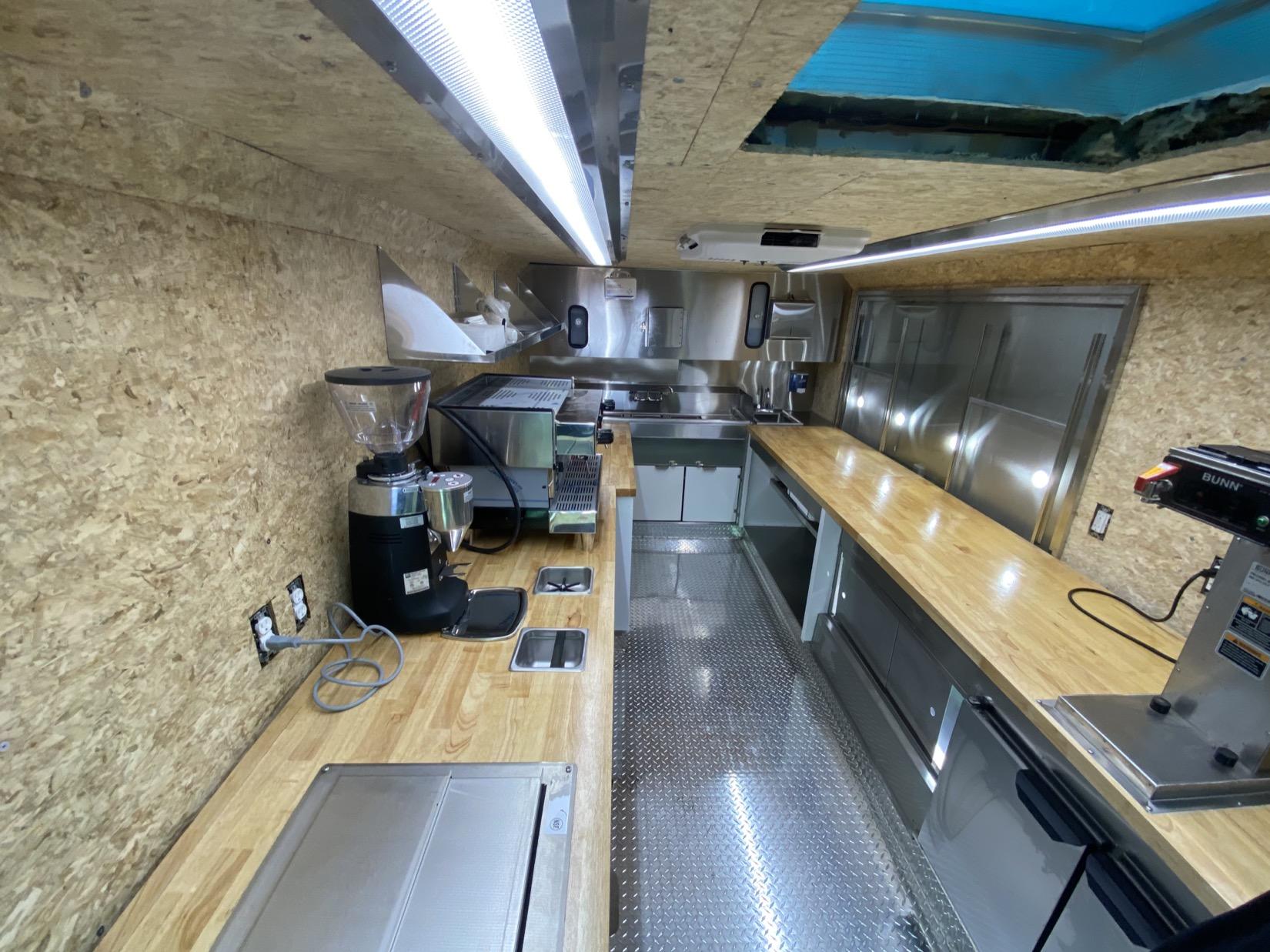
Credit: fireflyfabrication.com
Planning Your Emergency Exit
Planning your emergency exit is a vital part of making your food trailer safe for both you and your customers. It requires clear thinking and practical decisions to ensure quick and easy escape in case of an emergency. Your planning will shape the layout, safety, and even legal compliance of your trailer.
Assessing Trailer Layout
Start by studying the interior space of your trailer. Look at where your cooking equipment, storage, and service areas are placed. Identify any tight spots or obstacles that could block a quick exit.
Think about how many people will be inside during busy hours. Will your exit allow everyone to leave without bottlenecks? Sometimes, rearranging equipment can create a safer path.
Selecting Exit Location
Choose an exit spot that is easy to reach and leads directly outside. It should avoid dangerous areas like near hot grills or electrical panels. The exit door should open outward to make escaping faster.
Consider visibility too. Can people easily spot the emergency exit? Adding clear signs or lights can help. Ask yourself: If you were in a hurry, would you know exactly where to go?
Checking Safety Regulations
Every area has rules about emergency exits, especially for food trailers. Check local fire codes and health department requirements before you build your exit. These rules cover door size, placement, and even materials used.
Don’t guess—contact your local authority or visit their website. Following these regulations not only keeps you safe but also avoids fines or shutdowns. Have you checked the latest standards for your city or state?

Credit: www.chicagotribune.com
Choosing Materials And Tools
Choosing the right materials and tools for building an emergency exit in your food trailer is crucial. It affects not only the safety but also the durability and ease of use in an emergency. You want options that stand up to daily wear while ensuring quick, reliable exit paths.
Types Of Doors And Windows
Picking the right door or window for an emergency exit depends on space and accessibility. Swinging doors are common but can be bulky in tight areas. Sliding doors save space but need smooth tracks and regular maintenance.
Windows designed as emergency exits often open outward and have quick-release latches. Tempered glass or polycarbonate panes add safety without compromising visibility. Think about how fast you can open these in an emergency—time matters.
Essential Tools For Installation
Having the right tools makes the installation smoother and safer. A cordless drill, level, measuring tape, and screwdriver set are basics you shouldn’t skip. Power saws or jigsaws help cut precise openings for doors or windows.
Don’t forget a caulking gun and weatherproof sealant to keep water out once your exit is fitted. A stud finder can help locate the best place to mount your door or window on the trailer’s frame. Are you prepared with the right tools before you start cutting?
Safety Gear And Precautions
Safety gear protects you during the build and ensures the finished exit is safe for users. Wear gloves to avoid splinters and cuts, and safety glasses to protect your eyes from debris. Hearing protection is wise when using power tools.
Check the stability of your ladder or scaffolding if you need height access. Make sure your workspace is well-lit and ventilated. How will you keep your workspace safe while working under pressure to finish your project?
Preparing The Trailer
Preparing the trailer is the first important task in building an emergency exit. This step ensures safety and proper functionality of the exit. It requires careful planning and precise work. Taking time here avoids problems later.
Marking The Exit Area
Start by choosing a clear spot for the emergency exit. It should be easy to reach from inside the trailer. Use a pencil or marker to outline the exit shape on the trailer wall. Double-check measurements for accuracy. Mark the edges clearly to guide cutting.
Measuring And Cutting
Measure the exit area carefully to match safety standards. Use a tape measure and level for precision. Cut the marked section using suitable tools like a jigsaw or metal cutter. Wear protective gear to avoid injuries. Smooth the cut edges with sandpaper to prevent cuts.
Reinforcing Trailer Structure
Strengthen the area around the cut to keep trailer stability. Add metal or wood frames around the opening. Secure these with screws or bolts. Check that the structure supports the exit door well. Reinforcement prevents damage during emergencies and daily use.
Credit: www.etsy.com
Installing The Exit Door
Installing the exit door on your food trailer is a crucial safety step. It ensures quick, easy access during emergencies and meets safety regulations. Paying attention to detail here can make all the difference in how effective and reliable your emergency exit will be.
Fitting The Door Frame
Start by measuring the opening carefully to match the door frame exactly. A well-fitted frame prevents gaps that could slow down an emergency escape. Use a level to make sure the frame is straight—misalignment can cause the door to stick or not close properly.
Consider the material of your trailer’s walls when choosing frame anchors. Metal trailers need different fasteners than wooden ones. This small choice affects the door’s stability and safety.
Securing Hinges And Locks
Choose heavy-duty hinges designed for frequent use and weight support. Secure them with strong screws or bolts to withstand force in emergencies. Test the door swing multiple times to check smooth operation without sticking.
For locks, opt for quick-release mechanisms that anyone can open instantly. Avoid complicated locks that could slow down escape or confuse users under stress. Have a backup option like a push bar for added safety.
Sealing And Weatherproofing
Seal all edges around the door frame with weather-resistant caulk or rubber gaskets. This keeps out rain, dust, and pests, protecting your food and equipment inside. A sealed door also improves insulation, which is important if you work in extreme temperatures.
Don’t forget to check the door’s bottom edge for gaps. Adding a weather strip here can prevent drafts and water from entering. Have you noticed how a small leak can lead to bigger problems? Proper sealing saves you from those headaches.
Adding Emergency Signage And Lighting
Adding emergency signage and lighting to a food trailer ensures safety during urgent situations. Clear signs guide people quickly to exits. Proper lighting keeps paths visible in dark or smoky conditions. Both elements reduce panic and help prevent accidents. Prioritize visibility and durability to meet safety standards.
Choosing Visible Signs
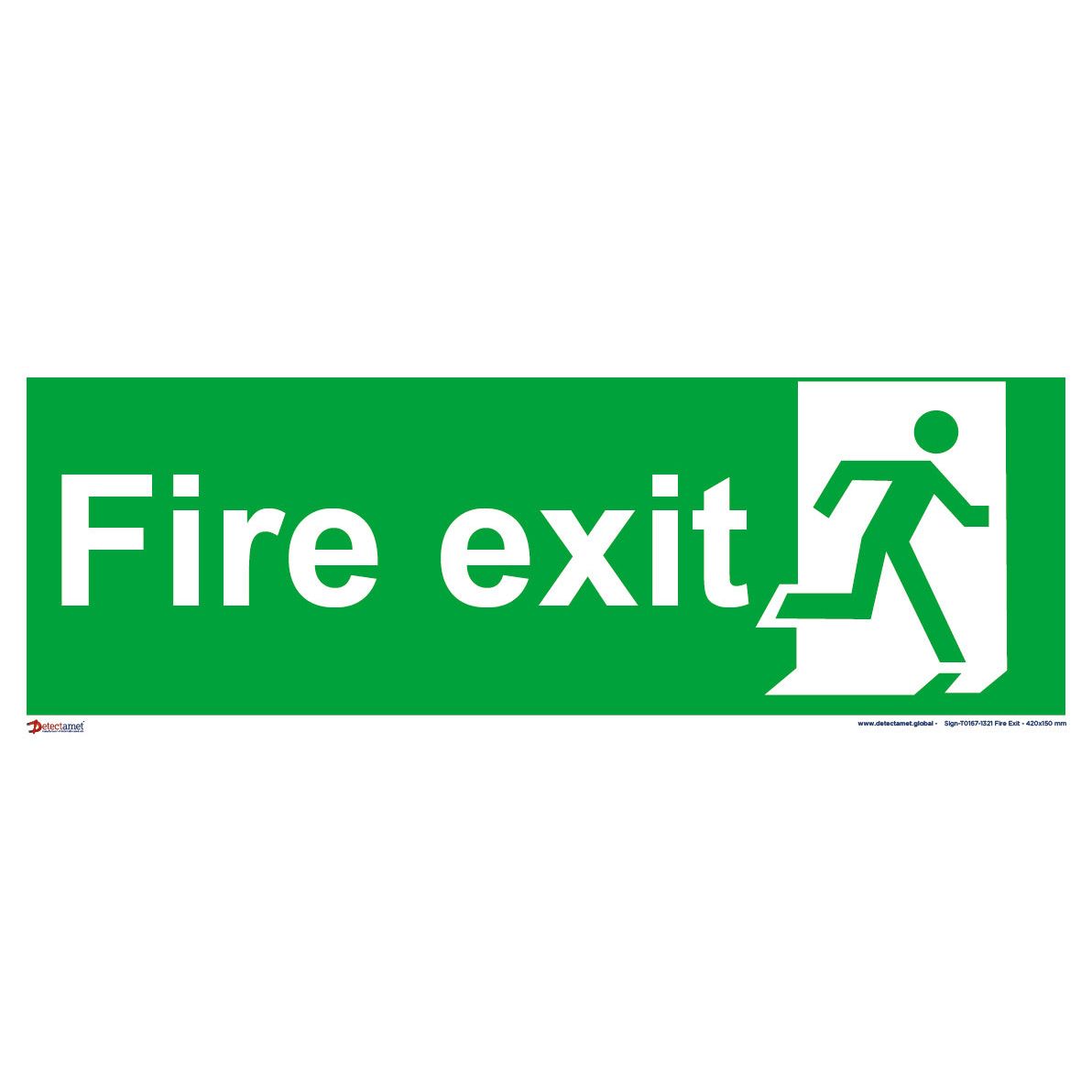
Select signs with bold, contrasting colors. Use standard symbols for emergency exits. Signs must be large enough to see from a distance. Reflective materials improve visibility at night. Place signs at eye level near all exit points. Avoid clutter around signs to keep them clear. Waterproof and heat-resistant signs last longer in outdoor settings.
Installing Emergency Lights
Install lights above or beside exit doors. Choose LED lights for bright, energy-efficient illumination. Battery-backed lights stay on during power outages. Position lights to avoid shadows on exit paths. Use waterproof fixtures designed for outdoor use. Test wiring and connections for safety and reliability. Consider motion-activated lights to save power.
Testing Visibility
Check signs and lights from different angles. Test in low light and smoky conditions. Ask others to identify exit routes quickly. Replace or relocate signs that are hard to see. Verify emergency lights turn on automatically during power loss. Maintain a regular schedule for inspections and tests. Clear visibility saves lives in emergencies.
Final Safety Checks
Final safety checks are essential to make sure your emergency exit in the food trailer works perfectly when needed. It’s not just about installing the door; you need to confirm it opens smoothly, train your team on how to use it, and keep it in top condition over time. These steps can save lives and prevent panic during an emergency.
Ensuring Door Functionality
Check the emergency exit door every day before starting your food trailer. Open and close it fully to ensure nothing blocks its path. Make sure the handle and locking mechanism work easily without sticking or jamming.
Think about the last time you had a stuck door—how frustrating and dangerous that could be during an emergency. Try pushing the door open with your hands free, simulating a rushed escape, to see if it truly allows quick exit.
Conducting Emergency Drills
Practice makes perfect. Run emergency exit drills with your team at least once a month. Walk through the steps as if there’s a real fire or hazard, so everyone knows exactly where to go and how to use the exit.
After a drill, ask your team for feedback. Did anyone struggle to open the door? Was the path clear? Adjust your setup based on what you learn to improve safety.
Routine Maintenance Tips
Keep the emergency exit door in good shape by cleaning and lubricating the hinges and locks regularly. Dust and grime can cause the door to stick or slow down in an emergency.
Also, inspect the emergency exit sign and lighting. Replace any burnt-out bulbs immediately. A well-lit exit can guide you and your customers safely out when visibility is low.
How often do you check your food trailer’s emergency exit? Consistent maintenance can mean the difference between a safe evacuation and a dangerous delay.
Frequently Asked Questions
How Do I Plan An Emergency Exit For A Food Trailer?
Start by assessing trailer size and layout. Identify the safest, quickest exit points. Ensure clear pathways and unobstructed doors for emergencies.
What Materials Are Best For Food Trailer Emergency Exits?
Use fire-resistant, durable materials like steel or aluminum. Ensure materials comply with safety codes and withstand harsh conditions.
How Wide Should An Emergency Exit Door Be?
Emergency doors must be at least 28 inches wide. This allows easy, quick evacuation during emergencies.
Are Emergency Exit Signs Required For Food Trailers?
Yes, clear, illuminated exit signs are mandatory. They guide people safely during low visibility or panic situations.
Conclusion
Building a safe emergency exit for your food trailer is essential. It helps protect you and your customers in danger. Choose a clear, wide exit that opens easily from inside. Use strong materials that last long and meet safety rules.
Test the exit often to keep it working well. A good emergency exit can save lives and reduce risks. Take time to plan and build it right. Safety should always come first in your food trailer business.