When it comes to emergency preparedness, having reliable food supplies is crucial. Augason Emergency Foods are a popular choice because they last for years and provide essential nutrition when you need it most.
But do you know the best way to prepare these foods so they taste great and keep you energized? You’ll discover simple, step-by-step tips to get the most out of your Augason Emergency Foods. By following these easy methods, you’ll feel confident and ready, no matter the situation.
Keep reading to learn how to turn your emergency food into a satisfying meal that supports your safety and well-being.

Credit: www.forbes.com
Choosing Your Augason Foods
Choosing your Augason emergency foods is a crucial step in ensuring you have reliable nutrition during unexpected situations. It’s not just about picking items off a shelf; it involves understanding what types of foods suit your needs, how long they last, and what nutritional benefits they offer. Your choices today can make a big difference tomorrow when access to fresh food is limited.
Types Of Emergency Foods
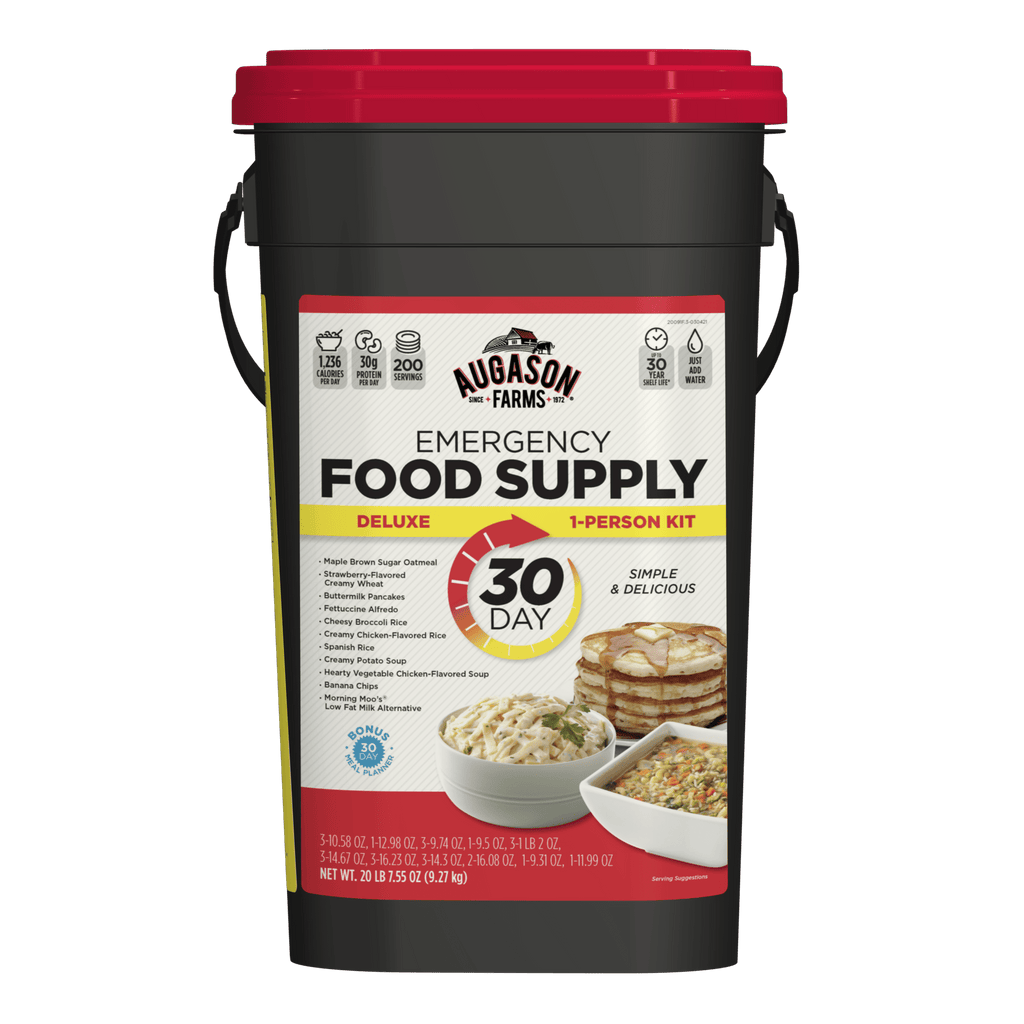
Augason offers a wide range of emergency foods including freeze-dried fruits, vegetables, grains, and complete meal kits. You might want to select items based on your family’s preferences and dietary restrictions to avoid waste. Don’t overlook comfort foods like soups and desserts—they can boost morale during tough times.
- Freeze-dried fruits and vegetables
- Dehydrated grains and beans
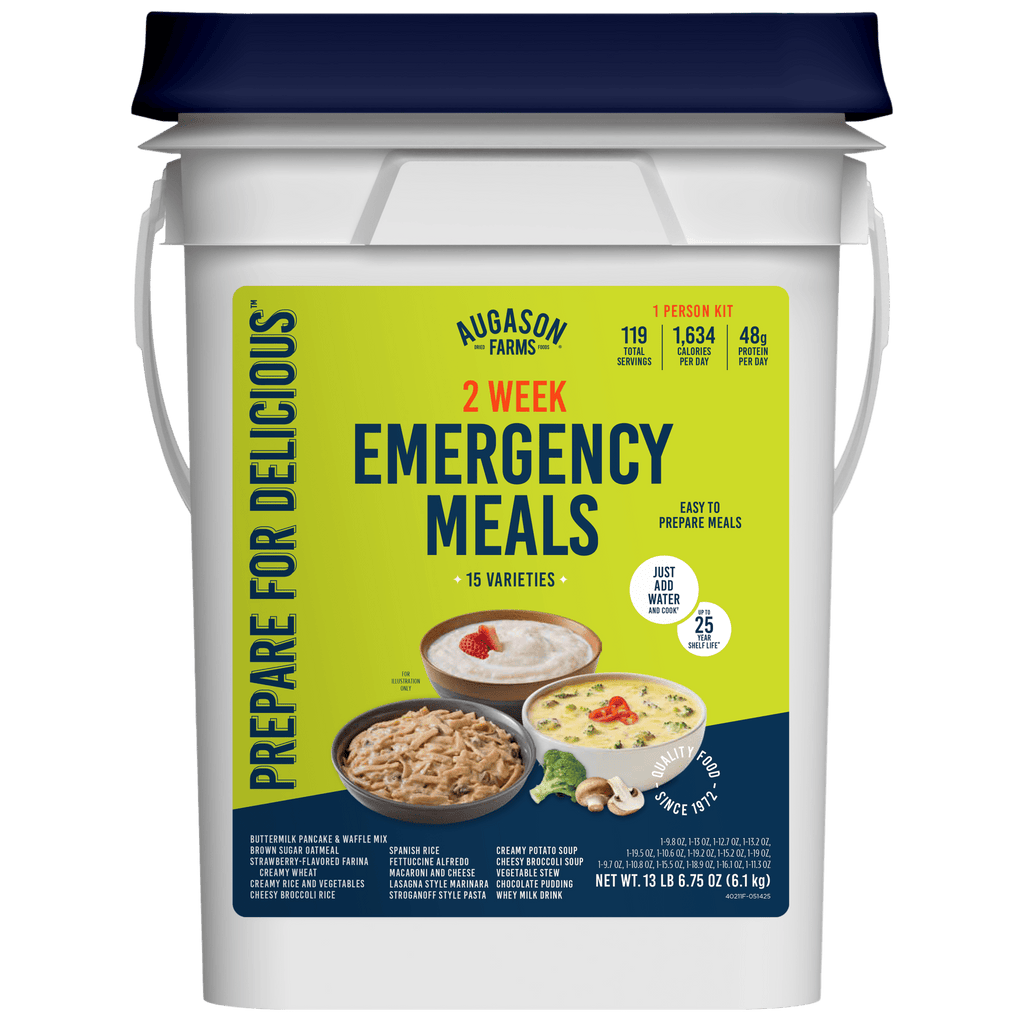
- Ready-to-eat meal buckets
- Snack bars and baking mixes
Consider mixing different types to keep your emergency food supply balanced and interesting. Have you thought about how variety might affect your willingness to eat these foods during an emergency?
Shelf Life Considerations
One reason many trust Augason Foods is their long shelf life, often up to 25 years when stored properly. However, it’s essential to check the expiration dates and rotate your stock regularly. Proper storage in a cool, dry place can prevent spoilage and maintain flavor.
Think about how often you can realistically rotate your supply. Could you create a system where you use older items in daily cooking and replace them with fresh stock?
Nutritional Value
Emergency foods should not only fill your stomach but also provide essential nutrients. Augason Foods often contain a balance of carbohydrates, proteins, and fats, plus vitamins and minerals. Reading the nutrition labels helps you avoid foods high in sodium or sugars that might not support your health long term.
How well does your current emergency food supply meet your dietary needs? Adding supplements or fresh produce when possible can help maintain your energy and well-being.
Storage Tips
Proper storage of Augason emergency foods ensures they last longer and stay safe to eat. Careful attention to storage conditions keeps the food fresh and ready for use. Following simple storage tips helps maintain the quality of your emergency supplies.
Ideal Storage Conditions
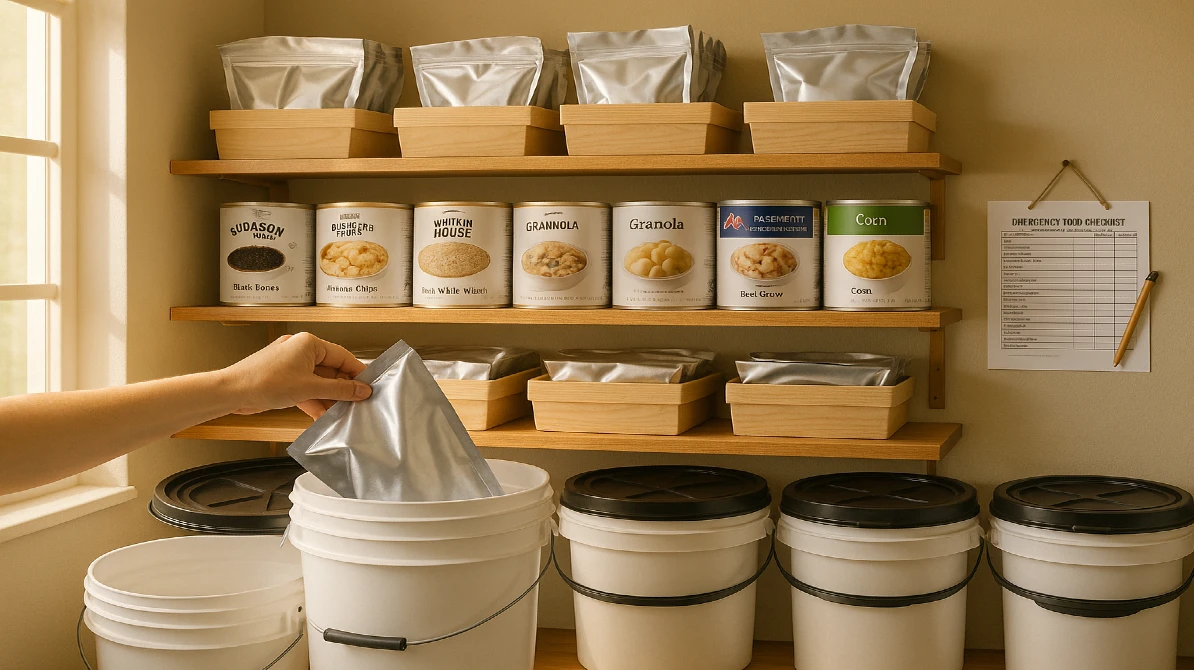
Store Augason foods in a cool, dry place. Temperatures between 50°F and 70°F work best. Avoid areas with high humidity or direct sunlight. Use airtight containers to protect food from moisture and pests. Keep the storage area clean and well-ventilated.
Rotating Your Stock
Use the oldest packages first. Mark the date you opened each product. Replace items before they expire to keep your supply fresh. Regularly check expiration dates and add new supplies at the back. This practice reduces waste and ensures food safety.
Avoiding Contamination
Always use clean hands or utensils when handling food. Do not return unused food to its original container. Seal opened packages tightly to prevent dirt and insects. Store food away from chemicals and strong odors. Keep storage containers off the floor to avoid moisture and pests.
Preparation Basics
Preparing Augason emergency foods is straightforward once you understand the basics. Getting the right tools, carefully reading the package instructions, and paying attention to water quality and temperature can make a big difference in taste and safety. Let’s break down these essential preparation elements to help you make the most of your emergency food supply.
Tools You’ll Need
Having the right tools ready can save you time and reduce frustration. A clean pot or kettle is essential for heating water. You’ll also want a measuring cup to ensure you add the correct amount of water.
A sturdy spoon or whisk helps mix the food smoothly without lumps. Keep a bowl or container nearby for mixing if the package doesn’t include one. These simple items make preparation smoother and more efficient.
Reading Package Instructions
Each Augason product comes with specific instructions that you should follow closely. These instructions tell you how much water to add, cooking times, and any special preparation tips. Ignoring these details can lead to food that is too thick, too thin, or unevenly cooked.
Have you noticed how even small changes in water amounts can alter the texture? That’s why measuring precisely is important. Make sure to read the instructions fully before starting—this saves you from guessing and wasting food.
Water Quality And Temperature
The water you use impacts both safety and flavor. Always use clean, potable water to avoid contamination. If your tap water isn’t safe, boiling it first or using bottled water can protect your health.
Temperature matters too. Hot water usually speeds up the mixing and cooking process, but some foods require water that’s just warm or room temperature. Check the instructions to get this right because too hot or too cold can affect the final taste and texture.
Credit: augasonfarms.com
Cooking Common Augason Meals
Cooking common Augason emergency foods is simple and quick. These foods are designed to last long and provide nutrition when fresh options are not available. Knowing how to prepare them properly ensures tasty and satisfying meals.
Augason foods include dried fruits, vegetables, freeze-dried meats, and soups. Each type needs a different approach to bring out the best flavors and textures. Following basic steps helps you enjoy these emergency foods as part of your daily meals or in urgent situations.
Rehydrating Fruits And Vegetables
Start by placing dried fruits or vegetables in a bowl. Cover them with warm water. Let them soak for 15 to 30 minutes. This softens the food and restores some moisture. Drain any extra water before eating or cooking.
Use rehydrated fruits in cereals or snacks. Vegetables are great for salads, sides, or mixing into main dishes. Avoid over-soaking to keep the texture firm and fresh.
Preparing Freeze-dried Meats
Freeze-dried meats need careful handling to keep taste and nutrition. Add hot water to the meat in a bowl or pot. Stir gently and let it sit for 10 to 20 minutes. The meat will absorb water and become tender.
After rehydration, cook the meat as desired. Use it in stews, soups, or casseroles. Freeze-dried meat works well with other Augason ingredients for a balanced meal.
Making Soups And Stews
Combine rehydrated vegetables and meats in a pot. Add broth or water to cover the ingredients. Bring the mixture to a boil, then lower the heat. Simmer for 20 to 30 minutes to blend flavors.
- Stir occasionally to prevent sticking.
- Adjust seasoning with salt, pepper, or herbs.
- Use Augason soup mixes for easy meal prep.
Soups and stews offer warm, filling meals that use multiple emergency food items. They are easy to prepare and store for future use.
Enhancing Flavor And Texture
Enhancing the flavor and texture of Augason emergency foods makes meals more enjoyable. These foods are designed for long storage, but their taste can improve with simple tweaks. Small changes can turn basic ingredients into tasty dishes. This section shares easy ways to boost flavor and texture.
Using Spices And Herbs
Spices and herbs add fresh taste to emergency foods. Use common spices like black pepper, garlic powder, or paprika. Dried herbs such as oregano, basil, or thyme brighten dishes quickly. Sprinkle them in before or after cooking for better flavor.
- Start with small amounts to avoid overpowering the dish.
- Mix different spices to create unique flavor blends.
- Fresh herbs, if available, give extra aroma and taste.
Combining Ingredients
Mixing Augason foods with other pantry items improves texture. Add cooked rice or pasta to soups for heartier meals. Blend beans with vegetables to create thick stews. Combining helps create variety and more filling dishes.
- Use broth or water to adjust thickness.
- Cook combined ingredients gently to keep texture balanced.
- Try layering flavors by adding sauces or cheese.
Adding Fresh Foods
Fresh foods bring color and crunch to emergency meals. Vegetables like onions, carrots, or celery add sweetness and texture. Fresh fruits can enhance desserts or snacks. Use what is on hand to improve meals.
- Chop fresh veggies finely for easy cooking.
- Add fresh foods near the end of cooking to keep crunch.
- Use fresh herbs as garnish for a final touch.
Safety Tips
Preparing Augason emergency foods safely is essential to protect your health and make the most of your stored supplies. Handling these foods with care ensures they retain their nutritional value and are safe to eat when you need them most. Let’s look at key safety tips you should keep in mind.
Checking For Spoilage
Always inspect your Augason emergency food packages before opening. Look for any dents, rust, or swelling on the cans or pouches—these could indicate contamination. If the food smells off or looks unusual after opening, never take a risk; discard it immediately.
Remember, food stored for long periods may sometimes degrade even if sealed. Have you checked your emergency food supply recently to catch spoilage early?
Proper Handling Techniques
Wash your hands thoroughly before handling emergency foods to avoid introducing bacteria. Use clean utensils and avoid direct hand contact with the food inside to keep it hygienic. Preparing the food in a clean, sanitized area reduces the risk of contamination.
Heating water or food to the recommended temperature is also critical. It kills harmful germs and ensures your meal is safe to eat. Have you tried measuring water temperature to get the perfect consistency and safety?
Allergy Considerations
Check the ingredient labels carefully to avoid allergens. Many emergency food kits contain common allergens like wheat, soy, or dairy. If you have allergies, create a separate, clearly labeled stash of safe foods to prevent accidental exposure.
It’s a good idea to test a small amount of the food first if you’re unsure about any ingredient. How do you manage allergies in your emergency supplies to keep everyone safe?
Emergency Meal Planning
Emergency meal planning with Augason Foods requires thoughtful preparation to ensure you stay nourished and energized during unexpected situations. It’s not just about having food stored but knowing how to balance your meals for sustained energy and health. Let’s dive into how you can make the most of your emergency food supplies with smart planning.
Balancing Macronutrients
Your body needs a mix of carbohydrates, proteins, and fats to function well, especially during emergencies. Augason Foods offer a variety of ingredients like grains, beans, and powdered dairy that can be combined to cover these needs.
Try pairing rice or oats (carbs) with freeze-dried chicken or beans (protein) and add some nuts or powdered oils (fats). This balance helps keep your energy steady and supports muscle and brain function.
What’s your go-to meal combination that keeps you feeling full and alert? Experiment with different mixes to find what works best for you in stressful times.
Meal Timing And Portions
How often you eat and how much you consume at once can affect your energy levels and mood. In emergencies, smaller, frequent meals might be easier on your digestive system and help maintain steady blood sugar.
Plan to have 3 to 4 small meals each day rather than one or two large ones. Use the serving suggestions on Augason packages as a guide but adjust based on your activity level and hunger.
Consider timing meals around your daily tasks or rest periods. This helps you stay productive and avoid energy crashes.
Using Augason Foods Efficiently
Maximize your emergency food by rotating stock and using ingredients before they expire. Preparing meals in bulk and storing them properly can save time and reduce waste.
Mix powdered ingredients with water just before eating to keep texture and flavor fresh. Freeze-dried vegetables and meats rehydrate quickly, making meal prep faster.
Have you tried combining Augason Foods with fresh items like canned fruits or spices? These small additions can improve taste and nutrition, making your emergency meals more enjoyable.
Credit: hillsidewealth.ca
Frequently Asked Questions
What Are Augason Emergency Foods?
Augason emergency foods are long-lasting, dehydrated meals designed for disaster preparedness. They provide essential nutrients during emergencies. These foods have a shelf life of up to 25 years when stored properly. They require water for rehydration and cooking before consumption.
How Do I Prepare Augason Emergency Foods?
To prepare Augason emergency foods, add the recommended amount of boiling or hot water. Stir thoroughly and let it sit covered for the specified time. This allows the food to rehydrate and cook properly. Always follow the package instructions for best results.
Can I Use Cold Water To Prepare Augason Foods?
Using cold water is not recommended. Hot or boiling water activates the rehydration process faster. Cold water may cause uneven texture and longer wait times. For safety and taste, always use hot water as directed on the package.
How Should I Store Augason Emergency Foods?
Store Augason emergency foods in a cool, dry place away from direct sunlight. Keep containers sealed tightly to prevent moisture and pests. Proper storage extends shelf life and maintains food quality. Avoid exposure to extreme temperatures.
Conclusion
Preparing Augason emergency foods is simple with the right steps. Always read the instructions carefully before starting. Use clean water and tools for safety and taste. Let the food sit for the recommended time to fully hydrate. Store leftovers properly to keep them fresh.
Practicing preparation now saves stress later during emergencies. Being ready means peace of mind for you and your family. Start small and build your skills over time. Emergency food can be a reliable source when needed most. Keep your supplies checked and rotated regularly.
Stay prepared, stay safe.