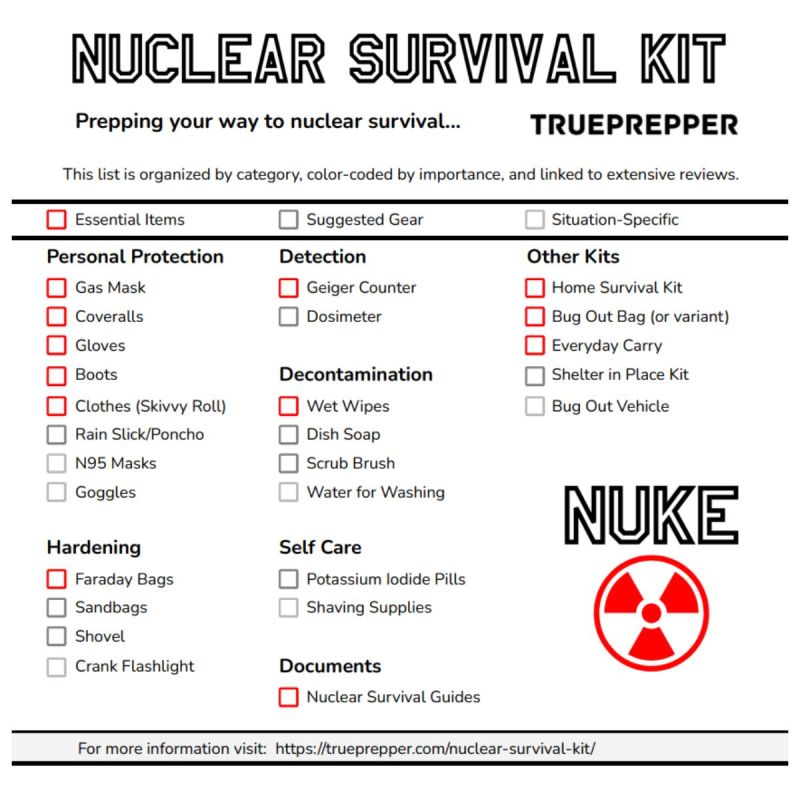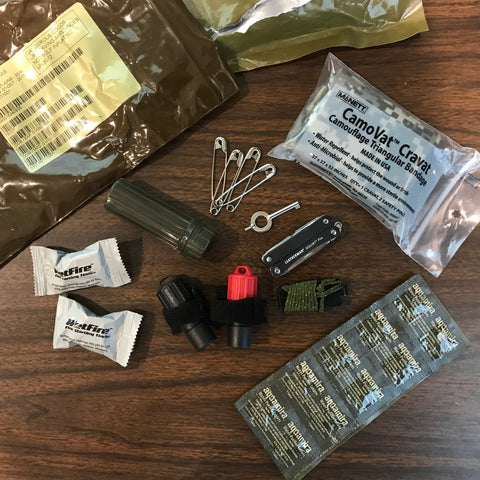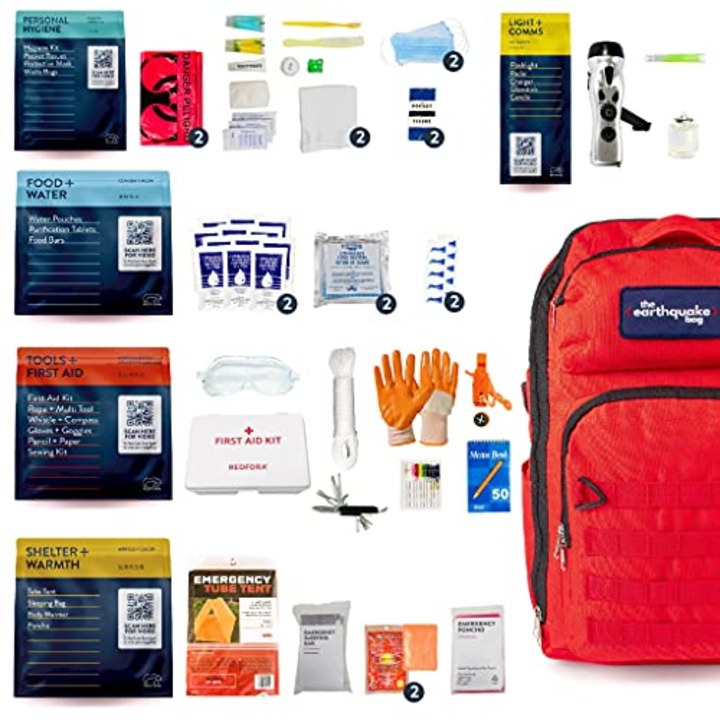
Imagine facing an unexpected emergency without the right tools. How would you protect yourself and your loved ones?
Building your own survival kit is the best way to prepare for those moments. In this guide, you’ll learn exactly what to include and how to start your survival kit step by step. By the end, you’ll feel confident knowing you’re ready for whatever comes your way.
Keep reading to take control of your safety and peace of mind.
Choosing The Right Bag
Choosing the right bag is a crucial first step when starting your survival kit. The bag you pick will carry all your essential items and impact how easily you can access them in an emergency. It needs to be durable, functional, and comfortable enough for the situations you might face.
Durability And Material
Look for bags made from strong materials like nylon or polyester with reinforced stitching. These fabrics resist tears and withstand harsh weather conditions. A bag with water-resistant or waterproof coating protects your gear from rain or spills, keeping everything dry and ready to use.
Size And Capacity
The bag should be large enough to hold your essentials but not so big that it becomes cumbersome. Think about the amount of gear you plan to carry and consider a bag with multiple compartments to stay organized. Can you comfortably carry the bag for long distances? If not, a smaller or better-designed bag might work better.
Comfort And Carry Options
Comfort matters because you might carry your survival kit for hours. Padded shoulder straps and back support reduce fatigue and prevent soreness. Some bags also offer waist or chest straps to distribute weight evenly—do you know how much weight you can comfortably carry before it slows you down?
Accessibility And Organization
Choose a bag with easy-to-reach compartments and pockets. Quick access can be a game-changer in emergencies when every second counts. Look for bags with zippers that open wide and internal dividers to keep your items sorted and easy to find.
Additional Features To Consider
- MOLLE webbing:Great for attaching extra gear or pouches.
- Hydration compatibility:Allows you to add a water bladder.
- Reflective strips:Increase visibility in low light conditions.
- Compression straps:Help keep the load stable and compact.
Think about where you’ll use your survival kit most. Will you hike through rough terrain or stay mainly in urban settings? Your bag choice should match your environment and your personal comfort. What features would make your life easier when you really need your survival kit?

Credit: trueprepper.com
Water Supply Essentials
Water is the foundation of any survival kit. Without a reliable water supply, your chances of staying safe and healthy drop significantly. You need to focus on both storing enough water and making sure it’s safe to drink.
Storage Options
Choosing the right water storage is critical. You want containers that are durable, easy to carry, and won’t leak. Many people overlook the importance of proper storage, but it can make or break your survival plan.
- Plastic water jugs:Lightweight and easy to stack, these are perfect for storing several gallons. Look for BPA-free options to avoid chemical contamination.
- Collapsible water bags:Great for saving space when not in use. They’re handy for hiking or emergency kits where weight matters.
- Stainless steel bottles:These are sturdy and reusable. They keep water cooler and won’t absorb odors, but they can be heavier to carry.
- Water barrels:Ideal if you have space at home. They can hold large amounts but aren’t portable.
Think about your specific situation. Will you be stationary or on the move? Your choice of storage should reflect that.
Purification Methods
Even if you have plenty of water stored, it’s useless if it’s contaminated. You need reliable ways to purify water to avoid sickness. Some methods are simple and effective, while others require tools or chemicals.
- Boiling:The most straightforward method. Boil water for at least one minute to kill most germs.
- Water purification tablets:Lightweight and easy to carry, tablets kill bacteria and viruses. Always check the expiration date before packing them.
- Portable water filters:Devices like pump filters or straw filters remove bacteria and protozoa. They’re excellent for on-the-go purification.
- UV light purifiers:Use ultraviolet light to neutralize microbes quickly. These require batteries but are very effective.
Have you tested your purification methods before an emergency? Trying them out helps you understand how long it takes and what gear you’ll need. Don’t wait until you’re in a crisis to find out your water isn’t safe.
Food Selection For Survival
Choosing the right food is key for any survival kit. Food must last long without spoiling. It should also give enough energy for tough days. Planning your food helps avoid hunger and keeps strength up. Focus on items that store well and provide good nutrition.
Non-perishable Options
Non-perishable foods last months or years without refrigeration. These foods suit survival kits best. Examples include:
- Canned beans and vegetables
- Dried fruits and nuts
- Rice and pasta
- Powdered milk
- Jerky and dried meats
- Freeze-dried meals
Choose sealed packaging to keep food safe from moisture and pests. Avoid foods that spoil quickly or need special storage. Variety helps prevent boredom and ensures balanced nutrition.
Caloric Needs
Calories fuel your body. In survival, energy demands rise. Plan enough calories for daily activities.
| Activity Level | Calories Needed Per Day |
|---|---|
| Low (resting) | 1,200 – 1,500 |
| Moderate (light work) | 1,800 – 2,200 |
| High (heavy work) | 2,500 – 3,500 |
Balance carbs, proteins, and fats. Carbs give quick energy. Proteins repair muscles. Fats store energy for long use. Pack foods with a mix of these nutrients for lasting power.
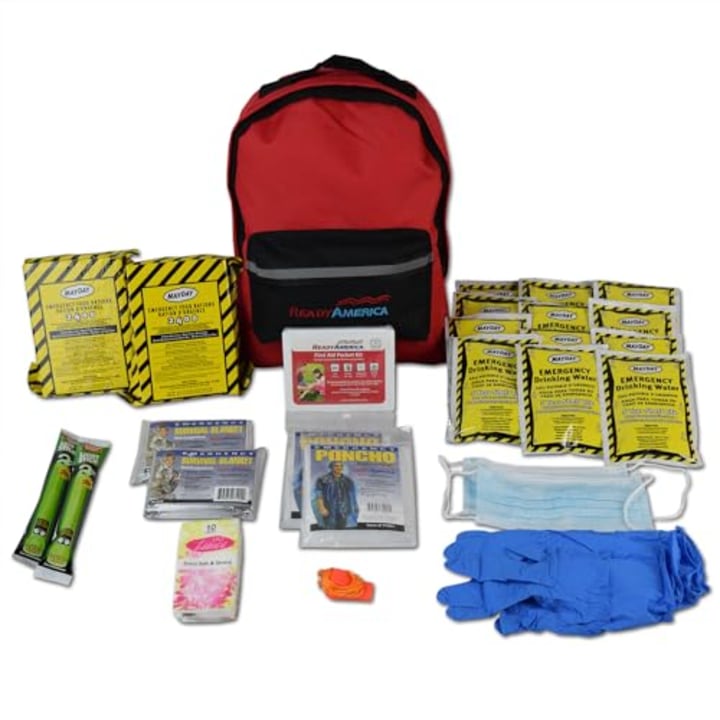
Credit: www.nbcnews.com
First Aid Basics
First aid is a vital part of any survival kit. It helps manage injuries and prevents infections. Basic first aid knowledge can save lives in emergencies. Preparing a kit with the right supplies is the first step.
Essential Medical Supplies
Include these items in your survival kit to handle common injuries:
- Adhesive bandages of various sizes
- Sterile gauze pads and adhesive tape
- Antiseptic wipes and antibiotic ointment
- Scissors and tweezers
- Elastic bandage for sprains
- Disposable gloves
- Pain relievers like ibuprofen or acetaminophen
- Thermometer
- CPR face shield or mask
- Burn cream or aloe vera gel
Basic First Aid Skills
Learn simple skills to treat injuries effectively:
- How to clean wounds properly
- Applying bandages and dressings
- Performing CPR and rescue breathing
- Recognizing signs of shock
- Treating burns and fractures
- Knowing when to seek medical help
Practice these skills regularly to stay confident in emergencies.
Tools And Gear
Choosing the right tools and gear is key to building a strong survival kit. Tools help you handle many tasks. Gear keeps you safe and ready for emergencies. Focus on items that serve many purposes and are easy to carry.
Multi-purpose Tools
Multi-purpose tools save space and weight in your kit. They combine many functions into one device. Common choices include:
- Folding knives with extra blades
- Multi-tools with pliers, screwdrivers, and scissors
- Compact shovels that fold for easy storage
- Wire saws for cutting branches or wood
Choose tools made of strong materials like stainless steel. These tools last longer and resist rust. Keep tools sharp and clean for best use.
Fire Starting Equipment
Fire is vital for warmth, cooking, and signaling. Pack reliable fire starters that work in many conditions. Good options include:
- Waterproof matches in a sealed container
- Windproof lighters
- Magnesium fire starters with a striker
- Fire steel rods for sparks
Store fire starters in a dry place. Practice using them before an emergency. Fire starting skills improve your survival chances.
Shelter And Warmth
Shelter and warmth form the core of any survival kit. Protecting yourself from harsh weather helps avoid illness and fatigue. A good shelter blocks wind, rain, and cold. Warmth keeps your body functioning well during tough conditions. Preparing for these needs ensures safety in the wild or during emergencies.
Portable Shelters
Portable shelters are easy to carry and quick to set up. They provide immediate protection from weather. Look for lightweight tents, tarps, or bivy sacks. Compact designs fit into backpacks without extra weight. Waterproof and windproof materials work best.
- Tent: Offers full protection and space for gear.
- Tarp: Versatile for various shelter shapes.
- Bivy sack: Small and fits over a sleeping bag.
Choose shelters that suit your environment and season. Practice setting up your shelter before an emergency.
Clothing Considerations
Proper clothing keeps your body heat trapped. Layering clothes helps adjust to changing temperatures. Start with a moisture-wicking base layer. Add an insulating middle layer. Finish with a waterproof outer layer.
- Base layer: Keeps skin dry and warm.
- Insulating layer: Holds body heat close.
- Outer layer: Shields from wind and rain.
Bring extra socks and hats to prevent heat loss. Avoid cotton because it traps moisture. Choose wool or synthetic fabrics instead. Pack gloves for cold weather protection.
Navigation And Communication
Navigation and communication are key parts of any survival kit. They help you find your way and stay in touch during emergencies. Without these tools, getting lost or isolated becomes a serious risk.
Choosing reliable navigation and communication gear can save your life. Pick items that work without electricity or cell signals. Practice using them before an emergency happens.
Maps And Compasses
Maps show the land around you. A good topographic map reveals hills, rivers, and trails. Carry a paper map because digital devices can fail.
A compass points to magnetic north. It helps you keep direction even if you can’t see the sun. Learn how to read both the map and compass together.
- Choose waterproof, detailed maps of your area.
- Buy a durable compass with a clear baseplate.
- Practice orienting the map using the compass.
- Mark your starting point and planned route.
Emergency Communication Devices
Communication devices let you call for help or signal others. Cell phones may not work in remote areas or disasters.
Consider radios that do not rely on cell towers. Some radios receive emergency broadcasts and send distress signals.
- Two-way radios allow talking with nearby people.
- Satellite messengers send messages globally via satellites.
- Personal locator beacons alert rescuers with GPS coordinates.
- Keep extra batteries or solar chargers for power.
Personal Items And Documentation
Personal items and documentation are essential in any survival kit. These items help prove your identity and provide comfort during stressful times. Preparing these essentials carefully ensures you stay organized and ready for emergencies.
Identification And Important Papers
Keep copies of your ID cards, passports, and driver’s licenses in a waterproof bag. Include important documents like birth certificates, insurance papers, and medical records. Store emergency contact information and any legal papers you might need. Having these documents protects you in many situations.
Personal Comfort Items
Small items can bring calm during tough moments. Pack a few personal items such as a favorite photo or a small notebook. Consider adding hygiene products like a toothbrush, soap, and wet wipes. These items help maintain your well-being and morale.
Maintaining And Updating Your Kit
Maintaining and updating your survival kit is crucial for readiness. Supplies can expire, and needs may change over time. Regular care keeps the kit reliable and useful during emergencies.
Check your kit often to avoid surprises. Keep it organized and easy to access. Adjust items to fit changes in weather and personal needs.
Regular Inventory Checks
Set a schedule to review your kit every few months. Look for expired food, batteries, and medicines. Replace anything that is damaged or out of date.
Check packaging for leaks or breaks. Make sure all tools work properly. Keep a list of what you have and what is missing.
Seasonal Adjustments
Change your kit based on the season. Add warm clothes and blankets in winter. Include sunscreen and insect repellent in summer.
Consider local weather risks like floods or storms. Update your kit to handle these conditions. Swap out items that no longer fit the season’s needs.

Credit: trueprepper.com
Frequently Asked Questions
What Are The Essential Items In A Survival Kit?
A survival kit should include water, non-perishable food, a first aid kit, a flashlight, and a multi-tool. These items help you stay safe and meet basic needs during emergencies.
How Do I Choose The Best Container For My Survival Kit?
Pick a waterproof, durable container that is easy to carry. It should protect items from damage and be compact enough to store conveniently.
How Often Should I Update My Survival Kit?
Update your survival kit every six months. Check expiration dates on food and medicine, and replace used or damaged items promptly.
Can I Customize A Survival Kit For Different Environments?
Yes, customize your kit based on the environment. Include extra warm clothing for cold areas or sun protection for hot climates.
Conclusion
Starting a survival kit takes small, steady steps. Gather basic tools and supplies first. Think about your needs and environment. Keep your kit updated regularly. Practice using your items to stay prepared. Being ready brings peace and confidence. A simple kit can make a big difference.
Stay safe by planning ahead today.