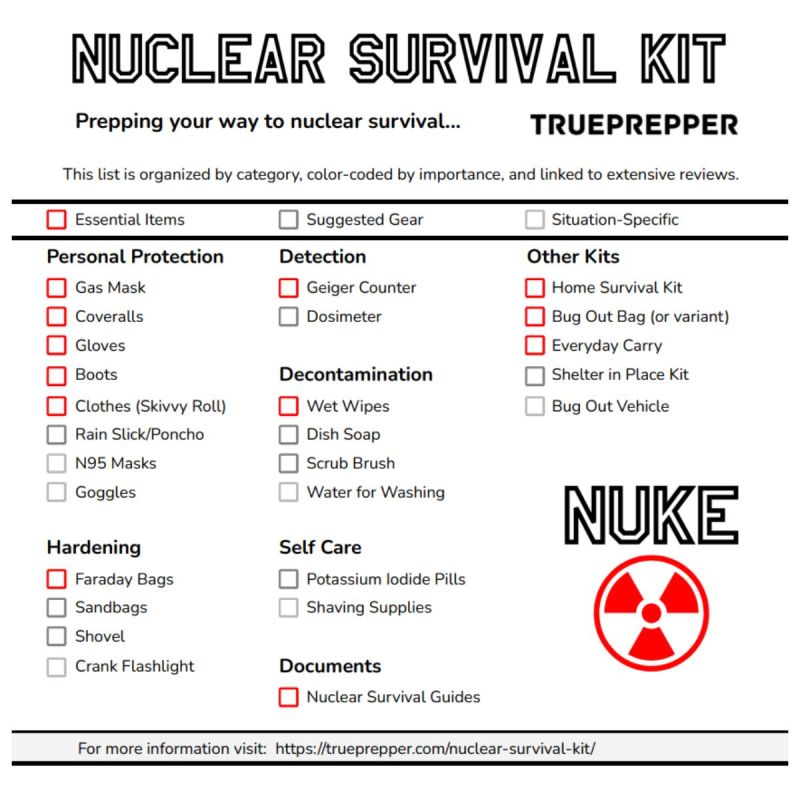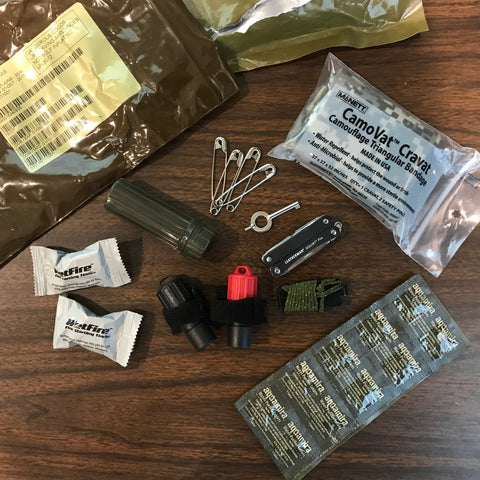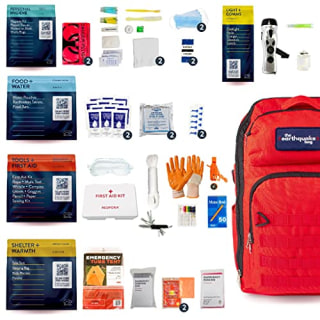
Imagine finding yourself in an unexpected emergency. Would you have what you need to stay safe, comfortable, and prepared?
Your survival kit can be the difference between panic and confidence. But what exactly should you include to cover all the basics without carrying unnecessary weight? You’ll discover the essential items that belong in your survival kit—everything you need to protect yourself and keep going when it matters most.
Keep reading, and you’ll feel ready for whatever comes your way.
Basic Survival Essentials
Building a survival kit starts with gathering the basics that can keep you alive and stable in any emergency. These essentials focus on your immediate needs: staying hydrated, nourished, and protected from the elements. Think about what you absolutely can’t live without for more than a day—this is where your survival kit begins.
Water And Hydration Tools
Water is your top priority. Without it, your body starts to shut down in just a few days. Include a reliable water filter or purification tablets to ensure any water you find is safe to drink.
A sturdy water bottle or collapsible container is crucial for carrying and storing water. You might also want a small, portable water filter straw—these have saved many during unexpected hikes gone wrong. How often do you check your water supply when out in the wild?
Food And Nutrition Supplies
Your body burns energy fast when stressed or cold, so pack nutrient-dense, non-perishable foods. Think high-calorie items like nuts, energy bars, and dried fruits. These don’t just fill your stomach; they fuel your mind and muscles when you need it most.
Don’t forget a small, lightweight cooking stove or a portable utensil set. Even a simple can opener can make a big difference. Have you ever struggled with food packaging during an emergency? Make sure your kit avoids that hassle.
Shelter And Warmth Gear
Protection from the elements can be a lifesaver. Include a compact tent, emergency blanket, or tarp that fits easily in your pack. These provide quick shelter from rain, wind, or cold nights.
Warmth is equally important. Pack extra socks, a hat, and a reliable fire starter like waterproof matches or a magnesium flint. Remember, staying dry and warm reduces the risk of hypothermia, even in mild conditions. What’s your plan for staying warm if you get stuck outdoors overnight?

Credit: www.amazon.com
First Aid And Health Items
First aid and health items are crucial in any survival kit. They help treat injuries and prevent infections. Proper care can stop small problems from becoming serious. Having the right supplies keeps you safe and healthy during emergencies.
Essential Medical Supplies
- Adhesive bandages in various sizes
- Sterile gauze pads and adhesive tape
- Antiseptic wipes and antibiotic ointment
- Scissors and tweezers for wound care
- Elastic bandages for sprains
- Disposable gloves to prevent infection
- Instant cold packs to reduce swelling
- CPR face shield for rescue breathing
Personal Medications
Include any daily medicines you need. Pack extra doses for several days. Pain relievers help manage headaches or minor aches. Antihistamines can reduce allergic reactions. Carry any special treatments prescribed by your doctor. Label all medicines clearly. Store them in waterproof containers to keep them safe.
Hygiene And Sanitation
- Hand sanitizer with at least 60% alcohol
- Antibacterial soap for washing hands
- Disposable wet wipes for cleaning skin
- Toothbrush and toothpaste for oral care
- Feminine hygiene products if needed
- Small towel or washcloth
- Plastic bags for waste disposal
Tools And Equipment
Tools and equipment form the backbone of any survival kit. They help you perform essential tasks that keep you safe and comfortable. Choosing the right items can make a big difference in an emergency. Compact, durable, and versatile tools are best. They should cover basic needs like cutting, fire, and navigation.
Cutting And Multi-tools
A sharp cutting tool is vital for many survival tasks. It helps with preparing food, making shelter, and crafting tools. A sturdy knife with a fixed blade offers reliability. Multi-tools combine several functions like pliers, screwdrivers, and blades in one device. These save space and add convenience. Look for tools made from strong, rust-resistant steel. Easy grip handles improve safety and control.
Fire Starting Devices
Fire provides warmth, light, and a way to cook food. Fire starters must work in wet and windy conditions. Waterproof matches or a windproof lighter are good choices. Flint and steel kits last a long time without fuel. Magnesium fire starters create sparks quickly and are lightweight. Always carry a backup fire-starting method. Practice using them before an emergency happens.
Navigation Aids
Navigation tools prevent you from getting lost. A reliable compass helps you find direction even without GPS. Learn to read a map to complement the compass. GPS devices offer precise location data but rely on batteries. Carry extra batteries or a solar charger. Mark your route and landmarks clearly to stay on track. Keep navigation tools accessible for quick use.
Communication And Signaling
Communication and signaling tools are vital in any survival kit. They help you alert rescuers and stay informed about your surroundings. Clear communication can save your life in an emergency.
Emergency Radios
Emergency radios keep you updated on weather and rescue news. Choose radios with NOAA weather alerts and multiple power options. Hand-crank or solar-powered radios work well without batteries.
Signal Mirrors And Whistles
Signal mirrors reflect sunlight to catch attention from far away. They work best in clear daylight. Whistles create loud sounds to alert rescuers nearby. Both are lightweight and easy to carry.
Flashlights And Batteries
Flashlights provide light in dark or low-visibility situations. Bright, durable models last longer and help you signal at night. Carry extra batteries or choose rechargeable lights for reliability.
Clothing And Protection
Clothing and protection play a vital role in any survival kit. Proper clothing shields the body from harsh weather and rough terrain. Protection gear keeps injuries and infections at bay. Choosing the right items can boost comfort and safety during emergencies.
Weather-appropriate Apparel
Choose clothing that fits the climate where you live or may travel. Layering works best. Start with a moisture-wicking base layer to keep sweat off your skin. Add an insulating layer for warmth. Top with a waterproof and windproof outer shell. Avoid cotton as it traps moisture and chills the body.
Protective Gear
Include items that guard against cuts, scrapes, and insect bites. Sturdy gloves protect hands during work or rough conditions. A wide-brimmed hat shields your head and neck from sun and rain. Sunglasses protect eyes from glare and debris. A neck gaiter or scarf can cover your face in dust or cold.
Extra Footwear
Bring an extra pair of shoes or boots. Wet or damaged footwear can cause blisters and infections. Choose durable, comfortable shoes suited for walking long distances. Include thick socks to reduce friction and keep feet dry. Proper foot care prevents many common survival injuries.
Storage And Packaging
Storing and packaging your survival kit correctly can make all the difference when you need to access it quickly. The right container protects your gear from damage and keeps everything organized. Think about how you’ll carry your kit and how the packaging will hold up in tough conditions.
Backpacks And Containers
A sturdy backpack with multiple compartments helps you separate essentials like food, water, and tools. Look for one with padded straps and durable fabric to withstand rough use. If you prefer something smaller, consider hard plastic or metal containers that resist crushing and keep your items safe.
Choosing the right size matters. Too big, and you’ll carry unnecessary weight. Too small, and you risk leaving out critical items. I once packed a bulky bag that slowed me down during a quick evacuation—learn from my mistake and find a balance between capacity and portability.
Waterproofing Methods
Water can ruin your supplies in minutes. Protect your kit with waterproof bags, dry sacks, or sealed plastic containers. Even a simple ziplock bag can save paper maps or matches from moisture.
Wrapping items individually with plastic wrap or using vacuum-sealed bags adds another layer of protection. Have you tested your kit’s waterproofing? Try submerging a packed container in water for a few minutes to spot leaks before you rely on it.
Organizing Your Kit
Keeping your kit organized helps you find what you need fast. Use clear zippered pouches or small boxes to group similar items together. Label each section with tags or waterproof markers.
Think about how you’ll use your kit. Place frequently used items near the top or in external pockets. I always keep my first aid and fire-starting tools easily accessible—this saves precious seconds in an emergency.
- Separate food and water from electronics to avoid damage.
- Pack heavier items at the bottom to balance weight.
- Regularly check and reorganize your kit as items get used or expire.
Customizing Your Kit
Customizing your survival kit makes it more effective for your unique situation. A well-tailored kit fits your environment, habits, and health needs. This approach increases your chances of staying safe and comfortable during emergencies.
Considering Your Environment
Think about the climate and terrain where you live or travel. Hot, cold, wet, or dry conditions require different gear. Include items that protect you from local weather, like sunblock for sunny areas or thermal blankets for cold zones.
Consider natural threats such as insects, plants, or animals. Add repellents or first aid supplies to handle bites and stings. Water sources might be scarce, so carry water purification tools if needed.
Personal Needs And Preferences
Factor in your health conditions and daily habits. Include medications, allergy treatments, or special equipment like glasses or hearing aids. Choose foods and snacks that you can digest easily and enjoy eating.
Think about tools you know how to use. Familiarity saves time and stress during emergencies. Add comfort items like a small book or a notepad to keep your mind calm.
Regular Maintenance And Updates
Check your kit every few months to replace expired items. Batteries, medications, and food can lose effectiveness over time. Updating your kit keeps it ready for use at all times.
Adjust the contents based on changes in your lifestyle or environment. New health issues or moves to different areas might require new gear. Keep a checklist to track what you need to add or remove.
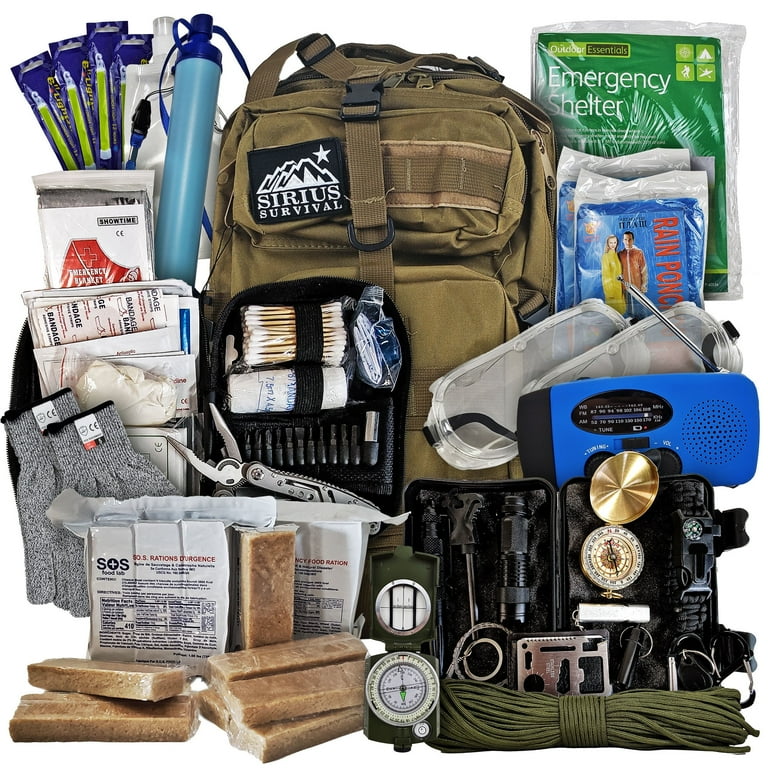
Credit: www.walmart.com

Credit: www.servpro.com
Frequently Asked Questions
What Items Are Essential In A Survival Kit?
A survival kit should include water, non-perishable food, a first-aid kit, flashlight, matches, and a multi-tool. These essentials help address basic needs like hydration, nutrition, and safety. Customizing your kit based on your environment and specific needs is crucial for effectiveness.
How Much Water Should Be In A Survival Kit?
Your survival kit should have at least one gallon of water per person per day. This amount covers drinking and sanitation needs. Plan for at least three days. Consider water purification tablets if space is limited. Ensuring a clean water supply is critical during emergencies.
Why Is A First-aid Kit Important In Survival?
A first-aid kit is crucial as it provides immediate care for injuries. It helps manage cuts, burns, and other injuries until professional help arrives. Including bandages, antiseptics, and pain relievers is essential. Proper first-aid supplies can prevent minor injuries from becoming major emergencies.
Should I Include A Multi-tool In My Kit?
Yes, a multi-tool is vital for its versatility. It combines several tools, like knives and screwdrivers, in one compact device. This makes it useful for repairs, food preparation, and emergencies. A multi-tool enhances your ability to adapt to various situations in survival scenarios.
Conclusion
A good survival kit keeps you ready for many situations. It should have food, water, and tools for safety. Think about your needs and the environment you face. Keep your kit simple but complete. Check it often to replace old items.
Being prepared helps you stay calm and safe. Small steps now can protect you later. Build your kit with care and use it wisely. Staying ready is the best choice.