When an emergency strikes, having the right food in your kit can make all the difference. You want items that stay fresh for a long time, provide good nutrition, and are easy to store.
But with so many options out there, how do you choose what will truly last and keep you fueled when it matters most? You’ll discover the best foods that won’t spoil quickly and will support your survival during tough times.
Keep reading to make sure your emergency kit is stocked with the most reliable, long-lasting food.
Credit: www.forbes.com
Best Long-lasting Foods
Choosing the best long-lasting foods for emergency kits ensures nutrition and energy when supplies run low. These foods stay good for years without refrigeration. They are easy to store and prepare. Selecting reliable options protects against hunger during crises.
Dehydrated And Freeze-dried Options
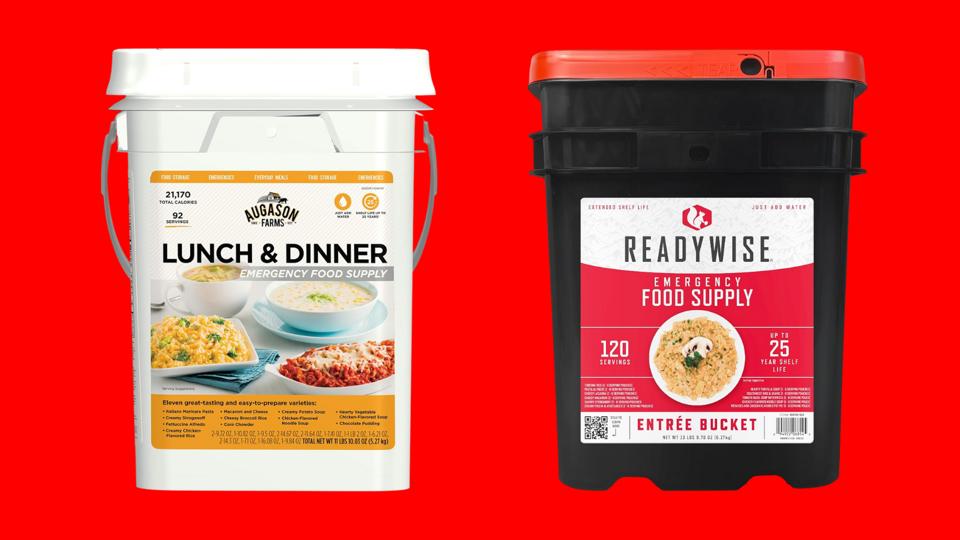
Dehydrated and freeze-dried foods lose moisture to prevent spoilage. They keep nutrients intact and last for decades. Common choices include fruits, vegetables, and meats. These foods are lightweight and easy to carry. Just add water to rehydrate and eat.
Canned Goods With Extended Shelf Life
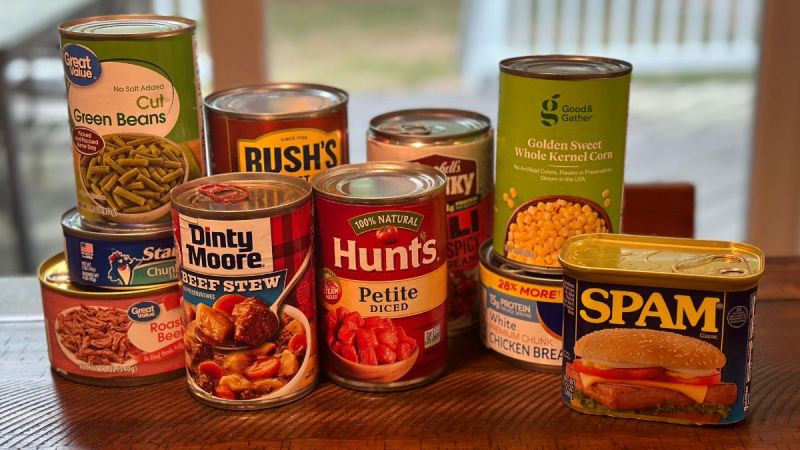
Canned foods remain safe for years due to airtight sealing. They contain ready-to-eat meals, beans, soups, and vegetables. Look for cans labeled with long expiration dates. Store in a cool, dry place for maximum shelf life. Canned items provide solid nutrition and convenience.
Dry Staples Like Rice And Beans
Dry staples such as rice and beans store well for many years. They are rich in carbohydrates and protein. Keep them in sealed containers to avoid moisture and pests. These foods require cooking but offer excellent energy. Stockpile in bulk to last through long emergencies.
Powdered And Freeze-dried Dairy
Powdered and freeze-dried dairy products last much longer than fresh dairy. Options include powdered milk, cheese, and yogurt. They provide calcium and protein in emergency diets. Store in airtight packaging away from heat. Rehydrate with water to use in recipes or drinks.
Shelf Life Of Common Emergency Foods
Choosing the right foods for an emergency kit means knowing their shelf life. Foods with a long shelf life reduce waste and ensure nutrients when needed. Some foods stay good for years, others only months. Understanding common emergency foods helps in planning.
Grains And Legumes
Grains and legumes are staples in emergency kits. Dry rice, wheat, and beans last for 20 to 30 years if stored properly. Store them in airtight containers away from moisture and heat. These foods provide energy and protein. They are easy to cook and versatile.
Nuts And Seeds
Nuts and seeds offer healthy fats and protein. Most nuts last 6 to 12 months at room temperature. Seeds can last up to 1 year. Refrigerating or freezing extends their shelf life to 2 years. Keep them in sealed bags or containers to avoid spoilage.
Jerky And Meat Alternatives
Jerky and meat alternatives provide protein and last a long time. Beef jerky can last 1 to 2 years unopened. Dehydrated or freeze-dried meats last even longer, up to 25 years in some cases. Store in a cool, dry place for best results.
Energy Bars And Snacks
Energy bars and snacks are convenient and compact. Most have a shelf life of 6 months to 1 year. Check packaging for exact dates. Some bars use preservatives to last longer. Store in a cool, dry place to keep freshness.
Packaging And Storage Tips
Proper packaging and storage extend food life in emergency kits. They keep food safe and fresh for months or years. Choosing the right method protects food from moisture, air, and pests. Good storage also saves space and ensures food stays nutritious.
Vacuum Sealing For Freshness
Vacuum sealing removes air around food items. This slows down spoilage and stops mold growth. It keeps food texture and flavor intact. Use a vacuum sealer with strong bags made for this purpose. Seal small portions to open only what you need. This reduces waste and keeps the rest fresh.
Use Of Mylar Bags And Oxygen Absorbers
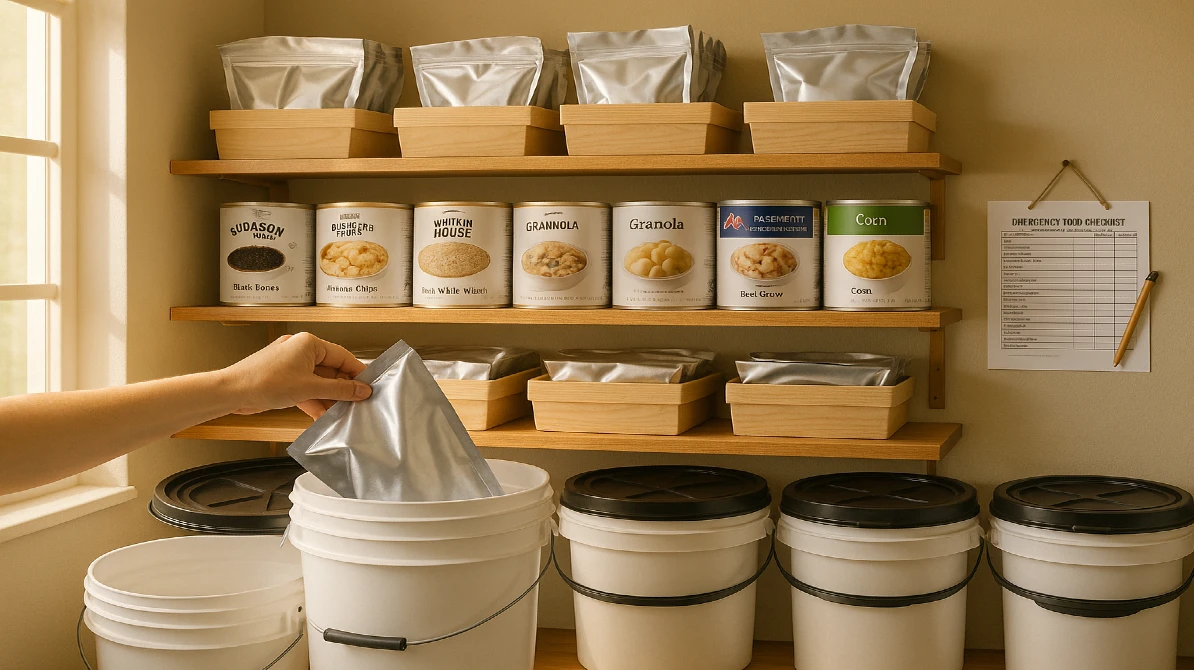
Mylar bags block light, air, and moisture well. They protect dry foods like grains, beans, and pasta. Adding oxygen absorbers removes oxygen inside the bag. This prevents oxidation and insect damage. Seal Mylar bags tightly with a heat sealer or iron. Store them in a cool, dark place for best results.
Ideal Storage Conditions
- Keep emergency food in a cool spot below 75°F (24°C).
- Avoid direct sunlight and areas with high humidity.
- Store food off the floor to prevent pests and water damage.
- Use airtight containers or shelves with good air flow.
Stable temperature and dry air extend food shelf life greatly.
Rotation And Expiration Monitoring
Label packages with the packing date and expiration date. Use a first-in, first-out system to consume older food first. Check food regularly for damage or spoilage signs. Replace expired items promptly to maintain kit readiness. Keep a list of food items and dates for easy tracking.

Credit: trueprepper.com
Nutritional Value In Emergency Foods
Choosing the right foods for emergency kits means more than just long shelf life. Nutritional value is key for survival and health. Foods should support energy, body functions, and recovery during tough times. Careful selection helps avoid nutrient deficiencies and keeps strength up.
Balancing Macronutrients
Emergency foods need a good mix of macronutrients: proteins, fats, and carbohydrates. Proteins help repair tissues and maintain muscles. Fats provide long-lasting energy and support brain health. Carbohydrates give quick energy for immediate needs. A balanced intake keeps the body working well and prevents fatigue.
Vitamins And Minerals Considerations
Vitamins and minerals are vital for immune function and healing. Choose foods rich in vitamin C, vitamin A, and zinc to fight infections. Calcium and magnesium support bones and muscles. Iron prevents anemia and helps carry oxygen. Pack foods with diverse nutrients to cover all essential vitamins and minerals.
Hydration And Electrolyte Sources
Water is critical, but electrolytes keep the body hydrated and balanced. Sodium, potassium, and magnesium regulate fluids and muscle function. Include foods or supplements that help replenish electrolytes. Proper hydration and electrolyte balance prevent cramps, dizziness, and exhaustion.
Special Dietary Needs
Emergency kits must meet all dietary needs to ensure health and safety. Special diets require careful food selection. Foods should last long and stay safe to eat. Planning ahead avoids risks during emergencies. This section covers important options for different diets.
Gluten-free And Allergy-friendly Options
Gluten-free foods avoid wheat, barley, and rye. Choose rice, quinoa, and corn-based products. Store canned beans, nuts, and dried fruits without gluten. Allergy-friendly options exclude common triggers like nuts, dairy, and soy. Select shelf-stable alternatives such as coconut milk or seed butters. Label everything clearly to prevent mistakes.
Vegetarian And Vegan Choices
Plant-based diets need protein and nutrients from non-meat sources. Stock canned lentils, chickpeas, and black beans. Add dried peas and textured vegetable protein. Include shelf-stable plant milks like almond or oat milk. Choose fortified cereals and grains for vitamins. Dehydrated vegetables and fruits provide essential fiber and minerals.
Foods For Children And Seniors
Children need easy-to-eat, nutritious foods. Opt for ready-to-eat cereals, pureed fruits, and fruit snacks. Choose small portions and mild flavors. Seniors may need softer foods with high nutrient density. Select canned soups, stews, and cooked grains. Include easy-open packaging and low-sodium options for health. Hydration aids like electrolyte powders benefit both groups.
Preparing And Using Emergency Food
Having the right emergency food is crucial, but knowing how to prepare and use it effectively can make all the difference. Your emergency kit should include food that lasts long and meets your basic nutritional needs. Equally important is understanding how to handle water, cook without electricity, and plan portions to avoid waste.
Water Requirements And Preparation
Water is essential—not just for drinking but also for preparing many emergency foods. Most long-lasting foods, like dehydrated or freeze-dried meals, need water added before consumption. You should store at least one gallon of water per person per day to cover drinking and cooking needs.
Consider keeping purification tablets or a portable water filter in your kit. These tools allow you to use natural water sources safely. Have you checked your water supply recently to ensure it’s still clean and enough for your needs?
Cooking Without Power
In emergencies, power outages are common, so you must plan for cooking without electricity. A small camping stove or a portable gas burner can be lifesavers. Always test your equipment beforehand to get familiar with its operation and fuel consumption.
Cold meals like canned beans or nut butters can be lifesavers when cooking isn’t possible. You can also prepare foods that don’t require heat, such as ready-to-eat cereals and energy bars. How comfortable are you with cooking in unconventional ways during a crisis?
Portioning And Meal Planning
Emergency food isn’t just about stockpiling; it’s about smart portioning and meal planning. Divide your food into daily meal packs to control intake and reduce waste. This practice also helps in maintaining energy levels consistently.
Plan balanced meals that include proteins, carbohydrates, and fats. For example, combine canned tuna with crackers and dried fruit for a simple, nutritious meal. What meals would keep you satisfied and energized during an emergency?

Credit: trueprepper.com
Frequently Asked Questions
What Foods Have The Longest Shelf Life?
Foods like dried beans, rice, and honey have long shelf lives. Canned meats and dried fruits also last a long time. Proper storage is key to extending their longevity. Keep them in cool, dry places, away from sunlight. Regularly check expiration dates to ensure freshness and safety in emergency kits.
How Do I Store Food For Emergencies?
Store food in airtight containers to prevent spoilage. Keep them in a cool, dry place to extend shelf life. Rotate stock by using older items first and replacing them with new ones. Regularly check expiration dates to ensure all stored food remains safe and consumable during emergencies.
Can Canned Foods Last For Years?
Yes, canned foods can last for years if stored properly. They are sealed to prevent spoilage. Store them in a cool, dry place to maximize their shelf life. Regularly check for any signs of damage or rust. Always inspect cans for bulging or leaks before consuming.
Are Freeze-dried Foods Good For Emergencies?
Yes, freeze-dried foods are excellent for emergencies. They have a long shelf life and retain most nutrients. They are lightweight and easy to store. Just add water to rehydrate and enjoy. Keep them in a cool, dry place for optimal preservation and use during emergencies.
Conclusion
Choosing the right food for emergency kits matters a lot. Foods like canned goods, dried beans, and rice last a long time. They provide energy and nutrients when fresh food is not available. Store food in cool, dry places to keep it safe.
Rotate your supplies regularly to avoid spoilage. Preparedness brings peace of mind during uncertain times. Keep your emergency kit stocked with durable, easy-to-store foods. This simple step can make a big difference in tough situations. Stay ready, stay safe.