When winter hits hard, being prepared can make all the difference between staying safe and facing serious trouble. Imagine being caught in freezing temperatures without the right gear—scary, right?
That’s why having a winter survival kit is not just smart, it’s essential. You’ll discover exactly what you need to pack to protect yourself from cold, snow, and unexpected emergencies. Keep reading, because your safety depends on what’s inside your kit.
Essential Clothing
Essential clothing in a winter survival kit protects the body from cold and wet conditions. It keeps the wearer warm, dry, and comfortable. Choosing the right clothes can prevent frostbite and hypothermia. Clothing must be practical and suitable for harsh weather.
Layering Basics
Layering is key to staying warm. Start with a moisture-wicking base layer. It keeps sweat away from the skin. Add an insulating middle layer for warmth. Fleece or wool work well. The outer layer should block wind and rain. This system allows easy adjustment of body temperature.
Insulated Outerwear
Insulated outerwear provides extra warmth. Look for jackets with down or synthetic fill. They trap heat close to the body. The jacket should be lightweight and easy to move in. A hood adds protection for the head and neck. Choose outerwear that resists wind and moisture.
Waterproof Footwear
Feet need strong protection in winter. Waterproof boots keep feet dry in snow and slush. Insulation inside boots keeps feet warm. Look for boots with good traction to prevent slipping. Wool or thermal socks add extra warmth. Proper footwear helps maintain balance and comfort.

Credit: survivalschool.enduresurvivalkits.com
Shelter And Warmth
Staying protected from cold winds and freezing temperatures is crucial in any winter survival situation. Shelter and warmth are your first line of defense against hypothermia and frostbite. Packing the right gear can make the difference between comfort and danger during harsh weather conditions.
Portable Tents
Portable tents provide a reliable shelter that shields you from snow, wind, and rain. Look for tents that are lightweight but sturdy, designed specifically for winter use with strong poles and durable fabrics. I once survived a sudden snowstorm because my compact four-season tent blocked the biting wind and kept me dry throughout the night.
When choosing your tent, consider how quickly it sets up and its size when packed. Your tent should balance convenience with protection, allowing you to move swiftly if needed. Have you tested your tent in cold weather before heading out?
Emergency Blankets
Emergency blankets are small but incredibly effective items that trap your body heat. These reflective sheets can be folded into a pocket-sized package and added to any survival kit. I always carry one in my backpack because it can double as a ground cover or an extra layer inside your shelter.
They are especially useful when you need quick warmth or to signal rescuers. Keep multiple blankets on hand—they’re light, cheap, and can save your life in extreme cold. What creative ways can you think of to use an emergency blanket in a survival scenario?
Sleeping Bags
A high-quality sleeping bag rated for winter temperatures is essential for long nights outdoors. Choose one with synthetic or down insulation to retain heat effectively. I once spent a freezing night camping, and my insulated sleeping bag kept me warm enough to rest and regain energy for the next day.
Check the temperature rating carefully and consider the bag’s weight and compressibility. A well-chosen sleeping bag can turn a cold night into a manageable challenge. Have you felt the difference a proper sleeping bag makes when the temperature drops drastically?
Food And Water Supplies
Food and water are the lifelines of any winter survival kit. Without proper supplies, staying warm and energized becomes nearly impossible. You must prepare for situations where access to fresh food and clean water is limited or non-existent.
Non-perishable Foods
Choose foods that last long without refrigeration. Canned beans, dried fruits, nuts, and energy bars provide essential nutrients and calories. Freeze-dried meals are lightweight and easy to store, making them perfect for your kit.
Think about packing comfort foods too—sometimes a warm spoonful of soup can boost morale in tough conditions. Avoid anything that melts or spoils quickly. Could you rely on these foods if you were stuck in a snowstorm for days?
Water Purification Methods
Access to clean water is non-negotiable. Carry water purification tablets or a compact filter to make unsafe water drinkable. Boiling water is a sure method, but it requires fuel and time, which you may not always have.
Consider a small UV purifier pen for quick disinfection. Always store extra water in sturdy containers. How would you ensure your water is safe if your main source is a frozen stream?
Portable Cooking Equipment
Cooking equipment lets you prepare hot meals that keep you warm and nourished. A small camping stove or a portable burner is compact and easy to use. Don’t forget lightweight cookware like pots and utensils designed for outdoor use.
Fuel type matters—choose one compatible with your stove and readily available. I once underestimated the importance of a reliable stove during a winter hike, and it made a tough day much harder. What cooking setup would you trust in freezing conditions?
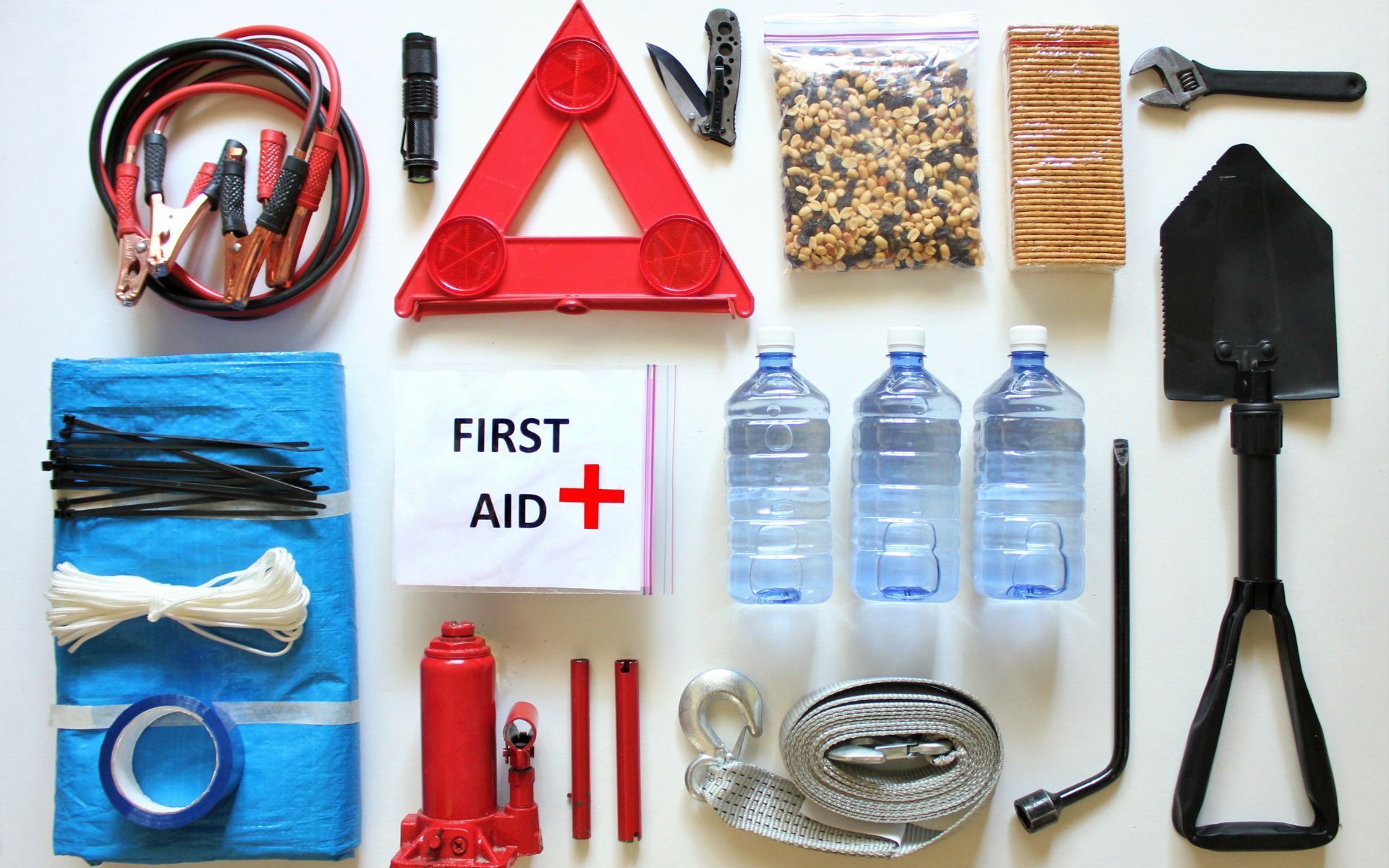
Credit: www.dilawri.ca
Navigation And Communication Tools
Navigation and communication tools are essential in any winter survival kit. They help you find your way and stay connected, which can be critical in emergencies. Without reliable tools, you risk getting lost or isolated in harsh winter conditions.
Maps And Compasses
A detailed map and a sturdy compass are your most reliable backup for navigation. Technology can fail due to cold or battery issues, but paper maps and compasses don’t rely on power. Knowing how to read a topographic map and use a compass can save your life.
I once relied on a compass during a heavy snowstorm when my GPS stopped working. It kept me on track until I found shelter. Have you practiced using a compass recently?
Gps Devices
GPS devices offer precise location information and often come with features like route tracking and emergency alerts. Look for models with long battery life and weather resistance to withstand winter conditions. Always carry extra batteries or a portable charger to keep your GPS powered.
Remember, GPS can be a great tool but don’t depend on it alone. What’s your plan if your device fails when you need it most?
Two-way Radios
Two-way radios provide instant communication between team members without relying on cell towers. They work well in remote areas and during power outages. Choose radios with good range, clear audio, and weatherproof designs for winter use.
When hiking with friends in winter, we stayed connected through radios, which improved safety and coordination. Could having a simple radio make your next winter trip safer?
First Aid And Health Essentials
First aid and health essentials are vital in any winter survival kit. Cold weather can cause injuries and health issues that need quick care. Having the right supplies helps you treat wounds and manage illnesses fast. Staying healthy in harsh conditions is key to survival. A well-stocked kit can make a big difference during emergencies.
Basic First Aid Kit
A basic first aid kit should include essential items for treating minor injuries and wounds. Prepare for cuts, burns, sprains, and blisters with these supplies:
- Adhesive bandages of various sizes
- Sterile gauze pads and adhesive tape
- Antiseptic wipes and ointments
- Elastic bandages for sprains
- Disposable gloves
- Small scissors and tweezers
- Pain relievers such as ibuprofen or acetaminophen
- Thermometer for checking fever
Medications And Prescriptions
Include any personal medications and prescriptions in your kit. Stock enough for several days to cover unexpected delays. Also, keep over-the-counter medicines for common winter ailments:
- Cold and flu remedies
- Allergy medicine
- Anti-diarrheal and antacids
- Extra inhalers for asthma
- Any necessary vitamins or supplements
Personal Hygiene Items
Maintaining hygiene helps prevent infections and illness. Pack compact and practical hygiene items to stay clean in the cold:
- Hand sanitizer
- Antibacterial wipes
- Toothbrush and toothpaste
- Small soap or body wash
- Moisturizing lotion to prevent dry skin
- Feminine hygiene products
Lighting And Power Sources
Light and power are vital in any winter survival kit. Darkness can fall early and last long in winter. Proper lighting helps navigate safely and signals for help if needed. Reliable power sources keep devices running and provide comfort during cold nights.
Flashlights And Lanterns
Flashlights are compact and easy to carry. Choose LED flashlights for bright, long-lasting light. Lanterns provide 360-degree light, ideal for campsites or shelters. Opt for waterproof and shock-resistant models to handle harsh winter conditions.
Batteries And Chargers
Keep extra batteries in your kit. Use alkaline or lithium batteries for better cold resistance. Carry a portable charger to power phones and small devices. Consider a multi-port charger to save space and charge multiple items simultaneously.
Solar Power Options
Solar chargers work well during sunny winter days. They reduce dependence on disposable batteries. Compact solar panels fit easily into backpacks. Some models include built-in batteries for charging when the sun is down. Solar power is a clean, renewable energy source to keep you connected.
Tools And Equipment
Tools and equipment are vital for surviving harsh winter conditions. They provide safety, comfort, and help solve problems quickly. Choosing the right tools can make a big difference in an emergency.
Multi-tools
Multi-tools combine several useful gadgets in one compact device. They often include knives, screwdrivers, scissors, and pliers. Carrying a multi-tool saves space and weight in your kit. It helps with cutting, fixing gear, and preparing food. Always pick a sturdy, reliable multi-tool for winter use.
Snow Shovels
A snow shovel clears pathways and helps build shelters or fire pits. Lightweight and foldable shovels are easy to carry in a survival kit. Use strong materials like aluminum or reinforced plastic for durability. Snow shovels can also assist in freeing stuck vehicles or digging out gear.
Rope And Cordage
Rope and cordage are essential for many tasks in winter survival. They help tie shelters, secure gear, or create makeshift harnesses. Paracord is a popular choice due to its strength and versatility. Always carry extra lengths to cover multiple needs. Dry, tangle-free rope works best in cold, snowy conditions.

Credit: unchartedsupplyco.com
Safety And Signaling Devices
Safety and signaling devices play a vital role in any winter survival kit. They help you get noticed if you are lost or in danger. These tools increase your chances of rescue by sending clear signals to rescuers. Including reliable signaling gear is a smart move for staying safe in harsh winter conditions.
Whistles And Mirrors
Whistles are loud, lightweight, and easy to carry. A few sharp blasts can alert others to your location. They work well when voice calls may not carry far in cold weather. Signal mirrors reflect sunlight to create a bright flash. This flash can be seen from miles away on clear days. Both items require no batteries and are simple to use. Keep them accessible in your survival kit for quick signaling.
Flares And Smoke Signals
Flares produce bright light, visible at night and during low visibility. They can help rescuers find you faster in snow or fog. Smoke signals work best during the day. Thick, colored smoke rises and grabs attention from a distance. Carry flares and smoke canisters in a waterproof container. Use them carefully to avoid starting fires in dry areas. They are powerful tools for emergency signaling.
Reflective Gear
Reflective gear helps increase your visibility in low light. Items like vests, tape, or patches reflect light from flashlights or vehicle headlights. They make it easier for rescuers to spot you at night. Attach reflective strips to your jacket, backpack, or tent. This simple addition improves safety without adding weight. Reflective gear is a smart choice for winter survival kits.
Frequently Asked Questions
What Essential Items Are In A Winter Survival Kit?
A winter survival kit should include water, non-perishable food, a first-aid kit, warm clothing, a flashlight, and fire-starting tools. These essentials help you stay hydrated, nourished, and safe during cold emergencies or outdoor winter activities.
How Do I Choose The Right Clothing For Winter Survival?
Select layered clothing made of moisture-wicking, insulating, and waterproof materials. This combination keeps you dry, warm, and protected from harsh weather conditions in winter emergencies.
Why Is Fire-starting Equipment Crucial In Winter Kits?
Fire provides warmth, light, and a way to cook food or melt snow for water. Reliable fire-starting tools are vital for survival in freezing temperatures and unexpected situations.
How Often Should I Update My Winter Survival Kit?
Update your kit at least once a year or before the winter season. Check expiration dates, replace used or damaged items, and adjust contents based on changing needs or conditions.
Conclusion
A winter survival kit can save your life in cold weather. Pack warm clothes, food, water, and first aid supplies. Keep tools like a flashlight and a knife handy. Staying prepared helps you face emergencies with confidence. Small items make a big difference in tough conditions.
Check your kit regularly and update it as needed. Ready gear means safer winter adventures. Stay safe and keep warm.