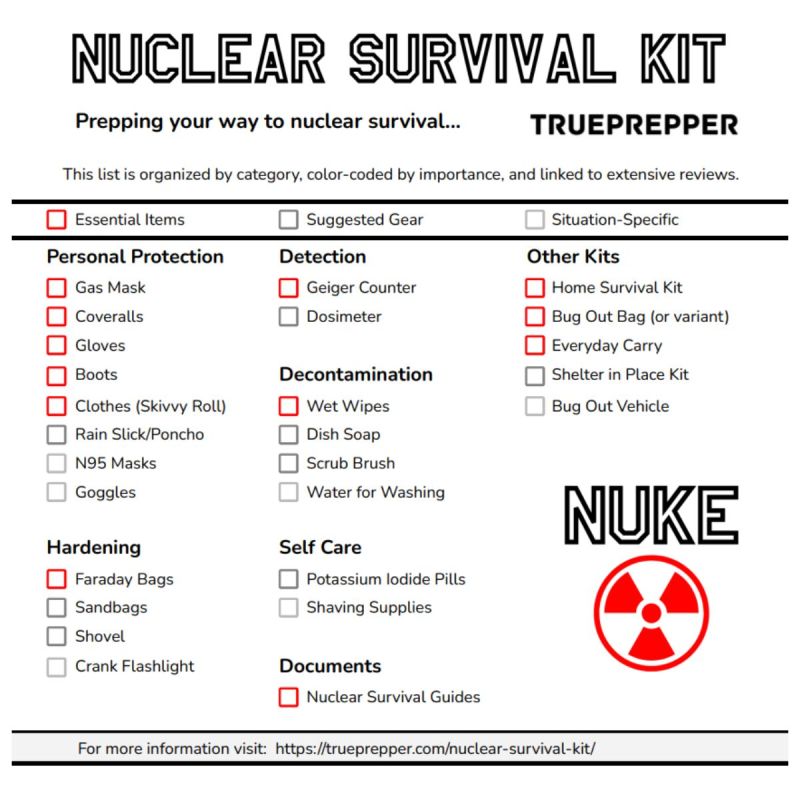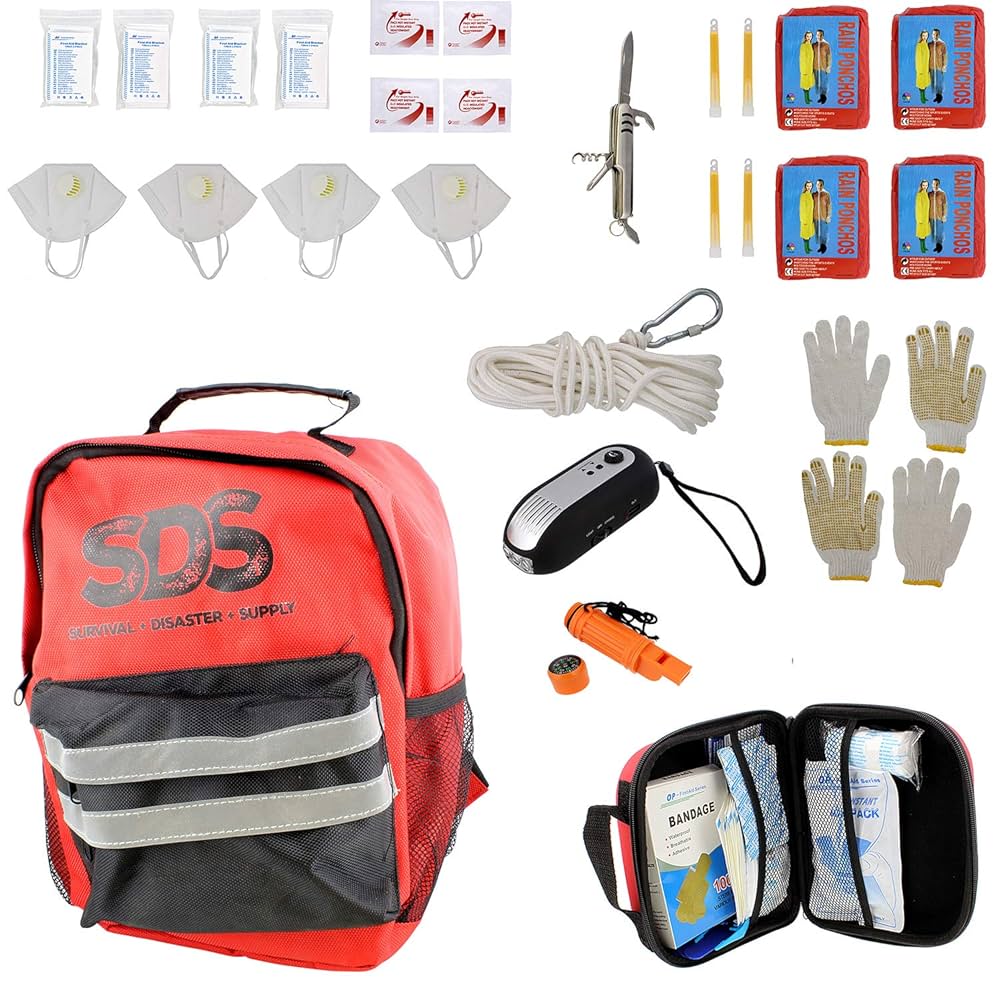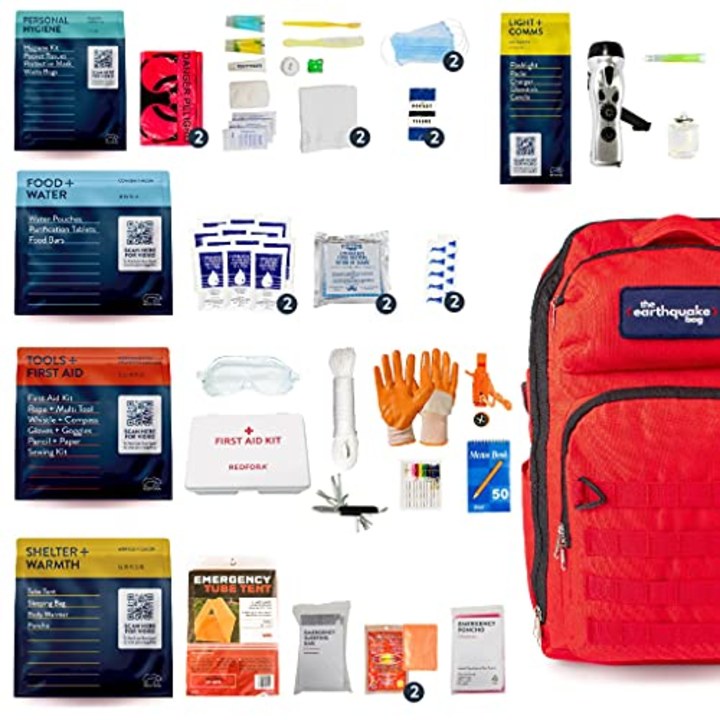
When an earthquake strikes, every second counts. You might have only moments to act, and having the right survival kit can make all the difference for you and your loved ones.
But what exactly should you pack to be truly prepared? Knowing what goes in an earthquake survival kit isn’t just about gathering supplies—it’s about securing your safety and peace of mind when it matters most. Keep reading, and you’ll discover the essential items you need to protect yourself, stay calm, and get through the chaos with confidence.
Basic Supplies
Basic supplies form the core of any earthquake survival kit. They help you stay safe, healthy, and comfortable during emergencies. These essentials support your body and mind until help arrives or conditions improve.
Focus on items that last long and need little preparation. Choose supplies that fit your space and family size. Keep everything organized and easy to find in one place.
Water And Hydration
Water is the most critical supply for survival. Each person needs at least one gallon daily. Store water in clean, sealed containers. Consider water purification tablets or filters for extra safety.
- Store at least three days’ supply per person
- Use sturdy, BPA-free bottles or water bags
- Replace water every six months to keep fresh
Non-perishable Food
Food must last without refrigeration or cooking. Choose items rich in nutrients and easy to eat. Include a mix of canned goods, dried fruits, and energy bars.
- Canned vegetables, beans, and meats
- Dry cereals, nuts, and trail mix
- Ready-to-eat meals and protein bars
- Manual can opener
First Aid Kit
A first aid kit handles injuries and minor health issues. It should cover cuts, burns, and pain relief. Include basic tools and medications for emergencies.
- Bandages, gauze pads, and adhesive tape
- Antiseptic wipes and antibiotic ointment
- Scissors, tweezers, and safety pins
- Pain relievers and allergy medicine
- Disposable gloves and a CPR face shield
Credit: www.nbcnews.com
Tools And Equipment
Having the right tools and equipment in your earthquake survival kit can make a huge difference during an emergency. These items help you navigate dark, unsafe areas, communicate your location, and perform essential tasks. Think about what you might need if the power goes out or if you have to signal for help in a noisy environment.
Flashlights And Batteries
A reliable flashlight is a must-have. It helps you see in the dark, whether you’re checking for damage or finding your way outside. Always pack extra batteries, and consider LED flashlights for longer battery life.
Have you ever been caught without light during a power outage? That moment alone shows why a flashlight isn’t just handy—it’s critical.
Multi-tool And Knife
A good multi-tool or a sturdy knife can help you open cans, cut ropes, or fix broken items. Choose one that feels comfortable in your hand and includes essential tools like pliers, scissors, and a screwdriver.
Remember, in a survival situation, every tool you carry should serve multiple purposes to save space and weight in your kit.
Whistle And Signal Mirror
When you’re trapped or lost, a whistle can alert rescuers without using much energy. A signal mirror reflects sunlight to catch attention from far away, especially during the day.
Could you shout loud enough for help if you were stuck? A whistle or mirror can do the job without draining your voice or energy.
Personal Items
Personal items form the heart of any earthquake survival kit. These essentials help maintain comfort, health, and safety in uncertain times. Packing the right personal items ensures you stay prepared for days without regular access to stores or services. Focus on practical, easy-to-carry items that fit your needs and situation.
Clothing And Footwear
Choose durable, comfortable clothing that suits various weather conditions. Include extra socks and underwear for hygiene. Sturdy shoes protect your feet from debris and rough terrain. A hat shields you from sun and rain. Pack a lightweight jacket for warmth and rain protection.
- Long-sleeve shirts and pants
- Extra socks and underwear
- Sturdy, closed-toe shoes
- Hat or cap
- Lightweight jacket or raincoat
Personal Hygiene Products
Keeping clean prevents illness and boosts morale. Pack items that help maintain basic hygiene without water. Include travel-sized soap, toothbrush, and toothpaste. Feminine hygiene products are essential for women. Hand sanitizer and wet wipes keep hands and surfaces clean.
- Travel soap or body wipes
- Toothbrush and toothpaste
- Feminine hygiene supplies
- Hand sanitizer
- Wet wipes
Medications And Prescriptions
Include all necessary prescription medicines with copies of prescriptions. Carry over-the-counter pain relievers and allergy medicine. Store medications in a waterproof container. Make a list of medicines, doses, and emergency contacts. Renew your supplies regularly to avoid expiration.
- Prescription medications
- Copies of prescriptions
- Pain relievers and allergy medicine
- Waterproof storage container
- List of medicines and doses
Communication And Navigation
After an earthquake, staying connected and finding your way can make all the difference. Communication tools and navigation aids are essential in your survival kit. They help you get information, reach out for help, and move safely if you need to evacuate.
Portable Radio
A portable radio keeps you updated when other communication methods fail. It lets you listen to emergency broadcasts and weather alerts. Choose a battery-powered or hand-crank radio to avoid relying on electricity.
Imagine being in a blackout with no internet or phone signal. A simple radio can be your lifeline to critical news. Make sure your radio has NOAA weather channels and comes with extra batteries.
Maps And Compass
Smartphones can fail, so having physical maps and a compass is smart. Local area maps help you navigate around damaged roads or blocked paths. A compass ensures you keep your bearings even if GPS is down.
Practice using them before an emergency. Knowing how to read a map and use a compass gives you confidence to move safely. Don’t rely solely on digital tools when your safety depends on direction.
Emergency Contact Information
Keep a written list of emergency contacts in your kit. Include family, friends, local emergency services, and out-of-town contacts. Store phone numbers and addresses clearly so you can access them even if your phone dies.
Have you ever lost your phone’s contact list during a crisis? It’s frustrating and isolating. A simple paper copy can connect you back to the people who matter most in tough times.
Shelter And Warmth
After an earthquake, securing shelter and staying warm can be the difference between comfort and danger. Your survival kit should include essential items that protect you from harsh weather and help maintain body heat. Think about how quickly temperatures can drop once the sun sets, especially if you’re outdoors or your home is damaged.
Blankets And Sleeping Bags
Include thick, insulated blankets and a compact sleeping bag in your kit. These items trap your body heat and provide a cozy barrier against cold surfaces. My experience during a chilly night after a quake showed me how a simple thermal blanket made a huge difference in staying warm and rested.
Opt for space blankets or wool blankets since they are lightweight yet effective. Sleeping bags designed for cold weather add extra protection and are easy to carry. Can you imagine trying to rest without something to wrap yourself in when the temperature drops?
Tarp And Rope
A tarp and rope are versatile tools to quickly set up a temporary shelter. Use them to shield yourself from rain, wind, or falling debris. In a survival situation, being able to create a dry, warm area can boost your chances of staying safe.
These items don’t take up much space but offer significant protection. Think about how you would create a makeshift tent or cover with just these two items. Do you have the skills to set up shelter fast when it matters most?
Warm Clothing Layers
Pack several layers of warm clothing that you can add or remove based on the weather. Layering helps trap heat close to your body and keeps you comfortable in fluctuating temperatures. My own kit includes thermal underwear, fleece jackets, and waterproof outer layers to cover all conditions.
Choose materials like wool or synthetic fibers that dry quickly and maintain warmth even when damp. Avoid cotton as it loses insulation when wet. Ask yourself if your current wardrobe can keep you warm if you had to spend a night outside unexpectedly.

Credit: 72hours.ca
Special Considerations
Preparing an earthquake survival kit means thinking beyond the basics. Your kit should reflect the unique needs of everyone in your household. Special considerations ensure you are truly ready for the unexpected and can care for all members, including children and pets.
Items For Children And Pets
Kids need more than just food and water. Add comfort items like their favorite small toy or blanket to help reduce stress during chaos. Include child-friendly snacks, diapers, and wipes if applicable.
Pets are family too. Pack extra pet food, a leash, and any medications your pets require. Don’t forget a portable water bowl and waste bags for sanitary needs.
Cash And Important Documents
Power outages or damaged ATMs can leave you without access to money. Keep a small amount of cash in small bills in a waterproof bag. This can be crucial for buying supplies or transportation.
Important documents like IDs, insurance papers, and medical records should be stored in a waterproof, portable folder. Ask yourself: Can you grab these essentials quickly if you need to evacuate?
Tools For Utilities Shutoff
Knowing how to turn off your utilities can prevent further damage and keep you safer. Include a wrench or pliers designed to shut off gas and water valves. Keep these tools in an easy-to-remember spot.
Practice turning off your utilities with your family ahead of time. This simple action might save your home and lives after a strong earthquake.
Maintenance And Storage
Proper maintenance and storage keep your earthquake survival kit ready at all times. A well-kept kit increases your chances of staying safe. Neglect can lead to expired food, dead batteries, and useless supplies. Regular care ensures everything works when you need it most.
Kit Inspection And Rotation
Check your kit every six months. Look for expired food and water. Replace batteries and medicines as needed. Test flashlights and radios. Rotate items to use older supplies first. This prevents waste and keeps your kit fresh and reliable.
Proper Storage Locations
Store your kit in a cool, dry place. Avoid areas with extreme heat or moisture. Keep it near an exit or main living area. Make sure all family members know where it is. Use waterproof containers to protect supplies from damage.
Personalizing Your Kit
Add items based on your family’s needs. Include prescription medicines and glasses. Pack comfort items for children or pets. Think about special dietary requirements. Personal touches make your kit more useful and comforting during emergencies.

Credit: www.amazon.com
Frequently Asked Questions
What Essentials Are In An Earthquake Survival Kit?
An earthquake survival kit should include water, non-perishable food, flashlight, batteries, first aid kit, and a whistle. Important documents, cash, and a multi-tool are also crucial. Don’t forget a battery-powered radio, sturdy shoes, and a blanket. Customize your kit to fit your personal needs and family size.
How Much Water Should Be In The Kit?
It’s recommended to have at least one gallon of water per person per day. Plan for a minimum of three days. This ensures hydration and sanitation needs are met. Consider storing additional water if space allows. Rotate the stock regularly to maintain freshness and availability.
Can I Include Canned Food In My Kit?
Yes, canned food is a great option for an earthquake survival kit. Choose non-perishable and easy-to-open cans. Ensure you have a manual can opener. Include a variety of items like beans, vegetables, and fruits. Check expiration dates regularly and replace as needed.
Is A First Aid Kit Necessary For Earthquakes?
A first aid kit is essential for treating injuries during an earthquake. It should contain bandages, antiseptic wipes, pain relievers, and any personal medications. Include tweezers and adhesive tape. Regularly check and replenish your kit to ensure all items are up to date and available.
Conclusion
An earthquake survival kit saves lives in emergencies. Keep water, food, and first aid supplies ready. Flashlights and batteries help when power is out. Include important documents and a whistle for help. Check your kit regularly to replace old items.
Prepare now to stay safe and calm later. Small steps make a big difference in disasters. Don’t wait—start building your kit today. Safety begins with simple, smart choices.