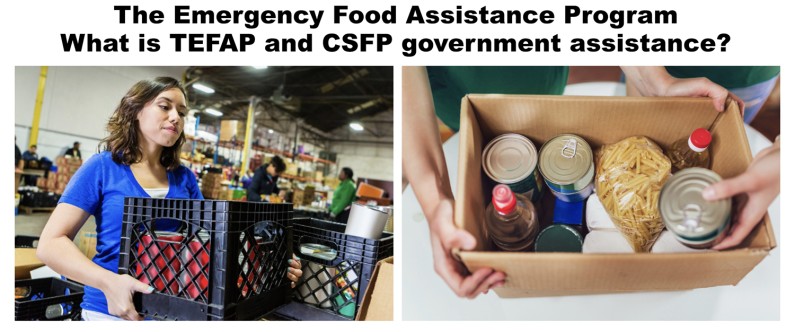
Have you ever wondered what happens when someone suddenly doesn’t have enough food to eat? Emergency food assistance is there to help people like you and me during tough times.
Whether it’s a natural disaster, a job loss, or any unexpected crisis, knowing how emergency food assistance works can make a big difference for you and your loved ones. Keep reading to discover how this support system can provide relief when you need it most—and how you can access it if the time ever comes.
Emergency Food Assistance Basics
Emergency food assistance helps people get food quickly during tough times. It supports families and individuals who face food shortages. This aid often comes from government programs or local charities. It aims to reduce hunger and improve nutrition for those in need.
Understanding the basics of emergency food assistance helps you know what options exist. It also explains who can receive help and how the programs work. This knowledge can be useful for anyone seeking support or helping others.
Types Of Food Assistance
- Food Pantries: Provide groceries for free or at low cost.
- Soup Kitchens: Offer hot meals to eat on site.
- Food Banks: Distribute large amounts of food to local agencies.
- Meal Delivery Services: Send food to people who cannot leave home.
- Emergency Food Boxes: Pre-packed boxes with essential food items.
Who Qualifies For Help
Food assistance targets people with low income or no income. Families with children, seniors, and disabled individuals often qualify. Some programs require proof of income or residency. Others have no strict rules and offer help to anyone in need.
Qualification depends on the type of assistance and location. Some services focus on homeless populations or disaster victims. Understanding eligibility helps applicants prepare necessary documents.
Common Food Assistance Programs
| Program Name | Description | Who It Helps |
|---|---|---|
| Supplemental Nutrition Assistance Program (SNAP) | Provides funds to buy food at stores. | Low-income individuals and families. |
| Women, Infants, and Children (WIC) | Offers healthy food for pregnant women and young children. | Pregnant women, new mothers, and kids under 5. |
| The Emergency Food Assistance Program (TEFAP) | Distributes food through local agencies and food banks. | Low-income households and individuals. |
| School Meal Programs | Free or reduced-price meals for students. | Children from low-income families. |

Credit: thevoiceofafrica.com
How To Access Emergency Food
Accessing emergency food can feel overwhelming, especially if it’s your first time seeking help. Understanding the process can make it easier and less stressful. Knowing where to look and what to prepare helps you get the support you need quickly.
Finding Local Resources
Start by checking community centers, food banks, and religious organizations in your area. Many cities have websites or hotlines dedicated to emergency food assistance. You can also ask at local schools or health clinics—they often know about food programs available near you.
Have you tried searching online with your zip code and terms like “emergency food assistance”? You might be surprised how many options pop up. Local libraries can also provide free internet access if you don’t have it at home.
Application Process
Most emergency food programs require you to fill out a simple application. This might be done online, over the phone, or in person. The process is usually quick, aiming to get you help as soon as possible.
Some programs offer one-time food boxes, while others provide ongoing support. If you plan to use services regularly, ask how often you can apply. Being clear about your needs helps the staff match you with the right assistance.
Required Documentation
You may need to bring proof of identity, such as a driver’s license or ID card. Some programs ask for proof of income or residency to confirm you qualify. Don’t worry if you don’t have all documents; ask the provider what alternatives they accept.
Keeping copies of important papers in a folder makes future visits easier. Have you ever gathered these documents only to find one missing at the last minute? Preparing ahead can save you time and frustration.
Benefits Of Emergency Food Support
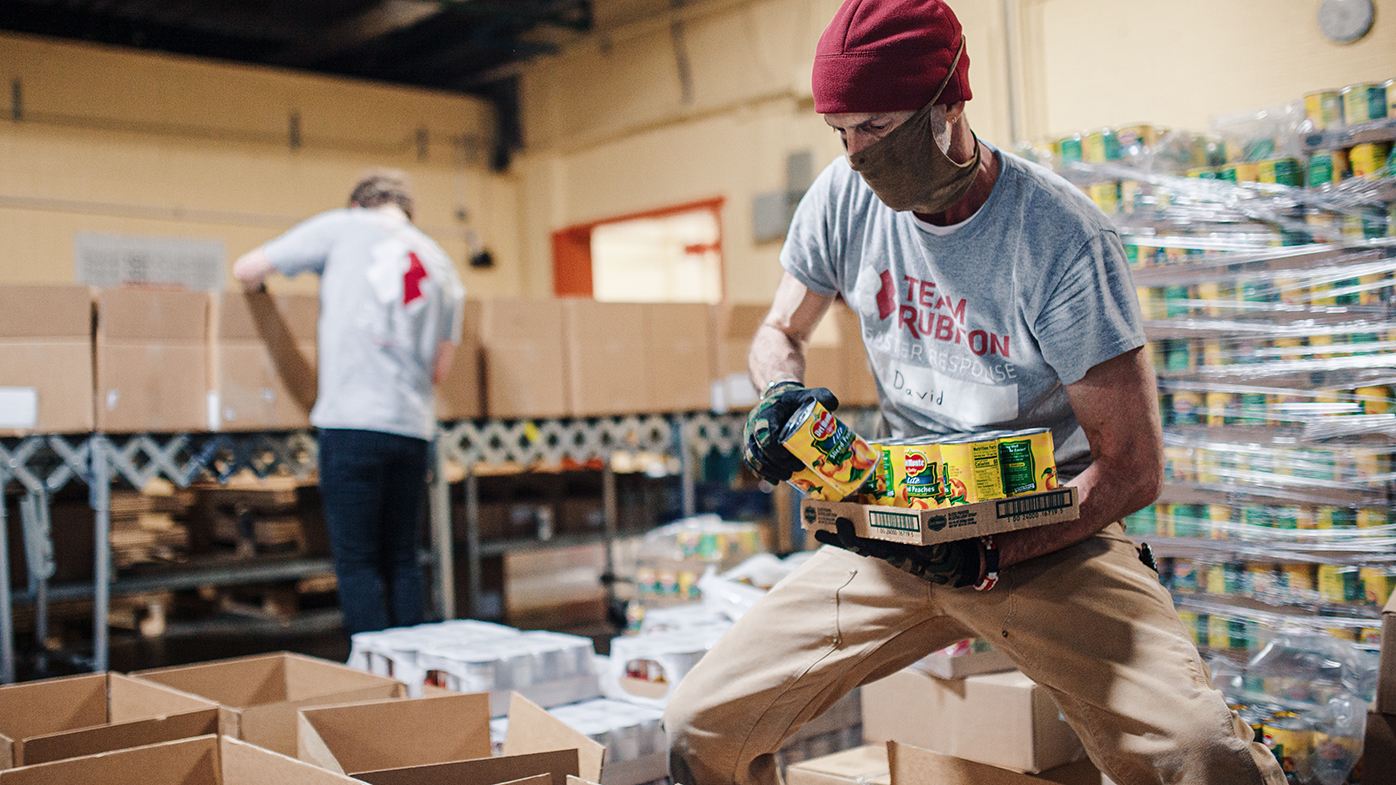
Emergency food support offers more than just a quick meal—it provides a lifeline that can stabilize your life during tough times. Understanding its benefits can help you see why these programs matter so much to individuals and communities facing food insecurity. Let’s look at how emergency food assistance can make a real difference in everyday lives.
Nutritional Impact
Access to emergency food means you don’t have to sacrifice nutrition when money is tight. Many programs provide balanced meals that include fruits, vegetables, proteins, and grains, helping you maintain your health. This support can prevent nutrition-related illnesses and improve energy levels, which are essential for daily functioning.
Have you ever noticed how skipping meals affects your focus or mood? Emergency food support helps you avoid those pitfalls by ensuring consistent access to nourishing options.
Financial Relief
Emergency food assistance reduces the pressure on your budget, freeing up money for other essentials like rent, utilities, or medicine. This relief can prevent a financial domino effect where one missed payment leads to others. By easing this burden, you gain breathing room to plan and stabilize your finances.
Imagine being able to put aside a small amount each week because your food needs are partially covered—how would that change your month?
Community Support
Emergency food programs connect you with a network of caring individuals and organizations ready to help. This sense of community reduces isolation and fosters a feeling of belonging. It’s not just about food—it’s about knowing you’re not alone during difficult times.
Have you experienced how sharing resources with neighbors or local groups can build stronger, more resilient communities? Emergency food support often acts as the starting point for these valuable connections.
Credit: www.bms.com
Challenges In Emergency Food Assistance
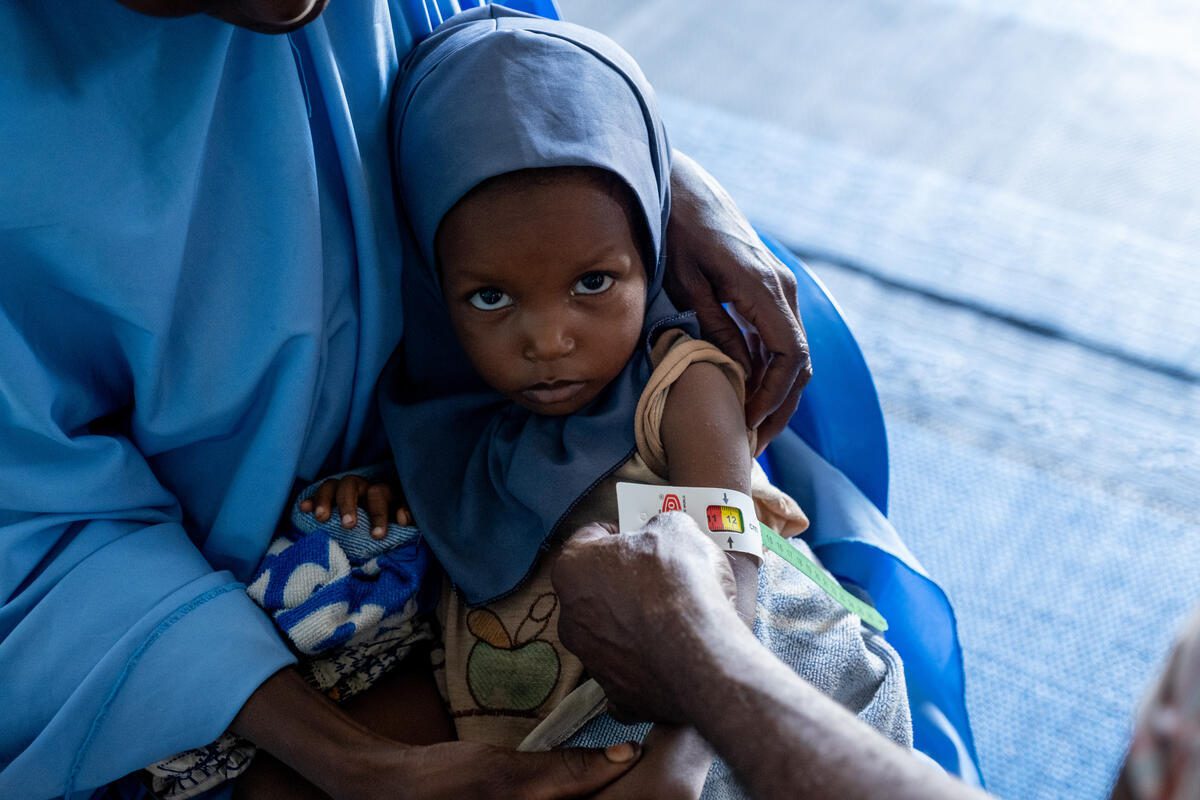
Emergency food assistance plays a vital role in supporting individuals and families during unexpected crises. However, delivering this aid comes with significant challenges that affect how effectively help reaches those in need. Understanding these obstacles can help you appreciate the complexities behind emergency food programs and consider how to improve them in your community.
Supply Limitations
One major challenge is managing limited food supplies. Emergency food providers often face shortages due to sudden spikes in demand or disruptions in supply chains.
This means people might not always get the variety or quantity of food they need. Have you ever wondered how food banks decide who gets what when resources run low?
Balancing perishable and non-perishable items adds another layer of difficulty. Providers must ensure food safety while stretching supplies to serve as many people as possible.
Accessibility Issues
Access to emergency food assistance can be a real hurdle for many individuals. Locations of food distribution centers might be far from where people live, especially in rural areas.
Transportation challenges can prevent people from reaching these centers, leaving them without the help they need. Are there ways your community could make food assistance more reachable?
Operating hours and eligibility criteria also affect accessibility. If centers are open during work hours only, some individuals may find it impossible to visit.
Stigma And Awareness
Many people hesitate to seek emergency food help due to stigma. The fear of being judged or labeled can keep individuals from accessing vital resources.
Awareness is another issue—some don’t know these services exist or how to apply. What if a simple outreach program could change lives by spreading the word?
Building trust and normalizing the use of emergency food assistance are essential steps. Your voice can help reduce stigma and encourage others to get the support they deserve.
Tips For Maximizing Assistance
Maximizing emergency food assistance helps stretch resources and reduce stress. Simple strategies improve food use and support during tough times. These tips ensure you get the most from available help.
Combining Resources
Use multiple sources of food aid to increase variety and quantity. Visit local food banks, community centers, and government programs. Check eligibility for benefits like SNAP or WIC. Pooling resources prevents shortages and adds meal options.
Meal Planning With Assistance
Plan meals based on the foods received from assistance programs. Create a weekly menu to avoid waste. Use leftovers creatively to make new dishes. Prioritize nutritious items like canned vegetables, grains, and proteins. Planning saves time and ensures balanced meals.
Staying Informed On Updates
Keep up with changes in food assistance programs. Sign up for newsletters or alerts from local agencies. Attend community meetings or follow trusted social media pages. Awareness helps access new resources and avoid missing deadlines.
Credit: www.wfpusa.org
Frequently Asked Questions
What Is Emergency Food Assistance?
Emergency food assistance provides temporary food aid to individuals facing hunger due to unforeseen circumstances. It helps those affected by disasters, economic hardships, or sudden unemployment. Programs can include food banks, soup kitchens, and government initiatives. These services aim to ensure no one goes hungry during critical times.
Who Qualifies For Emergency Food Aid?
Eligibility for emergency food aid varies by program and region. Typically, individuals or families experiencing financial distress, job loss, or natural disasters qualify. Some programs may have specific income thresholds. It’s best to contact local food assistance providers to understand their specific criteria and application process.
How Can I Access Emergency Food Services?
To access emergency food services, you can contact local food banks, religious organizations, or community centers. Many have online directories or helplines to assist you. Additionally, government websites provide information on available programs. It’s essential to check the requirements and documentation needed before visiting.
What Types Of Food Are Provided?
Emergency food assistance typically includes non-perishable items like canned goods, pasta, and rice. Some programs offer fresh produce, dairy, and meats when available. The focus is on providing nutritious, balanced meals. Specific offerings depend on donations and resources available to the organization providing assistance.
Conclusion
Emergency food assistance helps people in tough times. It provides meals and nutrition quickly. Many communities rely on these programs to stay healthy. Knowing about these services can bring hope and support. Everyone deserves access to food during emergencies. Helping neighbors creates stronger, caring communities.
Stay informed and share this knowledge with others. Together, we can make sure no one goes hungry. Emergency food aid is a vital resource for many. It brings relief when people need it most.


