When an emergency strikes, having the right food stocked can make all the difference. You want to be sure your family stays safe, healthy, and comfortable, even when supplies run low.
But what exactly should you keep on hand? Choosing the best emergency foods isn’t just about filling shelves—it’s about preparing smartly for the unexpected. You’ll discover practical tips to build a food supply that lasts, tastes good, and fuels your body when you need it most.
Keep reading to learn how to turn your pantry into a reliable lifeline.
Choosing Long-lasting Staples
Choosing long-lasting staples is the foundation of any effective emergency food supply. These foods need to stay fresh for months or even years, so you don’t have to worry about constant replacements. They also provide essential nutrients and energy during uncertain times, making them practical and dependable choices.
Grains And Legumes
Grains like rice, oats, and quinoa can last for years if stored properly in airtight containers. They are easy to cook and versatile for many recipes.
Legumes such as beans, lentils, and chickpeas are excellent protein sources that can also be stored long-term. Buying them in bulk saves money and ensures you have a steady supply.
Have you considered how simple it is to prepare a hearty meal from just rice and beans? These staples can keep you nourished and satisfied during emergencies.
Canned Goods
Canned vegetables, fruits, and meats offer convenience and long shelf life, typically lasting 1-5 years. They require no refrigeration and are ready to eat after heating.
Look for low-sodium and BPA-free cans to keep your food healthier. Rotate your stock regularly by using older cans first to avoid waste.
Think about how much time you’ll save when you don’t have to chop or cook raw ingredients in a crisis—canned goods bring ease and reliability.
Dehydrated And Freeze-dried Foods
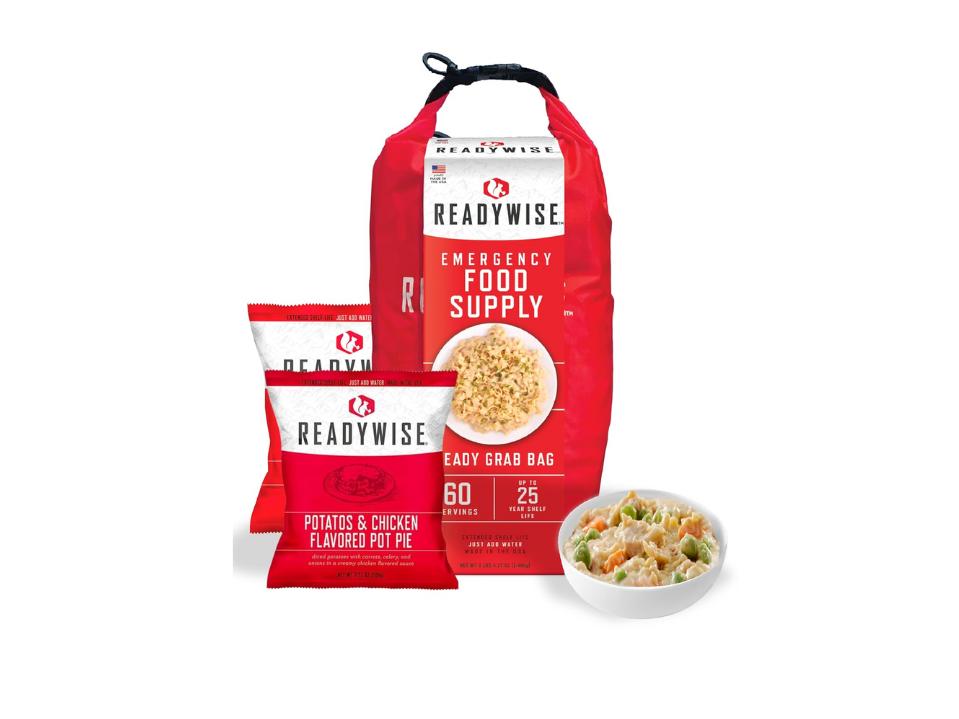
Dehydrated and freeze-dried foods retain most of their nutrients and can last for 10 years or more. They are lightweight, making them ideal for limited storage spaces.
These foods just need water to rehydrate, which is perfect if you want to minimize cooking time. Popular options include fruits, vegetables, and even full meals.
Have you tried freeze-dried meals on a camping trip? Their taste and texture often surprise people, proving they are a smart choice for emergencies.
Selecting Nutrient-dense Options
Selecting nutrient-dense foods is vital for emergency preparedness. Nutrient-dense options provide essential vitamins, minerals, and energy. They help maintain health and strength during tough times. Choose foods that last long and offer balanced nutrition.
Protein Sources
Protein helps repair tissues and supports the immune system. Choose shelf-stable proteins like canned tuna, chicken, and salmon. Dried beans, lentils, and peas offer plant-based protein and fiber. Powdered milk and protein powders are good backups. These options store well and provide energy.
Fruits And Vegetables
Fruits and vegetables supply vitamins and antioxidants. Opt for canned or freeze-dried varieties. These keep nutrients longer than fresh options. Look for low-sodium or no-sugar-added cans. Dried fruits like raisins and apricots give quick energy. Vegetables like carrots, spinach, and peas work well.
Healthy Fats
Healthy fats support brain function and energy storage. Stock nuts such as almonds and walnuts in airtight containers. Seeds like chia, flax, and sunflower add omega-3 fatty acids. Olive oil and coconut oil last long and cook well. Avoid trans fats and heavily processed oils.
Considering Dietary Restrictions
Choosing emergency food requires careful thought about dietary needs. Different people have different requirements. Stocking food that fits everyone’s diet is important. This helps avoid health risks and food waste. Planning for dietary restrictions ensures safety and comfort during emergencies.
Allergies And Intolerances
Food allergies can cause serious reactions. Common allergens include nuts, dairy, eggs, and gluten. Avoid foods that trigger allergies in your group. Label foods clearly to prevent mistakes. Have alternatives ready for those with intolerances, like lactose-free or gluten-free items.
Vegetarian And Vegan Choices
Plant-based diets need special attention in emergencies. Stock protein-rich foods like beans, lentils, and tofu. Include canned vegetables and fruits for variety. Look for fortified foods to provide vitamins and minerals. Nuts and seeds offer healthy fats and energy.
Special Health Needs
Some people require low-sodium, low-sugar, or diabetic-friendly foods. Choose items that meet these needs to maintain health. Include easy-to-digest foods for sensitive stomachs. Keep medications or supplements handy if needed. Planning for special needs keeps everyone safe and nourished.

Credit: www.forbes.com
Storage And Preservation Tips
Storing food for emergencies isn’t just about having enough supplies; it’s about keeping them safe and fresh until you need them. Proper storage and preservation can extend the shelf life of your food and prevent waste. Let’s look at some practical tips that make a real difference in how your emergency food holds up over time.
Proper Containers
Choosing the right containers is key to protecting your food from moisture, pests, and air. Airtight containers made of glass, heavy-duty plastic, or metal are excellent choices. Mason jars, vacuum-sealed bags, and Mylar bags with oxygen absorbers work especially well for grains, beans, and dehydrated foods.
Have you noticed how food stored in flimsy plastic bags often loses its texture or flavor? That’s why investing in sturdy containers can save you money and stress later. Label each container with the contents and date to keep track easily.
Ideal Storage Conditions
Temperature, humidity, and light all affect how long your food stays good. Keep your storage area cool, dry, and dark—ideally between 50°F and 70°F with less than 60% humidity. Basements or closets away from heat sources work well.
Have you ever found a can of food swollen or leaking? That’s a sign of poor storage conditions or spoilage. Avoid storing food near chemicals or cleaning supplies to prevent contamination.
Rotation And Shelf Life
Food stored for emergencies should be used and replaced regularly. Follow the “first in, first out” rule to make sure older items get used before newer ones. This helps you avoid unpleasant surprises when you finally need the food.
Keep a simple list or inventory with expiration dates to remind you when to rotate stock. Some foods like rice and dried beans can last for years, while others like canned vegetables or powdered milk need to be replaced more often.
Water And Beverage Essentials
Water is the most critical resource in any emergency food stockpile. Without enough clean water, your stored food won’t be as useful, and your health could suffer quickly. Understanding how to store water, find alternatives, and treat water safely can make all the difference when access to fresh water is limited.
Water Storage Methods
You need to store enough water for drinking, cooking, and hygiene. Aim for at least one gallon per person per day for a minimum of three days.
- Use food-grade water containers:Plastic jugs designed for water storage are best because they don’t leach chemicals.
- Store tap water:Fill clean containers directly from your tap and seal tightly.
- Rotate your water supply:Replace stored water every six months to keep it fresh.
Have you checked the seals on your stored water lately? A small leak can ruin your entire supply.
Hydration Alternatives
If you run low on stored water, other beverages can help keep you hydrated. Some offer added calories and nutrients too.
- Sports drinks:Provide electrolytes but watch for high sugar content.
- Powdered drink mixes:Easy to store and rehydrate, but check expiration dates.
- Tea and coffee:Can be comforting and hydrating, but avoid too much caffeine.
Think about what you and your family enjoy drinking daily. Those familiar flavors can boost morale during tough times.
Safe Water Treatment
Sometimes, your stored water may run out, or you might find a water source that needs treatment. Knowing how to make water safe is crucial.
- Boiling:Boil water for at least one minute to kill bacteria and viruses.
- Water purification tablets:These are lightweight and last long but follow instructions carefully.
- Filtration systems:Portable filters can remove dirt and many contaminants, but not all viruses.
Do you have a reliable way to treat water if your main supply runs dry? Testing and practicing these methods now can save you stress later.
Emergency Cooking Solutions
Emergency cooking solutions are vital for times without electricity or gas. These options help you prepare meals safely and easily. Planning what to cook and how to cook it can reduce stress during emergencies.
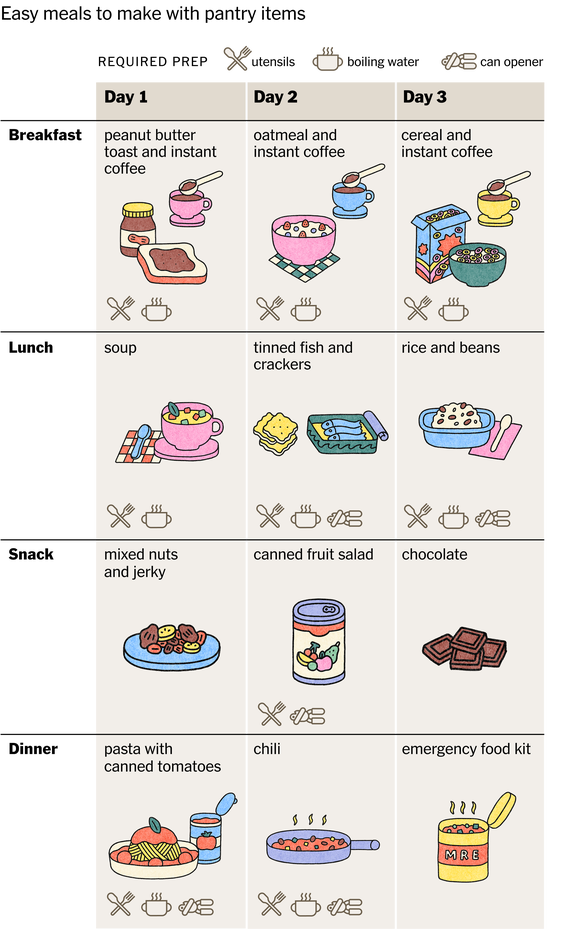
No-cook Meal Ideas
No-cook meals require no heat or special equipment. They save time and fuel. Stock foods like:
- Canned tuna or chicken
- Peanut butter and jelly
- Ready-to-eat cereals
- Crackers and bread
- Dried fruits and nuts
- Pre-packaged salads
These meals offer nutrition and energy without cooking. Perfect for quick, easy eating.
Portable Cooking Equipment
Portable cooking devices work well when power is out. Consider these options:
- Camping stoves with small gas canisters
- Portable charcoal grills
- Electric kettles (for use with generators)
- Solar ovens for sunny days
- Small propane burners
Choose lightweight, compact tools for easy storage and transport. Check safety instructions before use.
Fuel Storage
Keep extra fuel for your cooking devices. Store fuels safely in cool, dry places. Types of fuel include:
- Propane canisters
- Butane cartridges
- Charcoal briquettes
- Firewood (if using open flame grills)
- Alcohol fuel tablets
Use proper containers designed for fuel storage. Follow local laws and guidelines to prevent accidents.
Building A Balanced Food Supply
Building a balanced food supply is essential for any emergency preparedness plan. It ensures you have enough nutrients and energy to stay healthy and strong. A well-planned stock helps avoid boredom and stress during tough times. It also reduces waste by using food efficiently.
Meal Planning
Plan meals that use shelf-stable ingredients and fresh food when possible. Think about simple recipes that need few ingredients. Prepare a list of meals for breakfast, lunch, and dinner. Include snacks and drinks to keep energy levels up. Rotate your stock to keep food fresh and avoid spoilage.
Calorie Requirements
Each person needs enough calories to maintain health and energy. Adults generally require 1,800 to 2,500 calories daily. Children and seniors may need less. Include calorie-dense foods like nuts, rice, and dried beans. Avoid foods high in sugar and empty calories. Balance calories with nutrients for long-term health.
Variety And Morale
Eating the same foods can lower morale quickly. Stock a variety of flavors and textures to keep meals interesting. Include canned vegetables, fruits, grains, and protein sources. Add spices and condiments for taste. Variety boosts mood and helps maintain a positive attitude during emergencies.
Credit: www.forbes.com

Credit: www.hawaiianelectric.com
Frequently Asked Questions
What Are The Best Non-perishable Foods?
Non-perishable foods like canned beans, dried pasta, and rice are essential for emergencies. They have long shelf lives and provide essential nutrients. Canned fruits and vegetables offer vitamins, while peanut butter provides protein. These foods require minimal preparation and can sustain you during emergencies.
How Much Water Should I Store?
Store at least one gallon of water per person per day. It’s recommended to have a two-week supply. Water is crucial for drinking, cooking, and sanitation. Ensure that your stored water is in clean, sealed containers to prevent contamination.
Can I Store Fresh Produce For Emergencies?
Fresh produce is not ideal for long-term emergency storage. Instead, opt for canned or dried fruits and vegetables. These alternatives have longer shelf lives and retain essential nutrients. If fresh produce is necessary, consume it first to prevent spoilage.
Are There Vegetarian Emergency Food Options?
Yes, there are plenty of vegetarian emergency food options. Stock up on canned beans, lentils, and legumes for protein. Dried fruits, nuts, and grains like quinoa and oats provide essential nutrients. These foods are shelf-stable and can be easily prepared during emergencies.
Conclusion
Stocking the right food helps you stay safe during emergencies. Choose items that last long and provide good nutrition. Think about easy-to-cook meals and snacks. Rotate your supplies to keep everything fresh. Water and canned goods are must-haves. Don’t forget comfort foods to boost morale.
Planning ahead reduces stress when disaster strikes. Start small and build your emergency food supply over time. Stay prepared, stay calm, and take control of your safety.


