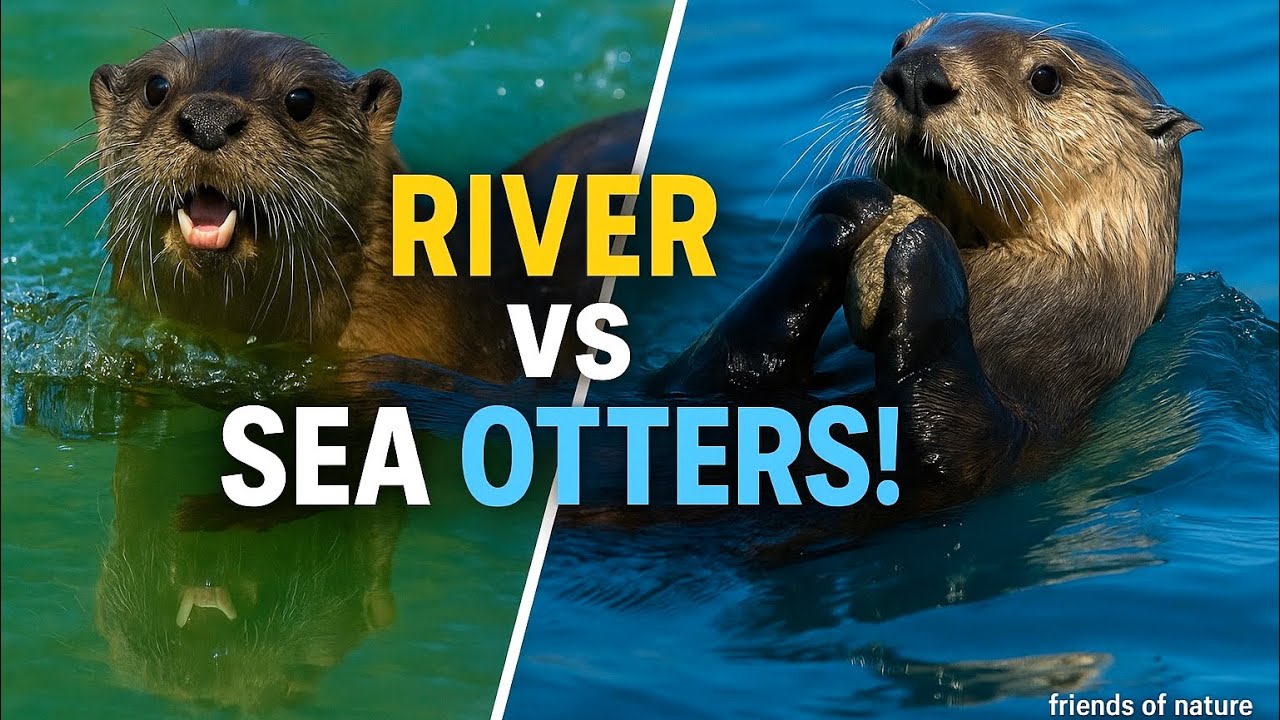
Have you ever wondered how the clear water you enjoy at your favorite lake or river affects the animals living there? Especially otters, those playful creatures you might spot swimming or sliding along the banks.
The clarity of water isn’t just about beauty—it plays a crucial role in whether otters can find food, stay safe, and thrive. Understanding this connection can change the way you see the waterways around you and highlight why protecting water clarity matters more than you might think.
Keep reading to discover how the simple quality of water clarity can make a big difference in otter survival—and what that means for your local environment.

Credit: www.youtube.com
Water Clarity And Otter Habitat
Water clarity plays a vital role in shaping otter habitats. Clear water allows otters to see their surroundings better. This visibility affects where otters choose to live and hunt. Turbid or murky water can limit their ability to thrive in certain areas. The quality of their habitat directly ties to how clear the water is.
Impact On Foraging Efficiency
Otters rely on sharp vision to catch prey underwater. Clear water helps them spot fish and crustaceans quickly. When water is murky, otters struggle to find food. This reduces their hunting success and energy gained. Clear water leads to better foraging and stronger otters.
Effects On Predator Avoidance
Otters must watch for predators like alligators and large birds. Clear water helps otters detect danger early. In cloudy water, predators can approach unnoticed. This increases the risk of attacks. Good water clarity improves otters’ chances of staying safe.
Factors Influencing Water Clarity
Water clarity plays a crucial role in the survival of otters. It affects their ability to hunt, avoid predators, and navigate their environment. Understanding what influences water clarity helps you see how delicate this balance truly is.
Natural Causes
Water clarity naturally changes due to several environmental factors. Sediment from riverbanks or lake beds stirs up after heavy rains or strong currents, making the water murkier. Algae growth, which varies with seasons and sunlight, can also cloud the water.
Have you ever noticed how a sudden storm can turn clear water into muddy streams? That’s nature at work, constantly shifting the clarity in ways otters must adapt to. These natural fluctuations are part of the otter’s world, but extreme changes can challenge their survival.
Human Activities
Human actions often worsen water clarity beyond natural levels. Construction and deforestation near water bodies increase soil erosion, sending more sediment into the water. Pollution from chemicals and waste fuels algae blooms that block sunlight and reduce oxygen.
Think about the last time you saw a river near a busy road or factory. Chances are, the water wasn’t crystal clear. These changes affect otters directly by limiting their hunting grounds and increasing the difficulty of spotting prey. You can help by supporting efforts to reduce runoff and pollution in local waterways.
Otter Behavior In Different Water Conditions
Otters adapt their behavior based on water clarity. Their survival depends on how they interact with their environment. Water clarity affects hunting, movement, and safety. Different water conditions lead to varied otter behaviors. Understanding these behaviors reveals the link between water quality and otter survival.
Adaptations To Turbid Waters
Otters living in murky water use their other senses more. They rely heavily on touch and smell to find food. Their whiskers help detect movement in dark water. Hunting becomes more about feeling than seeing.
These otters may dive deeper to find prey. They move slowly to avoid startling fish. Communication shifts to sounds and vibrations. This helps them stay together and alert.
Preferences For Clear Waters
Clear water offers otters a visual advantage. They spot prey quickly and plan their attack. Otters prefer clear streams and lakes for hunting. Visibility helps them avoid predators and dangers.
In clear water, otters swim fast and use sharp eyesight. They hunt during the day when light is best. These conditions support higher success in catching food.

Credit: seaotterfoundationtrust.org
Consequences For Otter Population Health
Water clarity plays a vital role in otter population health. Clear water allows otters to hunt more effectively and avoid predators. Poor water quality can disrupt their daily activities and stress their bodies. This stress affects their ability to reproduce and survive. Understanding these consequences helps us protect otter habitats better.
Reproductive Success
Clear water improves otters’ chances to find food and raise young. Otters rely on good vision to catch fish and other prey. When water is murky, their hunting success drops. Less food means weaker mothers and fewer offspring. Polluted water also harms otters’ health, reducing fertility. Clean habitats support stronger families and higher birth rates.
Mortality Rates
Otters face higher death rates in unclear water. Poor visibility increases risks from predators and accidents. Toxic substances in dirty water cause diseases and weaken immune systems. Sick otters struggle to survive harsh conditions and find food. Clear water environments reduce these dangers. Healthy water means longer lives and stable populations.
Conservation Strategies
Conservation strategies play a key role in supporting otter survival. Clear water helps otters find food and avoid predators. Protecting their habitat and improving water quality are vital steps. These efforts increase the chances for otters to thrive in their natural environment.
Improving Water Quality
Reducing pollution is essential to keep water clear. Controlling agricultural runoff prevents harmful chemicals from entering rivers and lakes. Wastewater treatment plants must remove contaminants before releasing water. Planting vegetation near water bodies helps filter sediments. Community clean-up programs reduce trash that clouds water.
Clear water improves visibility for otters. They can hunt fish more easily. Better water quality supports fish populations, providing stable food sources. Regular monitoring of water conditions helps detect problems early. Effective policies enforce limits on pollutants and protect water health.
Habitat Protection Measures
Preserving natural habitats ensures otters have safe living spaces. Protecting riverbanks and wetlands prevents erosion and sediment buildup. Restoring damaged habitats creates better shelter and breeding areas. Establishing protected zones limits human disturbance. These zones act as safe havens for otters.
Building wildlife corridors connects fragmented habitats. Otters can move freely to find food and mates. Educating communities about otter needs reduces conflicts. Encouraging responsible fishing prevents accidental harm to otters. Together, these actions maintain a healthy ecosystem for otters.
Credit: medium.com
Frequently Asked Questions
How Does Water Clarity Affect Otter Survival?
Water clarity is crucial for otters as it impacts their hunting efficiency. Clear water allows otters to see and catch prey more easily. Cloudy water can reduce their hunting success, affecting their nutrition and overall survival.
Why Is Water Clarity Important For Otters?
Water clarity is vital for otters because it influences their ability to find food. Clear water helps otters spot fish and other prey quickly. When water is murky, it becomes challenging for them to hunt, which can threaten their survival.
Can Poor Water Clarity Harm Otters?
Yes, poor water clarity can harm otters by making hunting difficult. When water is murky, otters struggle to find food, leading to malnutrition. This can weaken their health and lower their chances of survival in the wild.
What Factors Influence Water Clarity For Otters?
Several factors influence water clarity, including pollution, sediment runoff, and algae growth. Human activities like agriculture and construction can increase sediment, reducing clarity. Maintaining clean, clear water is essential for otter habitats.
Conclusion
Clear water helps otters find food and stay safe. Dirty or murky water makes hunting harder for them. Otters need good water quality to live and grow. Protecting water clarity supports healthy otter populations. Clean rivers and lakes mean stronger otters in the wild.
Keeping water clear benefits many animals, not just otters. Everyone can help by reducing pollution and saving habitats. Healthy water means a better future for otters and nature.


