When disaster strikes, having the right emergency food supply can make all the difference for you and your loved ones. But with so many options out there, how do you find the best value without wasting money or space?
You want food that lasts, tastes good, and gives you the energy you need when it matters most. You’ll discover exactly what to look for in an emergency food supply to get the most bang for your buck. Stick with me, and you’ll feel confident about your next purchase—ready for anything life throws your way.

Credit: trueprepper.com
Criteria For Best Value
Choosing the best value in an emergency food supply goes beyond just picking the cheapest option. You need to weigh several factors that together determine whether your purchase will truly serve you when it counts. Knowing what to look for helps you avoid wasting money on food that doesn’t last, isn’t nutritious, or is difficult to prepare under stress.
Cost Per Serving
Understanding the cost per serving is crucial because it shows the real value of what you’re buying. A low upfront price might seem attractive, but if the servings are small or the food spoils quickly, you end up paying more in the long run. Calculate the price based on the number of meals or calories to compare options fairly.
Have you ever bought a bulk package only to realize it didn’t stretch as far as you hoped? That’s why breaking down the cost per serving saves money and frustration.
Shelf Life
Shelf life matters a lot in emergencies where food might sit unused for months or years. The longer the shelf life, the less often you’ll need to replace your stock, which saves you time and money. Look for foods sealed in airtight packaging or vacuum-sealed cans to maximize longevity.
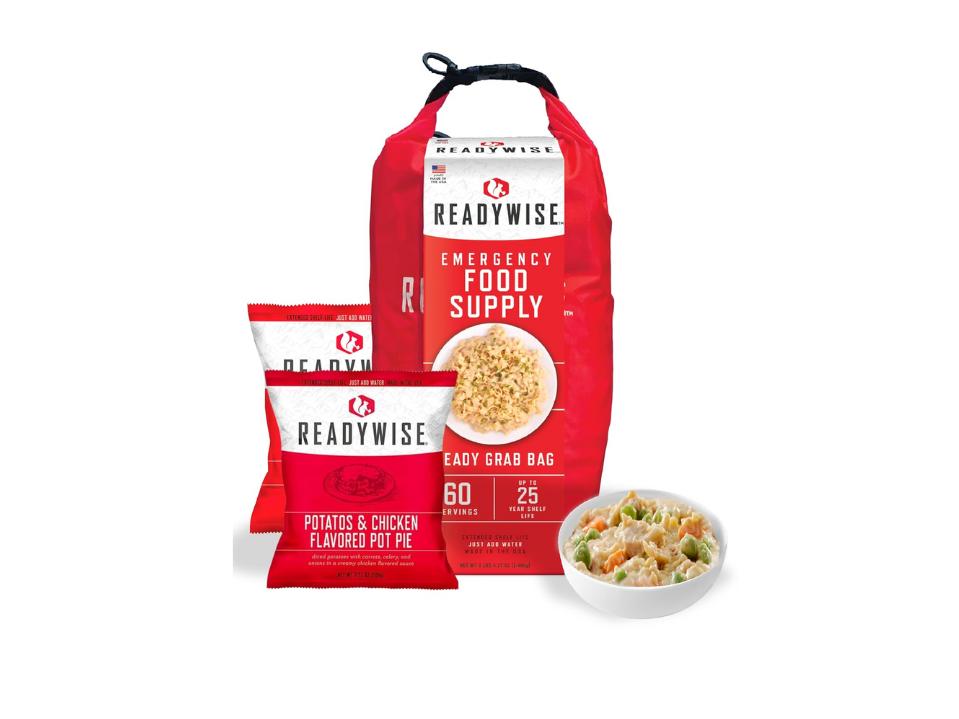
Remember, a 25-year shelf life doesn’t just mean you can store it—it means you can rely on it when the unexpected happens.
Nutritional Content
Emergency food isn’t just about filling your stomach; it needs to fuel your body properly. Look for balanced nutrition with adequate proteins, fats, carbohydrates, and essential vitamins and minerals. Some survival foods focus too much on calories but lack nutrients that keep you healthy and alert.
Think about how you feel after eating something that’s high in sugar but low in nutrients—your energy crashes quickly. Your emergency food should keep you sustained and strong.
Ease Of Preparation
When disaster strikes, your energy and time are limited. Food that requires minimal preparation, such as just adding water or heating briefly, can be a lifesaver. Complex cooking methods or needing multiple ingredients add stress and reduce your chances of eating on time.
Consider your situation: will you have access to clean water, fuel, or cooking tools? Choose foods that match your realistic preparation capabilities to avoid unnecessary hassle.
Credit: readywise.com
Types Of Emergency Food Supplies
Emergency food supplies come in different types. Each type has unique features and benefits. Choosing the right kind depends on storage space, shelf life, and ease of preparation.
Understanding these types helps in picking the best value for your needs. Here are the main categories of emergency food supplies.
Freeze-dried Meals
Freeze-dried meals keep most nutrients and flavor. They weigh very little and last for many years. Just add water to rehydrate. These meals are easy to store and carry.
Dehydrated Foods
Dehydrated foods remove moisture to prevent spoilage. They are lighter than canned foods but heavier than freeze-dried. Cooking time may be longer. These foods keep well in sealed containers.
Canned Goods
Canned goods are ready to eat or require little cooking. They have a long shelf life and are durable. However, they are heavier and take more storage space. Canned foods come in many varieties.
Mres (meals Ready To Eat)
MREs are complete meals used by military and campers. They include an entree, side dishes, and snacks. No cooking needed; just open and eat. MREs have a moderate shelf life and are convenient.
Top Picks For Freeze-dried Meals
Freeze-dried meals are a smart choice for emergency food supplies. They last long, weigh little, and keep nutrients well. These meals are easy to store and prepare. Just add water, and you have a hot meal fast. Picking the right freeze-dried meal can save money and provide good nutrition. Here are some top options to consider.
Popular Brands
- Mountain House: Trusted for years with many meal choices.
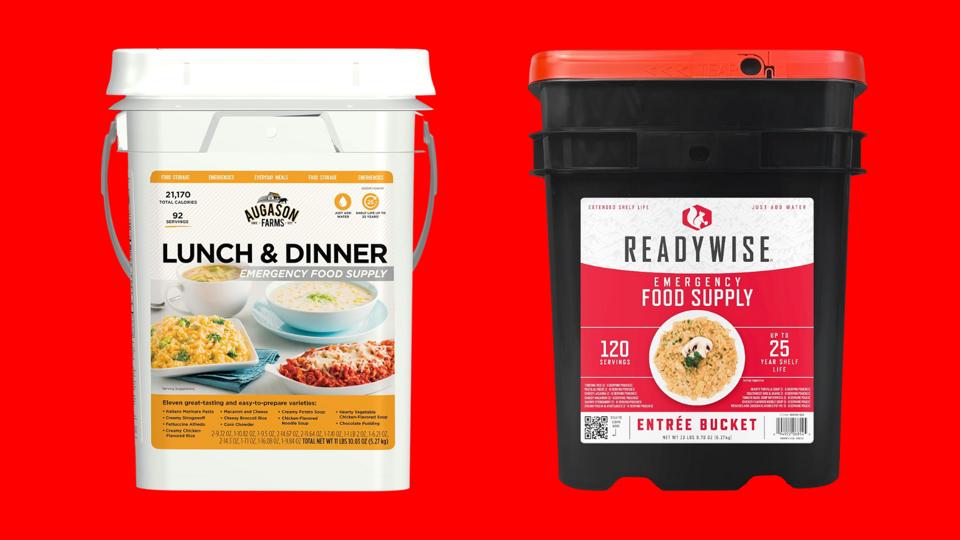
- Augason Farms: Offers large portions and good variety.
- Wise Company: Known for long shelf life and tasty meals.
- Legacy Food Storage: Focuses on quality ingredients and nutrition.
Price Vs Quality
Some brands cost more but offer better taste and nutrition. Others are cheaper but may have less flavor. Balance your budget with the meal quality you want. Look for sales or bundles to save money. Check customer reviews to see if the price matches value. Remember, a good meal makes emergency times easier.
Flavor Variety
Variety keeps meals interesting during tough times. Many brands offer options like beef stew, chicken alfredo, and vegetable soup. Choose meals you and your family enjoy. Some packages include breakfast, lunch, and dinner options. Changing flavors helps avoid meal fatigue. Stock a mix to cover all taste preferences.
Best Dehydrated Food Options
Dehydrated food is a smart choice for emergency supplies. It lasts long and saves space. These foods keep most nutrients and taste good after rehydration. Many types fit different dietary needs and preferences. Choosing the right dehydrated food helps ensure you have safe, healthy meals during emergencies.
Shelf Life Comparison
Dehydrated foods last longer than fresh food. Most can stay good for 10 to 25 years if stored well. Proper packaging and a cool, dry place extend shelf life. Some foods, like fruits and vegetables, may last 15 years. Meats and full meals often last 20 years or more. Always check expiration dates on packages.
Nutritional Benefits
Dehydrated foods keep most vitamins and minerals. They offer energy, protein, and fiber. Fruits provide vitamin C and antioxidants. Vegetables add vitamins A and K. Meats supply protein and iron. These foods help maintain health during emergencies. Balanced meals with varied foods support recovery and strength.
Packaging And Portability
Good packaging protects food from air, moisture, and pests. Vacuum-sealed bags and Mylar pouches are common choices. These keep food fresh and lightweight. Small packages are easy to carry and store. Bulk options suit long-term storage at home. Some packages include oxygen absorbers for extra protection.
Reliable Canned Foods
Canned foods stand out as a cornerstone in any emergency food supply. Their sealed environment protects against contamination, keeping food safe for long periods. Plus, they are easy to store and prepare, making them ideal when resources are limited.
Long-term Storage Tips
Proper storage extends the life of canned goods well beyond their expiration dates. Store cans in a cool, dry place away from direct sunlight to prevent rust and spoilage. Avoid stacking cans too high to reduce the risk of damage from crushing.
Check cans regularly for bulges, leaks, or rust—signs they should be discarded. Rotate your stock by using the oldest cans first to ensure freshness. Consider labeling cans with the purchase or expiration date for easy tracking.
Cost Efficiency
Canned foods often provide great value because they combine affordability with nutrition. Buying in bulk during sales can save you money without sacrificing quality. Compare prices per ounce to get the best deal on staples like beans, vegetables, and meats.
Besides price, think about the nutritional density of canned items. Some cans might be cheaper but contain added sugars or sodium, which aren’t ideal during emergencies. Investing in nutrient-rich canned foods ensures you get more energy and sustenance per dollar spent.
Commonly Recommended Items
- Beans:High in protein and fiber, canned beans are versatile and filling.
- Vegetables:Choose low-sodium options like green beans, corn, and carrots for essential vitamins.
- Meats:Canned chicken, tuna, and salmon offer vital protein and omega-3 fats.
- Fruits:Opt for canned fruits packed in water or natural juice to avoid extra sugars.
- Soups and stews:Ready-to-eat meals provide convenience and balanced nutrition.
Have you ever tried rotating your canned food stock regularly? It’s a simple habit that can save you from unpleasant surprises when you actually need your emergency supplies.
Mres For Emergency Use
MREs, or Meals Ready to Eat, are a popular choice for emergency food supplies. They are designed to provide complete nutrition in a compact package. MREs do not require cooking, making them ideal for emergency situations. Their long shelf life and portability add to their value. Understanding the differences between military and civilian MREs helps in choosing the best option for survival kits.
Military Vs Civilian Mres
Military MREs are made for soldiers in combat zones. They focus on durability and high energy content. Civilian MREs often have more variety and better taste. Military MREs usually come with heating elements. Civilian versions may include more snacks and comfort foods. Price can differ, with civilian MREs sometimes costing more per meal. Both types aim for long shelf life but differ in packaging style.
Caloric Density
MREs must provide enough calories for energy in emergencies. Military MREs often contain around 1,200 to 1,300 calories each. Civilian MREs vary but generally offer between 1,000 and 1,200 calories. High caloric density means fewer meals needed daily. This is important when storage space is limited. Calories come from fats, proteins, and carbohydrates. Check nutrition labels to compare before buying.
Taste And Variety
Taste matters during stressful times. Military MREs focus on function over flavor. They offer limited menu options with basic taste profiles. Civilian MREs provide more meal choices and better flavors. Some civilian options include vegetarian and gluten-free meals. Variety helps prevent food fatigue. Different flavors can boost morale in tough situations. Trying samples before purchasing can help find preferred options.
Storage And Rotation Tips
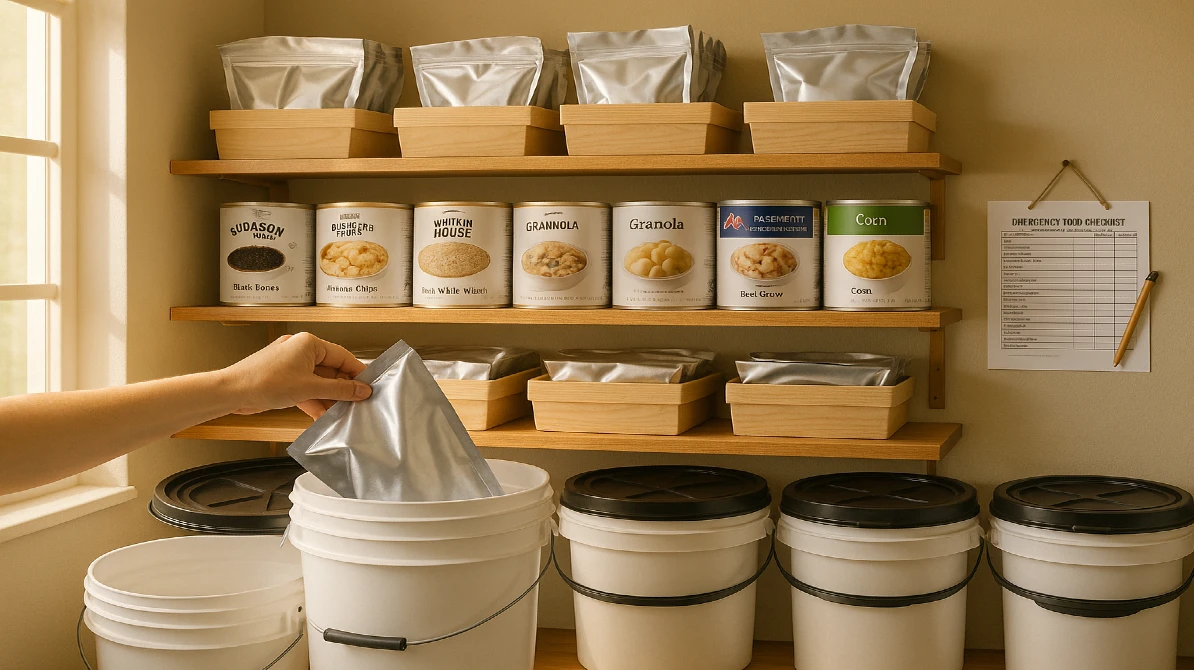
Proper storage and rotation keep your emergency food supply fresh and safe. These tips help maintain food quality over time. You save money and reduce waste by managing your stock wisely. Follow simple steps to create a reliable food supply that lasts.
Optimal Storage Conditions
Store food in a cool, dry place away from light. Ideal temperatures range between 50°F and 70°F (10°C to 21°C). Keep food in airtight containers to prevent moisture and pests. Avoid direct sunlight to stop food from spoiling quickly. A dark pantry or basement works well for long-term storage.
Rotation Strategies
Use the “first in, first out” rule to keep food fresh. Place new items behind older ones on shelves. Check expiration dates regularly to know what to use first. Label containers with purchase or expiration dates for easy tracking. Rotate your stock every six months to keep it reliable.
Avoiding Waste
Plan meals using foods nearing their expiration date. Store opened packages properly to extend shelf life. Share extra food with family or friends before it expires. Keep a list of your emergency food supply to track usage. Regular checks help prevent surprise spoilage and wasted food.
Credit: www.forbes.com
Buying Tips And Where To Shop
Buying emergency food supplies needs careful thought. You want good quality and low prices. Knowing where and how to shop helps you get the best value. This section covers key tips for buying and where to shop smartly.
Online Vs In-store
Online stores offer wide choices and easy comparison. You can read reviews to check product quality. Shipping may add cost but saves travel time.
In-store shopping lets you see products before buying. You avoid waiting for delivery and can ask staff questions. Prices may differ between stores and online.
Bulk Buying Advantages
Buying in bulk lowers the cost per meal. Large packs last longer and reduce frequent trips. Store food properly to keep it fresh. Bulk buying suits families and long-term storage.
Discounts And Deals
Look for sales and coupons to save money. Some stores offer discounts on near-expiry items. Signing up for newsletters can reveal special offers. Combine deals with bulk buying for extra savings.
Frequently Asked Questions
What Is An Emergency Food Supply?
An emergency food supply is a collection of non-perishable foods. It’s designed to provide sustenance during emergencies or disasters. These supplies usually have a long shelf life and require minimal preparation. Having an emergency food supply ensures you have access to food during unforeseen situations.
How To Choose The Best Emergency Food Supply?
To choose the best emergency food supply, consider shelf life and nutritional content. Look for options with a variety of meals to prevent monotony. It’s also essential to assess the ease of preparation and storage requirements. Prioritize foods that your family will actually eat.
Why Is Shelf Life Important In Emergency Food?
Shelf life is crucial in emergency food because it determines how long the food remains safe and nutritious. Foods with longer shelf lives reduce the need for frequent replacement, ensuring readiness during emergencies. It also ensures that the food retains its quality over time.
What Foods Are Included In Emergency Supplies?
Emergency food supplies often include canned goods, dehydrated meals, and freeze-dried foods. These foods are chosen for their long shelf life and easy preparation. Additionally, they often include grains, beans, and other staples to ensure nutritional balance.
Conclusion
Choosing the best value in emergency food supply means balancing cost and quality. Focus on items that last long and taste good. Nutritional value is important for health during emergencies. Think about storage space and ease of preparation. Buying in bulk can save money over time.
Check expiration dates to avoid waste. Prepare now to stay safe later. A smart choice helps your family stay strong and ready. Simple steps lead to peace of mind in tough times.