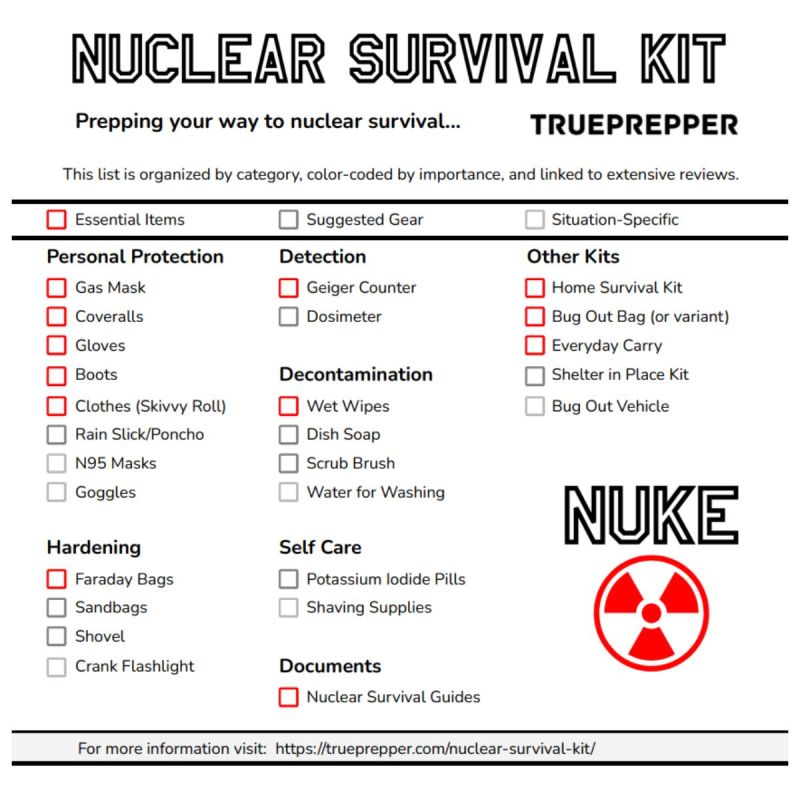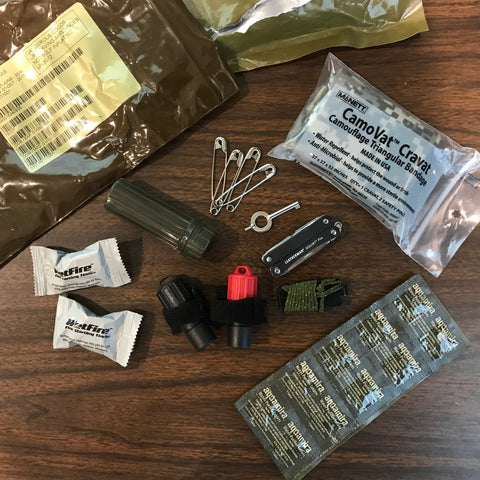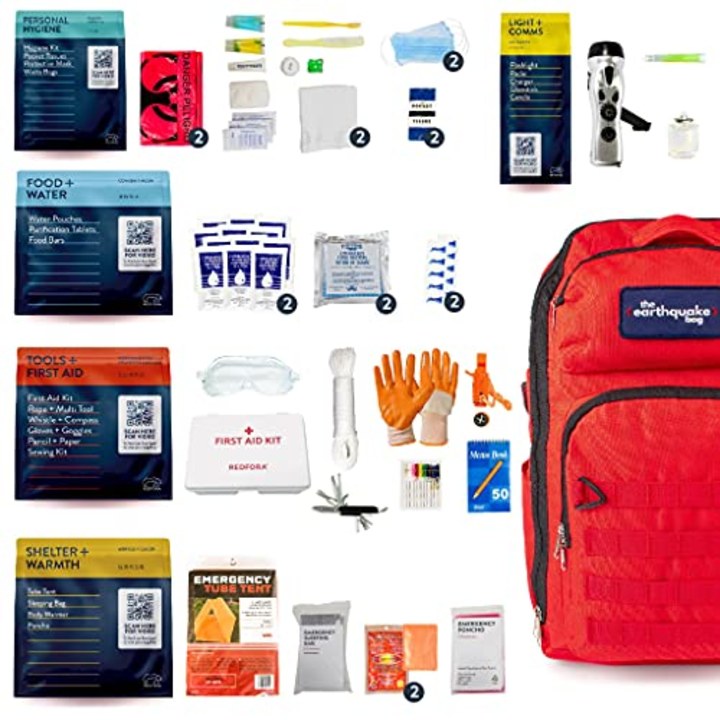
When building your survival kit, it’s easy to focus on what you should include. But have you ever stopped to think about what items might actually do more harm than good?
Putting the wrong things in your kit can slow you down, add unnecessary weight, or even put you at risk when you need help the most. You’ll discover the common mistakes many people make and learn exactly what you should avoid packing.
Read on to make sure your survival kit is truly ready for any emergency.
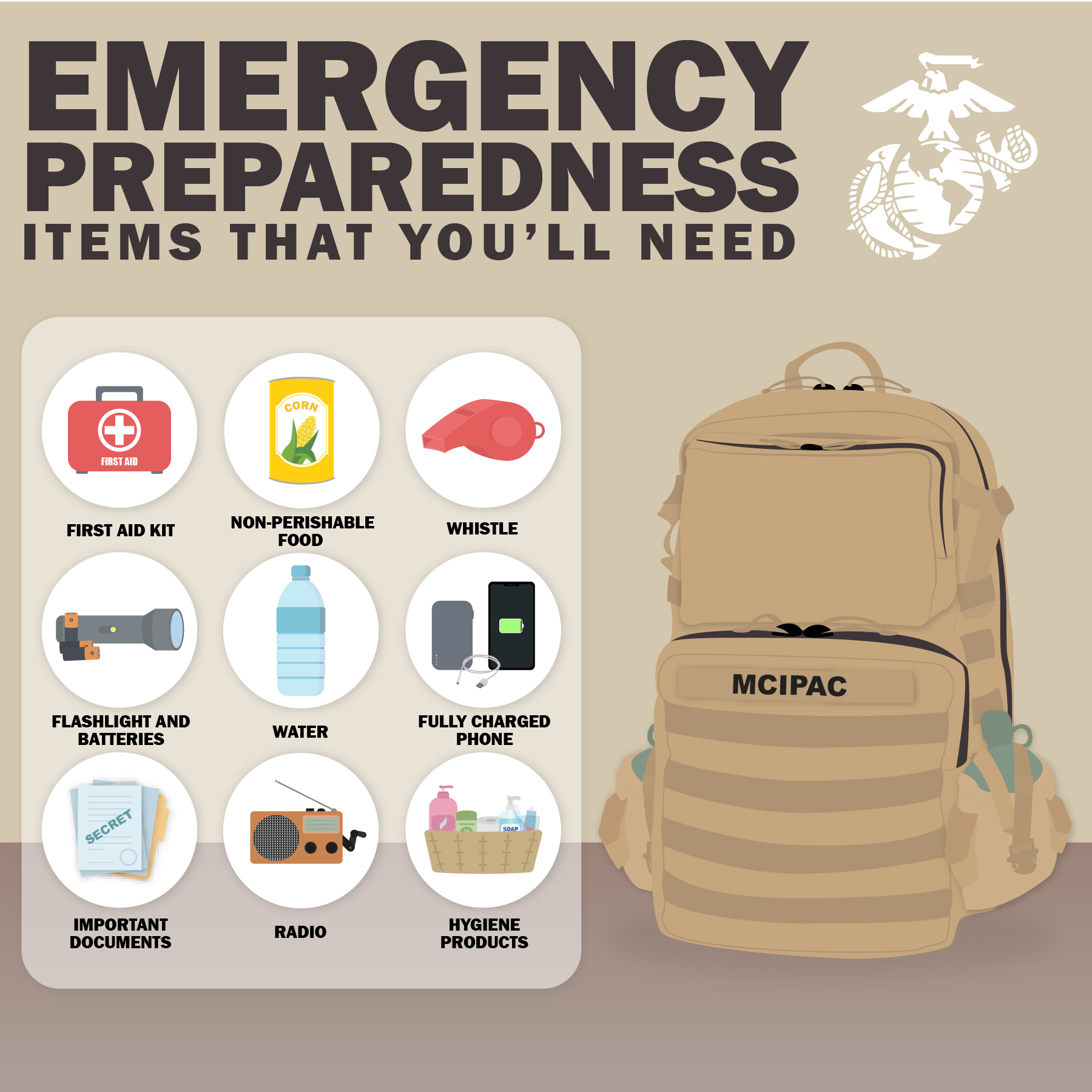
Credit: x.com
Common Survival Kit Mistakes
Building a survival kit is about preparedness, not just stuffing a bag with random items. Many people make mistakes that could cost them valuable time or space when every second counts. Recognizing common survival kit mistakes can help you pack smarter and stay ready for any situation.
Overpacking Unnecessary Items
It’s tempting to add everything that seems useful, but overpacking can weigh you down. Items like extra clothes you don’t need, bulky gadgets, or duplicate tools take up precious space and add weight.
Think about what you will actually use. Would you really carry a full toolbox or several kitchen utensils when a multi-tool can cover most tasks? Focus on essentials that serve multiple purposes.
Including Perishable Goods
Adding fresh food or anything perishable can backfire fast. These items spoil quickly and may attract insects or animals, creating more problems than solutions.
Instead, opt for long-lasting, high-energy foods like nuts, dried fruits, or energy bars. These stay safe longer and keep you fueled without the risk of spoilage.
Ignoring Weight And Size Limits
Your survival kit must be easy to carry. Ignoring weight and size limits can make your kit cumbersome and slow you down when mobility is crucial.
Try packing your kit, then carry it around for a few minutes. Does it feel comfortable? Can you move quickly? If not, trim down the load by removing less critical items.

Credit: survivalschool.enduresurvivalkits.com
Items That Can Harm Your Survival Chances
Not all items you might consider for a survival kit will actually help you survive. Some can make your situation worse by adding unnecessary weight, draining your energy, or even causing injury. Identifying what to avoid is just as important as knowing what to pack.
Excessive Electronics
Carrying too many electronic devices can drain your battery power quickly and add bulk to your kit. Gadgets like multiple flashlights, radios, or GPS units might seem useful but often overlap in function. Instead, choose one reliable device with long battery life and keep spare batteries handy.
Have you ever found yourself fumbling with dead electronics at a critical moment? That’s a real risk when you overload your kit. Focus on simplicity and durability to keep your survival chances high.
Non-essential Tools
Tools that don’t serve a clear survival purpose only weigh you down. Items like elaborate kitchen gadgets or specialty tools designed for hobbies can distract and slow you. Stick to multi-purpose tools that cover basic needs like cutting, fire-starting, and shelter building.
Imagine carrying a bulky tool you never use while leaving out a lighter or knife. Your survival chances drop because you wasted space on non-essentials. Ask yourself: does this item have a direct impact on my survival?
Unsafe Or Unreliable Equipment
Equipment that breaks easily or is poorly made can be dangerous in a survival scenario. Cheap knives that dull quickly, unreliable fire starters, or fragile containers can fail when you need them most. Always test your gear before adding it to your kit to ensure it performs under pressure.
One time, a faulty water filter clogged in the wild, leaving me scrambling for hydration. This taught me to trust only proven, high-quality equipment. Your survival kit should contain items you can count on without hesitation.
Why Some Items Are Counterproductive
Some items in a survival kit can do more harm than good. They take up space, waste energy, or slow you down. Choosing the wrong gear can make survival harder, not easier. Knowing what to avoid is just as important as packing the right tools.
Items That Waste Space
Space is limited in any survival kit. Bulky items that serve little purpose should be left out. Large gadgets that are rarely used can crowd out essentials like food and water. Avoid items that are heavy but offer little survival value. Every inch counts when you carry your kit.
Items That Drain Energy Or Resources
Some items need power or fuel that you may not have. Devices that require batteries or fuel can fail and leave you stranded. Carrying things that need constant energy can drain your strength or supplies. Focus on tools that work without power or need minimal resources.
Items That Cause Confusion Or Delay
Complex tools might be hard to use under pressure. Items with unclear instructions can waste precious time. Avoid gadgets that need special skills or long setup. In survival, simple and quick is best. Choose tools that anyone can use easily and fast.
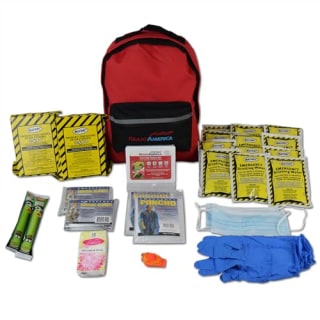
Credit: www.nbcnews.com
Smart Alternatives To Avoided Items
Choosing what to leave out of your survival kit is just as important as deciding what to include. Some items might seem useful but can weigh you down or fail when you need them most. Instead, opting for smarter alternatives boosts your chances of staying safe and comfortable without unnecessary bulk.
Lightweight Multi-use Tools
Carrying a separate tool for every task can quickly add weight and clutter to your kit. Instead, pick tools designed to handle multiple jobs. A quality multi-tool with pliers, knife, screwdriver, and scissors covers many needs without extra bulk.
I once carried a bulky hatchet that I barely used. Switching to a sturdy multi-tool saved space and made it easier to manage daily tasks like cutting rope or opening cans. Ask yourself: does each item pull its weight in your kit?
Long-lasting Food Options
Fresh food sounds appealing but spoils fast and adds weight. Avoid packing perishable snacks that could become useless quickly. Instead, choose high-calorie, non-perishable options like freeze-dried meals, energy bars, or nuts.
Freeze-dried food lasts for years and only needs water to prepare. It’s lightweight and packs a nutritional punch. Think about your energy needs and pick food that fuels you without turning into dead weight.
Reliable Navigation Aids
Smartphones and GPS devices are handy but can fail due to dead batteries or lack of signal. Don’t rely solely on electronic navigation tools. Carry a compact compass and a waterproof, easy-to-read map of your area.
Learning basic map-reading skills can be a lifesaver when tech lets you down. A simple compass never runs out of power and weighs almost nothing. Could your survival depend on knowing your direction without gadgets?
Tips For Tailoring Your Survival Kit
Building a survival kit is not just about stuffing random items into a bag. Your kit should fit your specific needs, environment, and skills to truly be effective. Tailoring your survival kit wisely can make a huge difference when every second counts.
Consider Your Environment
Think about where you will most likely use your survival kit. If you live near mountains, items for cold weather and altitude sickness might be crucial. In contrast, a kit for a desert area should focus on sun protection and water storage.
Ask yourself what natural threats you face daily. Are there poisonous plants, rough terrain, or extreme weather conditions? These factors will shape what you pack and what you leave out.
Match Kit Contents To Skills
Your survival kit should reflect what you know how to use. Carrying complex tools that you don’t understand can slow you down or even put you in danger. If you are skilled at fire-starting with a simple lighter, you might not need complicated fire starters.
Focus on items that complement your strengths. If you know how to purify water using tablets, include those instead of bulky filtration systems. This keeps your kit lighter and more manageable.
Regularly Update And Test Your Kit
Items in your survival kit can expire or become less useful over time. Batteries die, medications lose effectiveness, and food can spoil. Check your kit every few months and replace anything that’s outdated.
Testing your kit in practice scenarios is just as important. Try using the tools in a controlled environment to ensure you know how they work and that everything fits well. You’ll spot missing essentials before you really need them.
Frequently Asked Questions
What Are Common Mistakes In Survival Kits?
Many people include perishable food, which can spoil. Items like scented products attract wildlife and insects. Including too many heavy items can make it difficult to carry. Avoid bulky gear that takes up too much space. Always prioritize essential items like water, first aid, and a reliable flashlight.
Why Avoid Certain Items In Survival Kits?
Certain items can do more harm than good. Bulky items waste space and add unnecessary weight. Expired food or medicine can be dangerous. Scented products may attract wildlife. Non-essential gadgets divert focus from crucial survival tools. Prioritizing essentials ensures your kit is practical and efficient.
Can Electronics Be Problematic In Kits?
Yes, electronics can be unreliable in survival situations. Batteries can die or leak over time. Devices may not withstand extreme weather conditions. Instead, opt for manual tools like compasses or maps. Always have a backup plan that doesn’t rely on technology.
This ensures preparedness in any situation.
Should I Include Luxury Items In My Kit?
Luxury items often take up space and add weight. They can distract from essential survival priorities. Focus on necessities like food, water, and shelter. Comfort items may seem appealing but are non-essential. Prioritize what truly aids survival. This keeps your kit efficient and purpose-driven.
Conclusion
Avoid adding heavy or unnecessary items to your survival kit. Choose only useful, lightweight gear that fits your needs. Remember, space and weight matter in emergencies. Keep your kit simple and easy to carry. Focus on essentials that help you stay safe and healthy.
Regularly check and update your kit to remove unused items. A well-packed kit improves your chances in tough situations. Stay prepared, but keep it practical and smart.