Imagine you wake up one morning to the news that a zombie apocalypse has begun. The world you once knew is now a battle for survival, and the clock is ticking.
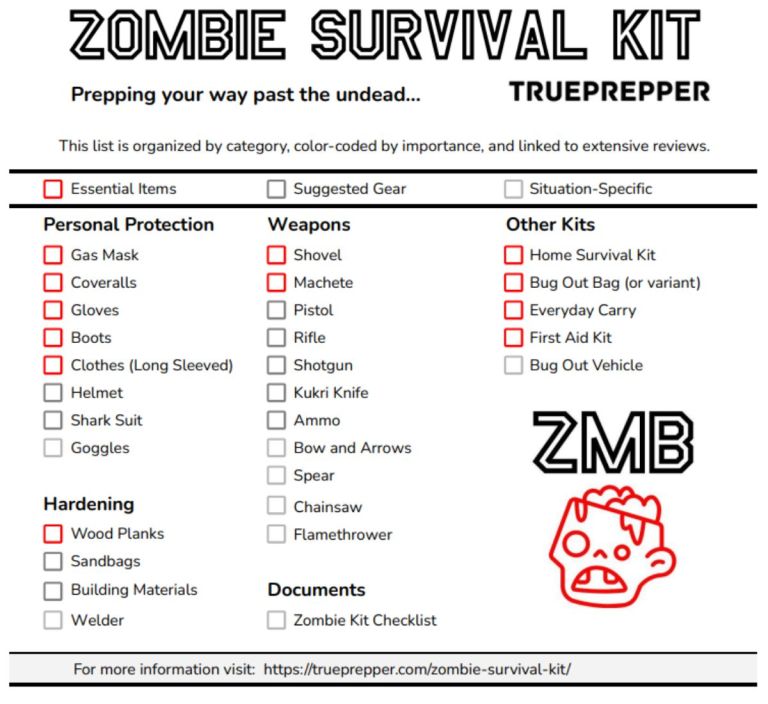
Would you know what to do? Would you have the right tools to keep yourself safe and secure? Building a zombie survival kit is not just for the movies; it’s a smart way to prepare for any emergency. But what exactly should you include in this kit?
In this guide, you’ll discover the must-have items that could mean the difference between life and death. From essentials that keep you fed and hydrated to tools that ensure your safety, this article breaks down everything you need to be fully prepared. Ready to turn fear into action? Let’s dive in and make sure you’re equipped to face the unexpected.
Basic Survival Tools
Basic survival tools form the foundation of any zombie survival kit. These items help with essential tasks like cutting, lighting, and navigating in the dark. Without the right tools, survival becomes much harder. It is important to carry durable and reliable equipment that can perform multiple functions.
Multi-tool And Knife
A multi-tool combines many useful functions into one compact device. It usually includes pliers, screwdrivers, can openers, and more. A sturdy knife is essential for cutting, self-defense, and preparing food. Choose tools made from strong materials like stainless steel. A sharp, easy-to-grip knife blade saves time and effort.
Fire Starters
Fire is vital for warmth, cooking, and signaling. Carry fire starters that work even when wet. Waterproof matches, lighters, and magnesium fire starters are great options. Store these in a sealed container to keep them dry. Practice using fire starters to build a fire quickly and safely.
Flashlights And Batteries
Light sources are crucial for moving around at night and exploring dark places. Choose flashlights that are bright, durable, and easy to carry. LED flashlights last longer and use less battery power. Bring extra batteries and keep them in a dry, safe spot. Consider a hand-crank or solar-powered flashlight for backup power.
Food And Water Supplies
Food and water are the most important supplies in a zombie survival kit. Without them, survival becomes impossible. Choose items that last long and provide energy. Water must be clean and easy to carry. Preparing these basics well improves your chance to stay safe and healthy.
Non-perishable Food Items
Non-perishable foods last long without refrigeration. They provide essential nutrients and energy. Include canned beans, rice, and pasta. Pack dried fruits and nuts for quick snacks. High-calorie energy bars work well too. Pick foods that are easy to prepare and eat.
Water Purification Methods
Clean water keeps you hydrated and healthy. Carry water purification tablets to kill germs. A small portable filter can remove dirt and bacteria. Boiling water also makes it safe to drink. Always have a reliable way to purify water on hand.
Portable Water Containers
Carry water in strong, leak-proof containers. Collapsible water bags save space when empty. Bottles with built-in filters add convenience. Choose containers that are easy to carry and refill. Having enough water storage helps you stay prepared on the move.
First Aid Essentials
First aid essentials are crucial in a zombie survival kit. Injuries happen fast and medical help won’t be nearby. Proper supplies keep wounds clean and pain controlled. This prevents infections and serious problems. A well-stocked first aid kit can save lives in tough situations.
Bandages And Dressings
Bandages stop bleeding and protect wounds. Include different sizes to cover small cuts and large injuries. Dressings absorb blood and keep dirt out. Sterile gauze pads and adhesive tape are must-haves. Elastic bandages help secure dressings and support sprains.
Antiseptics And Ointments
Clean wounds quickly to avoid infection. Use antiseptic wipes or solutions like iodine or alcohol. Antibiotic ointments help kill germs and speed healing. Keep these items sealed and ready for use. Avoid products that cause irritation or allergies.
Medications And Pain Relievers
Pain can slow you down. Pack over-the-counter painkillers like ibuprofen or acetaminophen. Include antihistamines for allergic reactions. Bring any personal prescription medicines needed. Store all medications in waterproof containers to keep them safe.
Credit: www.choruscall.co.nz
Defense And Protection Gear
Defense and protection gear is essential in a zombie survival kit. This gear helps you stay safe and maintain control during chaotic moments. Without proper tools and clothing, you risk injury or worse when facing threats.
Weapons For Self-defense
You need reliable weapons to defend yourself against zombies or hostile humans. Consider lightweight but effective options like a sturdy baseball bat, a fixed-blade knife, or a compact crossbow. Firearms can be useful, but they require skill and maintenance, so only add them if you’re confident handling them safely.
Think about noise levels too. Loud weapons might attract more zombies, so quieter options could save your life. Have you tested your weapons before? Practice makes a difference when seconds count.
Protective Clothing And Gloves
Clothing can be your first line of defense against bites and scratches. Wear thick, durable materials like leather or reinforced denim to reduce the risk of injury. Gloves are equally important; they protect your hands during fights and while scavenging through debris.
Don’t forget mobility. Bulky gear might slow you down, so choose protective clothing that balances safety with ease of movement. Can you move quickly enough in your gear if you need to escape?
Masks And Goggles
Respiratory protection is crucial in a world filled with airborne dangers and decaying matter. Masks help filter out harmful particles and reduce the risk of infection. Pair them with goggles to shield your eyes from blood, dust, and debris.
Look for masks with replaceable filters and goggles that fit snugly without fogging up. Comfort matters because you might wear this gear for hours. Have you tested your mask and goggles to ensure they stay secure during intense activity?
Communication Devices
Communication devices are essential in a zombie survival kit because they keep you connected with your group and alert you to dangers nearby. Without reliable communication, coordinating your movements or calling for help becomes nearly impossible. Choosing the right tools can make all the difference when seconds count.
Two-way Radios
Two-way radios are a practical choice for staying in touch during a zombie outbreak. They don’t rely on cell towers, which means they work even if the network is down. You can easily talk with your team across short or moderate distances, making them perfect for coordinating escapes or sharing vital information.
Look for radios with long battery life and multiple channels to avoid interference. Some models also allow you to attach earpieces, which keeps your conversations discreet. Think about how many people you’ll need to communicate with and choose radios that support group calls or scanning for active channels.
Whistles And Signal Mirrors
Sometimes, electronic devices fail or run out of power. That’s when simple tools like whistles and signal mirrors become lifesavers. A whistle’s loud sound can carry a long distance and alert others without revealing your exact location to zombies.
Signal mirrors use sunlight to send flashes that can be seen from miles away. They’re lightweight and don’t require batteries, making them perfect backups. Have you ever tried using a mirror to send signals? It’s surprisingly effective and easy to learn.
- Keep whistles attached to your gear for quick access.
- Practice using your signal mirror during daylight hours.
- Combine these tools with radios to cover all communication needs.

Credit: medium.com
Shelter And Comfort Items
Comfort and shelter are more than just luxuries during a zombie apocalypse—they are essentials that protect your body and mind. Your survival kit should include items that keep you safe from the elements and help you rest well. Proper shelter and comfort gear can mean the difference between staying alert or becoming vulnerable to threats.
Tents And Tarps
A lightweight tent is a must-have for creating a secure and private space. Choose one that’s easy to set up and offers protection from rain and wind. Tarps are versatile—they can serve as a ground cover, a makeshift roof, or even a privacy screen.
Think about the terrain you’ll face. Would you prefer a tent with a full rainfly or a simple tarp setup? Your choice affects how quickly you can set up shelter when zombies are nearby.
Sleeping Bags And Blankets
Good sleep is critical when danger is constant. A sleeping bag rated for cold weather can keep you warm during chilly nights. If space is tight, compact emergency blankets can add extra insulation without bulk.
Have you tested your sleeping gear in various conditions? Knowing how your sleeping bag performs can help you avoid sleepless, vulnerable nights. Don’t forget to pack a sleeping pad for added comfort and insulation from cold ground.
Insect Repellent
Insects aren’t just annoying—they can spread diseases that weaken your body. Include a reliable insect repellent in your kit to keep mosquitoes and ticks at bay. Look for long-lasting formulas that work well in different environments.
Consider natural options if you’re sensitive to chemicals, but make sure they’re effective. How much attention do you pay to insect protection in your daily life? In a survival situation, it could be a critical health factor.
Navigation Aids
Navigation aids are essential tools in your zombie survival kit. They help you find your way when familiar paths vanish or landmarks become unreliable. Without reliable navigation, you risk getting lost, which can be dangerous in a survival situation.
Compasses
A compass is a simple yet powerful tool. It doesn’t rely on batteries, so it works even when electronics fail. Learning how to use a compass can save your life by helping you maintain a steady direction.
Carry a sturdy, easy-to-read compass that fits in your hand. Practice using it in different environments to build confidence. You don’t want to fumble with it when every second counts.
Maps
Physical maps are crucial backup navigation tools. They provide a bigger picture of the area around you, showing roads, rivers, and terrain features that a compass alone can’t reveal. Always choose detailed topographic maps covering your survival zone.
Keep your maps dry and protected in waterproof cases. Mark important locations and safe routes with a waterproof pen. Have you ever tried navigating unfamiliar terrain without a map? It’s frustrating and risky.
Gps Devices
GPS devices offer pinpoint accuracy and can store waypoints for easy retracing of your steps. However, they depend on batteries and satellite signals, which might not always be available. Always carry extra batteries or a portable solar charger.
Use GPS devices as a supplement, not your only navigation method. In my experience, relying solely on GPS can lead to trouble when the device fails. Can you imagine being stuck in the wilderness with a dead GPS and no other tools?
Credit: www.ebay.ca
Miscellaneous Supplies
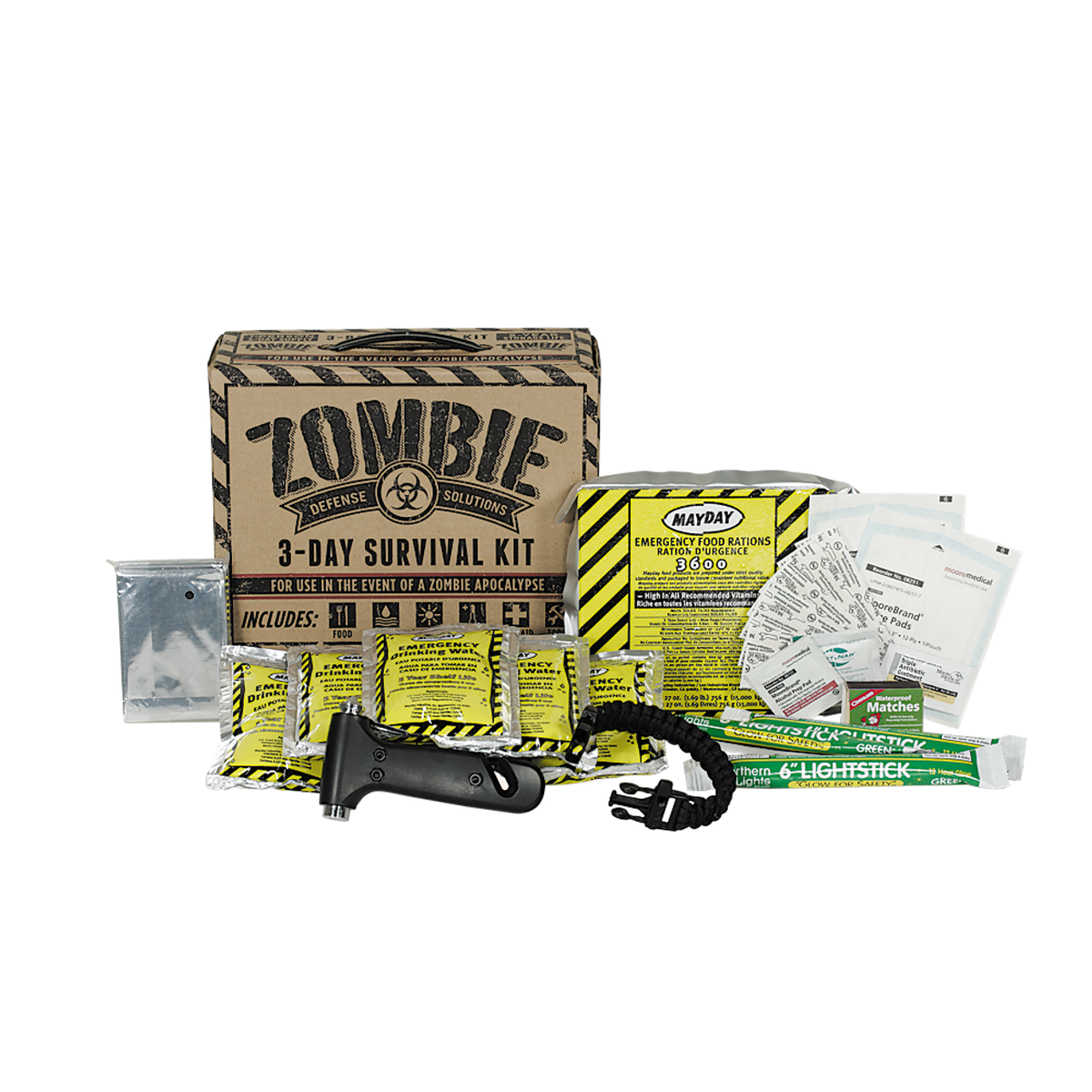
Miscellaneous supplies are often the unsung heroes in a zombie survival kit. These small but essential items solve many problems in tough situations. They help with repairs, organization, and communication. Packing the right miscellaneous tools can make a big difference in survival and comfort.
Duct Tape And Paracord
Duct tape fixes almost anything. Use it to patch clothes, seal bags, or repair gear. Paracord is strong and versatile. It can serve as rope, a tourniquet, or even a fishing line. Both are lightweight and easy to carry. Together, they offer many survival uses in one compact package.
Trash Bags And Zip Ties
Trash bags keep water out and store supplies. They can also serve as rain ponchos or ground covers. Zip ties secure gear quickly and firmly. They replace broken straps or hold items together. Both items save space but add great utility in the field.
Notebook And Pen
A notebook helps keep track of important information. Record locations, supplies, or messages for others. A pen is a tool for communication and planning. Both are lightweight and easy to use. Writing things down improves organization and memory during chaos.
Frequently Asked Questions
What Are The Essential Items For A Zombie Survival Kit?
A basic zombie survival kit should include water, non-perishable food, a first aid kit, a reliable weapon, and a flashlight. These items ensure hydration, nutrition, safety, and visibility during a zombie outbreak.
How Much Food And Water Should I Store In My Kit?
Store at least a three-day supply of water and food per person. Aim for one gallon of water daily and calorie-dense, non-perishable food items for survival.
Which Weapons Are Best For Zombie Defense?
Choose lightweight, durable weapons like a sturdy baseball bat or a reliable knife. Firearms are effective but require training and ammunition, which may be scarce.
Why Is A First Aid Kit Crucial In Zombie Survival?
Injuries can become deadly without treatment during a zombie apocalypse. A first aid kit helps manage wounds, prevent infections, and stabilize health until professional help is available.
Conclusion
A good zombie survival kit keeps you safe and ready. Include food, water, and first aid supplies. Add tools for shelter and self-defense. Don’t forget important documents and communication devices. Keep your kit easy to carry and check it often.
Being prepared helps you face any challenge. Stay calm, stay ready, and stay alive. Your kit could make all the difference in a crisis.