When an emergency strikes, having the right food stored can make all the difference for you and your loved ones. But what exactly should you keep in your food storage?
You want items that last long, provide good nutrition, and are easy to prepare when time and resources are limited. You’ll discover the essential foods to have on hand so you can stay safe, healthy, and worry-free no matter what happens.
Keep reading to build your perfect emergency food supply.
Credit: practicalselfreliance.com
Long-lasting Grains
Long-lasting grains are essential staples for any emergency food storage. They provide a reliable source of energy and nutrients that can sustain you when fresh food is scarce. Grains also take up less space and have a longer shelf life, making them practical for long-term storage.
Rice Varieties
Rice is a versatile grain that stores well for years if kept dry and sealed. White rice lasts longer than brown rice because its outer oil-rich layer is removed, reducing rancidity. Consider stocking up on basmati, jasmine, or even parboiled rice for different flavors and uses in your meals.
Have you thought about the cooking time? Some rice varieties cook faster, which can save fuel during emergencies. Keep a variety so you can adapt your meals easily.
Dried Pasta And Noodles
Dried pasta and noodles are excellent additions to your food storage. They are lightweight, cook quickly, and come in many shapes to keep meals interesting. Store pasta in airtight containers to protect it from moisture and pests.
Think about how you can enhance simple pasta dishes with canned or dried vegetables and sauces. This makes your emergency meals more nutritious and enjoyable.
Quinoa And Other Ancient Grains
Quinoa, amaranth, millet, and farro are ancient grains that offer diverse nutrition and flavors. Quinoa, for example, is high in protein and cooks faster than many other grains. These grains add variety to your diet and can keep you healthier during tough times.
Have you tried cooking with these grains before? Experimenting now can help you prepare better meals when emergencies strike.

Credit: www.nytimes.com
Canned Proteins
Canned proteins are essential for emergency food storage. They provide a good source of nutrition and last a long time without refrigeration. These proteins are easy to prepare and versatile for many meals. Including a variety of canned proteins ensures balanced nutrition during tough times.
Canned Tuna And Salmon
Canned tuna and salmon are rich in protein and omega-3 fats. They support heart health and brain function. These fish come ready to eat and can be used in salads, sandwiches, or mixed with rice. Choose options packed in water for lower fat content. Store multiple cans to keep your protein supply steady.
Beans And Lentils
Beans and lentils offer plant-based protein and fiber. They help maintain energy and digestion during emergencies. These canned legumes cook quickly and blend well with vegetables or grains. They are affordable and often come in various types like black beans, chickpeas, and lentils. Keep a variety to add taste and nutrients to your meals.
Canned Chicken And Meats
Canned chicken and meats provide a familiar taste and texture. They are convenient for quick meals such as stews, soups, and casseroles. Choose low-sodium options to reduce salt intake. These canned meats remain safe for years and deliver essential protein. Stock different types to diversify your emergency menu.
Dehydrated And Freeze-dried Foods
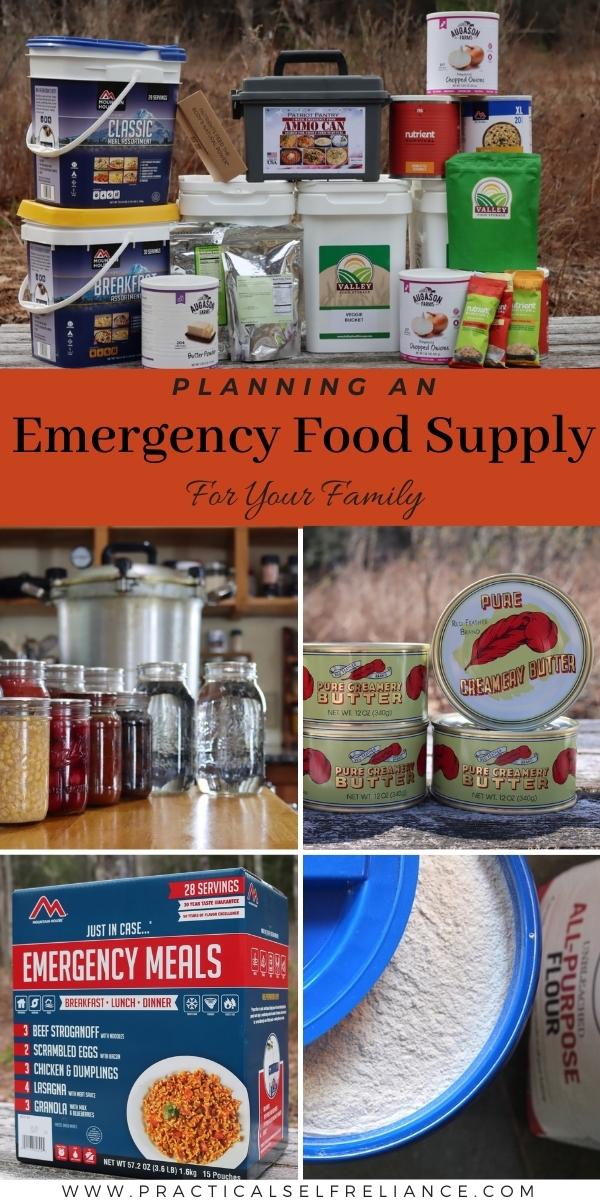
Dehydrated and freeze-dried foods are essential for emergency food storage. They last for years and save space. These foods keep most of their nutrients and taste. Easy to prepare, they only need water to become edible again.
These foods help maintain energy and health during emergencies. They allow variety in your diet. Choosing the right types can make your food storage balanced and practical.
Vegetables And Fruits
Dehydrated and freeze-dried vegetables and fruits keep vitamins and minerals. They are lightweight and easy to store. Examples include:
- Carrots
- Peas
- Green beans
- Strawberries
- Apples
- Bananas
Use them in soups, stews, or as snacks. They add flavor and nutrients to meals.
Ready-to-eat Meals
Freeze-dried ready-to-eat meals are convenient and quick. Just add hot water. They come in many types such as:
- Rice and vegetables
- Pasta dishes
- Soups and stews
- Breakfast options
These meals provide balanced nutrition and save cooking time. Perfect for emergencies or camping.
Protein Powders And Supplements
Protein powders and supplements support muscle and body repair. They mix easily with water or milk. Common options include:
- Whey protein
- Pea protein
- Soy protein
- Meal replacement powders
These help maintain strength and energy. Good to have in emergency food storage.
Shelf-stable Dairy And Alternatives
Shelf-stable dairy and alternatives offer vital nutrition during emergencies. These foods last long without refrigeration. They provide protein, calcium, and essential vitamins. Including a variety ensures balanced meals when fresh dairy is unavailable.
Powdered Milk And Milk Alternatives
Powdered milk is a classic emergency staple. It stores for months in a sealed container. Just add water to rehydrate. Milk alternatives like powdered soy or almond milk also last long. They suit those with lactose intolerance or dietary preferences. Both types supply important nutrients and energy.
Shelf-stable Cheese
Shelf-stable cheeses come in vacuum-sealed packs. Hard cheeses like Parmesan or aged cheddar last longer. They add flavor and protein to meals. Some processed cheeses also store well without refrigeration. Cheese can be eaten alone or added to recipes.
Yogurt Alternatives
Shelf-stable yogurt alternatives include dried or powdered forms. These versions keep the probiotics and nutrients intact. Plant-based options like coconut or almond yogurt powders are available. They provide variety and support gut health. Rehydrate with water for a creamy texture.
Fats And Oils
Fats and oils are essential in emergency food storage. They provide a concentrated source of energy and help your body absorb vital vitamins. Plus, they add flavor and texture to meals, making tough times a little more bearable.
Cooking Oils With Long Shelf Life
Choosing the right cooking oils can make a big difference in your storage plan. Oils like coconut oil, avocado oil, and refined olive oil last much longer than typical vegetable oils. Store them in a cool, dark place to keep them fresh for up to two years or more.
Think about how often you use oil in your meals. Having a stable supply of these long-lasting oils means you won’t run out when you need them most. Have you checked the expiration dates on your current cooking oils lately?
Nut Butters
Nut butters are a great source of healthy fats and protein. Peanut butter, almond butter, and sunflower seed butter can last for months without refrigeration if kept sealed. They’re also easy to eat on their own or add to emergency meals for extra calories.
Consider keeping individual packets or jars that you can open one at a time. This way, you avoid spoilage and waste. How many jars of nut butter do you think you’d realistically use during an emergency?
Ghee And Clarified Butter
Ghee and clarified butter have been favorites in many cultures for centuries because of their long shelf life. Without the milk solids, these fats resist spoilage and can last several months without refrigeration. They add a rich taste to food and are perfect for frying or sautéing.
Storing ghee in airtight containers keeps it fresh and ready to use. If you enjoy cooking with butter, switching to ghee in your emergency stash could save you from early spoilage. Have you ever tried cooking with ghee? It might be time to add it to your list.
Hydration Essentials
Hydration is a top priority in any emergency food storage plan. Water keeps the body alive and helps maintain focus. Without enough fluids, health can quickly decline. Proper hydration essentials ensure you stay safe and strong during tough times.
Water Storage Tips
- Store at least one gallon of water per person daily.
- Use food-grade containers for safe storage.
- Keep water in a cool, dark place to prevent contamination.
- Label containers with the storage date and replace every six months.
- Include portable water bottles for easy access and transport.
Electrolyte Powders
Electrolyte powders help replace essential minerals lost through sweat. They improve hydration and prevent cramps or dizziness. Store small packets or bulk powder that mixes easily with water. Choose options low in sugar and free from artificial additives.
Water Purification Methods
- Boiling water kills most harmful germs and bacteria.
- Water purification tablets are lightweight and easy to use.
- Portable water filters remove dirt and pathogens effectively.
- UV light purifiers use ultraviolet rays to disinfect water.
- Keep multiple purification options for reliability in all situations.
Flavor Enhancers And Seasonings
Flavor enhancers and seasonings make emergency meals taste better. They turn plain food into something enjoyable. Including these items in your food storage keeps meals interesting and comforting. Good taste can boost morale during tough times.
Salt And Sugar
Salt is essential for seasoning and preserving food. It improves flavor and helps keep food safe longer. Sugar balances flavors and adds sweetness. It also helps with baking and can be used for energy. Both have a long shelf life and are easy to store.
Herbs And Spices
Herbs and spices bring variety to simple meals. Dried options like oregano, basil, and chili powder last long. They add aroma and taste without adding calories. Keep a mix of mild and strong flavors. This selection lets you customize meals to your liking.
Bouillon And Stock Cubes
Bouillon and stock cubes add depth to soups and stews. They are compact and store well. These cubes provide salt, herbs, and spices in one. Use them to boost flavor quickly. They help create rich, savory dishes with minimal effort.
Emergency Snacks
Emergency snacks are a crucial part of any food storage plan. They provide quick energy and essential nutrients when cooking isn’t possible or when you’re on the move. Choosing the right snacks can keep you fueled and focused during stressful situations.
Energy Bars
Energy bars are compact, easy to carry, and packed with calories. Look for bars that have a good balance of protein, fats, and carbohydrates to keep your energy steady. Keep a variety of flavors to avoid taste fatigue during long emergencies.
Check the expiration dates regularly and rotate your stock. You don’t want to open an emergency kit only to find stale or expired bars. Have you tried bars with added vitamins? They can boost your nutrient intake without extra weight.
Trail Mix And Nuts
Trail mix and nuts offer a perfect combination of healthy fats, proteins, and fiber. They don’t spoil quickly and provide sustained energy. You can customize trail mix with dried fruits, seeds, and even a bit of dark chocolate for a morale boost.
Keep your mix sealed tightly to avoid moisture and pests. Have you noticed how nuts can satisfy hunger longer than chips or candy? That’s why they are a smart choice for emergency snacks.
Jerky And Dried Meats
Jerky and dried meats are high-protein snacks that don’t require refrigeration. They are excellent for maintaining muscle strength and energy levels. Choose low-sodium options to avoid dehydration.
Store them in airtight containers to preserve freshness. Have you ever relied on jerky during a power outage or outdoor adventure? It’s a reliable snack that keeps well and tastes great even after weeks of storage.
Storage And Rotation Tips
Proper storage and rotation keep your emergency food safe and fresh. It prevents waste and ensures you have usable food when needed. Organizing your supplies helps you manage space and track expiration dates effectively.
Optimal Storage Conditions
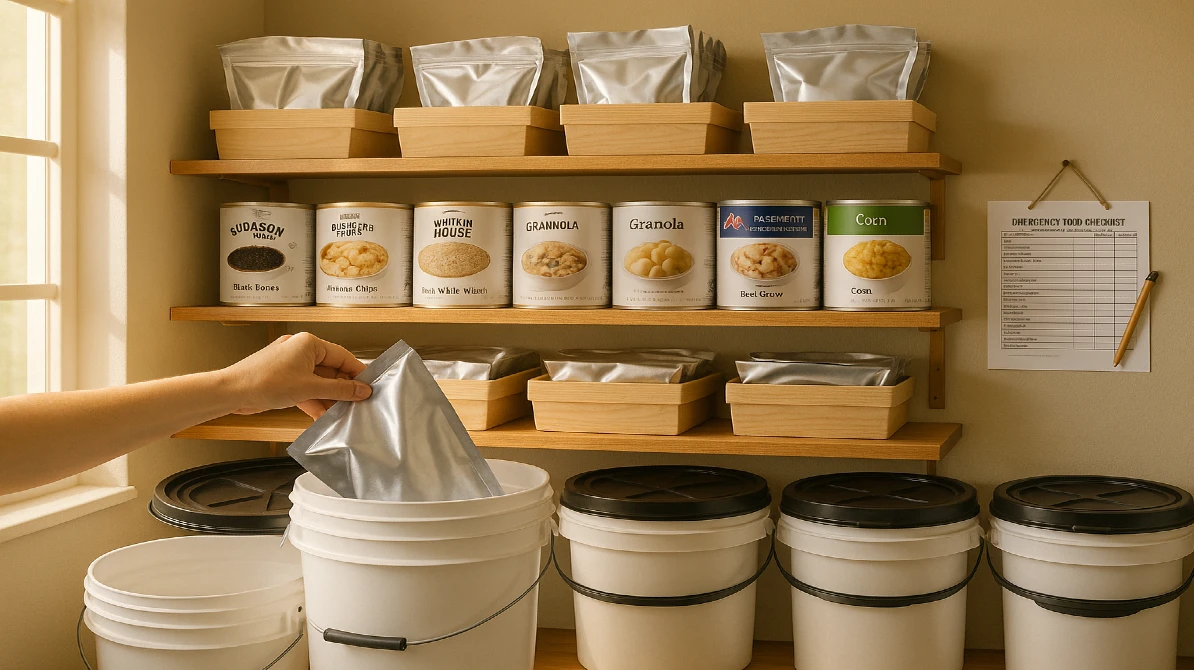
Store food in a cool, dry, and dark place. Avoid areas with high heat or humidity. Use airtight containers to protect from pests and moisture. Keep food off the floor to reduce risk of contamination.
First In, First Out Method
Use older food before newer items. Arrange items so the oldest are in front. Rotate stock regularly to avoid spoilage. This method helps keep your supply fresh and ready.
Labeling And Inventory Management
Label all food with purchase or expiration dates. Use simple tags or permanent markers. Keep an inventory list to track quantities and dates. Update the list each time you add or use food.

Credit: medium.com
Frequently Asked Questions
What Foods Are Best For Emergency Storage?
For emergency storage, choose non-perishable items like canned goods, dried fruits, and nuts. Include grains like rice and pasta. These items have long shelf lives and provide essential nutrients. Rotate your stock regularly to ensure freshness. Consider dietary needs and preferences when selecting foods for storage.
How Much Food Should I Store For Emergencies?
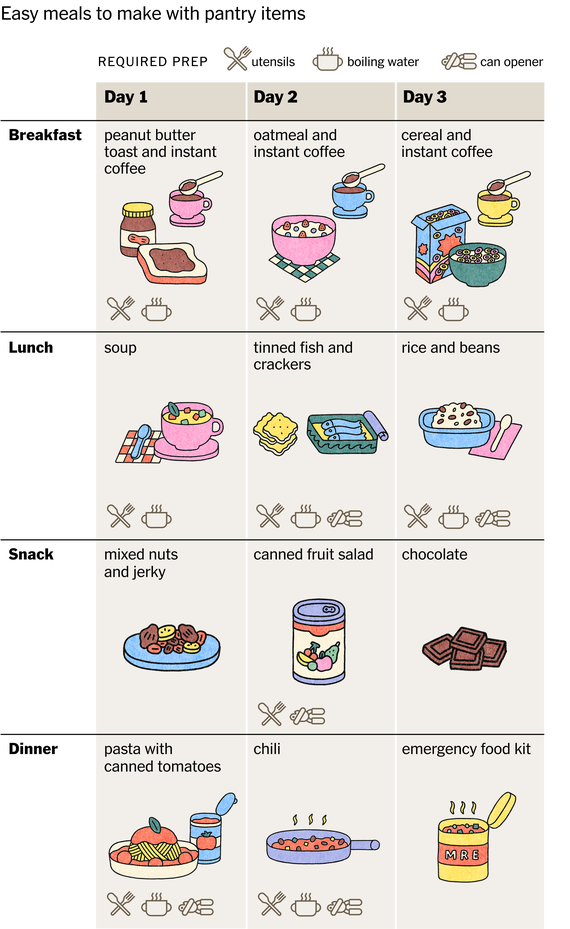
Store at least a three-day supply of non-perishable food for each family member. Consider individual dietary needs and preferences. Include enough food to provide adequate calories and nutrients. Evaluate your storage capacity and rotate supplies regularly to maintain freshness. Remember to include water and other essentials in your emergency plan.
How Do I Store Emergency Food Properly?
Store emergency food in a cool, dry place away from sunlight. Use airtight containers to keep out pests and moisture. Label items with purchase or expiration dates. Rotate supplies to ensure freshness. Regularly check for signs of spoilage or damage.
Keep an inventory list for easy management and restocking.
Can Canned Food Last Indefinitely In Storage?
Canned food can last for years if stored properly, but not indefinitely. Check expiration dates and condition of cans regularly. Discard any cans with rust, dents, or bulging. Rotate your stock to keep it fresh. While canned goods are durable, they eventually lose quality and nutritional value over time.
Conclusion
Storing the right food keeps you safe during emergencies. Choose items that last long and provide good nutrition. Think about water, canned goods, and dry foods. Don’t forget easy-to-prepare meals and snacks. Keep your storage organized and check it often.
Rotate items to avoid spoilage and waste. This simple step helps you stay ready. Being prepared brings peace of mind. Start building your emergency food storage today. It’s a small effort with big rewards. Your future self will thank you.