Imagine facing a sudden tsunami warning with little time to act. What would you grab?
Having a well-prepared tsunami survival kit could be the difference between safety and danger for you and your loved ones. You might think packing one is complicated, but it doesn’t have to be. This guide will help you quickly and easily gather the essential items you need.
Keep reading to discover exactly what to pack so you can feel confident and ready if the unexpected happens. Your safety starts with preparation—let’s make sure you’re fully equipped.
Basic Survival Gear
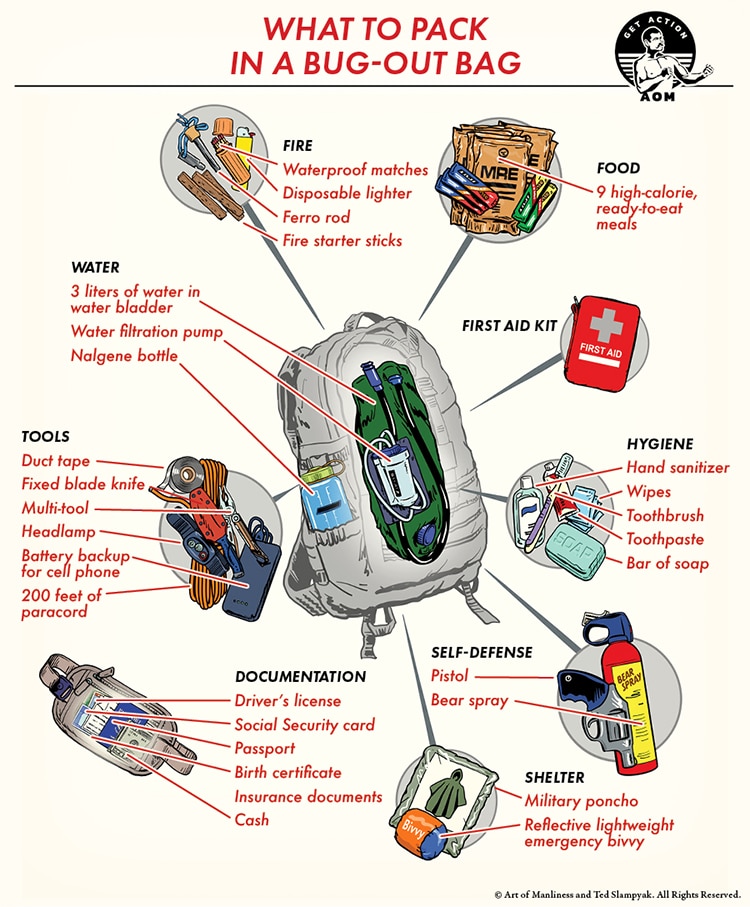
Basic survival gear forms the backbone of your tsunami survival kit. These essential items ensure you can sustain yourself until help arrives or you reach a safe location. Each piece serves a specific purpose, so packing thoughtfully can make a big difference.
Water And Hydration Supplies
Water tops the list because your body can’t last long without it. Pack at least one gallon of water per person per day for three days. Include water purification tablets or a portable filter to make natural water sources safe to drink.
Remember, in a tsunami situation, clean water may become scarce quickly. Have sturdy bottles or containers that won’t leak or break during evacuation. Ask yourself: Do you have enough water to stay hydrated if access to clean water is cut off?
Non-perishable Food Items
Food that doesn’t spoil easily is crucial. Think canned goods, protein bars, dried fruits, and nuts. These foods provide quick energy and can be eaten without cooking.
Don’t forget a manual can opener if you pack canned food. Also, choose items you like and can eat comfortably, since appetite and digestion may be affected by stress. How well-prepared are you to eat simply but nutritiously for several days?
First Aid Essentials
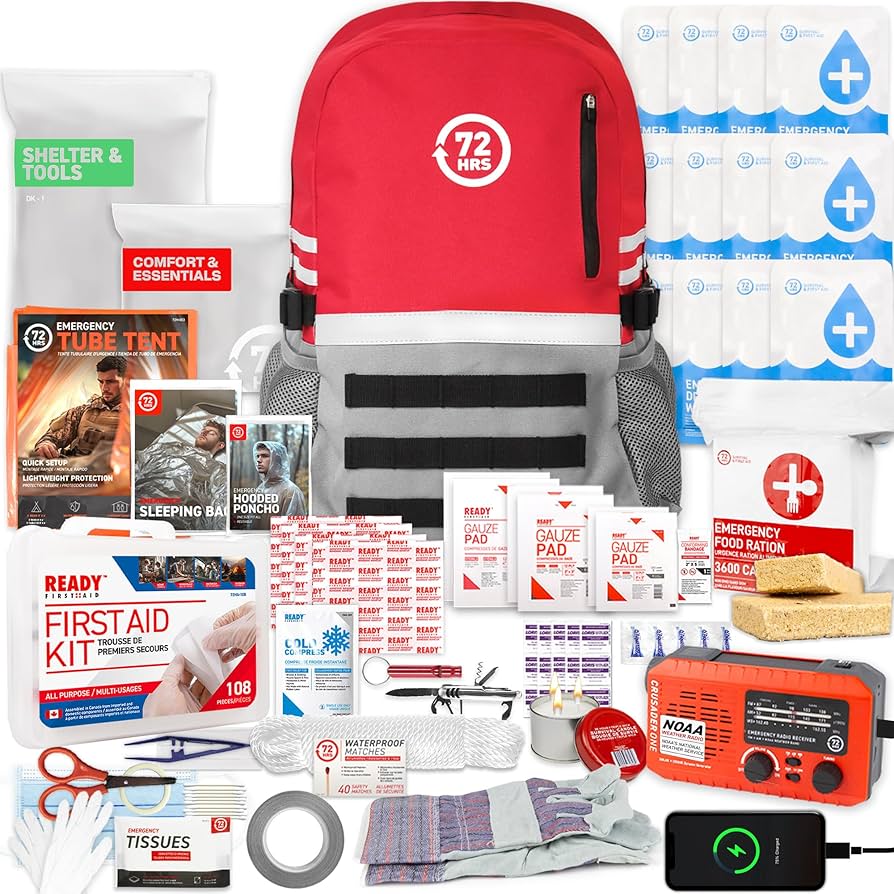
A well-stocked first aid kit can handle common injuries and prevent infections. Include bandages, antiseptic wipes, adhesive tape, pain relievers, and any personal medications. Add scissors, tweezers, and gloves for handling wounds safely.
Think about your family’s specific health needs when customizing your kit. You might need allergy medicine, inhalers, or extra supplies for chronic conditions. Are you ready to treat minor injuries and keep illnesses at bay in a crisis?

Credit: sealiontrailers.com
Communication Tools
Communication tools are essential in a tsunami survival kit. They keep you connected to emergency services and loved ones when other means fail. Having reliable ways to send and receive messages can make a critical difference in your safety and rescue efforts.
Emergency Radios
Emergency radios are your lifeline to real-time updates during a tsunami. Choose a model that can receive NOAA weather alerts and has multiple power options like hand-crank, solar, or battery power. This ensures you stay informed even if the power goes out.
I once relied on a hand-crank radio during a severe storm blackout. It kept me updated on evacuation orders when cell towers were down. Would you want to be caught without this vital source of information?
Whistles And Signal Mirrors
Whistles and signal mirrors may seem old-fashioned, but they remain powerful tools for attracting attention. A whistle’s sharp sound can carry much farther than your voice, especially when you’re trapped or injured.
Signal mirrors reflect sunlight to catch the eye of rescue teams from long distances. They are lightweight and easy to pack. Have you ever thought about how simple tools can save your life when technology fails?
Chargers And Batteries
Keeping your communication devices powered is critical. Pack extra batteries and portable chargers designed for your radios and phones. Solar chargers are a smart addition since they don’t rely on electricity.
Remember to test your chargers and batteries regularly. Dead power sources are useless in an emergency. Are your devices ready to work when you need them most?
Clothing And Shelter
Clothing and shelter are crucial for surviving a tsunami. They protect your body from harsh weather and keep you warm and dry. Proper items help prevent hypothermia and other health issues. Pack smart to stay safe and comfortable during emergencies.
Weather-appropriate Clothing
Choose clothes that match the climate where you live. Lightweight and breathable fabrics work well in hot areas. In cold regions, pack warm layers like thermal shirts and jackets. Avoid cotton, which stays wet and chills the body. Include extra socks and underwear to stay dry and clean.
Waterproof Gear
Waterproof clothing is vital during a tsunami. A rain jacket and pants protect against heavy rain and water splashes. Waterproof boots keep your feet dry and prevent infections. Pack a poncho for quick coverage. Store items in waterproof bags to keep them safe and dry.
Emergency Blankets And Tents
Emergency blankets retain body heat and are lightweight. They take little space but provide warmth in cold conditions. Compact tents offer shelter from wind and rain. Choose easy-to-set-up tents that fit your group size. Shelter items give protection from weather and help you rest safely.
Safety And Navigation
Safety and navigation are crucial when preparing a tsunami survival kit. After a tsunami warning, you might face darkness, disorientation, and broken infrastructure. Your ability to see clearly, use tools effectively, and find your way can make a significant difference in staying safe and reaching help.
Flashlights And Headlamps
Reliable light sources are essential. Flashlights and headlamps help you navigate in the dark and signal for help. I once had to use a headlamp during a power outage after a storm, and it made moving around much safer and easier.
Choose LED flashlights for longer battery life and pack extra batteries. Headlamps free your hands for other tasks, which is a huge advantage when you’re dealing with emergency situations. Don’t forget to test them regularly so they’re ready when you need them.
Multi-tools And Knives
Multi-tools and knives serve many purposes, from cutting rope to opening cans. They can help you fix gear, build shelter, or prepare food. During an unexpected flood, a sharp knife was my go-to for clearing debris and securing equipment.
Pick tools with sturdy blades and multiple functions. A good multi-tool can replace several bulky items, saving space in your kit. Keep them accessible and maintain their sharpness to ensure they work when seconds count.
Maps And Compass
Technology might fail during a tsunami, so physical maps and a compass are lifesavers. They help you understand your surroundings and plan your escape route without relying on GPS. When I lost phone signal in a remote area, a simple map and compass guided me back safely.
Include detailed local maps and mark safe zones and evacuation routes. Practice using a compass beforehand so you won’t struggle in a crisis. Ask yourself: do you really know how to read a map under pressure?
Personal Hygiene And Health
Keeping yourself clean and healthy during a tsunami emergency is more than just comfort—it’s crucial for survival. Without access to regular facilities, small hygiene issues can quickly turn into serious health problems. Packing the right personal hygiene and health items can protect you from infections and keep your spirits up when conditions are tough.
Sanitation Supplies
Sanitation supplies are essential to prevent the spread of germs in cramped or unsanitary conditions. Include items like:
- Biodegradable soap and hand sanitizer
- Wet wipes or antibacterial wipes
- Toothbrush and toothpaste
- Feminine hygiene products
- Disposable gloves and masks
- Plastic bags for waste disposal
Have you ever tried washing your hands with just water after being outside for hours? It’s ineffective. Hand sanitizer can be a lifesaver, especially when clean water is scarce.
Medications And Prescriptions
Don’t leave your health to chance—bring enough of your daily medications to last at least a week. This includes prescription drugs, over-the-counter pain relievers, and any specific treatments you use regularly.
Consider packing a basic first aid kit with:
- Bandages and antiseptic cream
- Thermometer
- Allergy medications
- Any special medical devices (like inhalers or insulin)
Have you checked your prescriptions lately? Expired or missing medications can create unnecessary risks in emergencies.
Insect Repellent And Sunscreen
After a tsunami, standing water and disrupted environments often lead to increased insect activity. Protect yourself with insect repellent to avoid bites that could lead to infections.
Sun exposure can be intense if you’re outdoors for long periods. Sunscreen helps prevent burns and skin damage, which can weaken your body’s defense against illness.
- Choose a repellent with DEET or natural alternatives like citronella
- Pick a broad-spectrum sunscreen with at least SPF 30
- Remember to reapply sunscreen every two hours when outside

Credit: www.amazon.ca
Important Documents And Money
Important documents and money are essential for any tsunami survival kit. They help prove your identity and cover basic expenses during emergencies. Keep these items safe and accessible. Prepare copies to avoid losing everything at once.
Identification And Copies
- Carry government-issued ID like a driver’s license or passport.
- Include birth certificates and social security cards.
- Keep copies of important documents in a waterproof folder.
- Store digital copies on a USB drive or secure cloud storage.
- Include medical records and insurance papers for quick access.
Cash And Credit Cards
- Keep small bills in cash for immediate needs.
- Carry a mix of coins and paper money.
- Include at least one credit or debit card.
- Store money in a waterproof pouch or container.
- Remember, power outages may limit card use.
Specialized Items
Specialized items in your tsunami survival kit are crucial for meeting the unique needs of every family member. These items go beyond basic supplies, helping you manage specific situations that can arise during an emergency. Preparing with these thoughtful extras can make a big difference in comfort and safety when every moment counts.
Items For Children And Pets
Children and pets require special attention in any disaster kit. For kids, pack comfort items like their favorite blanket or a small toy to reduce anxiety. Don’t forget age-appropriate snacks, diapers, or formula if needed.
Pets need their own supplies, too. Include pet food, a leash, a carrier, and any medications. Have recent photos of your pets in case you get separated. Planning for their safety ensures they stay calm and cared for during chaos.
Extra Eyeglasses Or Contact Lenses
If you rely on glasses or contacts, extra pairs are essential. Imagine losing or breaking your only pair during an evacuation—how would you navigate? Pack an additional pair and keep a small cleaning kit handy.
Contact lens wearers should also include solution and a backup storage case. These items are easy to overlook but can severely impact your ability to see clearly and stay safe.
Comfort And Entertainment
Stress runs high during emergencies, so add small items that boost morale. Books, cards, or a simple board game can keep spirits up. Consider a solar-powered or hand-crank radio to stay informed and entertained without electricity.
Comfort items like a travel pillow or earplugs also help you rest when conditions are uncomfortable. How would you manage boredom and stress if you had to wait for days? These thoughtful extras prepare you for both survival and sanity.
Credit: www.misadeniums.com
Frequently Asked Questions
What Are The Essential Items In A Tsunami Kit?
A tsunami survival kit should include water, non-perishable food, first aid supplies, a flashlight, batteries, and a whistle. It also needs important documents, a multi-tool, and emergency blankets to ensure safety during evacuation.
How Much Water Should I Pack For A Tsunami?
Pack at least one gallon of water per person per day. Include enough for three days to stay hydrated during emergencies and potential delays in rescue.
Should I Include Communication Devices In A Tsunami Kit?
Yes, include a battery-powered or hand-crank radio and a fully charged power bank. These devices help you receive emergency updates and stay connected after a tsunami.
What Type Of Food Is Best For A Tsunami Survival Kit?
Choose non-perishable, ready-to-eat foods like canned goods, energy bars, and dried fruits. These foods provide necessary nutrients and have a long shelf life.
Conclusion
Packing a tsunami survival kit saves lives. It keeps you prepared during emergencies. Include clean water, food, and first aid supplies. Don’t forget important documents and a flashlight. A whistle helps signal for help. Wear sturdy shoes and pack warm clothes.
Keep your kit accessible and check it often. Stay calm and act quickly if a tsunami strikes. Being ready can make a big difference. Safety starts with good planning and smart choices. Take the time today to pack your kit right.
Stay safe, stay prepared.