Imagine facing a sudden tsunami warning with only minutes to act. What would you grab to keep yourself and your loved ones safe?
Having a well-packed tsunami survival kit can make all the difference between chaos and calm. You’ll discover exactly what essentials you need to include in your kit. From life-saving tools to basic supplies, these items are designed to help you survive when every second counts.
Keep reading to make sure your kit is ready for the unexpected.

Credit: www.safecastle.com
Water And Hydration
Water is the most critical element in your tsunami survival kit. Without enough clean water, your chances of staying healthy and alert drop dramatically. You need to prepare for at least three days of hydration, but more is always better if you have the space to store it.
Bottled Water Supply
Start by gathering enough bottled water to meet your daily needs. Aim for at least one gallon per person per day to cover drinking and basic hygiene. Choose sturdy, sealed bottles that can withstand rough handling during evacuation.
Remember to rotate your water supply every six months to keep it fresh. You don’t want to face a disaster with expired water that tastes off or worse, could make you sick. Store these bottles in a cool, dark place away from chemicals and direct sunlight.
Water Purification Tools
Bottled water alone might not be enough if you’re stranded for longer than expected. Adding water purification tools to your kit gives you a backup plan. Simple options include water purification tablets, portable water filters, and even small UV purifiers.
Water filters like the Sawyer Mini or LifeStraw are lightweight and easy to use. They remove bacteria and protozoa, making natural water sources safer to drink. Tablets are compact and have a long shelf life but require wait time before the water is safe.
Ask yourself: Do you know how to use these purification tools properly under stress? Practicing with them before an emergency can save precious time and avoid mistakes. Make sure your entire family knows how to handle your water supplies and purification devices.
Food And Nutrition
Food and nutrition are crucial parts of your tsunami survival kit. You need items that stay fresh for long periods and provide enough energy to keep you going. Proper planning here can make a real difference in how you handle those stressful hours or days after a disaster.
Non-perishable Food
Non-perishable foods are your best friends during emergencies. They don’t spoil quickly and can be stored for months or even years.
- Canned vegetables, beans, and meats offer balanced nutrition.
- Dried pasta, rice, and instant noodles are lightweight and filling.
- Powdered milk and shelf-stable juice add variety and important nutrients.
Think about your personal taste preferences too—will you eat what’s in your kit when the time comes? Choosing foods you actually like increases the chance you’ll keep your energy up.
High-energy Snacks
High-energy snacks provide quick bursts of calories, which are vital when you’re active and under stress. You want items that are easy to carry and eat without preparation.
- Nut butters in small packets give healthy fats and protein.
- Granola bars and trail mix combine carbs, fats, and sugars for sustained energy.
- Jerky is a great protein source that lasts a long time.
Have you tested these snacks during physical activity before? Knowing which ones fuel you best can help avoid energy crashes when you need strength the most.
First Aid Supplies
First aid supplies are a crucial part of any tsunami survival kit. After the initial shock of a tsunami, injuries and medical emergencies are common. Having the right tools and medications can make a life-saving difference when professional help is hours or days away.
Basic Medical Kit
Your basic medical kit should cover a range of common injuries and conditions. Think beyond just bandages—include antiseptic wipes, adhesive tape, and sterile gauze pads to treat cuts and scrapes effectively.
Don’t forget scissors and tweezers for removing debris or cutting tape. A digital thermometer helps you monitor fevers, which can signal infections. Adding gloves protects both you and the injured person from infections.
- Assorted bandages (various sizes)
- Antiseptic wipes and ointments
- Sterile gauze pads and adhesive tape
- Scissors and tweezers
- Disposable gloves
- Digital thermometer
- Pain relievers like ibuprofen or acetaminophen
Medications And Prescriptions
Think about any medications you or your family members need daily. These can’t be replaced easily after a disaster hits. Keep at least a week’s supply of all prescription drugs in your kit.
Also, include over-the-counter medicines for common issues like allergies, upset stomach, or colds. Pack these in waterproof containers to prevent damage from moisture. Have a list of your prescriptions and dosages handy—this could be vital if you need emergency medical help.
- Prescription medications (one week’s supply or more)
- Allergy medications like antihistamines
- Anti-diarrheal and antacid tablets
- Cold and flu remedies
- Extra eyeglasses or contact lenses if needed
- Copies of prescriptions and medical information
Have you ever faced a situation where not having the right medication made a tough situation worse? Taking time now to prepare your first aid supplies can save you from that struggle later.
Clothing And Protection
Clothing and protection are essential parts of a tsunami survival kit. Proper clothes help you stay comfortable and safe during emergencies. Protection gear shields your body from injuries and harsh conditions. Prepare for wet, cold, and rough environments. Choose items that are durable and easy to wear. Think about layering and quick drying fabrics. Focus on comfort and safety first.
Weather-appropriate Clothes
Select clothes that suit the climate of your area. Lightweight, breathable fabrics work best for warm weather. Long sleeves and pants protect from sun and bugs. For cold weather, pack thermal layers and waterproof jackets. Quick-dry materials help keep you dry after water exposure. Avoid cotton because it stays wet and heavy. Bring extra socks to prevent blisters and infections.
- Lightweight shirts and pants
- Waterproof jacket or poncho
- Thermal underwear for cold climates
- Extra pairs of socks
- Wide-brimmed hat for sun protection
Protective Gear
Protective gear reduces risks from sharp objects and debris. Strong gloves protect your hands during clean-up or rescue. Sturdy shoes or boots guard your feet from sharp rocks and nails. A helmet can protect your head from falling objects. Eye protection shields from dust and flying debris. Masks help you breathe in smoky or dusty air.
- Heavy-duty gloves
- Waterproof boots or sturdy shoes
- Safety helmet
- Protective goggles or glasses
- Dust mask or respirator
Communication Tools
Communication tools are vital in a tsunami survival kit. They help you stay informed and connected during an emergency. Reliable communication can save lives and reduce panic. It allows you to receive updates and call for help if needed.
Battery-powered Radio
A battery-powered radio is essential for receiving weather alerts. It works when power goes out. Choose one with a hand crank or solar charger for backup power. Keep extra batteries in your kit. This radio helps you get updates from emergency services and weather stations. Stay tuned to local channels for tsunami warnings and evacuation instructions.
Emergency Contact List
An emergency contact list is a simple but crucial tool. Write down phone numbers of family, friends, and local emergency services. Keep the list in a waterproof pouch. Include contacts outside your immediate area in case local lines are busy. This list helps you reconnect with loved ones quickly. It also assists rescuers in reaching your family if needed.
Shelter And Warmth
Shelter and warmth are crucial in a tsunami survival kit. They protect you from harsh weather and help maintain your body heat. Exposure to cold and wet conditions can lead to hypothermia quickly. Having reliable shelter and insulation increases your chances of staying safe and comfortable until help arrives.
Emergency Blankets
Emergency blankets are lightweight and compact. They reflect body heat and keep you warm in cold conditions. These blankets are made of heat-reflective materials like Mylar. They are waterproof and windproof, perfect for wet environments after a tsunami.
- Small and easy to carry
- Can be used as a ground cover or wrap
- Durable and tear-resistant
- Help prevent heat loss by reflecting up to 90% of body heat
Portable Shelter Options
Portable shelters provide immediate protection from rain, wind, and cold. Choose shelters that are easy to set up and pack. Look for lightweight tents, tarps, or bivy sacks. These options offer a dry and secure place to rest.
- Pop-up tents for quick setup
- Waterproof tarps to create a simple shelter
- Bivy sacks for compact and warm protection
- Consider the size and weight for easy transport
Tools And Equipment
Tools and equipment are essential in a tsunami survival kit. They help you handle emergencies and daily survival tasks. Choosing the right tools can improve your chances of staying safe and comfortable. Focus on items that are durable, lightweight, and easy to use.
Multi-tools And Knives
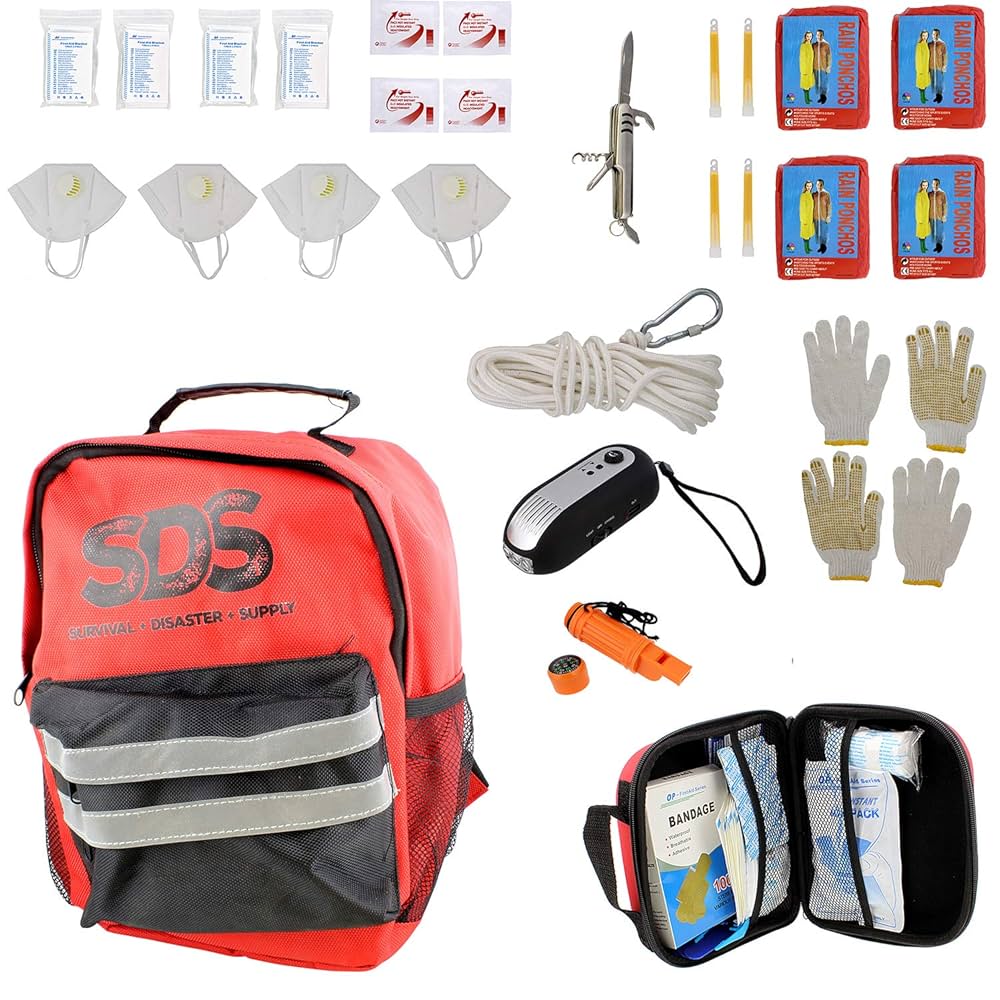
Multi-tools combine several functions in one device. They often include pliers, screwdrivers, scissors, and knives. A good multi-tool is compact and fits easily in your pocket or bag.
Knives are crucial for cutting ropes, preparing food, and self-defense. Pick a knife with a strong, sharp blade and a secure handle. Folding knives are safer and easier to carry.
Check that your tools are rust-resistant and have a locking mechanism. Practice using them before an emergency happens.
Flashlights And Batteries
Flashlights provide light during power outages or at night. Choose LED flashlights because they last longer and use less power. A waterproof model is best for wet conditions.
Always pack extra batteries of the correct size. Store them in a dry container to avoid damage. Consider rechargeable batteries and a solar charger for sustainability.
Keep your flashlight within easy reach. Test it regularly to ensure it works when needed.
Personal Documents And Cash
When preparing your tsunami survival kit, including personal documents and cash is crucial. These items ensure you can prove your identity, access services, and manage expenses when normal systems are down. Think about what you would need if you had to leave your home quickly and couldn’t rely on digital access.
Important Identification
Keep copies of essential identification documents in a waterproof bag. This can include your passport, driver’s license, birth certificate, and any medical cards. Having these on hand can speed up recovery processes like getting emergency aid or verifying your identity.
Consider digital backups stored securely on a USB drive or cloud service, but don’t rely solely on them. Power outages or lack of internet access during a disaster can make digital files inaccessible. Physical copies remain your safest bet.
Emergency Cash
Cash is king during emergencies. Credit card machines and ATMs often stop working during power outages, so having cash lets you buy essentials without hassle. Keep small bills and coins handy for convenience.
Store the cash in a secure, waterproof container within your kit. You might also want to split the money into multiple places, so losing one stash doesn’t leave you completely stranded. How much cash is enough? Aim for at least enough to cover a few days of basic needs like food, water, and transport.
Special Items
When preparing a tsunami survival kit, don’t forget the special items that cater to the unique needs of your family. These items ensure everyone stays safe and comfortable during an emergency. Tailoring your kit to include essentials for infants, elderly family members, and pets can make a big difference in how well you cope with the situation.
Items For Infants And Elderly
Infants and elderly people have specific needs that require extra attention. For infants, include enough formula, baby food, diapers, and wipes to last several days. Don’t forget a manual can opener if you pack canned baby food.
Elderly family members might need medications, hearing aids with extra batteries, glasses, and mobility aids like canes or walkers. Adding comfort items such as blankets or favorite small pillows can reduce stress during evacuation. How often do you check the expiration dates on medications in your kit?
Pet Supplies
Your pets depend on you during emergencies, so include their essentials too. Pack enough pet food, water, and bowls for at least three days. Don’t forget a leash, collar with ID tags, and any medications your pet needs.
Adding a pet first aid kit and a favorite toy can help keep your pet calm. Have you thought about how you’ll transport your pet if you need to evacuate quickly? Including a sturdy carrier or crate in your kit solves this problem and keeps your pet safe.

Credit: sealiontrailers.com

Credit: www.amazon.com
Frequently Asked Questions
What Essential Items Are Needed In A Tsunami Survival Kit?
A tsunami survival kit should include water, non-perishable food, first aid supplies, flashlight, batteries, whistle, and emergency blankets. These items ensure you stay hydrated, fed, and safe during evacuation or after a tsunami hits.
How Much Water Should I Pack For Tsunami Survival?
Pack at least one gallon of water per person per day for three days. This amount helps prevent dehydration when clean water sources are unavailable after a tsunami.
Why Are Waterproof Containers Important For Survival Kits?
Waterproof containers protect your supplies from water damage during flooding. They keep food, documents, and electronics dry and usable after a tsunami event.
Should I Include Communication Tools In My Tsunami Kit?
Yes, include a battery-powered radio and a whistle. These tools help you receive emergency updates and signal rescuers if trapped.
Conclusion
A tsunami survival kit can save lives in an emergency. Pack water, food, and first aid supplies. Include flashlights, batteries, and important documents. Don’t forget warm clothes and a whistle for help. Keep the kit easy to carry and check it often.
Being ready means you can stay safer and calmer. Prepare today and protect your family from danger. Simple steps make a big difference during a tsunami. Stay safe, stay prepared.