Have you ever wondered how horses manage to stay strong and healthy when the temperature drops? If you care about your horse’s well-being or are simply curious, understanding how these amazing animals survive cold weather is key.
You might be surprised to learn about the natural tricks horses use to keep warm and how you can help them through harsh winters. Keep reading to discover the secrets behind your horse’s winter survival and ensure they stay comfortable no matter how chilly it gets.
Credit: www.manitobacooperator.ca
Cold Weather Challenges
Horses face several challenges in cold weather. Their bodies must fight to stay warm and healthy. The cold can affect their energy, comfort, and overall health. Understanding these challenges helps us care for horses better during winter.
Effects Of Low Temperatures
Cold temperatures make it hard for horses to keep warm. Their bodies work harder to maintain heat. This uses more energy, so horses need more food. Without enough nutrition, they can lose weight quickly.
Low temperatures also slow down blood flow. This can cause stiffness in muscles and joints. Horses may become less active and more prone to injuries. Their immune system can weaken, increasing illness risk.
Wind And Moisture Impact
Wind makes cold feel much worse. It strips away the layer of warm air near the horse’s skin. This causes faster heat loss and chills the horse quickly.
Moisture from rain or snow soaks the coat. Wet hair loses its ability to trap heat. Wet horses get cold faster and can develop skin problems like rain rot.
Strong wind and wet conditions together increase the risk of hypothermia. Horses need shelter and dry areas to stay safe in harsh weather.
Natural Adaptations
Horses have special features that help them live through cold weather. Their bodies change naturally to keep warm and safe. These changes work together to protect horses from freezing temperatures. They help horses stay comfortable without needing extra shelter or blankets.
Thick Winter Coat
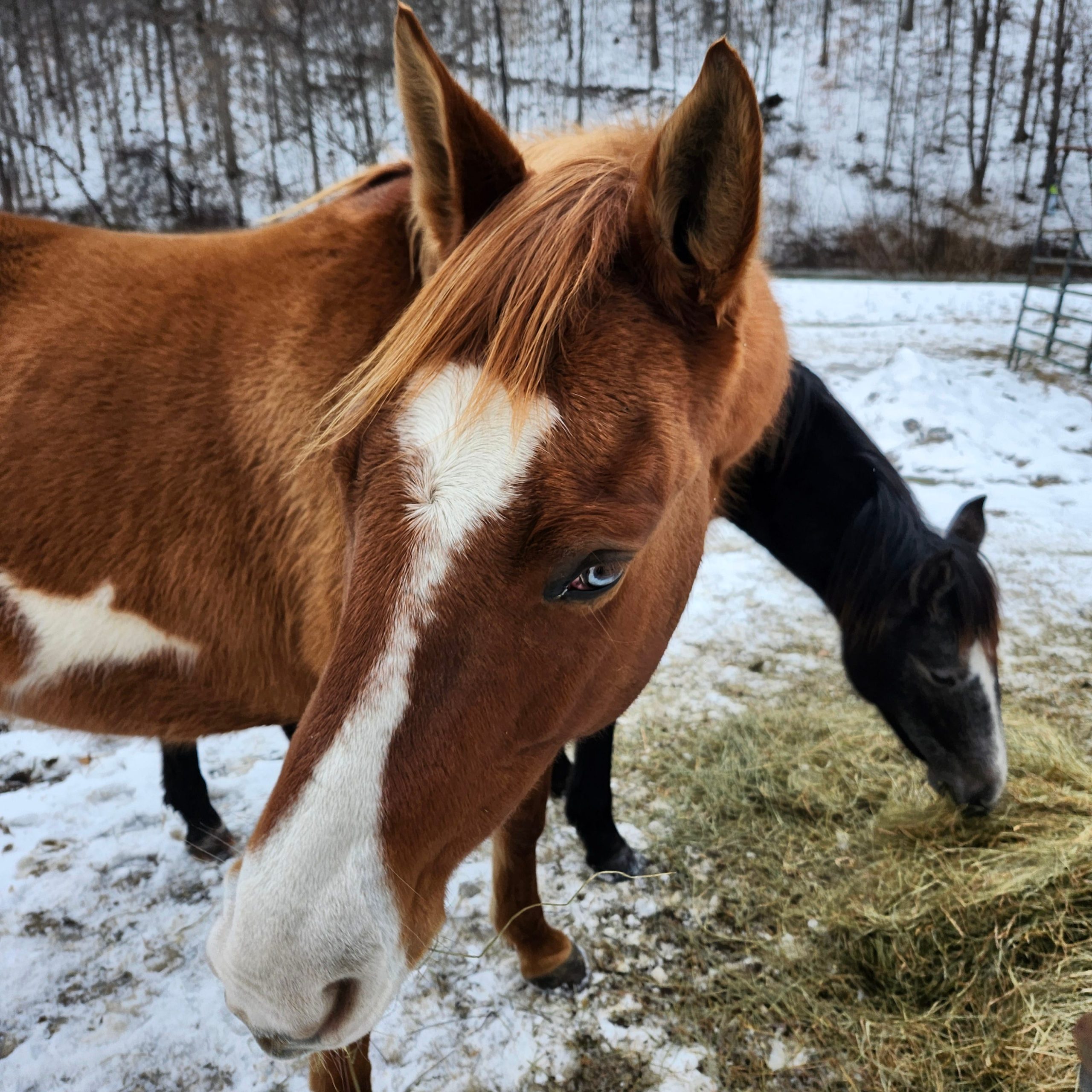
Horses grow a thick winter coat as temperatures drop. This coat has long, dense hairs that trap heat close to the skin. It acts like a natural blanket, stopping cold air from reaching the body. The coat also sheds water, keeping the horse dry in snow or rain. This thick fur is one of the best ways horses stay warm.
Body Fat And Insulation
Horses build up body fat to add extra insulation. This fat layer stores energy and keeps heat inside the body. It covers vital organs and helps maintain body temperature. The extra fat also protects horses during times when food is scarce. It works as a natural barrier against cold air and wind.
Reduced Blood Flow To Extremities
Horses control blood flow to stay warm in cold weather. They reduce blood flow to their ears, legs, and tail. This limits heat loss from these parts. Blood flow remains strong around the core to protect vital organs. This smart adjustment helps horses save energy and avoid frostbite.
Behavioral Strategies
Horses rely heavily on their behavior to manage cold weather. Their natural instincts and actions help them maintain body heat and protect themselves from harsh conditions. Understanding these behavioral strategies can show you how horses adapt and thrive even in the chilliest environments.
Seeking Shelter
Horses look for natural or man-made shelters to block wind and precipitation. Trees, barns, or windbreaks provide crucial protection against cold drafts. Have you ever noticed how a horse will stand quietly under a tree during a winter storm? That’s them actively reducing heat loss.
Huddling For Warmth
When the cold bites, horses often stand close together. This behavior helps share body heat and reduces exposure to the cold air. You might see a group of horses forming a tight circle, their heads tucked in and bodies touching. It’s a simple but effective way to stay warmer as a team.
Adjusting Activity Levels
Horses change their movement patterns based on temperature. They might move less to conserve energy or increase activity to generate heat. Watching a horse pace or trot during a cold day is a sign it’s trying to keep warm naturally. How do you adjust your horse’s routine to match the winter chill?
Credit: pethelpful.com
Dietary Adjustments
Cold weather pushes horses to adjust their diets to keep warm and healthy. Their bodies work harder to maintain temperature, so what they eat becomes crucial. Paying attention to their food intake can make a big difference in their comfort and energy levels during winter.
Increased Forage Intake
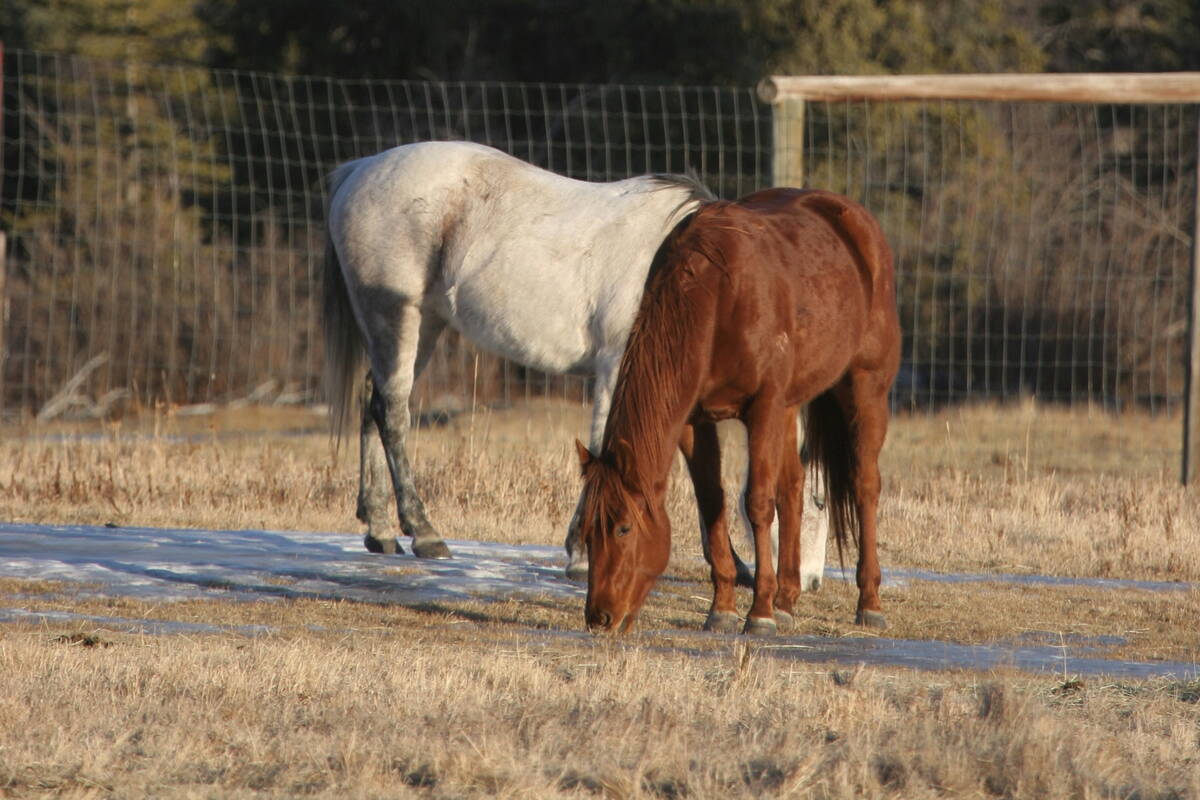
Horses naturally eat more hay or grass in cold weather because digesting forage produces heat. This process, called fermentation, helps them stay warm from the inside out. You might notice your horse eating steadily throughout the day—this isn’t just hunger, it’s their natural heating system at work.
Try offering good-quality hay multiple times a day rather than one big meal. This keeps their digestive system active and supports constant heat generation. Have you observed your horse nibbling more often during chilly days?
Energy-rich Foods
Besides eating more forage, horses benefit from extra energy sources like grains or fats in winter. These foods provide quick calories that help maintain body weight and stamina. Adding a handful of oats or a bit of vegetable oil to their feed can boost their energy without overfeeding.
But be careful—too many grains can upset digestion. Balance is key. Notice how your horse responds to dietary changes and adjust accordingly to avoid issues like colic or weight gain.
Hydration Needs
Cold weather can make horses drink less, which affects their digestion and overall health. You need to encourage water intake by offering warm water or adding flavor like a splash of apple juice. This simple trick often makes water more appealing when temperatures drop.
Frozen water buckets are a common problem, so check them frequently. Ensuring your horse stays hydrated supports proper digestion and prevents complications like impaction colic. Have you tried warming their water during winter?
Human Care Tips
Keeping horses comfortable in cold weather takes more than just letting them tough it out. Your care makes a huge difference in how well they handle the chill. Small adjustments in shelter, blanketing, and health checks can mean the difference between a happy horse and one struggling through winter.
Proper Shelter Design
Good shelter blocks the wind and keeps your horse dry. A simple three-sided shed facing away from prevailing winds is often enough. Ensure the shelter has enough space for all your horses to lie down comfortably without crowding.
Flooring matters too. A dry, well-drained surface like gravel or wood chips prevents cold and mud buildup. Think about adding extra bedding like straw to provide warmth and insulation.
Blanketing Horses
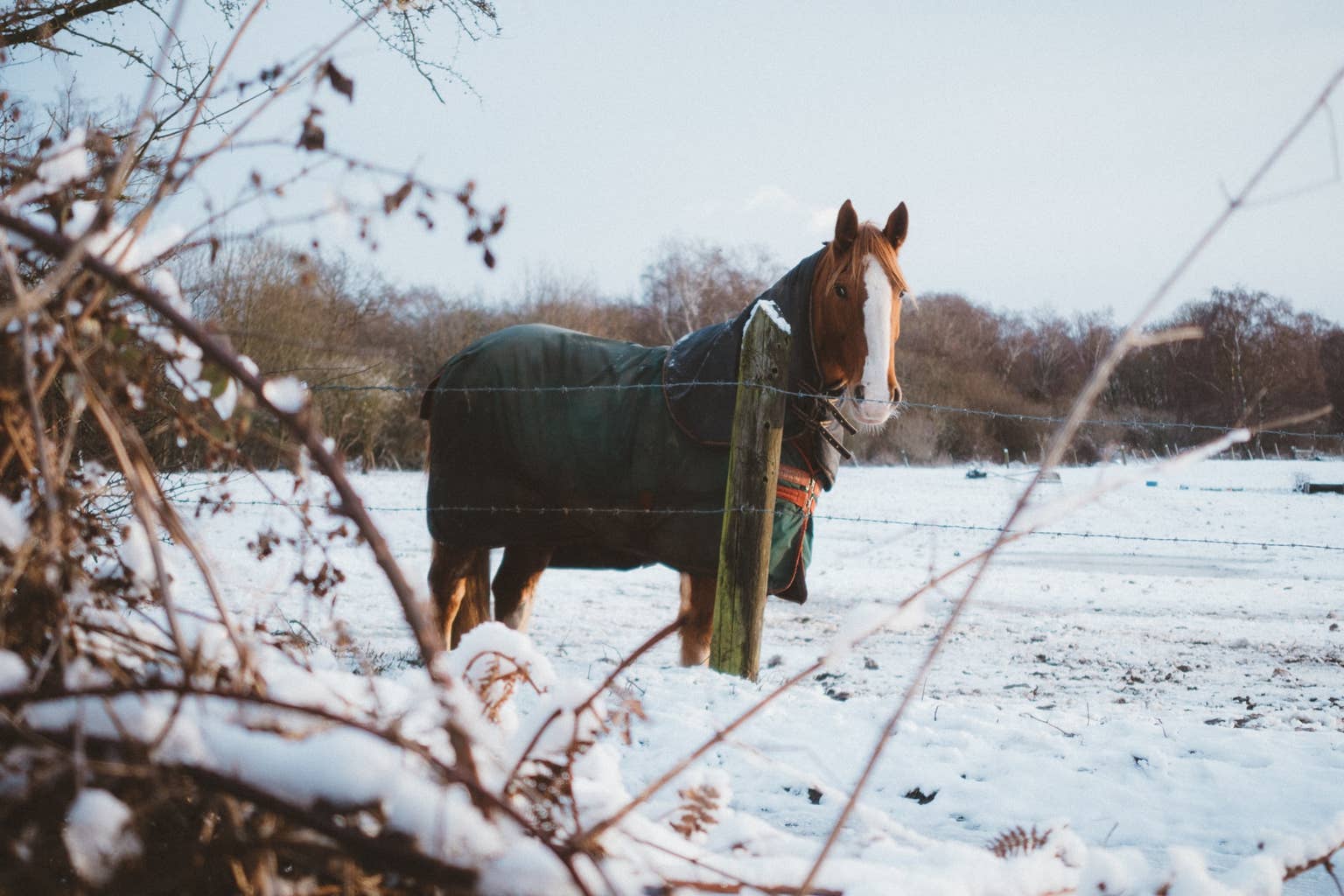
Blankets can help, but not every horse needs one. Horses with thick winter coats or those used to cold climates often stay warm on their own. If your horse is clipped, older, or underweight, a well-fitted blanket can keep them comfortable.
- Check the blanket daily for wet spots or damage.
- Remove blankets during sunny days to avoid overheating.
- Choose waterproof and breathable materials for best results.
Remember, blanketing isn’t a substitute for proper nutrition and shelter.
Monitoring Health Signs
Watch your horse closely for signs of cold stress. Shivering, lethargy, or a dull coat can indicate they are struggling. Regularly check their body condition to make sure they’re maintaining weight.
Keep an eye on water intake too. Horses may drink less in winter, which can lead to dehydration and colic. Make sure water sources are not frozen and are easy to access.
Ask yourself: are you noticing subtle changes in behavior that might signal discomfort? Early detection helps you act before problems worsen.

Credit: www.youtube.com
Frequently Asked Questions
How Do Horses Stay Warm In Winter?
Horses stay warm through a thick winter coat, trapping heat close to their bodies. Their skin’s natural oils provide additional insulation. Horses also generate heat by consuming more forage, which increases their metabolism. Their ability to shiver helps raise body temperature, ensuring they remain comfortable in cold weather.
Can Horses Live Outside In Winter?
Yes, horses can live outside in winter if they have proper shelter. A windbreak or a three-sided shed offers protection from harsh weather. Access to fresh water and hay is crucial. These provisions ensure horses maintain their body condition and stay healthy throughout the colder months.
Do Horses Need Blankets In Cold Weather?
Not all horses need blankets in cold weather. Horses with thick winter coats usually manage well without them. However, older, sick, or clipped horses might benefit from blankets. It’s essential to monitor their condition and adjust as necessary to ensure they remain warm and comfortable.
What Food Helps Horses In Winter?
Forage, like hay, is vital for horses in winter. It provides energy and helps generate body heat through digestion. High-fiber diets are ideal, as they maintain body condition. Some horses may require additional grain or supplements, but it’s essential to consult a veterinarian for specific dietary needs.
Conclusion
Horses stay warm in cold weather by growing thick coats. They eat more food to keep energy high. Their bodies reduce heat loss with fat layers. Horses huddle together to share warmth and stay safe. Shelter from wind and rain helps them stay dry.
Owners can support horses with proper care and feeding. Nature and good care help horses survive winter well. Cold weather is tough, but horses adapt and stay strong.