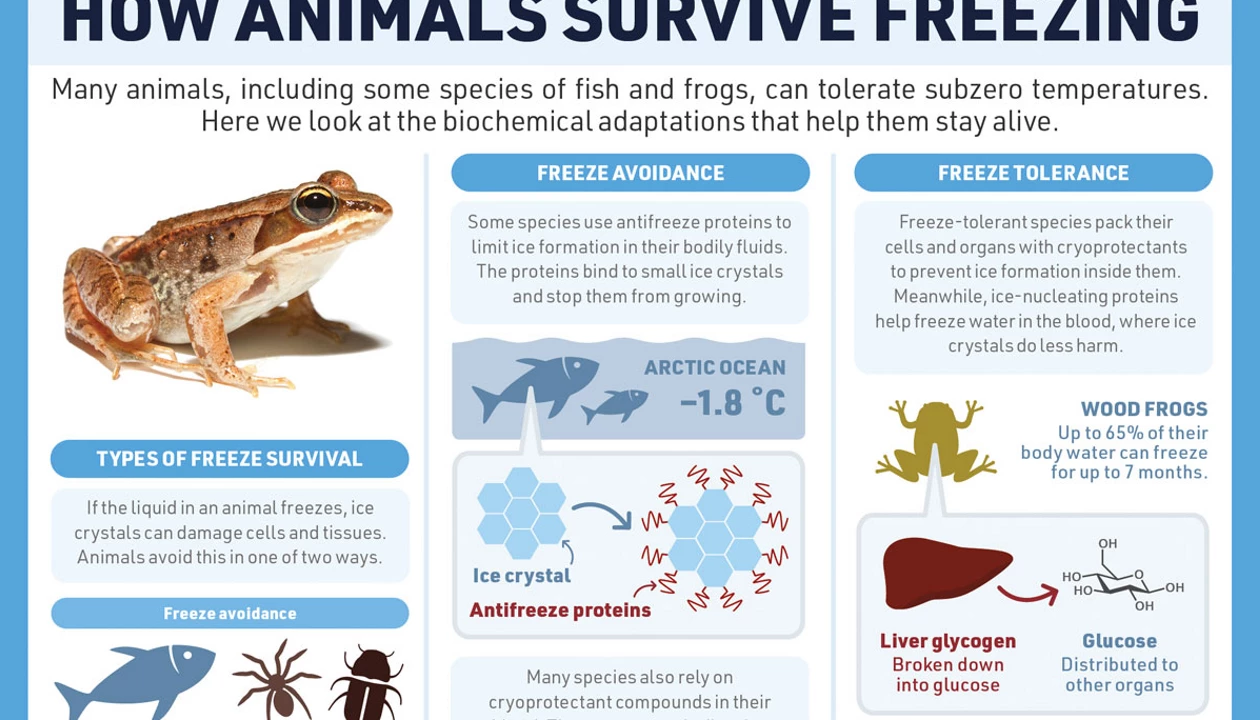
Have you ever wondered how animals manage to live through freezing winters and icy landscapes? When the cold bites hard and snow covers everything, most creatures struggle to stay warm.
Yet, some animals not only survive but thrive in these harsh conditions. How do they do it? You’ll discover the clever tricks and natural adaptations that keep them alive when temperatures drop far below zero. By the end, you’ll see nature’s resilience in a whole new light—and maybe even learn a thing or two that could help you face your own cold days.
Keep reading to unlock these fascinating survival secrets!
Cold Climate Challenges
Animals face many challenges in cold climates. These environments test their strength and survival skills. The cold climate presents extreme conditions that affect every part of their lives. Understanding these challenges helps us see how animals adapt and thrive.
Temperature Extremes
Temperatures in cold regions can drop below freezing for long periods. Animals must stay warm to survive. They use thick fur, fat layers, and special behaviors to keep heat. Some reduce activity to save energy during the coldest times.
Limited Food Sources
Food is scarce in cold weather. Plants grow slowly or not at all. Animals must find alternative food or store energy. Many rely on fat reserves or hunt carefully. Survival depends on smart food choices and timing.
Harsh Terrain
Snow, ice, and rough ground make movement hard. Animals develop strong legs, wide feet, or claws to move easily. Some dig burrows or find sheltered places to avoid the worst conditions. Navigating this terrain is key to finding food and safety.

Credit: www.timesnownews.com
Physical Adaptations
Animals living in extreme cold environments have developed remarkable physical adaptations to stay warm and survive. These adaptations work like natural tools, helping them conserve heat and protect their bodies from freezing temperatures. Understanding these features can inspire you to think differently about how living beings adjust to their surroundings.
Insulating Fur And Feathers
Thick fur and dense feathers trap warm air close to an animal’s body, creating a natural blanket against the cold. Some animals, like the Arctic fox, grow extra fluffy winter coats that shed in warmer months. Birds such as penguins have tightly packed feathers that overlap to keep water and cold out while locking in heat.
Have you noticed how your winter jacket mimics this natural insulation? The way animals use their fur and feathers shows how layering works perfectly to keep you warm too.
Fat Layers And Blubber
Fat is more than just stored energy—it acts as a powerful insulator. Marine mammals like seals and whales rely on thick layers of blubber beneath their skin to maintain body heat in icy waters. On land, animals such as polar bears also build up fat to survive long, cold winters.
This fat layer slows down heat loss and protects vital organs. Think about how you might feel wrapped in a thick blanket—fat works much the same way inside these animals.
Body Size And Shape
Body shape plays a big role in heat retention. Animals in cold climates often have compact bodies with shorter limbs, which reduce the surface area exposed to the cold air. The snowshoe hare, for example, has smaller ears and limbs in winter to minimize heat loss.
Could changing your posture or how you expose your skin to cold make a difference in your warmth? Nature’s design teaches us that smaller, rounder shapes help keep heat in and cold out.
Behavioral Strategies
Animals use a variety of behavioral strategies to survive in extreme cold weather. These strategies help them reduce heat loss, find food, and stay safe from harsh conditions. Understanding these behaviors can give you insight into how nature adapts to challenges you might face in your own life.
Migration Patterns
Many animals avoid the cold by moving to warmer areas. Birds like geese and swans fly thousands of miles to find milder climates during winter. This migration is triggered by changes in daylight and temperature, showing how sensitive animals are to their environment.
Have you ever wondered how animals know when and where to migrate? They use a mix of instinct and environmental cues, like the position of the sun and the Earth’s magnetic field. This ability helps them survive when food and shelter become scarce.
Huddling And Social Behavior
Animals often gather in groups to stay warm. Penguins, for example, form tight huddles to share body heat and protect each other from the freezing wind. This social behavior significantly reduces energy loss.
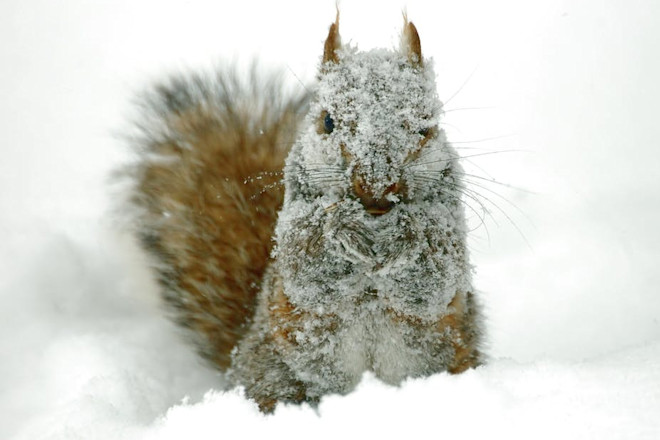
You can see similar strategies in squirrels and bats, which sleep close together to conserve warmth. This shows the power of teamwork in nature, where sticking together increases everyone’s chances of survival.
Burrowing And Sheltering
Many animals dig burrows or find natural shelters to escape the cold. Arctic foxes and polar bears use dens to protect themselves and their young from freezing temperatures. These shelters act as natural insulation against the chill outside.
Even small insects burrow under leaves or soil to avoid frost. These simple actions remind you that sometimes the best solution is to find a safe spot and wait out the storm.
Credit: www.discovermagazine.com
Metabolic Adjustments
Animals have developed remarkable metabolic adjustments to survive extreme cold. These changes help them manage energy efficiently and maintain body heat. Understanding these adaptations can give you insight into nature’s clever survival tactics.
Lowering Metabolic Rate
Some animals slow down their metabolism to conserve energy during cold periods. This reduction means their bodies use less fuel, helping them survive when food is scarce. You might find it surprising that this metabolic slowdown can be so extreme that animals enter states similar to hibernation.
For instance, certain Arctic ground squirrels can lower their body temperature close to freezing, cutting their metabolic rate drastically. This allows them to save energy over long winters without needing constant food intake. Could you imagine controlling your own energy use that precisely?
Shivering And Heat Production
Shivering is a quick way animals generate heat. When muscles contract rapidly, they produce warmth, helping to keep the body temperature stable. You may have felt this yourself when cold—your body’s natural heater kicks in.
However, shivering is energy-intensive and can’t last forever. That’s why animals balance it with other heat-producing methods, like non-shivering thermogenesis found in brown fat. This fat burns calories to create heat without muscle movement, a trick that’s been studied for human health benefits too.
Fat Storage And Energy Use
Fat acts as both insulation and an energy reserve for cold-weather animals. Many build up thick layers of fat before winter arrives, which helps trap heat inside their bodies. Have you noticed how seals and whales have thick blubber that keeps them warm in icy waters?
Stored fat provides fuel during times when hunting or foraging is difficult. Animals carefully manage this energy, burning fat slowly to last through harsh conditions. It’s a delicate balance—using too much too soon could be fatal.
Specialized Sensory Adaptations
Animals living in cold climates have special senses to survive harsh conditions. These sensory adaptations help them find food, avoid danger, and stay warm. Their senses work better in the cold than those of other animals. These abilities give them a strong advantage in extreme weather.
Enhanced Vision And Hearing
Many cold-weather animals have sharp eyesight to see in low light. The winter days are often short and dark. Their eyes can detect movement and shapes even in dim light. This helps them hunt or avoid predators.
Hearing is also very important. Some animals can hear sounds from far away or under snow. This helps them locate prey or stay alert to danger. Their ears may be shaped to catch more sound waves. These senses work well even in strong winds and snowstorms.
Thermal Regulation Senses
Animals sense temperature changes to protect themselves from freezing. They have special nerve endings that detect cold and heat. This helps them find warm shelters or huddle with others.
Some animals can feel tiny changes in air temperature. This triggers behaviors like fluffing fur or moving to sunny spots. These senses help keep their body heat stable.
Thermal sensors also warn animals about ice or frozen ground. They avoid slipping or unsafe places. These adaptations help them survive long winters and frozen landscapes.
Examples Of Cold-adapted Animals
Animals living in freezing environments show amazing adaptations. These changes help them stay warm and survive harsh winters. Their bodies, fur, and behaviors work together to fight the cold. Some animals use thick fur, others store fat, or change their habits to cope with low temperatures.
Here are some well-known examples of animals adapted to cold climates. Each species has unique traits that help it live in icy conditions.
Polar Bears
Polar bears have thick fur and a fat layer under their skin. Their fur is water-repellent and traps heat. They have large paws that spread their weight on ice. This helps them walk without breaking thin ice. Polar bears hunt seals, which provide high-energy food to survive cold times.
Arctic Foxes
Arctic foxes grow dense, white fur in winter for warmth and camouflage. Their small ears reduce heat loss. They curl up tightly to protect their face and paws from cold winds. Arctic foxes eat small animals and scavenge leftovers, adapting their diet to winter scarcity.
Emperor Penguins
Emperor penguins have thick feathers and a layer of fat for insulation. They huddle in large groups to save heat. Their feathers are waterproof, keeping their skin dry in icy water. These penguins breed during winter, enduring the cold with strong social bonds.
Caribou
Caribou have hollow hair that traps air for insulation. Their wide hooves act like snowshoes to walk on snow easily. They migrate to find food and avoid the coldest areas. Caribou eat lichens, which survive under snow, providing nutrition during winter.
Credit: www.mass.gov
Frequently Asked Questions
How Do Animals Stay Warm In Freezing Temperatures?
Animals stay warm in freezing temperatures through various adaptations. They grow thicker fur or feathers, store body fat, and some even hibernate. Certain species, like penguins, huddle together to conserve heat. These strategies help them maintain body temperature and survive in extreme cold conditions.
What Is Hibernation And How Does It Help?
Hibernation is a survival strategy where animals enter a deep sleep-like state. It helps animals conserve energy by slowing down their metabolism. This process reduces the need for food when resources are scarce. Hibernation is crucial for surviving harsh winters in extreme cold environments.
Which Animals Migrate To Escape Cold Weather?
Many animals migrate to escape cold weather, including birds, whales, and caribou. Migration allows them to find warmer climates and abundant food sources. This seasonal movement ensures their survival during harsh winter months when resources become limited.
How Do Animals Find Food In Winter?
Animals find food in winter by using various strategies. Some store food in advance, while others rely on keen senses to locate scarce resources. Predators may hunt more actively, and herbivores might dig through snow to reach vegetation. These tactics help them survive when food is limited.
Conclusion
Animals adapt in many ways to survive cold weather. Thick fur and fat keep them warm. Some animals hibernate or slow their body functions. Others change behavior or find shelter from the cold. These strategies help them live through harsh winters.
Nature’s designs show amazing strength and balance. Survival in extreme cold is a true test of life. Understanding these adaptations helps us appreciate wildlife more. It also reminds us how life can thrive in tough conditions.