Imagine facing an unexpected situation where you can’t leave your home for days. What foods would keep you and your family safe and well-nourished?
Having the right emergency food supplies on hand isn’t just smart—it can make all the difference when time is critical. You’ll discover exactly what foods to stock up on, how they can support your health, and why some choices are better than others.
Keep reading to learn how to prepare your kitchen for any surprise, so you’re never caught off guard.

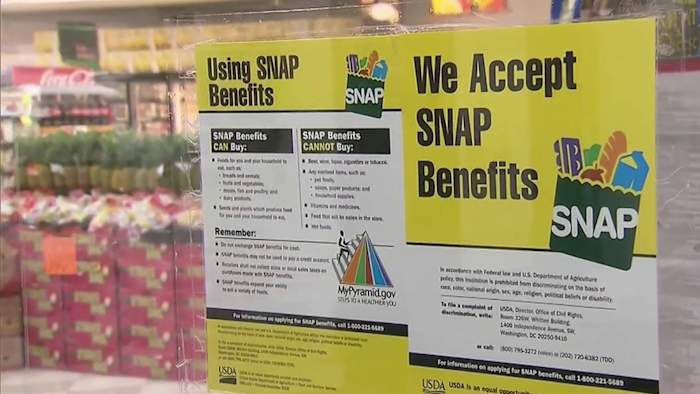
Credit: www.multicare.org
Non-perishable Staples
Non-perishable staples form the foundation of any emergency food supply. These foods last a long time without refrigeration. They provide essential nutrients during difficult times. Stocking up on them ensures you have reliable food sources.
Choose items that store well and are easy to prepare. Focus on variety to keep meals balanced and interesting. These staples help maintain energy and health during emergencies.
Canned Goods
Canned goods offer convenience and long shelf life. They include vegetables, fruits, soups, and sauces. Canned beans and meats add protein and fiber to your diet. Look for low-sodium options to stay healthy. Rotate cans regularly to use older ones first.
Dried Grains And Legumes
Dried grains and legumes store well and are filling. Examples include rice, oats, lentils, and dried beans. These foods provide carbohydrates and protein. They cook quickly and can be used in many dishes. Keep them in airtight containers to avoid moisture.
Shelf-stable Proteins
Shelf-stable proteins are essential for muscle repair and energy. Options include peanut butter, canned tuna, and jerky. Powdered eggs and protein bars work well too. These foods require no refrigeration and last long. Include a mix to suit different tastes and needs.

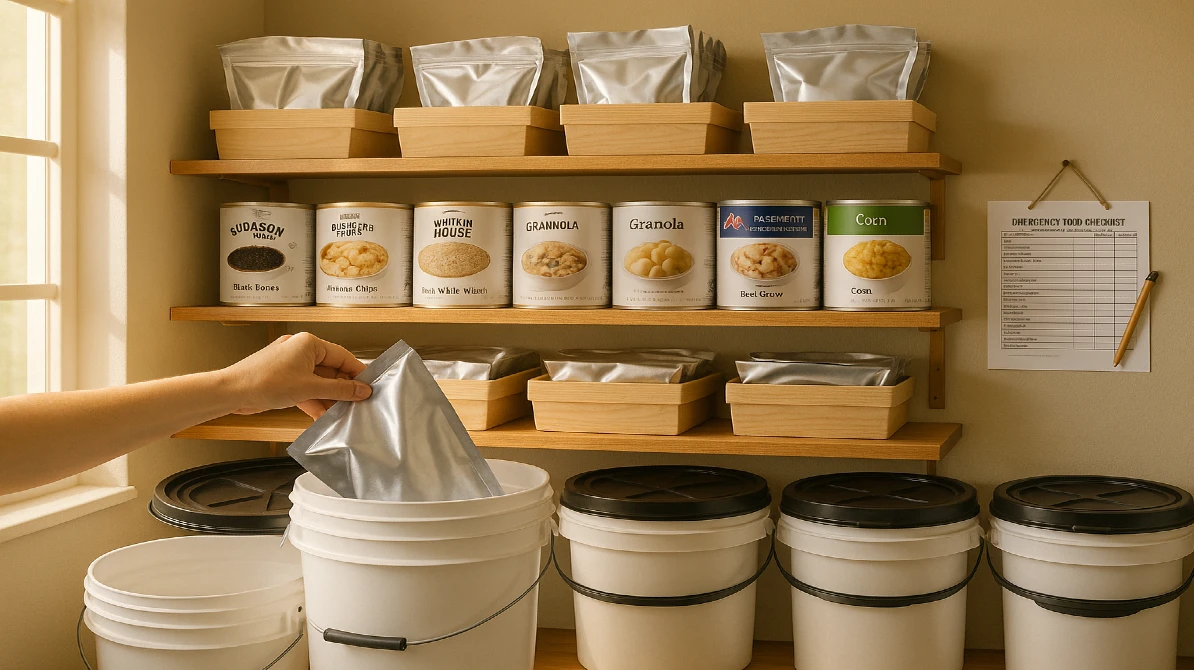
Credit: trueprepper.com
High-energy Foods
High-energy foods are essential during emergencies. They provide the body with quick fuel and keep energy levels stable. These foods often contain healthy fats, protein, and carbohydrates. They are easy to store and have a long shelf life. Keeping these foods handy ensures you stay strong and alert when help may take time to arrive.
Nuts And Seeds
Nuts and seeds are small but packed with energy. They contain healthy fats, protein, and fiber. These nutrients help maintain energy for hours. Almonds, walnuts, sunflower seeds, and pumpkin seeds are great choices. Store them in airtight containers to keep them fresh. They can be eaten raw or roasted for a tasty snack.
Energy Bars And Trail Mix
Energy bars and trail mix offer a quick energy boost. Energy bars combine carbohydrates, protein, and fats in a compact form. Look for bars with natural ingredients and low sugar. Trail mix blends nuts, seeds, and dried fruits. It provides a balance of sweetness and crunch. Both options are lightweight and easy to carry, perfect for emergencies.
Nut Butters
Nut butters like peanut and almond butter are rich in calories. They provide healthy fats and protein to fuel your body. Nut butters spread easily on bread or crackers. They also pair well with fruits for a nutritious snack. Choose natural nut butters without added sugar or oils. Store them in cool, dry places for longer shelf life.
Hydration Essentials
Staying hydrated is crucial during emergencies. Water supports every function in the body. Without enough fluids, health risks rise quickly. Keep a good supply of hydration essentials ready at all times.
Bottled Water
Bottled water is the simplest way to ensure safe drinking water. Store enough for at least three days per person. Choose bottles with sturdy seals to prevent leaks. Keep them in a cool, dark place. Rotate supplies regularly to maintain freshness.
Water Purification Options
In case bottled water runs out, water purification tools are vital. Portable water filters remove bacteria and impurities. Water purification tablets kill harmful germs. Boiling water for one minute also makes it safe. Always have a backup method to treat water from natural sources.
Electrolyte Solutions
Electrolytes help balance body fluids and prevent dehydration. Oral rehydration salts (ORS) mix easily with water. Sports drinks supply essential minerals but watch for added sugar. Keep small packets or ready-made drinks in your emergency kit. These solutions support energy and hydration during stress or illness.
Vitamins And Supplements
Keeping a supply of vitamins and supplements is smart for emergency preparedness. These help maintain health when fresh foods are scarce. Nutrients support energy, immunity, and overall wellness. Including key supplements ensures your body gets what it needs during tough times.
Multivitamins
Multivitamins offer a broad mix of essential nutrients. They fill gaps when diet lacks variety. In emergencies, balanced nutrition is hard to achieve. A daily multivitamin helps prevent nutrient deficiencies. Choose one with vitamins A, B, C, D, E, and minerals like zinc and iron.
Vitamin C And Immune Boosters
Vitamin C strengthens the immune system and fights infections. It also helps heal wounds faster. Having extra vitamin C on hand is wise. Other immune boosters include zinc and elderberry supplements. These support your body’s defense against sickness during stressful conditions.
Electrolyte Tablets
Electrolyte tablets replace minerals lost through sweating or dehydration. They keep hydration balanced and prevent cramps or fatigue. Tablets are lightweight and easy to store. Important electrolytes include sodium, potassium, and magnesium. Carry them for quick recovery after physical strain or illness.
Special Dietary Needs
Special dietary needs require careful planning for emergency food supplies. Certain health conditions or lifestyle choices limit what people can eat. Stocking foods that meet these needs ensures everyone stays nourished during tough times.
Choosing foods that suit specific diets avoids health risks and discomfort. It also makes emergency eating less stressful. Keep a variety of options ready to cover all nutritional bases.
Gluten-free Options
Gluten-free foods are vital for those with celiac disease or gluten sensitivity. These foods help prevent digestive problems and other symptoms. Include naturally gluten-free items like:
- Rice and quinoa
- Beans and lentils
- Gluten-free oats
- Canned vegetables and fruits
- Nut butters
- Gluten-free pasta and crackers
Check labels carefully to avoid hidden gluten. Store these foods in airtight containers to keep them fresh.
Vegetarian And Vegan Choices
Vegetarian and vegan diets exclude meat and animal products. Emergency supplies must include protein-rich plant foods. Examples are:
- Canned beans and chickpeas
- Lentils and split peas
- Nut and seed butters
- Plant-based milk alternatives
- Dried fruits and nuts
- Whole grains like brown rice and barley
These foods provide energy, vitamins, and minerals. They keep the diet balanced and satisfying during emergencies.
Allergy-friendly Foods
Food allergies require avoiding certain ingredients strictly. Stock hypoallergenic foods to prevent reactions. Safe emergency foods may include:
- Fresh fruits and vegetables
- Rice and corn-based products
- Plain canned meats (if no allergy)
- Sunflower seed butter as a peanut substitute
- Gluten-free grains
- Allergen-free snacks labeled clearly
Always read packaging to confirm no cross-contamination. Rotate supplies regularly to maintain safety and quality.

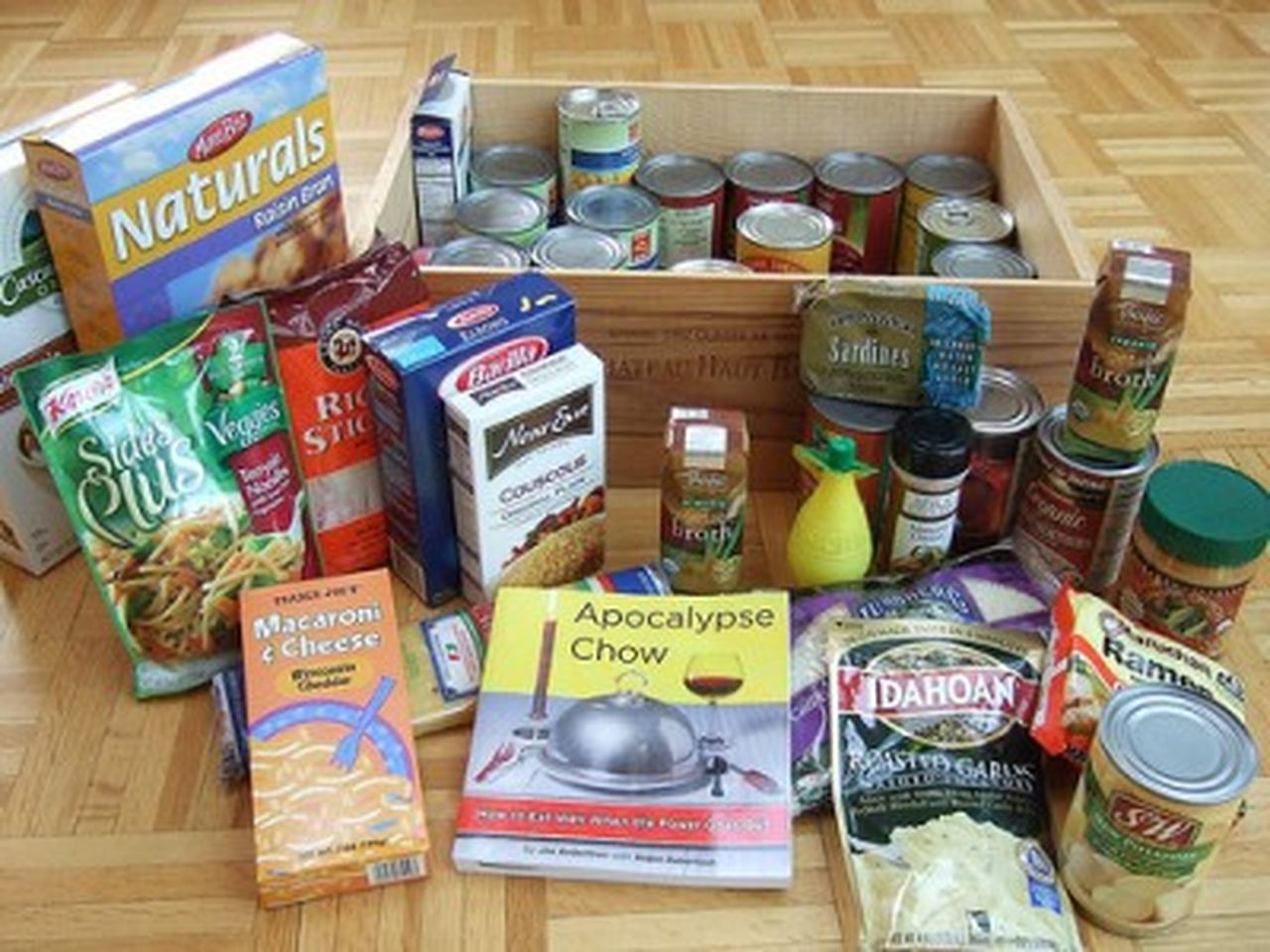
Credit: backpackerspantry.com
Food Storage Tips
Having the right foods stored is only part of being prepared for an emergency. How you store those foods can make all the difference in keeping them safe, fresh, and ready to use. Paying attention to storage details helps you avoid waste and ensures you have dependable nutrition when you need it most.
Proper Containers
Choosing the right containers protects your food from moisture, pests, and contamination. Airtight containers like glass jars, heavy-duty plastic bins, or vacuum-sealed bags work best.
Clear containers allow you to see what’s inside without opening them, which helps maintain freshness. Avoid thin plastic bags that can tear easily and let air in. Think about using food-grade buckets with sealed lids for bulk items like rice or beans.
Temperature Control
Food lasts longer when stored at the right temperature. Aim to keep your emergency food supply in a cool, dry place away from direct sunlight.
Rooms with consistent temperatures between 50°F and 70°F are ideal. Avoid spots like garages or attics where temperatures can swing drastically, because heat and humidity speed up spoilage.
Rotation And Expiration
Keeping track of expiration dates can prevent unpleasant surprises during an emergency. Practice the “first in, first out” rule by using older food before newer purchases.
Label containers with purchase or expiration dates to simplify rotation. Regularly check your stock and replace anything nearing expiration to keep your emergency pantry fresh and reliable.
Meal Preparation Tools
Having the right meal preparation tools can make a huge difference during an emergency. It’s not just about what food you store, but how you cook and eat it when traditional resources are unavailable. Choosing compact, reliable, and easy-to-use tools ensures you can prepare meals efficiently even in tough situations.
Portable Cooking Gear
Portable cooking gear lets you prepare hot meals anywhere. A lightweight camping stove or a small propane burner works well because they’re easy to carry and quick to set up. I once had a small butane stove that fit perfectly in my backpack, and it boiled water in minutes during a power outage—making all the difference for warm meals.
Consider gear that’s multi-functional, like a pot with a lid that doubles as a frying pan. You want something durable but not heavy, so you’re not weighed down when you move. What’s your go-to compact cooking tool when space is limited?
Utensils And Accessories
Don’t forget utensils—you’ll need a sturdy set for eating and cooking. A spork (spoon and fork combo) saves space and reduces the number of items you carry. Add a small, sharp knife for cutting and prepping food, and a lightweight cutting board if possible.
Accessories like a can opener and heat-resistant gloves protect your hands and help you manage hot pots safely. Having a small, foldable dish towel or cloth also makes cleaning easier. How prepared are you to cook and eat without your usual kitchen setup?
Fuel And Fire Starters
Fuel is the lifeblood of cooking gear. Stock up on small propane or butane canisters that fit your stove. Don’t overlook solid fuel tablets—they last long and are easy to store. I always keep a variety, just in case one runs out or becomes unavailable.
Fire starters like waterproof matches or a reliable lighter are essential. Some people carry ferro rods for a backup fire source. Can you imagine being stuck without a way to ignite your stove? Having multiple options means you’re ready for any challenge.
Frequently Asked Questions
What Non-perishable Foods Should I Stock For Emergencies?
Non-perishable foods are crucial for emergencies. Stock canned goods, dried fruits, nuts, and grains like rice or pasta. These items have long shelf lives and provide essential nutrients. Remember to include high-energy snacks and protein bars for quick energy boosts.
Always check expiration dates and rotate stock regularly.
How Much Water Should I Store For Emergencies?
For emergencies, store at least one gallon of water per person per day. It’s recommended to have a two-week supply for each person. This amount covers drinking and minimal hygiene needs. Ensure water is stored in clean, food-grade containers and keep it in a cool, dark place.
Why Are Canned Goods Essential For Emergencies?
Canned goods are vital for emergencies due to their long shelf life. They provide essential nutrients and are easy to store. Items like canned vegetables, fruits, and meats offer variety and nutrition. Make sure to have a manual can opener on hand.
Regularly check expiration dates to ensure freshness.
Are There Vegetarian Options For Emergency Food Supplies?
Yes, vegetarian options are available for emergency food supplies. Stock canned beans, lentils, quinoa, and dried fruits. These provide essential nutrients and proteins. Nuts and seeds are excellent for snacking and energy. Always check labels for added preservatives and rotate your stock to ensure freshness.
Conclusion
Having the right foods ready helps you stay safe during emergencies. Choose items that last long and give good energy. Keep water and easy-to-cook foods in your storage. Check your supplies regularly to avoid spoilage. Plan meals with variety to keep your body strong.
Being prepared reduces stress and keeps you calm. Start small and add more foods over time. Stay ready, stay safe, and take care of yourself.