
Have you ever wondered how feral cats manage to survive the freezing cold when you’re bundling up just to step outside? These tough, stray felines face harsh winter weather without a cozy home or warm blankets.
Yet, they find clever ways to stay alive and even thrive when temperatures drop. Understanding their survival tricks might surprise you—and could even inspire you to help animals in your own neighborhood. Keep reading to discover how feral cats brave the cold and what you can do to make a difference.
Feral Cats’ Natural Adaptations
Feral cats face harsh cold weather with strong natural adaptations. These help them stay warm and survive. Their bodies and behaviors change to handle lower temperatures. These adaptations are key for their survival outdoors.
Fur And Body Fat
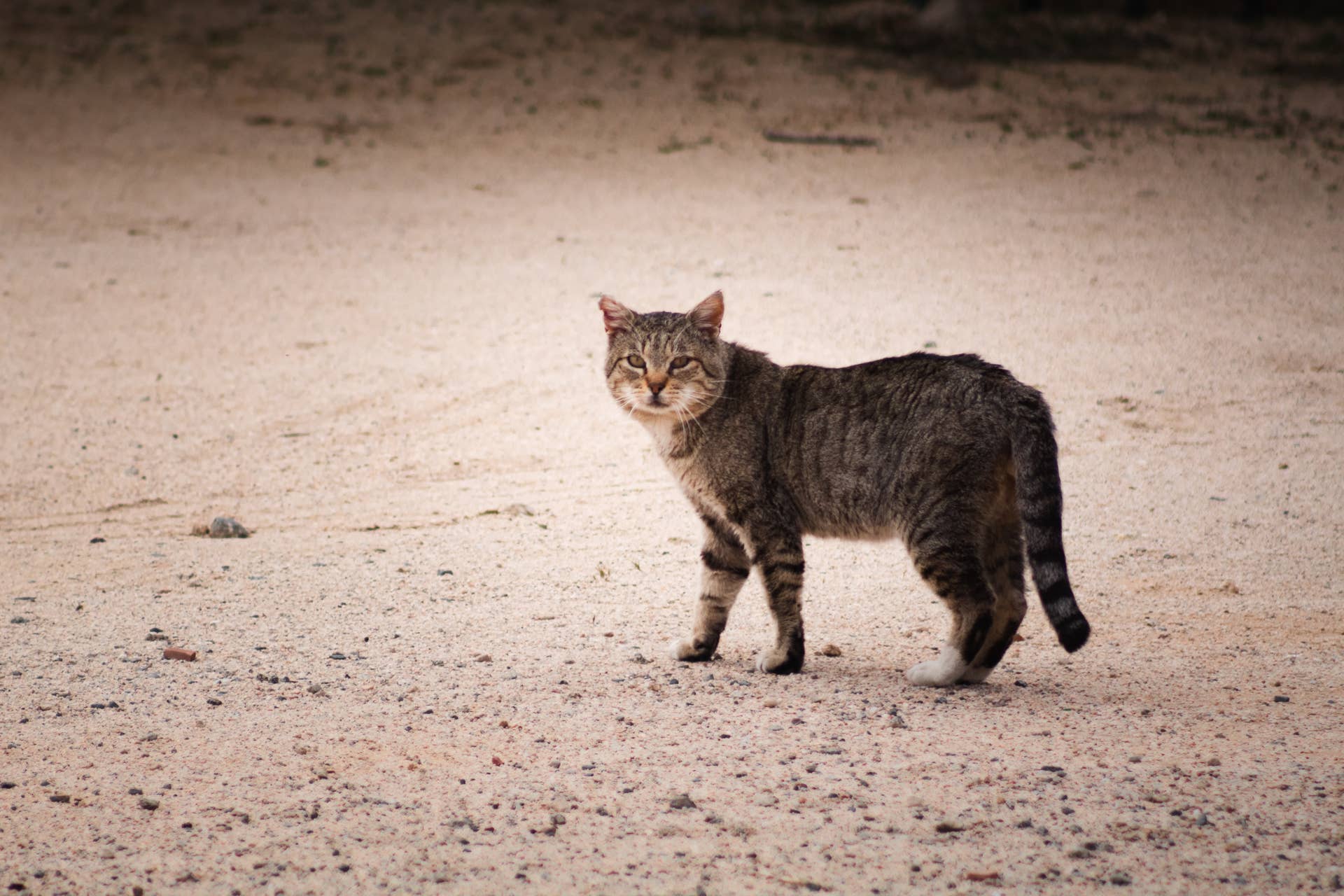
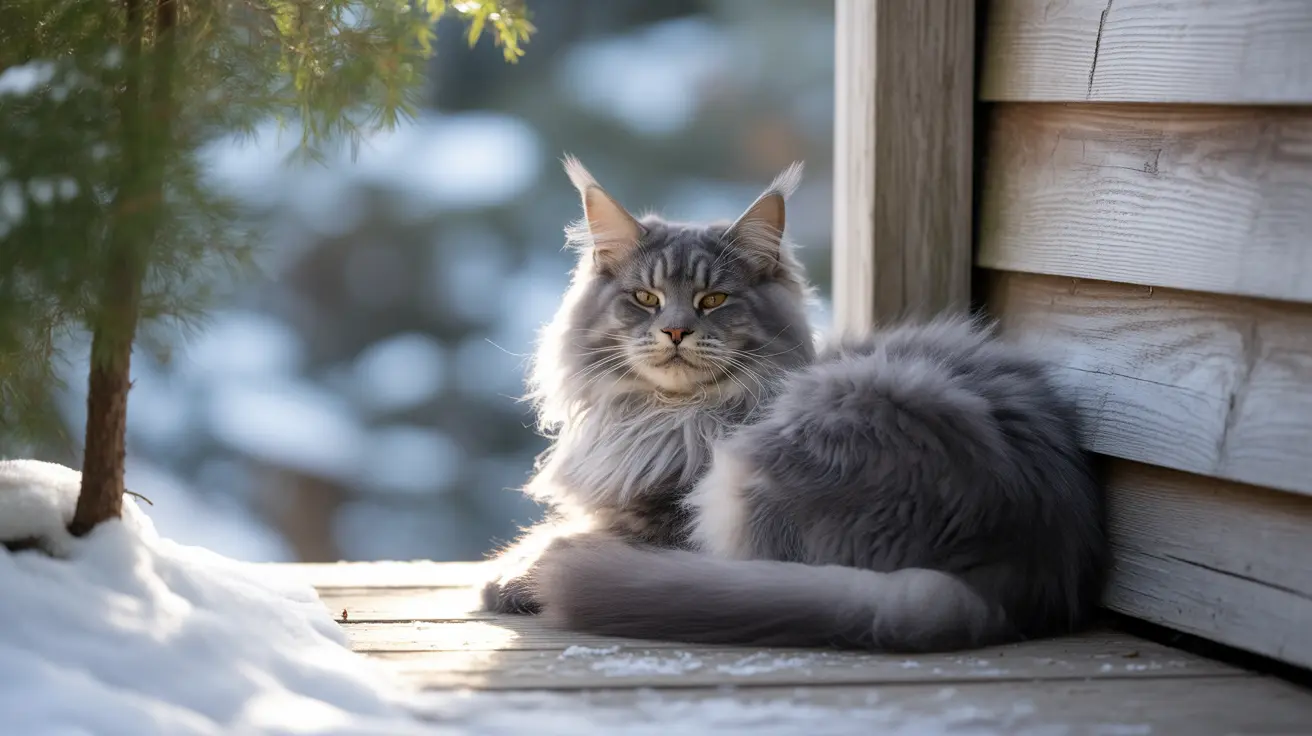
Feral cats grow thicker fur in cold months. This fur traps heat close to their skin. The fur becomes denser and sometimes longer. It acts like a natural blanket against the cold wind.
They also build up body fat during fall. This fat layer helps keep their bodies insulated. It stores energy and protects vital organs from the cold. Fat acts as a natural shield against chilly weather.
Behavioral Changes
Feral cats change their habits to stay warm. They find sheltered spots like under cars or in dense bushes. These places block wind and trap heat.
They curl up tightly to reduce exposed surface area. This position conserves body heat. Cats may also share dens with others to share warmth.
At night, they limit movement to save energy. During the day, they seek sunny spots to absorb warmth. These small changes help them manage cold conditions better.
Credit: pethelpful.com
Finding Shelter
Finding shelter is crucial for feral cats to survive the cold. Without a safe, warm space, their chances of enduring harsh weather drop significantly. You might be surprised by the clever spots these cats choose to protect themselves.
Urban Environments
In cities, feral cats often seek shelter in hidden corners that people overlook. They may curl up inside abandoned buildings, under porches, or even inside storm drains where the temperature is more stable.
Sometimes, they find refuge near heated vents or inside thick piles of discarded materials like cardboard boxes. These spots trap heat and shield them from wind and snow.
Have you noticed stray cats around your neighborhood hiding in unusual places? Their choices show how adaptable they are when it comes to finding warmth.
Rural And Natural Settings
Outside cities, feral cats use natural shelters to stay warm. Dense bushes, hollow logs, and spaces beneath rock piles offer protection from cold winds and precipitation.
Some even dig shallow burrows or find abandoned dens made by other animals. These natural hideouts provide insulation and safety from predators.
Do you live near woods or fields? Look closely, and you might spot signs of where these cats take refuge during winter nights.
Food Sources In Winter
Feral cats face tough challenges finding food during winter months. Cold weather reduces prey activity and hides food sources. These cats must use clever ways to secure meals. Their survival depends on adapting hunting skills and sometimes relying on humans.
Hunting Techniques
Feral cats use sharp senses to track small animals. They hunt mice, birds, and insects that stay active in winter. Cats wait quietly near burrows or under leaves. Their patience helps catch prey in cold conditions.
Some cats expand their range to find food. They explore areas with less snow cover. Cats also hunt during warmer daylight hours. This increases chances of spotting prey moving around.
Human Assistance
People sometimes leave food outdoors for feral cats. This help is important in freezing weather. Food stations with dry or canned cat food provide extra energy. Water availability also supports their survival.
Communities or animal groups may care for feral colonies. They offer food and shelter to keep cats safe. Human help reduces the struggle for daily meals. It also lowers the risk of hunger-related illness.
Credit: www.petscare.com
Community Support And Tnr Programs
Feral cats face harsh conditions during cold weather, but community support and Trap-Neuter-Return (TNR) programs play a vital role in helping them survive. These efforts not only reduce the population growth but also improve the health and safety of feral cats living outdoors. Understanding how these programs function can inspire you to contribute to the welfare of these resilient animals.
Role Of Tnr In Survival
TNR programs trap feral cats, neuter or spay them, and return them to their original locations. This process prevents the birth of more kittens who might struggle to survive the cold months.
Neutered cats tend to roam less, reducing their exposure to dangers like frostbite or starvation. Additionally, many TNR groups provide vaccinations, which protect cats from diseases that could weaken them during winter.
Have you ever thought about how a simple surgery can change the survival chances of an entire community of cats? TNR programs often rely on volunteers like you, making a direct impact on these animals’ lives.
Community Feeding Stations
Community feeding stations offer a consistent source of food and water, which is crucial when natural resources become scarce in winter. These stations are usually sheltered to keep food dry and accessible despite snow or rain.
- Feeding stations help maintain the cats’ strength and body heat.
- They reduce competition and fighting over limited food sources.
- Volunteers often monitor the cats’ health through these stations.
Setting up or supporting feeding stations in your neighborhood can make a significant difference. Would you consider organizing a local feeding spot to help feral cats endure the cold?
Health Challenges In Cold Weather
Feral cats face many health challenges in cold weather. Their survival depends on staying warm and avoiding illness. Cold temperatures weaken their immune system. This makes them more prone to sickness and injury. Harsh weather also limits their access to food and shelter. These factors combine to create a tough environment for feral cats.
Common Illnesses
- Frostbite affects ears, paws, and tail tips.
- Hypothermia occurs when body temperature drops dangerously low.
- Respiratory infections spread easily in cold, wet conditions.
- Upper respiratory infections cause sneezing, coughing, and eye discharge.
- Skin infections result from constant exposure to moisture and dirt.
- Malnutrition weakens their body and slows healing.
Preventive Measures
- Finding shelter protects cats from wind and snow.
- Access to dry bedding helps maintain body heat.
- Regular food sources support their energy needs.
- Community cat caretakers sometimes provide warm shelters.
- Vaccination programs reduce the risk of contagious diseases.
- Monitoring feral cat colonies helps identify sick animals early.
Myths About Feral Cats And Cold
Many people believe feral cats cannot survive cold weather. This idea is common but not always true. Myths about feral cats and cold often cause misunderstanding. These cats have ways to endure harsh winter conditions. Knowing the facts helps us see their true resilience.
Debunking Common Misconceptions
One myth says feral cats freeze without shelter. They often find warm places like garages or sheds. Another false belief claims feral cats do not eat enough in winter. They hunt small animals and scavenge food. Some think feral cats have thin fur that cannot protect them. Their thick winter coats grow to keep them warm.
- Feral cats seek shelter during storms.
- They eat more to keep energy high.
- Their fur changes with seasons for warmth.
Understanding Their Resilience
Feral cats adapt well to cold climates. They curl up to save body heat. Grouping together is common to share warmth. Their keen senses help find food in tough conditions. Strong survival instincts guide their daily choices. These cats are tougher than most imagine.

Credit: khpet.com
Frequently Asked Questions
How Do Feral Cats Keep Warm In Winter?
Feral cats find shelter in insulated spots like garages or sheds. They curl up tightly to conserve body heat. Their thick fur also helps trap warmth during cold weather.
What Food Sources Sustain Feral Cats In Cold Weather?
Feral cats hunt rodents, birds, and insects for food. They may scavenge human trash or rely on feeding stations. High-protein food boosts their energy to survive winter.
Do Feral Cats Grow Thicker Fur For Cold Seasons?
Yes, feral cats develop a denser winter coat. This thicker fur provides better insulation against the cold. It helps reduce heat loss and keeps them comfortable.
Where Do Feral Cats Find Shelter During Snowstorms?
They seek shelter in protected areas like abandoned buildings or dense bushes. Underground spaces such as storm drains also offer refuge. These locations shield them from wind and snow.
Conclusion
Feral cats face many challenges during cold weather. They find warm places to sleep and curl up tight. Their thick fur helps keep out the cold air. Hunting for food becomes harder but they stay alert. Grouping together gives them shared warmth and safety.
These cats show strong survival skills every winter. Their ability to adapt is truly impressive. Cold months are tough, yet feral cats endure. Understanding their needs helps us respect their wild life. They teach us about resilience and strength in nature.


