Have you ever wondered if those tiny, annoying gnats buzzing around your home can survive when the temperature drops? If you’re tired of battling these pests every year, understanding how cold weather affects them could be the key to keeping your space gnat-free.
You’ll discover surprising facts about gnats and their ability to survive chilly conditions. Keep reading, and you’ll learn how to protect your home no matter the season.

Credit: extension.colostate.edu
Gnat Biology And Behavior
Understanding gnat biology and behavior can help you manage their presence more effectively, especially as seasons change. Gnats are tiny flying insects that often surprise people with their resilience and adaptability. Their habits and life cycles are key to knowing whether they can survive cold weather and how they might behave when temperatures drop.
Life Cycle Of Gnats
Gnats go through four main stages: egg, larva, pupa, and adult. The eggs are usually laid in moist soil or water, where larvae hatch and feed on organic matter. Depending on the species, this cycle can take anywhere from a few days to several weeks.
Adult gnats typically live for about one to two weeks. They reproduce quickly, which is why you might notice sudden swarms indoors or outdoors. Have you ever wondered how they manage to multiply so fast even in cooler months?
Common Habitats
Gnats thrive in environments with moisture and organic material. You’ll often find them near houseplants, compost piles, drains, or damp soil. These spots provide food and breeding grounds essential for their survival.
In cold weather, gnats tend to seek shelter rather than staying active outside. They hide in warm, humid places like basements or greenhouses. Have you checked those areas when you notice sudden gnat activity during winter?
Impact Of Cold Weather On Gnats
Cold weather affects gnats in many ways. These tiny insects are sensitive to temperature changes. Their survival depends on how well they handle the cold. Some gnats cannot live in freezing temperatures. Others find ways to protect themselves. Understanding this helps explain their behavior in winter.
Temperature Tolerance
Gnats have a limited range of temperature tolerance. Most species thrive between 60°F and 80°F. Temperatures below 40°F slow their activity. Freezing temperatures can kill adult gnats quickly. Eggs and larvae are more resilient but still vulnerable. They survive best in damp, sheltered areas where it stays warmer.
Adaptation Mechanisms
Gnats use several tricks to survive cold weather. Some enter a state called diapause, a type of hibernation. This slows their metabolism and conserves energy. Others lay eggs that resist freezing. Larvae may burrow into soil or plant material to stay warm. These adaptations help gnats endure winter until warmer weather returns.
Gnat Survival Strategies
Gnats have developed clever ways to survive cold weather, ensuring their species continue despite harsh conditions. Understanding these strategies can help you manage gnats around your home and garden more effectively. Let’s look at how these tiny insects cope when temperatures drop.
Migration Patterns
Some gnat species avoid the cold by moving to warmer areas. They don’t travel far like birds, but even short-distance migration helps them find milder conditions. This movement often happens in late summer or early fall, allowing them to escape freezing temperatures.
Have you noticed gnats appearing suddenly indoors during colder months? This may be linked to their search for shelter as they migrate. Recognizing this behavior can help you prevent infestations by sealing entry points early.
Overwintering Techniques
Not all gnats migrate. Many survive winter by entering a dormant state called diapause. They hide in protected spots like soil, leaf litter, or inside tree bark, where temperatures are less extreme.
Some gnats lay eggs that withstand freezing conditions until spring. These eggs are tough and delay hatching until the environment is safe. Knowing this can guide you in removing breeding grounds such as decaying organic matter around your property.
Thinking about your garden, could clearing debris reduce gnat survival chances? Simple actions like raking leaves or turning soil might disrupt their overwintering sites and lower gnat problems next season.

Credit: extension.colostate.edu
Role Of Environment In Gnat Survival
The environment plays a crucial role in whether gnats can survive cold weather. Factors like temperature, humidity, and shelter influence their ability to endure harsh conditions. Understanding these elements helps you predict gnat activity and manage their presence effectively.
Urban Vs Rural Areas
Gnats behave differently depending on whether they live in urban or rural settings. Cities often have warmer microclimates caused by buildings and pavement, which can trap heat and offer shelter. This means gnats in urban areas may survive colder months better than those in the countryside.
Rural areas, on the other hand, experience more drastic temperature drops and fewer hiding spots. Gnats there might not find enough protection from frost or snow, reducing their survival chances. Have you noticed more gnats buzzing around your city garden compared to a farm field during winter?
Influence Of Climate Change
Climate change is shifting temperature patterns, impacting gnat survival in surprising ways. Milder winters and unpredictable weather can extend the active season for gnats, letting them reproduce more often. This can lead to larger populations even in traditionally cold regions.
At the same time, sudden cold snaps may catch gnats off guard, affecting their numbers. You might ask yourself how these changes will affect your local ecosystem or even your comfort outdoors. Monitoring seasonal shifts can give you a head start in managing gnats around your home.
Implications For Pest Control
Understanding how gnats behave in cold weather helps in planning pest control. Gnats may slow down but can survive through winter in some forms. This survival affects how and when pest control measures should be applied. Knowing their cold-weather habits can reduce infestations more effectively.
Challenges In Cold Seasons
Gnats become less active but do not disappear entirely. They often hide in warm indoor areas or soil. These hiding spots make detection and treatment harder during cold months. Pest control efforts may seem less urgent, leading to bigger problems later. Some pesticides lose effectiveness in lower temperatures. Timing treatments becomes tricky when gnats are dormant but ready to return.
Effective Control Methods
- Keep indoor areas dry to reduce gnat breeding grounds.
- Remove decaying organic matter where gnats lay eggs.
- Use traps to catch adult gnats inside homes.
- Apply insecticides in early fall before gnat dormancy.
- Seal cracks and openings to prevent gnat entry.
- Maintain good ventilation to lower indoor humidity.
Combining these methods keeps gnat numbers low through cold seasons. Regular monitoring helps catch infestations early. Pest control during cold weather requires patience and persistence.
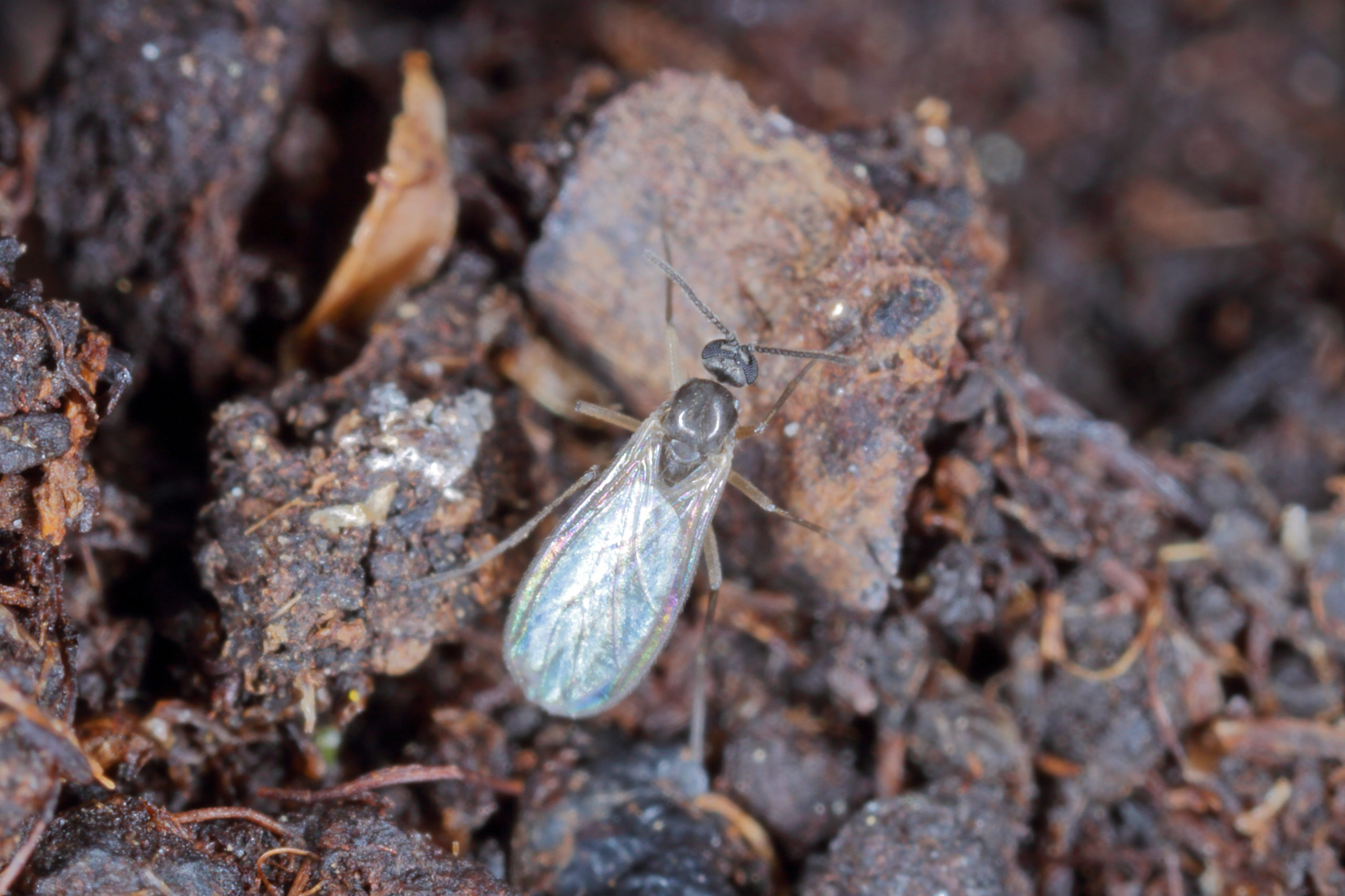
Credit: greenpestservices.net
Interesting Facts About Gnats
Gnats might seem like tiny, annoying insects, but there’s more to them than meets the eye. Understanding some interesting facts about gnats can change how you view these small creatures. Their behavior, survival skills, and diversity make them fascinating subjects to explore.
Myths And Misconceptions
Many people believe gnats only appear in warm weather, but that’s not entirely true. Some gnats can survive in cold weather by entering a dormant state to protect themselves from freezing temperatures. Have you ever wondered why gnats seem to vanish during winter, only to return in spring? It’s because they hide in protected spots like soil, leaf litter, or inside homes until conditions improve.
Another common myth is that all gnats bite. In reality, only certain species, like biting midges, feed on blood. Many gnats simply feed on plant nectar or decaying organic matter. Knowing this helps you better understand their role in the environment and how to manage them.
Unique Gnat Species
Gnats belong to several different families, each with unique traits. For example, fungus gnats are often found indoors, attracted to damp soil and decaying plant material. If you’ve noticed tiny flies buzzing around your houseplants, these might be fungus gnats.
Another interesting species is the black gnat, which is known for its swarming behavior. These gnats gather in large groups, especially near water sources, which can be quite a sight. Have you ever encountered a black gnat swarm during a summer evening?
- Eye gnats: These tiny gnats are attracted to the moisture around eyes and face, causing irritation without biting.
- Biting midges: Also called “no-see-ums,” these gnats are notorious for their painful bites despite their small size.
- Gall gnats: These gnats induce plant growths called galls, which serve as their larvae’s habitat.
Recognizing the differences between gnat species can help you take the right steps to prevent or control them in your environment. Which type of gnat have you noticed most often around you?
Frequently Asked Questions
Can Gnats Survive Freezing Temperatures?
Gnats struggle to survive freezing temperatures. Most die when exposed to frost or snow. However, some species find shelter indoors or in soil to survive cold periods.
How Do Gnats Adapt To Cold Weather?
Gnats adapt by entering a dormant state called diapause. They reduce activity and metabolism, helping them survive low temperatures until warmer weather returns.
Do Gnats Hibernate During Winter?
Gnats do not truly hibernate but enter diapause. This state slows their bodily functions, allowing them to endure harsh winter conditions.
Can Indoor Heating Affect Gnat Survival In Winter?
Yes, indoor heating creates warm environments where gnats can thrive year-round. Warmth and moisture indoors help gnats survive despite cold outdoor weather.
Conclusion
Gnats struggle to survive in very cold weather. They often hide in warm places to stay alive. Some can slow down their activity during winter. When temperatures rise, gnats become active again. Knowing this helps control their presence around you.
Keep your home clean and dry to avoid gnats. Cold weather alone does not fully stop them. Staying aware can reduce gnat problems effectively.


