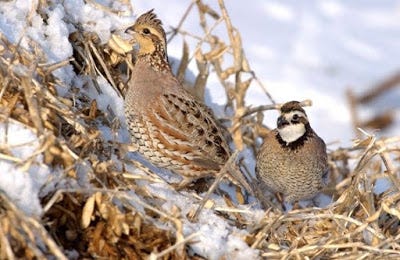
Are you worried about how your quail will handle the cold weather? You might be asking yourself, “Can quail survive chilly temperatures?” Understanding how these small birds cope with the cold is key to keeping them safe and healthy when winter arrives.
You’ll discover simple yet effective ways to protect your quail from the cold and ensure they stay comfortable no matter the weather. Keep reading to learn what your quail really need to thrive during cold months.
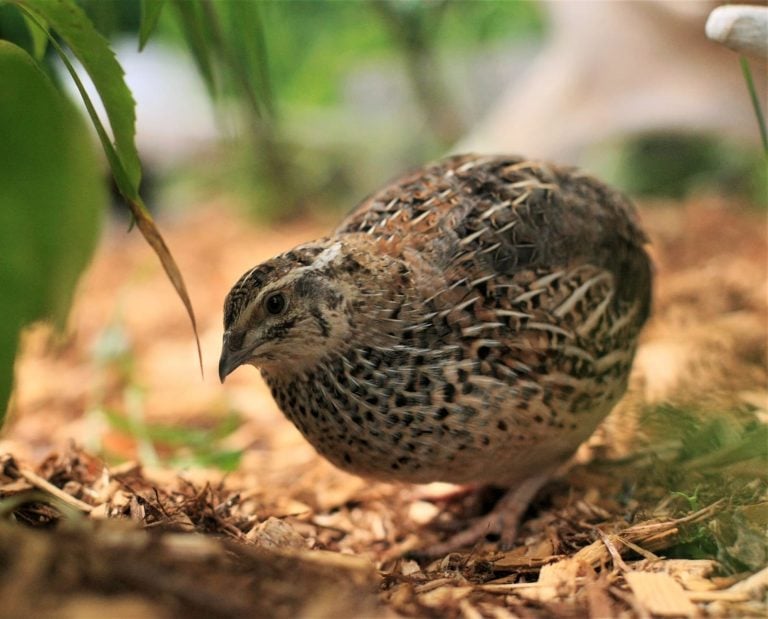
Credit: projectupland.com
Quail’s Natural Adaptations
Quails have several natural traits that help them survive cold weather. These birds evolved in areas with changing seasons. Their bodies and behaviors help them keep warm and safe. Understanding these adaptations shows how quail manage harsh winters.
Dense Feathering
Quails grow thick feathers to trap body heat. Their feathers cover their whole body, including legs and neck. This dense layer creates insulation against cold air. Feathers also repel water to keep them dry in snow or rain.
Body Fat Reserves
Before winter, quail eat more to build fat reserves. Fat acts as extra insulation and energy during cold days. This stored fat helps them stay warm and survive without much food.
Behavioral Adaptations
Quails huddle together to share body warmth. They seek shelter in bushes, tall grass, or brush piles. These hiding spots protect them from wind and snow. Quails also reduce activity to save energy in cold weather.
Seasonal Changes In Metabolism
Quails slow their metabolism during winter. This change lowers energy needs and conserves fat stores. It helps them survive longer when food is scarce and temperatures drop.
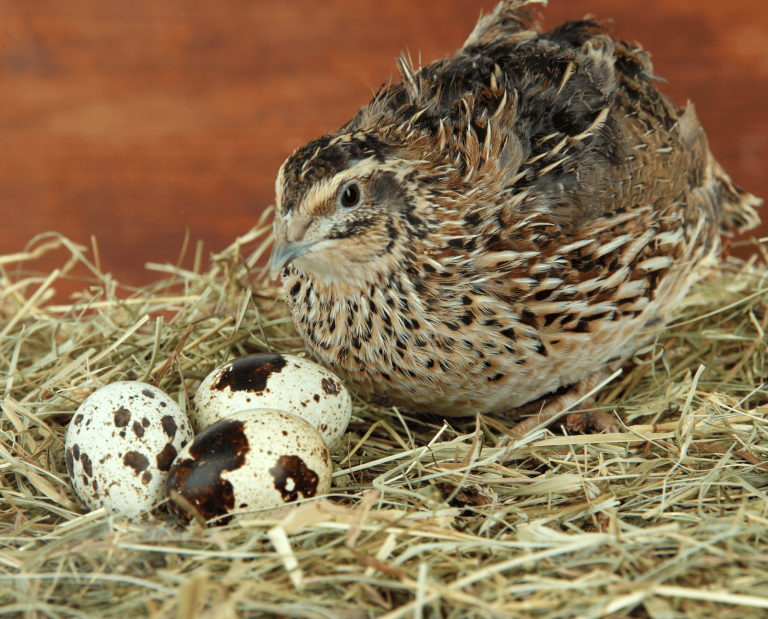
Credit: projectupland.com
Challenges Of Cold Weather
Cold weather brings unique challenges for quail survival. These small birds face risks that can quickly affect their health and well-being. Understanding these challenges helps you provide better care if you keep quail or want to observe them in colder climates.
Temperature Stress And Its Impact
Quail have a limited ability to regulate their body temperature. When temperatures drop too low, they can suffer from cold stress. This stress reduces their immune system efficiency, making them more vulnerable to diseases.
Have you noticed your quail huddling together on chilly mornings? That behavior is a clear sign they are trying to conserve heat. Without proper shelter or warmth, their survival chances drop significantly.
Food And Water Supply Difficulties
Cold weather often freezes water sources, making hydration a challenge for quail. Without access to fresh water, their health quickly deteriorates. Additionally, cold conditions reduce the availability of natural food like insects and plants.
You might need to adjust your feeding routine by adding high-energy foods that help maintain their body heat. Have you tried giving your quail warm water or extra grains during cold spells? These small changes can make a big difference.
Shelter And Protection Needs
Wind and moisture are dangerous for quail in cold weather. Damp feathers lose their insulating power, leading to hypothermia. Providing dry, draft-free shelter is critical to keep quail safe and warm.
Consider how your shelter stands up to rain or snow. Can it block strong winds and keep the inside dry? If not, your quail might be exposed to unnecessary risks that you can easily prevent.
Building A Suitable Shelter
Building a suitable shelter is essential for helping your quail survive cold weather. A well-designed shelter protects them from harsh winds, moisture, and freezing temperatures. It creates a safe and warm environment that supports their health and comfort during winter.
Choosing The Right Materials
Use sturdy, weather-resistant materials like treated wood or heavy-duty plastic for the shelter’s frame. These materials hold up well against rain and snow, preventing damage over time.
Consider adding a waterproof roof to keep moisture out. You don’t want your quail sitting in damp conditions, which can lead to illness.
Have you ever noticed how thin plastic sheeting cracks after a few cold snaps? Avoid that by selecting durable materials that stay intact and protect your birds consistently.
Insulation Techniques
Insulation keeps the shelter warm by trapping heat inside. Use straw or hay as natural bedding and insulation—they’re affordable and effective.
You can also add foam board insulation between the walls if you want extra protection from the cold. Just make sure it’s covered so your quail can’t peck at it.
Keep in mind, insulation isn’t just about warmth—it prevents drafts too. Have you checked your shelter for small gaps where cold air sneaks in? Seal those to maintain a cozy space.
Ventilation Considerations
Good airflow is crucial even in cold weather. Proper ventilation removes moisture and ammonia from droppings, keeping the air fresh and your quail healthy.
Place vents high on the shelter walls to allow warm air to circulate without letting cold drafts reach the birds. You can cover vents with mesh to keep predators out.
Think about how you can balance warmth and airflow in your shelter. Could a small adjustable vent help you control the environment as temperatures change?
Dietary Needs In Winter
Quail need special care in winter to stay healthy. Their bodies burn more energy to keep warm. Feeding them right helps them survive cold days. Focus on foods that give more energy and support their health. Water is just as important as food. It must stay fresh and unfrozen. Understanding these needs keeps your quail strong through winter.
High-calorie Foods
Quail require more calories in cold weather. Offer grains like corn and wheat. These provide energy to maintain body heat. Seeds and nuts are good too. They contain fats that burn slowly for warmth. Avoid low-energy foods during winter months. Increase the portion size to meet energy needs.
Supplements For Health
Vitamins and minerals boost quail immune systems. Add supplements rich in vitamin A and D. These help fight illnesses common in winter. Calcium supports bone strength. Probiotics improve digestion when diet changes. Use supplements carefully to avoid overdosing. Regular checks ensure your quail stay healthy.
Water Access And Management
Water is vital for quail in cold weather. Keep water containers clean and unfrozen. Use heated water bowls if needed. Change water often to prevent bacteria growth. Wet feathers cause cold stress. Ensure water is easily accessible at all times. Proper water management supports overall quail health.
Social Behavior And Grouping
Quail show interesting social behavior, especially in cold weather. They prefer to stay close to each other. This helps them survive harsh conditions. Grouping is natural and important for their warmth and safety. Understanding their social habits can help keep quail healthy during winter.
Importance Of Group Warmth
Quail huddle together to share body heat. This group warmth reduces heat loss. It keeps each bird warmer than being alone. They often rest side by side in a tight cluster. This behavior is essential in cold weather. It helps them conserve energy and survive cold nights.
Managing Aggression
Quail can be aggressive, especially in crowded spaces. Fighting wastes energy and can cause injury. Managing space reduces aggression among birds. Provide enough room and hiding spots. Separate aggressive birds if fights happen often. Calm groups stay warmer and healthier during cold spells.

Credit: projectupland.com
Monitoring Health And Well-being
Monitoring the health and well-being of quail during cold weather is vital. Cold can stress these small birds and affect their survival. Careful observation helps catch problems early and keeps quail safe.
Regular checks allow quick action against illness or discomfort. Healthy quail are active and alert, even in low temperatures. Watch for changes in behavior or appearance to protect them.
Recognizing Signs Of Stress
Stress in quail shows in many ways. Look for:
- Fluffed feathers to keep warm
- Reduced movement or lethargy
- Shivering or trembling
- Loss of appetite or drinking less
- Unusual quietness or hiding
These signs mean quail may struggle with cold. Acting fast can prevent serious issues.
Routine Health Checks
Daily health checks are crucial. Observe each bird for:
- Bright, clear eyes
- Clean, smooth feathers
- Normal breathing without wheezing
- Healthy droppings
- Steady weight and good posture
Use gentle handling to avoid stress. Record any concerns and adjust care as needed. Consistent checks improve quail survival in cold weather.
Emergency Measures
Emergency measures are crucial when quail face sudden drops in temperature or unexpected storms. Quick action can mean the difference between survival and loss. You must be prepared to make fast decisions and adjustments to keep your quail safe and warm during harsh weather.
Handling Severe Weather Events
Severe cold snaps or snowstorms can overwhelm your quail’s usual environment. You need to monitor weather forecasts closely and act before conditions worsen. Moving quail to a warmer, enclosed space can protect them from wind chill and freezing temperatures.
Providing extra bedding like straw or hay helps insulate their living area. Adding heat lamps or safe heating pads can offer immediate warmth, but always ensure they don’t cause fires or overheat the birds. Have emergency supplies ready so you can respond without delay.
Quick Shelter Adjustments
If your quail coop isn’t fully weatherproof, simple changes can make a big difference. Cover exposed areas with plastic sheeting or tarps to block drafts. Make sure there’s enough ventilation to prevent moisture buildup, which can cause illness.
Creating windbreaks with boards or shrubs around the shelter can reduce cold winds. If you notice your quail huddling tightly, that’s a sign they need more warmth or protection. Can you spot these signs early enough to act?
- Seal any gaps or holes that let in cold air
- Raise bedding off the cold ground using pallets or similar materials
- Provide fresh water frequently to prevent freezing
Frequently Asked Questions
Can Quail Survive In Freezing Temperatures?
Yes, quail can survive cold weather if properly sheltered. They need dry, draft-free housing with ample bedding to stay warm. Supplemental heat may be necessary in extreme cold to prevent hypothermia and maintain health.
What Housing Is Best For Quail In Winter?
A well-insulated coop with wind protection is ideal for winter quail care. Use straw or wood shavings as bedding to retain heat. Ensure good ventilation without drafts to keep air fresh and prevent moisture buildup.
How To Keep Quail Warm During Cold Weather?
Provide extra bedding and consider heat lamps or heated pads. Feeding high-energy foods helps quail generate body heat. Regularly check water to prevent freezing and keep quail hydrated and healthy.
Do Quail Need Special Food In Cold Weather?
Yes, quail require higher protein and energy-rich diets in winter. This helps maintain their body heat and supports their immune system. Adding cracked corn or mealworms can boost their calorie intake effectively.
Conclusion
Quail can survive cold weather with proper care and shelter. Keep them warm and dry to stay healthy. Providing extra food helps them keep energy in winter. Watch for signs of stress or illness every day. Simple steps make a big difference in cold months.
Quail thrive best when their needs are met. Cold weather is not a big threat if you prepare well. Stay attentive and enjoy raising quail year-round.


