
When the heat turns up, staying comfortable and safe can feel like a real challenge. You might find yourself tired, sweaty, and just wanting relief.
But what if you knew simple, effective ways to beat the heat and keep your energy up all day? You’ll discover easy tips that make hot weather easier to handle—so you can enjoy your day without feeling drained. Keep reading, because your best summer starts with knowing how to survive the heat like a pro.
Credit: blallab.com
Staying Hydrated
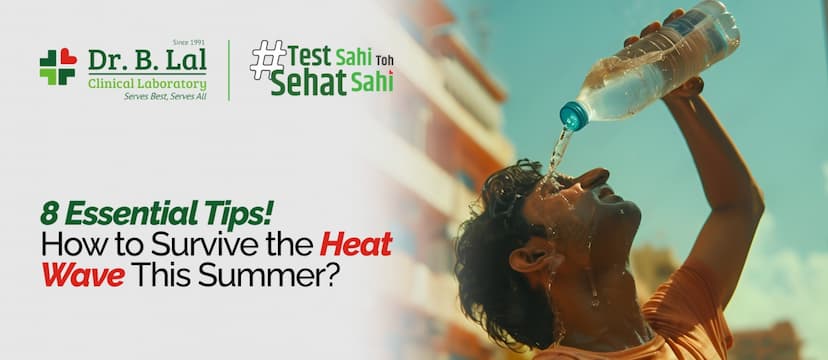
Staying hydrated is key to surviving hot weather. Water keeps your body cool and helps it work well. Without enough fluids, your body can get tired and weak. Drinking water often stops heat problems before they start.
Benefits Of Water
Water helps control your body temperature. It moves heat away from your skin. Water also carries nutrients to your cells. It flushes out toxins and waste. Drinking enough water keeps your skin healthy and glowing. It improves focus and energy too.
Signs Of Dehydration
Watch for dry mouth and tiredness. Headaches and dizziness are common signs. Dark yellow urine means you need more water. Feeling thirsty means your body already lacks water. Muscle cramps can happen with low fluids. Act fast to avoid serious problems.
Creative Hydration Solutions
- Eat fruits like watermelon and cucumber, rich in water.
- Drink herbal teas cooled down for variety.
- Add a slice of lemon or cucumber to water for taste.
- Use ice cubes made from fruit juice for a refreshing twist.
- Try coconut water for natural electrolytes.
- Carry a reusable water bottle to remind yourself to drink.
Credit: www.goodreads.com
Dressing For Heat
Dressing well in hot weather keeps you cool and comfortable. The right clothes help your body breathe and avoid extra heat. Choosing the best fabric, colors, and accessories makes a big difference. Simple changes in your outfit can improve how you feel outside.
Fabric Choices
Choose light fabrics that let air flow easily. Cotton and linen work best. They absorb sweat and dry quickly. Avoid heavy materials like polyester or nylon. These trap heat and make you sweat more. Loose-fitting clothes also help your skin breathe.
Color Considerations
Wear light colors such as white, beige, or pastels. Light colors reflect sunlight and keep you cool. Dark colors absorb heat and make you hotter. Bright colors can also work if they are light in tone. Avoid dark or black clothes on sunny days.
Appropriate Accessories
- Wear a wide-brimmed hat to protect your face and neck.
- Use sunglasses to shield your eyes from the sun.
- Choose breathable, lightweight scarves to cover your shoulders.
- Pick sandals or open shoes to let your feet stay cool.
- Carry a small hand fan or use a cooling towel.
Managing Indoor Temperatures
Managing indoor temperatures during hot weather can make a huge difference in your comfort and energy bills. Keeping your living space cool isn’t just about cranking up the air conditioner. Small adjustments and smart habits can help you maintain a pleasant environment without overworking your cooling system.
Optimizing Air Conditioning
Set your air conditioner to a temperature that balances comfort and efficiency, around 24-26°C (75-78°F). Lowering the thermostat too much can spike your energy use without making you feel much cooler.
Regularly clean or replace your AC filters. Dirty filters reduce airflow and force your unit to work harder, costing more money.
Use ceiling fans or portable fans alongside your AC. Fans circulate cool air, letting you raise the thermostat by a few degrees and still feel comfortable.
Natural Cooling Methods
Close curtains or blinds during the hottest parts of the day to block sunlight. This simple step can lower indoor temperatures by several degrees.
Open windows early in the morning or late at night when the outside air is cooler. Cross-ventilation helps flush out hot air trapped inside.
Consider growing indoor plants like ferns or spider plants. They can improve air quality and provide a slight cooling effect through transpiration.
Insulation Tips
Check your doors and windows for gaps where hot air can sneak in. Use weather stripping or door sweeps to seal these openings.
Adding reflective window film or heat-blocking curtains can reduce heat gain without darkening your rooms too much.
Insulate your attic and walls if possible. Good insulation slows down heat transfer, keeping your home cooler during the day and warmer at night.

Credit: www.youtube.com
Outdoor Activities
Spending time outdoors can be refreshing, even when the weather is hot. However, heat can quickly turn fun activities into uncomfortable or risky experiences. Planning carefully helps you enjoy the outdoors without overheating or dehydration.
Timing Your Activities
Choose early mornings or late evenings for outdoor fun. The sun is less intense during these hours, making it safer and cooler. Avoid the peak heat hours between 11 a.m. and 4 p.m., when temperatures and UV exposure are highest.
Have you ever felt drained halfway through a hike just because you started too late? Starting early not only protects your body but also lets you enjoy the calm and quiet of nature before the crowds arrive.
Choosing The Right Location
Look for shaded areas like parks with plenty of trees or spots near water. These natural features help lower the temperature around you. Open fields or concrete-heavy locations can trap heat and make you feel hotter faster.
Think about the terrain too. A shady trail with a gentle breeze is more comfortable than a sunny, rocky path. Have you noticed how a walk by a lake feels cooler and more refreshing?
Essential Gear For Heat
Wear lightweight, loose-fitting clothes made from breathable fabrics like cotton or moisture-wicking materials. A wide-brimmed hat and UV-blocking sunglasses protect your face and eyes from harmful rays.
Don’t forget sunscreen with high SPF, applied generously and reapplied every two hours. Carry plenty of water—consider a hydration pack or insulated bottle to keep your drinks cool.
- Lightweight, breathable clothing
- Wide-brimmed hat
- UV-blocking sunglasses
- High SPF sunscreen
- Hydration pack or insulated water bottle
What gear do you always take with you to beat the heat? Sharing tips can help everyone stay safe and enjoy the great outdoors.
Dietary Adjustments
Adjusting your diet helps the body stay cool and comfortable in hot weather. Eating the right foods can lower your body temperature and keep energy levels steady. Drinking enough fluids is also a key part of staying safe under the sun.
Foods That Cool
Some foods naturally help cool the body. These include fresh fruits and vegetables with high water content. Watermelon, cucumber, and celery are great choices. Yogurt and mint also provide a refreshing feeling. These foods hydrate and refresh the body quickly.
Avoiding Heat-inducing Foods
Certain foods can make you feel hotter. Spicy dishes, fried foods, and heavy meats increase body heat. Sugary snacks and caffeine can lead to dehydration. Limiting these foods reduces the risk of overheating. Choose lighter meals to stay cool.
Hydration-promoting Meals
Meals that promote hydration keep the body balanced. Soups, smoothies, and salads are perfect for hot days. Include ingredients like tomatoes, oranges, and lettuce. These add water and nutrients at the same time. Eating hydrating foods supports overall heat resistance.
Skincare In Heat
Hot weather can be tough on your skin. High temperatures and strong sunlight increase the risk of damage. Skincare in heat needs special care to keep your skin healthy and comfortable. Simple steps protect your skin and help it stay fresh.
Sun Protection Essentials
Sun protection is key in hot weather. Use sunscreen with at least SPF 30. Apply it 15 minutes before going outside. Reapply every two hours or after swimming and sweating. Wear wide-brimmed hats and sunglasses. Choose lightweight, long-sleeved clothes to cover your skin. Seek shade during peak sun hours from 10 a.m. to 4 p.m.
Hydration For Skin
Heat dries out your skin fast. Drink plenty of water throughout the day. Use a light, oil-free moisturizer to lock in moisture. Apply moisturizer right after bathing to keep skin soft. Avoid heavy creams that block pores. Use products with ingredients like aloe vera and hyaluronic acid for hydration.
Heat Rash Prevention
Heat rash happens when sweat gets trapped under the skin. Wear loose, breathable clothes made of cotton. Keep your skin dry by patting sweat away with a towel. Take cool showers to calm irritated skin. Avoid heavy creams and oils that block sweat glands. If rash appears, use calming lotions with calamine or aloe vera.
Mental Strategies
Mental strength plays a key role in staying comfortable during hot weather. Our mind controls how we feel heat and cope with discomfort. Adopting mental strategies can reduce stress and improve tolerance to heat. These techniques help focus the mind and calm the body. Practicing simple mental habits can make hot days easier to handle.
Mindfulness Techniques
Mindfulness brings your attention to the present moment. It helps you notice your body’s signals without panic. Try deep breathing to calm your nervous system. Slowly breathe in through your nose and out through your mouth. Focus fully on each breath. This reduces anxiety caused by heat and keeps you grounded.
Use body scanning to check tension spots. Relax tight muscles and ease discomfort. Mindfulness helps you accept heat calmly, without frustration.
Stress Reduction
Stress makes heat feel worse. Use simple ways to lower stress quickly. Take short breaks from activity and rest in shade. Listen to calming music or nature sounds. Practice positive self-talk like “I am safe” or “This will pass.”
Write down your feelings to clear your mind. Keep routines simple and avoid rushing. Less stress means less heat fatigue.
Embracing The Heat
Changing your mindset about heat can help you cope better. Think of warmth as natural and normal. Try to enjoy the sun’s energy instead of fighting it. Dress in light, loose clothes to feel free and cool.
Plan indoor and outdoor activities to match the temperature. Accept some discomfort as part of summer life. A calm mind helps the body adjust and stay balanced.
Emergency Preparedness
Emergency preparedness is crucial when facing extreme heat. Understanding how to act quickly can save lives and prevent serious health issues. Being ready means knowing the signs of heat-related illnesses and having the right tools at hand.
Recognizing Heat Stroke
Heat stroke is a dangerous condition that happens when your body overheats. Symptoms include a high body temperature (above 103°F or 39.4°C), confusion, dizziness, and loss of consciousness. You might notice someone’s skin turning red, hot, and dry because their sweating stops.
Have you ever felt dizzy and weak on a hot day? That could be an early sign of heat stroke. Recognizing these symptoms early is key to acting fast and preventing harm.
First Aid Essentials
Knowing first aid steps can make a big difference in an emergency. Move the person to a cooler place immediately, preferably indoors or in the shade. Remove excess clothing and try to cool them down using wet cloths or a fan.
Offer water only if the person is conscious and able to swallow. Never give fluids to someone who is unconscious. Keep a basic first aid kit ready with items like cold packs, oral rehydration salts, and a thermometer.
When To Seek Help
Call emergency services if the person shows signs of heat stroke, such as unconsciousness, seizures, or difficulty breathing. Don’t wait to see if symptoms improve on their own. Immediate medical care is essential to prevent permanent damage or death.
If someone’s condition worsens despite your first aid efforts, or if they have underlying health problems, seek help right away. Remember, quick action can save lives in hot weather emergencies.
Frequently Asked Questions
How Can I Stay Hydrated In Hot Weather?
Drink plenty of water throughout the day. Avoid sugary or caffeinated drinks. Carry a water bottle to stay refreshed. Eating fruits with high water content also helps maintain hydration.
What Clothes Are Best For Hot Weather Survival?
Wear lightweight, loose-fitting, and light-colored clothes. Natural fabrics like cotton or linen allow better airflow. Avoid dark colors as they absorb heat, increasing body temperature.
How To Protect Skin From Heat And Sun?
Apply broad-spectrum sunscreen with SPF 30 or higher. Wear a wide-brimmed hat and UV-protection sunglasses. Seek shade during peak sun hours, typically 10 am to 4 pm.
What Are Signs Of Heat Exhaustion To Watch For?
Look for dizziness, excessive sweating, headache, and nausea. Feeling weak or confused also indicates heat exhaustion. Move to a cool place and hydrate immediately if symptoms appear.
Conclusion
Staying cool in hot weather takes smart choices. Drink water often and wear light clothes. Find shade or stay indoors when the sun is strong. Use fans or air conditioning to keep air moving. Avoid hard work during the hottest hours.
Small steps help your body stay safe and healthy. Remember, heat can be dangerous without care. Take breaks and listen to your body’s signals. Enjoy summer without feeling tired or sick. Simple habits make hot days easier to handle. Stay cool, stay safe, and take it slow.


