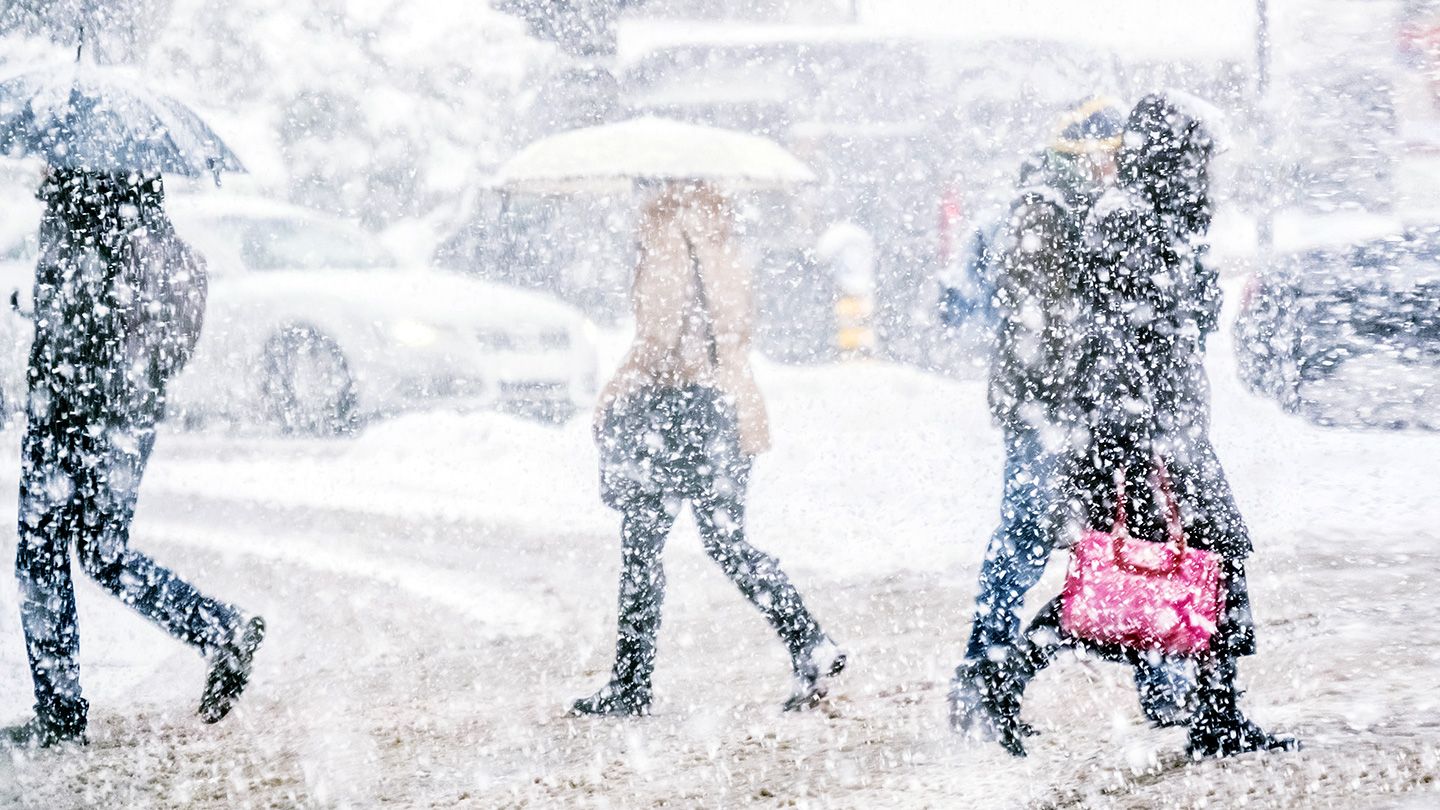
Imagine finding yourself alone in freezing 0-degree weather. How long do you think you could survive?
Your body faces serious challenges as the cold starts to take its toll. Knowing what really happens to you in these conditions can make the difference between life and death. You’ll discover the key factors that affect your survival time and learn practical tips to help you stay alive when the temperature drops to zero.
Keep reading—this knowledge could save your life or someone you care about.

Credit: www.everydayhealth.com
Human Body Response To Cold
The human body reacts quickly to cold temperatures to protect vital organs. In 0 degree weather, the body starts several processes to maintain heat. These responses are critical for survival but have limits.
Understanding how the body responds helps explain how long a person can survive in extreme cold.
Shivering And Heat Production
Shivering is the body’s first defense against cold. It causes muscles to contract rapidly. This action produces heat and raises body temperature. Shivering can increase heat production by up to five times. It helps slow down the drop in core temperature.
Blood Vessel Constriction
Blood vessels near the skin tighten to reduce heat loss. This process is called vasoconstriction. It limits blood flow to the skin and extremities. The body keeps more warm blood near vital organs. This helps protect the brain and heart from cold damage.
Reduced Blood Flow To Extremities
Fingers, toes, and ears receive less blood during extreme cold. This can cause numbness and frostbite risk. The body sacrifices these areas to keep the core warm. Prolonged exposure can lead to tissue damage.
Metabolic Changes
The body increases metabolism to generate more heat. It burns more calories even at rest. Energy stores like fat are used faster. If food intake is low, this can lead to weakness and fatigue.
Hypothermia Risk
Hypothermia happens when the body loses heat faster than it can produce. Core temperature drops below 35°C (95°F). Symptoms include confusion, slow breathing, and loss of coordination. Without intervention, hypothermia can be fatal.

Credit: www.coldwatersafety.org
Hypothermia And Frostbite
Facing 0 degree weather puts your body under serious stress. Two of the biggest dangers you encounter are hypothermia and frostbite. Both conditions can happen quickly and silently, making it crucial to recognize the warning signs and know how to respond right away.
Signs And Symptoms
Hypothermia starts when your core body temperature falls below 95°F (35°C). You might feel intense shivering, which is your body’s first attempt to generate heat. As it worsens, shivering can stop, confusion sets in, and you may struggle to speak clearly or move properly.
Frostbite targets exposed skin like fingers, toes, nose, and ears. Early signs include numbness, tingling, and a pale or waxy look. If ignored, the skin may harden and turn bluish or black, signaling tissue damage.
Immediate First Aid
If you or someone near you shows signs of hypothermia, act fast. Move to a warmer place and remove any wet clothing. Wrap the person in blankets or warm clothing, focusing on the head and torso.
For frostbite, avoid rubbing the affected areas. Instead, warm them gradually by soaking in warm (not hot) water, around 104°F (40°C). Seek medical help immediately if the skin remains numb or changes color.
Have you ever caught yourself ignoring numb fingers during cold weather, thinking it’s just temporary? Recognizing these symptoms early could make all the difference between a close call and a serious emergency.
Clothing And Layering Techniques
Surviving in 0 degree weather depends heavily on how well you dress and layer your clothing. Proper clothing traps heat and protects your body from the biting cold. Understanding the right materials and layering techniques can make a huge difference in your comfort and safety.
Choosing The Right Materials
Not all fabrics are created equal when it comes to cold weather. You want materials that keep you warm without trapping moisture.
- Wool:Excellent for insulation and stays warm even when wet.
- Synthetic fabrics:Such as polyester or nylon, dry quickly and wick sweat away from your skin.
- Avoid cotton:Cotton holds moisture and can make you colder.
Have you ever felt your clothes cling to you on a cold day? That’s likely cotton soaking up sweat and making you chill faster. Choosing the right material can prevent that uncomfortable and dangerous situation.
Effective Layering Strategy
Layering isn’t just about piling on clothes; it’s about combining layers that work together to trap heat and manage moisture.
- Base layer:This layer touches your skin and should wick moisture away quickly.
- Insulating layer:Adds warmth by trapping body heat; think fleece or down.
- Outer layer:Protects against wind, rain, and snow—choose a waterproof and breathable shell.
Think of your layers as a team. Each has a role, and missing one can leave you exposed. Have you tested your layering system in harsh conditions? Adjusting your layers based on activity level and weather can keep you comfortable for hours on end.
Shelter And Insulation
Surviving in 0 degree weather depends heavily on shelter and insulation. These protect the body from extreme cold and wind. Without proper shelter, the risk of hypothermia rises fast. A well-built shelter traps heat and blocks cold air. Insulation keeps warmth close to the skin. Both are vital for survival in freezing conditions.
Building An Emergency Shelter
Create a shelter using available materials like branches, snow, or rocks. Choose a spot shielded from wind, such as near trees or rocks. Build walls to block cold air. A low roof helps keep warm air inside.
- Use branches or logs to form a frame.
- Cover the frame with leaves, pine needles, or snow.
- Make the shelter small to conserve body heat.
- Dig a shallow trench inside to trap warm air.
- Seal gaps to prevent drafts.
Using Natural Insulation
Natural materials provide excellent insulation. They trap air, creating a warm layer around the body. Collect dry leaves, grass, moss, or pine needles. Use these to line the shelter floor and walls.
- Place a thick layer under you to avoid cold ground.
- Stuff materials in clothing gaps to reduce heat loss.
- Use snow blocks for insulation if no other materials exist.
- Avoid wet materials as they cause heat loss.
- Keep insulation dry and replace if it gets damp.
Fire And Heat Sources
Fire and heat sources are vital for survival in freezing temperatures. They not only provide warmth but also help prevent hypothermia and signal for help. Knowing how to create and maintain a heat source can significantly increase your chances of enduring 0 degree weather.
Starting A Fire In Snow
Starting a fire in snowy conditions is tricky but doable. First, clear away snow to reach the ground or build a platform using dry wood or bark to keep your fire off the wet surface. This prevents heat loss and keeps your fire burning longer.
Gather dry tinder like pine needles, birch bark, or small twigs. If everything is wet, try scraping the bark or looking under logs for dry material. Using a fire starter or waterproof matches improves your chances dramatically.
Arrange your fuel in a teepee or log cabin style to promote airflow. Once lit, slowly add larger pieces of wood to keep the fire steady. Have you ever tried lighting a fire only to watch it sputter out? That’s why preparation and the right technique matter so much.
Alternative Heat Options
If fire isn’t an option, other heat sources can help. Body heat from other people, insulated shelters, or heat packs can keep you warm. Reflective blankets or emergency bivvies also trap your body heat effectively.
Carrying a small stove or chemical heat packs can make a huge difference. These options are easy to use and provide instant warmth without needing fuel. Could you rely on these alternatives when wood is scarce or wet?
Remember, staying dry is just as important as staying warm. Wet clothes pull heat from your body fast, so always protect yourself from moisture. Combining multiple heat sources gives you the best shot at surviving harsh cold.

Credit: www.yahoo.com
Food And Hydration
Food and hydration play a vital role in surviving 0 degree weather. Your body burns more calories to keep warm. Proper nutrition fuels this process. Drinking enough water helps maintain body functions. Both food and water support energy and heat generation. Neglecting these needs can lead to faster exhaustion and hypothermia.
Caloric Needs In Cold Weather
Cold weather increases calorie requirements significantly. The body uses energy to stay warm. Eating high-calorie foods provides this needed fuel. Focus on foods rich in fats and carbohydrates. Examples include nuts, cheese, and energy bars.
- Eat more than usual to meet energy demands.
- Choose dense foods that release energy slowly.
- Frequent small meals help maintain energy levels.
- Include protein to support muscle strength.
Skipping meals reduces your ability to generate heat. Stay consistent with eating to improve survival chances.
Preventing Dehydration
Cold weather can hide signs of dehydration. You may not feel thirsty but still lose water. Breathing cold air causes water loss through breath. Sweating under layers also drains fluids. Drinking water regularly prevents this risk.
- Carry insulated bottles to keep water from freezing.
- Drink warm fluids to encourage intake.
- Avoid caffeine and alcohol; they increase water loss.
- Monitor urine color; dark means dehydration.
Proper hydration supports circulation and body heat. Water helps muscles and organs work well in cold.
Navigation And Rescue Signals
Surviving in 0 degree weather demands more than just keeping warm; knowing how to navigate and signal for rescue can make a critical difference. Your ability to find your way and attract help can dramatically improve your chances of survival. Let’s look at some practical techniques you can use when facing freezing conditions.
Using Maps And Compasses
Carrying a map and compass is essential in cold environments where GPS devices might fail due to battery drain. Learn to read terrain features like rivers, ridges, and valleys on your map to orient yourself accurately.
Practice using your compass to take bearings and follow a precise direction instead of wandering aimlessly. Even simple skills like identifying landmarks and estimating distance can prevent you from getting lost.
Think about the last time you felt uncertain of your path. Could a quick glance at a map and compass have saved you hours of wandering? Mastering these tools before you face harsh weather can be a lifesaver.
Signaling For Help
In freezing conditions, time is critical, and attracting attention quickly can mean the difference between rescue and prolonged exposure. Use bright clothing or gear to create visible signals against the snow.
- Build large ground symbols like an SOS or an X using rocks, branches, or snow.
- Use a whistle or shout in bursts of three sounds – this is an internationally recognized distress signal.
- If you have a mirror or any reflective surface, flash sunlight towards potential rescuers or aircraft.
Have you prepared a signaling kit in your survival pack? Small items like a whistle or a mirror don’t weigh much but can save your life when visibility is poor.
Mental Preparedness
Mental preparedness plays a vital role in surviving extreme cold. The mind controls how the body reacts to harsh conditions. Staying focused and clear-headed can improve chances of survival.
Cold weather can cause panic and fear. These feelings use up energy and make decisions harder. Mental strength helps keep control over emotions and actions.
Staying Calm Under Pressure
Calmness helps the body use energy wisely. It slows down fast breathing and heart rate. This saves oxygen and heat.
Try deep, slow breaths to reduce stress. Focus on simple tasks one at a time. Avoid thinking about the worst outcomes. Clear thoughts help find quick solutions.
Psychological Coping Strategies
- Visualize warmth and safety to boost hope.
- Use positive self-talk to fight fear and doubt.
- Set small goals like moving or finding shelter.
- Remember past successes to build confidence.
- Keep a routine to feel in control.
These strategies reduce anxiety and increase willpower. A strong mind supports the body’s fight against cold. Mental toughness can extend survival time in freezing weather.
Frequently Asked Questions
How Long Can A Human Survive In 0 Degree Weather?
A human can survive for several hours in 0 degree Celsius weather with proper clothing. Without protection, hypothermia can set in within 30 minutes to an hour, leading to life-threatening conditions.
What Factors Affect Survival Time In Freezing Temperatures?
Survival depends on clothing, physical health, wind chill, and wetness. Proper insulation and dry clothes increase survival time. Wind and moisture drastically reduce the body’s ability to retain heat.
How Does Hypothermia Develop In Cold Weather?
Hypothermia occurs when the body loses heat faster than it produces it. In 0 degree weather, this can happen quickly if exposed without adequate protection, causing confusion, shivering, and loss of consciousness.
Can You Survive 0 Degree Weather Without Shelter?
Survival without shelter in 0 degree weather is limited to a few hours. Exposure increases the risk of hypothermia and frostbite. Finding shelter or insulation is critical to prolong survival.
Conclusion
Surviving in 0 degree weather depends on many factors. Your clothing, health, and shelter matter most. Without proper gear, hypothermia can start quickly. Staying dry and moving helps keep your body warm. Finding shelter blocks wind and cold air. Drinking water and eating food give energy to fight cold.
Always prepare before facing freezing conditions. Cold weather can be dangerous, but smart actions improve your chances. Stay aware, stay warm, and stay safe.


