Imagine finding yourself in an emergency with no idea what to grab or where to start. What if you had a survival kit ready, packed with just the right items to keep you safe and calm?
Knowing exactly what to put in a survival kit can make all the difference between panic and preparedness. You’ll discover the essential items you need to survive unexpected situations. Keep reading, and you’ll learn how to build a kit that’s perfect for your needs—so you’re always ready, no matter what happens.

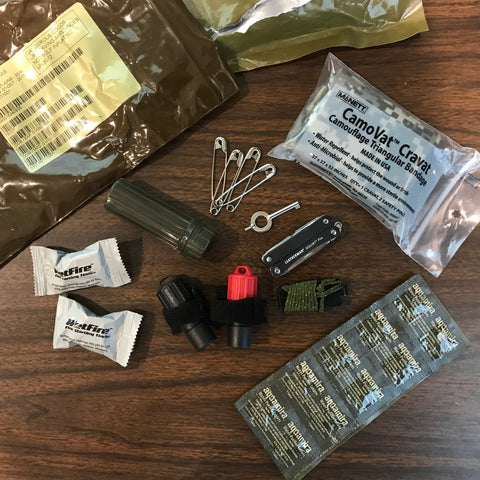
Credit: www.thermapparel.com
Basic Survival Gear
Building a survival kit starts with gathering basic gear that can handle a variety of emergencies. These items should be reliable, compact, and versatile enough to support you in different situations. Think about the essentials that you would depend on if you were stranded or facing unexpected challenges outdoors.
Multi-tool Essentials
A good multi-tool is like having a small toolbox in your pocket. It usually includes a knife, pliers, screwdrivers, and scissors—tools that can fix gear, prepare food, or even assist in first aid. Choose one with a sturdy build and locking blades for safety and efficiency.
Have you ever struggled to open a can or fix a broken zipper without the right tool? A multi-tool solves these problems instantly, saving time and frustration.
Water Purification Tools
Access to clean water is non-negotiable. Water purification tablets, portable filters, or UV purifiers can make unsafe water drinkable. These tools take up little space but drastically reduce your risk of waterborne illnesses.
Imagine being able to drink directly from a stream without worry—that’s the security purification tools offer. Always pack more than one method; redundancy can save your life if one fails.
Fire Starting Equipment
Fire provides warmth, light, and a way to cook food or sterilize water. Carry waterproof matches, a reliable lighter, and a fire steel to cover various conditions. Fire starters should be easy to use, even when your hands are cold or wet.
Think about times you’ve struggled to light a campfire in damp weather. Having multiple fire-starting options removes that stress and keeps you safe.
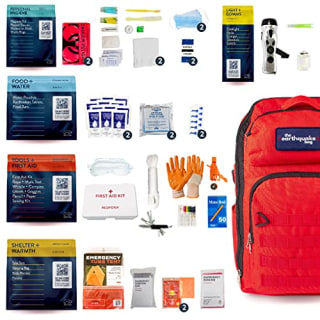
Credit: www.nbcnews.com
First Aid Supplies
First aid supplies are essential in any survival kit. They help treat injuries and prevent infections. Proper care can make a big difference in emergencies. Basic first aid items keep wounds clean and reduce pain. They prepare you to handle cuts, burns, and other injuries safely.
Bandages And Dressings
Bandages and dressings protect wounds from dirt and germs. Include various sizes of adhesive bandages for small cuts. Sterile gauze pads help cover larger wounds. Elastic bandages can secure dressings and support sprains. Keep medical tape to hold bandages in place. These items stop bleeding and speed up healing.
Antiseptics And Ointments
Antiseptics clean wounds and kill bacteria to prevent infection. Carry alcohol wipes or antiseptic wipes for quick cleaning. A small bottle of hydrogen peroxide or iodine can disinfect deeper cuts. Antibiotic ointments help heal wounds and reduce infection risk. Use these carefully to keep wounds safe and healthy.
Medications And Pain Relief
Medications help manage pain and other symptoms during emergencies. Include pain relievers like ibuprofen or acetaminophen. Antihistamines can treat allergic reactions. Carry any personal prescription medicines. Keep these in original packaging and check expiration dates regularly. Proper medications can ease discomfort and support recovery.
Navigation And Communication
Navigation and communication tools are crucial in any survival kit. They help you find your way and signal for help if needed. Without these, even the best survival skills can fall short.
Maps And Compasses
A reliable map and compass are essential for navigation. GPS devices can fail due to battery loss or signal issues. Knowing how to use a compass with a map can guide you through unfamiliar terrain.
Choose detailed topographic maps of your area or the region you plan to visit. Keep them waterproof or in a protective case to avoid damage. Practice reading them before you need to rely on them in an emergency.
Signal Mirrors And Whistles
Signal mirrors and whistles are simple but powerful communication tools. A mirror can reflect sunlight to attract attention from miles away. A whistle can be heard much farther than your voice, especially in dense forests or noisy environments.
Keep a small, lightweight signal mirror and a loud whistle in your kit. Knowing specific whistle patterns, like three short blasts, can indicate distress. These tools don’t require batteries and are easy to use in urgent situations.
Emergency Radios
An emergency radio keeps you informed about weather changes and rescue alerts. Models that can be hand-cranked or solar-powered are best since they don’t rely on batteries. Some radios also have built-in flashlights and charging ports for your phone.
Choose a radio that can receive NOAA weather channels and emergency broadcasts. Regularly check that it works and familiarize yourself with its functions. Being updated can make a big difference in making safe decisions during a crisis.
Shelter And Warmth
Keeping yourself protected from harsh weather is crucial in any survival situation. Shelter and warmth can mean the difference between comfort and danger. You need reliable items that can shield you from cold, wind, and rain while helping retain your body heat.
Emergency Blankets
Emergency blankets are lightweight, compact, and incredibly effective. Made from reflective material, they trap body heat and can prevent hypothermia. Carry several—one for each person—and remember they can also serve as ground covers or signal devices.
Have you ever tried wrapping yourself in one during a cold night? The warmth you gain is surprising, and it takes up very little space in your kit. Don’t overlook these simple but life-saving tools.
Tents And Tarps
A sturdy tent offers solid protection from rain, wind, and insects. Choose a tent that is easy to set up and fits your group size. If weight is a concern, tarps are versatile alternatives that can be rigged quickly to create a shelter.
Tarps allow for creative setups—lean-to, A-frame, or even a hammock cover. They protect you from the elements while using minimal materials. Could your survival kit handle unexpected weather changes with just a tarp?
Warm Clothing And Gloves
Layering is key when it comes to clothing in survival kits. Pack moisture-wicking base layers, insulating mid-layers, and waterproof outer layers. Don’t forget gloves—they protect your hands from frostbite and keep you functional.
Choose gloves that allow finger dexterity for tasks like building a fire or handling tools. Have you tested your gloves in cold conditions? Comfort and functionality can make all the difference when time and dexterity matter most.
Food And Nutrition
Food and nutrition are critical elements of any survival kit. You need items that provide sustained energy, are easy to store, and require minimal preparation. Proper planning here can make a huge difference in your ability to stay alert and healthy during an emergency.
Non-perishable Foods
Choose foods that last long without refrigeration. Canned beans, vegetables, and meats are great choices because they retain nutrients and are ready to eat. Dry staples like rice, pasta, and lentils also work well, but keep in mind they require water and cooking time.
Don’t forget powdered milk or shelf-stable milk alternatives. These add essential calcium and protein to your diet. Having a variety of non-perishable foods ensures you won’t get bored eating the same thing every day.
Energy Bars And Snacks
Energy bars and snacks are your quick-fuel options. Look for bars high in protein and fiber to keep you full longer. Nuts, trail mix, and dried fruits also offer a great balance of nutrients and are easy to carry.
Think about portability—these items should fit comfortably in your pack and be easy to grab on the go. Have you considered how you’ll eat if you’re constantly on the move? These snacks solve that problem efficiently.
Cooking Supplies
Even with non-perishable foods, some cooking supplies are necessary. A lightweight portable stove or a small camping burner can make a big difference. Don’t forget fuel canisters and waterproof matches or a reliable lighter.
A compact pot or pan can help you prepare meals more easily. Simple utensils like a spork and a sturdy knife are essential too. What’s your plan if you need to boil water for safety or to cook rice? Proper cooking supplies answer that challenge.
Lighting And Power
Lighting and power are crucial for survival kits. They provide visibility and help maintain communication devices. In dark or emergency conditions, having reliable light sources and power options can make a big difference. Proper lighting keeps you safe and helps you navigate your surroundings.
Flashlights And Lanterns
Flashlights are compact and easy to carry. Choose LED flashlights for bright and long-lasting light. Lanterns work well for lighting up larger areas. Look for models that are durable and water-resistant. Brightness levels and battery life matter for both types. Keep extra bulbs if your flashlight uses replaceable ones.
Batteries And Chargers
Carry extra batteries for all your devices. Use rechargeable batteries to save money and reduce waste. Include a reliable charger that fits your batteries. Power banks are useful for charging phones and small gadgets. Check compatibility and capacity before packing. Keep batteries in a cool, dry place to avoid damage.
Solar Power Options
Solar chargers offer a renewable power source. They work well during long outdoor stays. Portable solar panels can charge batteries and devices directly. Select lightweight and foldable models for easy transport. Solar power helps when electricity is unavailable. Test your solar gear before emergencies to ensure it works properly.
Tools And Repair Kits
Tools and repair kits are essential in any survival kit. They help fix problems quickly and keep you safe. Small tools can make a big difference in tough situations.
Repairs might be needed for gear, clothing, or shelter. Having the right tools saves time and effort. It also reduces risks from damaged equipment.
Duct Tape And Rope
Duct tape is a must-have for quick fixes. It sticks to almost anything and holds things together well. Use it to patch holes, secure items, or make splints.
Rope is useful for many tasks. You can tie gear, build shelters, or create traps. Choose strong, lightweight rope that fits easily in your kit.
Sewing Kit
A sewing kit helps repair torn clothes and gear. Needles, thread, and small scissors are basic items. Keep different thread colors to match your gear.
Sewing can prevent small tears from becoming bigger problems. Fixing clothes keeps you warm and comfortable. It also helps keep your gear functional.
Emergency Repair Tools
- Multi-tool with knife, pliers, and screwdriver
- Small hammer or folding saw
- Wire or safety pins for quick fixes
- Zip ties for temporary holds
These tools cover many repair needs. A multi-tool is compact and versatile. Other items help handle specific fixes or emergencies.

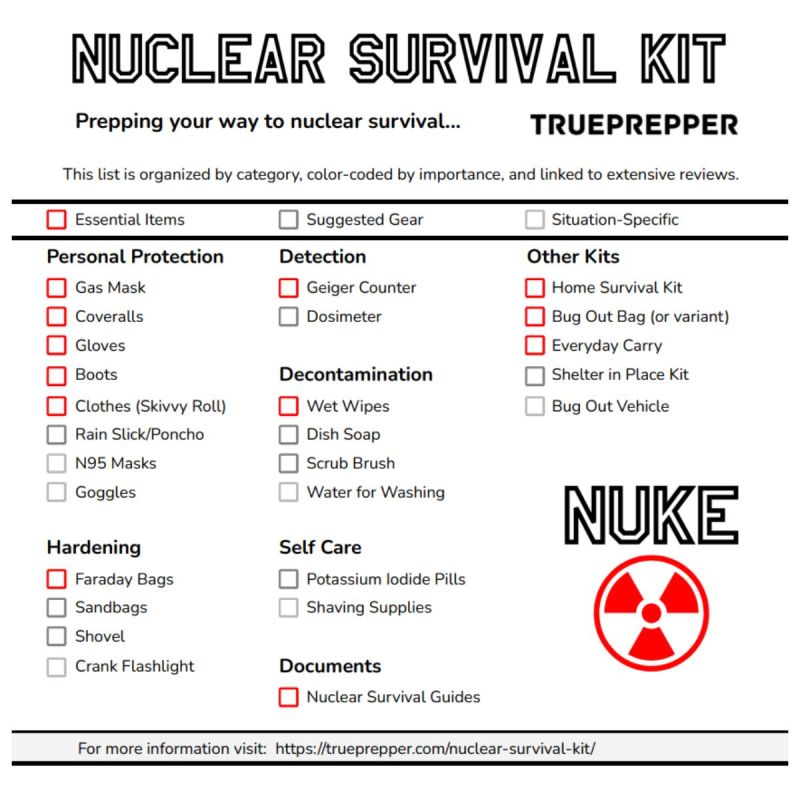
Credit: trueprepper.com
Personal Items
Personal items are the core of any survival kit. They ensure you can prove who you are, maintain hygiene, and handle basic transactions when technology or systems fail. Think about the last time you were out and needed something small but vital—having these items ready can make all the difference.
Identification And Documents
Carrying identification is non-negotiable. Include a government-issued ID like a driver’s license or passport. Adding copies of important documents such as medical records, insurance policies, and emergency contacts is smart too.
Keep these documents in a waterproof pouch to protect them from damage. Have you ever tried proving who you are without an ID? It’s frustrating and time-consuming, especially in emergencies.
Cash And Credit Cards
Cash is king when electronic payment systems go down. Keep a small amount of cash in various denominations for flexibility. Don’t rely solely on credit cards—store at least one card that works internationally and has emergency support.
Think about the last time a card was declined due to a technical glitch—how did you handle it? Having cash on hand can save you from those awkward, stressful moments.
Personal Hygiene Products
Maintaining hygiene can prevent illness during stressful situations. Pack essentials like travel-sized soap, toothpaste, a toothbrush, and hand sanitizer. Don’t forget items like feminine hygiene products or any personal medications you use daily.
Cleanliness isn’t just about comfort—it’s a survival tool. Have you ever noticed how a simple act like washing your hands can boost morale during tough times?
Frequently Asked Questions
What Are Essential Items For A Basic Survival Kit?
A basic survival kit should include water, non-perishable food, a first aid kit, a flashlight, and a multi-tool. These items help you stay hydrated, nourished, and safe during emergencies. Always tailor your kit to your specific environment and needs for maximum effectiveness.
How Do I Choose The Right Survival Kit For Hiking?
Choose a survival kit that is lightweight, compact, and contains essentials like a fire starter, whistle, water purification tablets, and emergency blanket. It should fit your hiking duration and terrain. Prioritize portability and usefulness to ensure safety without excess weight.
Why Is A First Aid Kit Important In Survival Kits?
A first aid kit treats injuries and prevents infections during emergencies. It includes bandages, antiseptic wipes, pain relievers, and tweezers. Having it in your survival kit ensures quick response to wounds, reducing risks and improving chances of recovery.
How Often Should I Update My Survival Kit Items?
Update your survival kit every six months to one year. Check expiration dates on food, medication, and batteries. Replace used or outdated items to keep your kit reliable and ready for any emergency or outdoor adventure.
Conclusion
A good survival kit keeps you safe in tough times. Pack essential items like water, food, and first aid supplies. Don’t forget tools such as a flashlight and a knife. Keep your kit updated and check it often. Being ready helps you stay calm and confident.
Small steps now can make a big difference later. Stay prepared, stay safe.