Have you ever wondered if your dog can handle freezing cold weather? When temperatures drop to 40 degrees or below, it’s natural to worry about your furry friend’s safety.
You want to keep your dog warm and healthy, but how cold is too cold? Understanding how your dog’s body reacts to chilly weather can make all the difference. Keep reading to discover what you need to know to protect your pet when the mercury falls.
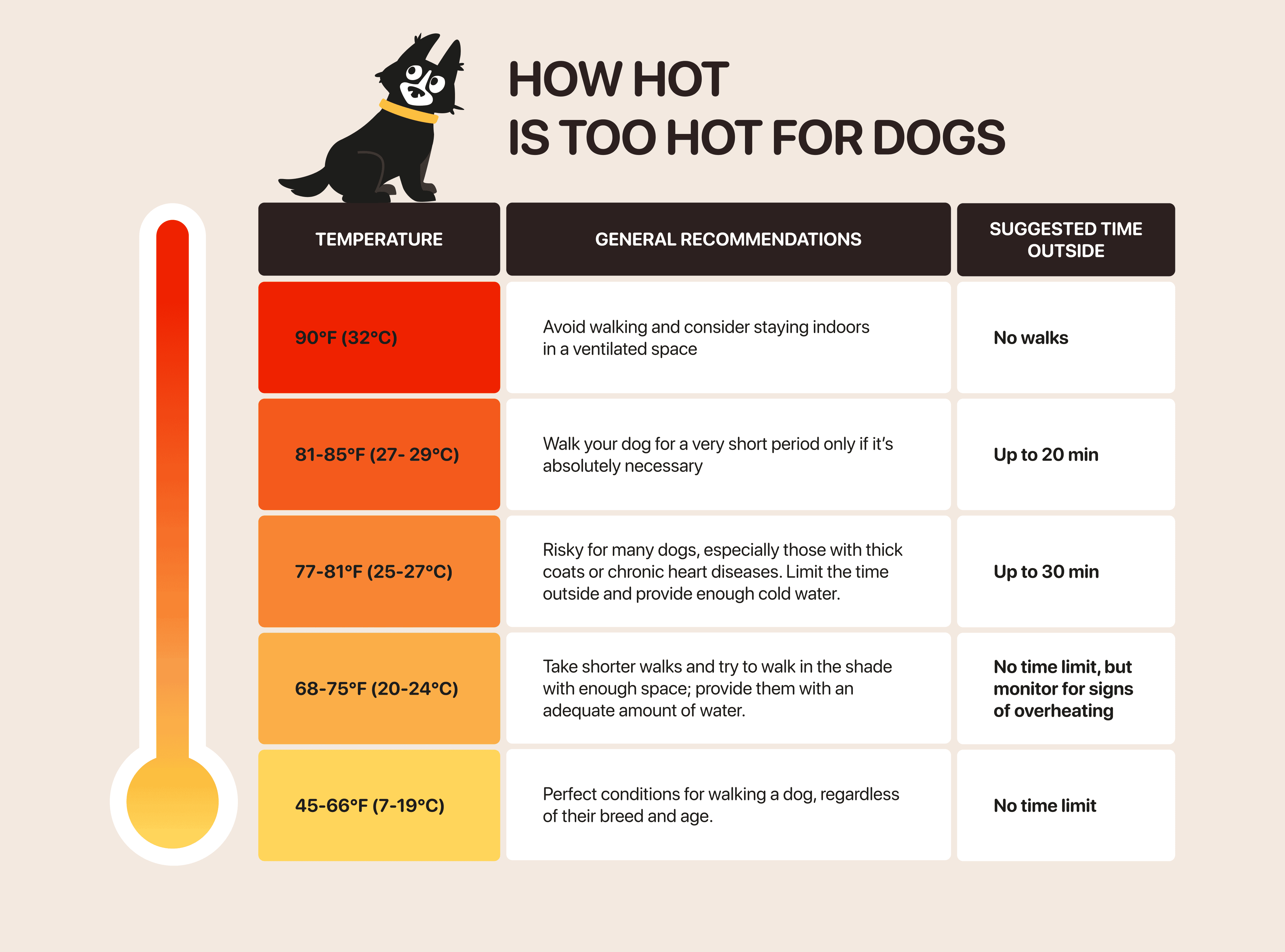
Credit: www.woofz.com
Understanding Canine Heat Tolerance
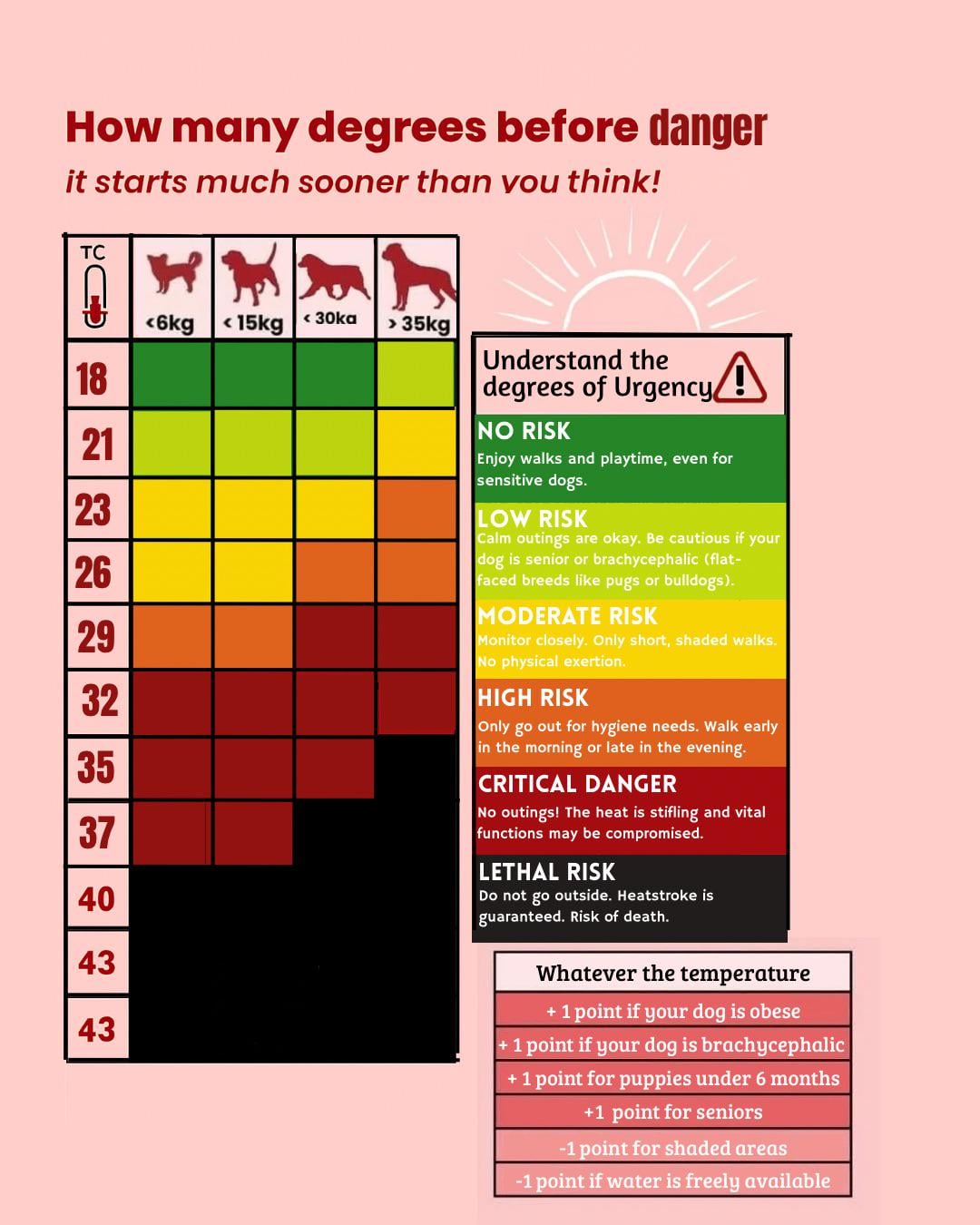
Dogs can handle heat differently than humans. Their bodies cool in unique ways. Understanding canine heat tolerance helps keep dogs safe in hot weather. Dogs sweat through their paws and cool mainly by panting. This system works well but has limits.
Breed, size, and health affect a dog’s heat tolerance. Some breeds handle heat poorly. Others adapt better. Knowing these differences helps owners protect pets from heat stress.
How Dogs Regulate Body Temperature
Dogs do not sweat like humans. They cool down by panting. Air moves over moist surfaces in their mouths and noses. This cools their blood. Sweating from paw pads also helps but less so. When it’s very hot, panting may not cool enough.
Factors That Affect Heat Tolerance
- Breed:Short-nosed dogs struggle more with heat.
- Coat:Thick or dark coats absorb more heat.
- Size:Larger dogs may overheat faster.
- Age:Puppies and older dogs are more sensitive.
- Health:Heart or lung problems reduce heat tolerance.
Signs Of Heat Stress In Dogs
- Excessive panting or drooling
- Weakness or unsteady walking
- Bright red or pale gums
- Vomiting or diarrhea
- Collapse or unconsciousness
Credit: blog.parnell.com
Recognizing Signs Of Heat Stress
Heat stress is a serious risk for dogs exposed to 40-degree weather. Knowing how to spot the early signs can save your dog’s life. Dogs don’t sweat like humans, so they rely on panting and other ways to cool down.
Pay close attention to your dog’s behavior and physical condition. Are they panting heavily, drooling more than usual, or seeming unusually tired? These can be clues that your dog is struggling with the heat.
Physical Signs Of Heat Stress
- Excessive panting:This is your dog’s main way of cooling down. If it becomes rapid or labored, it’s a red flag.
- Bright red or pale gums:Check inside your dog’s mouth. Healthy gums are pink; red or pale gums indicate stress or poor circulation.
- Increased drooling:More saliva than usual can mean your dog is overheating.
- Weakness or unsteadiness:If your dog stumbles or seems too tired to stand, act immediately.
Behavioral Changes To Watch
Dogs often show heat stress through changes in mood and activity. You might notice your dog is unusually restless or, conversely, lethargic.
- Refusing to move or play
- Seeking shade or cool surfaces more than normal
- Confusion or disorientation
- Sudden aggression or irritability
What To Do If You Suspect Heat Stress
If you see signs of heat stress, act quickly. Move your dog to a cooler area immediately.
- Offer water but don’t force them to drink
- Use cool (not cold) water to wet their fur
- Use a fan or shade to help lower their temperature
- Contact your vet if symptoms don’t improve quickly
Have you ever caught your dog showing subtle signs of heat stress before it got serious? Recognizing these early warnings changes everything when the temperature soars.
Breeds Prone To Heat Sensitivity
Some dog breeds are more sensitive to heat than others. These breeds struggle more in high temperatures like 40 degrees Celsius. Their bodies do not cool down easily. Owners must watch them closely during hot weather.
Heat sensitivity depends on several factors. These include coat type, size, and breathing style. Dogs with thick fur or short noses have a harder time staying cool.
Short-nosed Breeds
Breeds with short noses, called brachycephalic, face heat challenges. They breathe harder and can overheat quickly. Examples are Bulldogs, Pugs, and Boxers. Their flat faces make heat escape slower.
Thick-coated Breeds
Dogs with thick or double coats trap heat near their bodies. Huskies, Malamutes, and Saint Bernards fall in this group. Their fur keeps them warm in cold places but causes heat stress in hot weather.
Small Or Toy Breeds
Small dogs also feel heat differently. Breeds like Chihuahuas and Yorkshire Terriers can overheat fast. Their small size means less ability to regulate body temperature.
Older And Overweight Dogs
Age and weight affect heat sensitivity too. Older dogs and those with extra weight struggle to cool down. They need extra care in hot conditions.
- Watch dogs for heavy panting or drooling
- Provide plenty of water and shade
- Limit exercise during peak heat hours
- Know your dog’s breed traits
Creating A Cool Environment
Keeping your dog comfortable in 40-degree weather requires more than just fresh water. Creating a cool environment can make a huge difference in how well your dog handles the heat. It’s about providing spaces where your dog can escape the heat and feel safe.
Indoor Cooling Solutions
Air conditioning is the most effective way to keep your dog cool indoors. If you don’t have AC, fans can help circulate air and reduce stuffiness. Place fans near your dog’s favorite resting spots to keep the breeze flowing.
Cooling mats or damp towels offer a simple, affordable way to lower your dog’s body temperature. You can also freeze water bottles and let your dog rest near them. Keep curtains closed during the hottest parts of the day to block out direct sunlight and reduce indoor temperature.
Outdoor Shading Options
Shade is essential if your dog spends time outside. Trees and shrubs provide natural shade, but you can also use portable shade tents or canopies. Make sure the shaded area is large enough for your dog to move around comfortably.
Consider reflective tarps or umbrellas to block intense sunlight. Avoid black or dark-colored materials that absorb heat. Place a shallow kiddie pool with cool water in the shade to give your dog a refreshing place to cool down.
Have you noticed how your dog behaves differently in shaded areas versus direct sun? Creating these cool spots can help prevent heatstroke and keep your dog happy, even on the hottest days.
Hydration Techniques For Hot Days
Keeping your dog hydrated on hot days is crucial for their health and comfort. When temperatures soar to 40 degrees, dehydration can set in quickly, even if your dog seems active and playful. You need to be proactive and creative in offering water and maintaining their hydration levels.
Recognizing Signs Of Dehydration In Dogs
You might not always notice dehydration until it becomes serious. Look for dry gums, excessive panting, lethargy, or sunken eyes. Checking their skin elasticity is a quick test—gently pinch the skin and see if it snaps back quickly. If it stays up, your dog needs water immediately.
Providing Fresh, Cool Water Constantly
Make sure your dog always has access to fresh water. Change the water several times a day to keep it cool and inviting. Adding ice cubes can help lower the temperature and encourage drinking, especially if your dog is reluctant.
Using Hydrating Treats And Foods
Moisture-rich fruits like watermelon or cucumber can boost hydration. You can also add broth (without salt or onions) to your dog’s food. These tasty options help increase fluid intake without your dog realizing they’re hydrating.
Creating Shade And Cool Spots For Drinking
Dogs are more likely to drink if they feel comfortable and cool. Set up shaded areas with water bowls placed nearby. A cool, quiet spot reduces stress and makes hydration more appealing.
Encouraging Drinking After Exercise
After a walk or play session, your dog needs water immediately. Bring a portable water bottle and bowl on walks. Offering water in small, frequent sips prevents gulping and supports better absorption.
Adjusting Exercise Routines
Adjusting exercise routines is key for dogs in 40-degree weather. Cold temperatures affect their energy and safety. Changing when and how long they exercise helps keep dogs healthy. Choosing the right activities protects them from cold stress and injury.
Timing And Duration
Exercise during the warmest part of the day. Late morning or early afternoon offers milder temperatures. Keep sessions short to avoid overexposure to cold. Watch your dog for signs of discomfort or shivering. Breaks help your dog warm up and rest. Adjust exercise length based on your dog’s breed and size. Small or short-haired dogs need shorter, gentler exercise.
Safe Exercise Alternatives
- Indoor playtime with toys or games
- Short leash walks around the block
- Training sessions with treats and commands
- Interactive games like hide and seek
- Use dog treadmills if available
These activities keep dogs active without long cold exposure. They help maintain fitness safely during cold days.
Cooling Products And Gear
Keeping your dog cool in 40-degree weather is crucial for their health and comfort. Cooling products and gear are designed to help lower your pet’s body temperature safely. Choosing the right items can make a huge difference during those scorching hot days.
Cooling Vests And Mats
Cooling vests are worn by dogs to help reduce body heat quickly. They use special materials that absorb and release water slowly, keeping your dog cool for hours. Imagine your dog happily running around without showing signs of overheating—cooling vests make that possible.
Cooling mats offer a simple way to provide a cool spot for your dog to rest. These mats often contain a gel or water-based core that stays cool without refrigeration. Setting one in your dog’s favorite resting area can encourage them to relax and avoid heat stress.
Portable Fans And Misters
Portable fans are great for creating airflow around your dog, especially when you’re outdoors. Battery-operated models can be clipped to a leash or stroller, giving your dog a breeze wherever they go. This is perfect for hot walks or outdoor events where shade is limited.
Misters add another layer of cooling by spraying a fine mist of water that evaporates quickly, lowering the air temperature around your dog. You can use handheld misters or set up a misting system in your yard. Have you noticed how a little spray of water can instantly refresh your dog on a hot day?
Emergency Measures For Heat Stroke
Heat stroke is a serious condition that can happen to dogs in hot weather. It occurs when a dog’s body temperature rises dangerously high. This can harm their organs and even cause death. Acting fast can save your dog’s life. Knowing the right emergency steps helps you handle heat stroke safely.
Immediate First Aid Steps
- Move your dog to a cooler place right away.
- Offer small amounts of cool water to drink.
- Use cool, wet towels on their neck, paws, and belly.
- Fan your dog to help lower their body temperature.
- Avoid using ice or very cold water, which can shock their system.
- Watch for signs like heavy panting, drooling, or weakness.
When To Visit A Vet
- If your dog does not improve within minutes after first aid.
- When your dog shows confusion, collapse, or seizures.
- If your dog stops drinking or vomits repeatedly.
- When breathing becomes very fast or labored.
- Any time you feel unsure about your dog’s condition.
Long-term Adaptation Strategies
Dogs face serious challenges in 40-degree weather. Long-term adaptation helps them survive and thrive in such heat. Understanding how dogs adjust over time is key to their well-being. This section explains ways dogs adapt to warmer climates and build heat resilience.
Acclimating To Warmer Climates
Dogs slowly get used to higher temperatures through regular exposure. This process takes days or weeks, allowing their bodies to adjust. Their heart rate and breathing change to cool down better. Sweat glands in paw pads become more active. Dogs also start drinking more water naturally. Gradual time outdoors helps them avoid heat stress. Avoid sudden moves to hot places for best results.
Building Heat Resilience
Heat resilience means the dog can handle heat without harm. Dogs develop this by staying hydrated and resting often in shade. A balanced diet supports energy and body functions. Physical conditioning through moderate exercise improves circulation and cooling. Grooming helps remove thick fur that traps heat. Owners should watch for signs of heat exhaustion. Protective measures, like cooling mats and fans, add extra support.
Credit: pethelpful.com
Frequently Asked Questions
Can Dogs Survive In 40-degree Weather?
Yes, many dogs can survive in 40-degree weather if properly cared for. Breed, coat type, and health affect their tolerance. Provide shelter, warmth, and limit outdoor exposure to ensure safety in such temperatures.
What Breeds Handle 40-degree Weather Best?
Breeds with thick, double coats like Huskies and Malamutes handle 40-degree weather well. Smaller or short-haired breeds may struggle. Always monitor your dog’s behavior and provide extra protection if needed.
How To Protect Dogs In 40-degree Weather?
Provide insulated shelter, warm bedding, and limit time outside. Use dog sweaters or jackets for short-haired breeds. Ensure fresh water doesn’t freeze and watch for signs of hypothermia or frostbite.
Is 40-degree Weather Dangerous For Puppies?
Yes, puppies are more vulnerable to cold weather. Their body temperature regulation isn’t fully developed. Keep them indoors, provide warmth, and avoid prolonged exposure to 40-degree temperatures.
Conclusion
Dogs can handle cold weather, but 40 degrees is very cold. Not all dogs stay warm the same way. Small or short-haired dogs need extra care. Always watch your dog for signs of cold stress. Keep them inside or provide warm shelter.
Protect paws from ice and salt. Cold weather can be dangerous if ignored. Caring for your dog helps them stay happy and healthy. Remember, your dog depends on you to stay safe. Stay alert and keep your pet warm during cold days.


