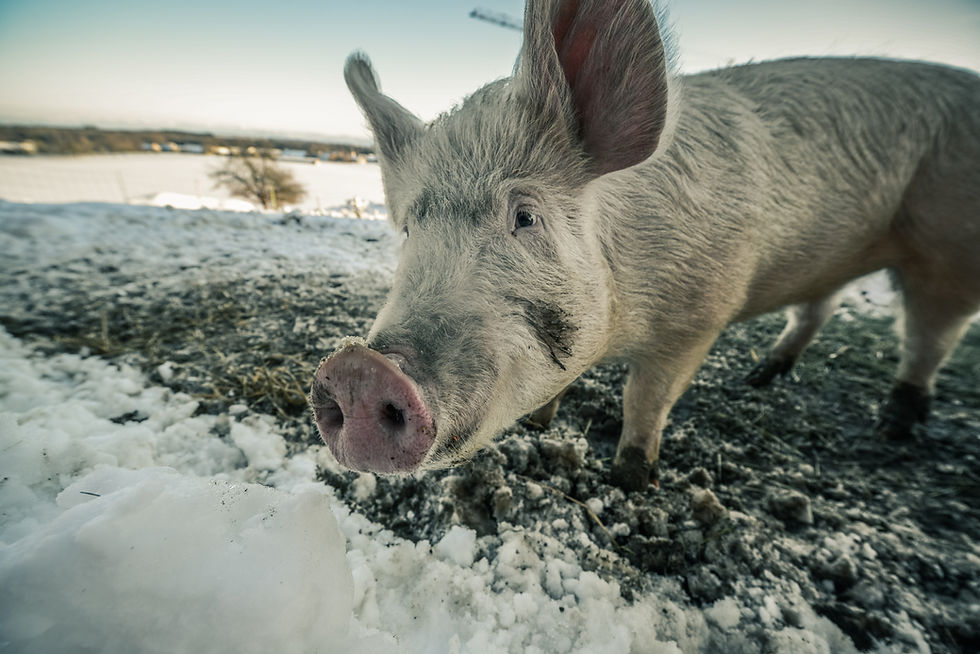
Have you ever wondered if pigs can handle the chill of cold weather? If you’re raising pigs or just curious, this question matters more than you might think.
Knowing how pigs cope with cold can help you keep them safe, healthy, and comfortable when temperatures drop. You’ll discover surprising facts about pigs and cold weather, plus simple tips you can use to protect your animals or satisfy your curiosity.
Keep reading to find out what really happens to pigs when the temperature falls—and how you can make a difference.
Pigs’ Natural Adaptability To Cold
Pigs are surprisingly good at handling cold weather. Their bodies have natural features that help them stay warm. Understanding these traits shows how pigs survive in low temperatures.
They have thick skin and a layer of fat called “backfat.” This fat works like insulation, keeping their body heat inside. It helps pigs avoid feeling cold even on chilly days.
Pigs also change their behavior to stay warm. They curl up tightly to reduce heat loss. In groups, they huddle together, sharing body warmth. These habits protect them from cold winds and frost.
Pigs’ Thick Skin And Fat Layer
Pigs have thick skin that protects from cold air. Underneath, a thick fat layer keeps heat in. This fat stores energy and acts as a cushion against cold.
Behavioral Adaptations In Cold Weather
Pigs curl up to keep their body heat near. They lie close to each other for warmth. These simple actions reduce their exposure to cold air.
Role Of Hair And Fur
Pigs’ hair is coarse and grows denser in winter. It traps air close to the skin for extra warmth. Though not very thick, the fur helps reduce heat loss.
Natural Shelter Seeking
Pigs look for sheltered spots during cold weather. They prefer areas protected from wind and rain. This natural instinct helps them stay dry and warm.
Credit: www.berkshirepork.net
Cold Weather Challenges For Pigs
Pigs face many challenges in cold weather. Their bodies are not built to handle freezing temperatures easily. Cold can cause stress and health problems. Understanding these challenges helps keep pigs safe and healthy during winter.
Limited Natural Insulation
Pigs have thin hair and little fat under their skin. This means they do not stay warm well. Unlike some animals, they cannot grow thick fur. Cold winds and snow can quickly lower their body temperature.
Risk Of Hypothermia
When pigs get too cold, their body temperature drops dangerously. Hypothermia can cause weakness and even death. Young piglets are especially at risk because they have less fat and smaller bodies.
Reduced Appetite And Energy
Cold weather can make pigs eat less. They use more energy to stay warm. Without enough food, their strength and immune system weaken. This makes them more likely to get sick.
Health Problems From Wet And Muddy Conditions
Cold weather often brings wet and muddy ground. Wet conditions can cause skin infections and sores. Mud makes it harder for pigs to keep clean and dry. These problems increase discomfort and illness risks.
Need For Proper Shelter And Bedding
Pigs need dry, warm shelters to survive cold weather. Good bedding, like straw, helps keep them insulated. Shelters block wind and rain, creating a safe space. Without shelter, pigs struggle to stay warm and healthy.
Importance Of Shelter
Pigs can handle cold weather better with proper shelter. Shelter protects pigs from wind, rain, and snow. It also keeps their body heat from escaping. Without shelter, pigs risk illness and stress. A warm, dry place helps pigs stay healthy and grow well. Shelter is a key part of cold weather pig care.
Designing Warm Pig Housing
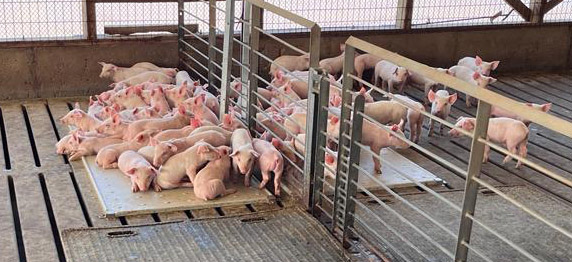
Good pig housing blocks cold air and traps warmth. It should have solid walls and a roof that doesn’t leak. The entrance should be small to keep cold drafts out. The floor must be dry and raised or insulated. Space is important. Pigs need enough room to move and lie down comfortably. Proper ventilation is needed to avoid dampness but should not cause wind chill.
Insulation Techniques
Insulation keeps heat inside the pig house. Use materials like straw, wood shavings, or foam boards on walls and floors. Straw bedding adds warmth and comfort. Cover windows with plastic or heavy curtains to stop cold air. Seal gaps and cracks to prevent drafts. Layering insulation improves heat retention. Insulation reduces energy loss and makes housing cozy for pigs during winter months.
Credit: ihtgroup.ca
Dietary Adjustments For Cold Weather
Adjusting your pig’s diet during cold weather is essential for their survival and well-being. Cold temperatures increase their energy needs as they work harder to maintain body heat. Without proper dietary changes, pigs can lose weight and become more susceptible to illness.
Nutritional Needs In Winter
Pigs require more calories in winter to fuel their body heat. You should increase the energy content of their feed by adding more carbohydrates and fats. Protein needs also rise slightly because it supports muscle maintenance and immune function.
Providing vitamins and minerals is equally important. Vitamin E and selenium help boost immunity, while extra fiber keeps digestion smooth despite reduced activity. Have you noticed how your pigs eat more when the temperature drops? That’s their body asking for more fuel.
Feeding Strategies
Feed smaller, more frequent meals to keep your pigs’ energy levels steady throughout the day. This approach prevents long periods without food, which can cause body temperature to drop. Also, make sure fresh water is always available since hydration affects digestion and warmth.
- Mix warm water into feed to encourage eating during very cold days.
- Use high-energy supplements like vegetable oil or cooked grains.
- Monitor body condition weekly and adjust feed accordingly.
Have you considered how shelter and feeding times work together? Feeding just before the coldest part of the day can help pigs generate heat when they need it most. Small changes like these can make a big difference in your pigs’ comfort and health during winter.
Maintaining Water Supply
Maintaining a reliable water supply for pigs during cold weather is crucial for their health and survival. Water tends to freeze quickly in low temperatures, making it inaccessible and putting your pigs at risk of dehydration. Ensuring they have constant access to fresh, unfrozen water requires planning and some smart techniques.
Preventing Water Freezing
One simple way to keep water from freezing is to use heated water bowls or trough heaters. These devices plug in and keep the water just above freezing, which can make a big difference in extremely cold climates.
Another trick is to insulate water containers using materials like straw, foam, or old blankets. This slows down the freezing process by reducing exposure to cold air.
Have you ever tried placing water containers in a sunny spot or inside a sheltered area? Even small changes in placement can help keep water liquid longer. Rotating warm water into troughs throughout the day also helps.
Hydration Tips
Cold weather can reduce pigs’ desire to drink water, but staying hydrated is just as important as in warmer months. Adding warm water instead of cold can encourage them to drink more.
You can also mix in a little bit of apple cider vinegar or electrolyte supplements to boost water intake and support their immune system.
Check water supply multiple times a day during freezing conditions. It’s easy to overlook frozen troughs if you only inspect once daily, which can lead to dehydration quickly.
Monitoring Pig Health
Keeping pigs healthy in cold weather requires careful monitoring. Cold can stress pigs and lower their immunity. Early detection of health problems prevents serious issues. Observing their behavior and appearance helps catch signs of trouble fast.
Signs Of Cold Stress
- Shivering or trembling frequently
- Huddling together for warmth
- Reduced appetite or refusal to eat
- Slow or weak movements
- Skin looking pale or dry
- Labored breathing or coughing
- Less vocal or unusually quiet
Spotting these signs early helps protect pigs from cold-related illness. Act quickly to improve their environment and care.
Veterinary Care Considerations
Cold weather can worsen existing health issues in pigs. Regular vet check-ups are important during winter months. A vet can recommend vaccinations and treatments to prevent infections. Watch for persistent coughing, diarrhea, or lethargy. These symptoms need professional care immediately.
Proper shelter, nutrition, and clean bedding support pig health. Consult a vet for advice on supplements and warm housing. Timely veterinary attention reduces risks from cold stress and keeps pigs strong.
Breeds Suited For Cold Climates
Some pig breeds handle cold weather better than others. These breeds have thick coats and sturdy bodies. They can stay warm and active in low temperatures. Choosing the right breed helps pigs survive harsh winters. It also supports their health and growth during cold months.
Yorkshire Pigs
Yorkshire pigs have thick skin and good fat layers. They tolerate cold well and stay healthy outside. These pigs have strong bodies and good endurance. Farmers prefer them for colder regions because they adapt easily.
Berkshire Pigs
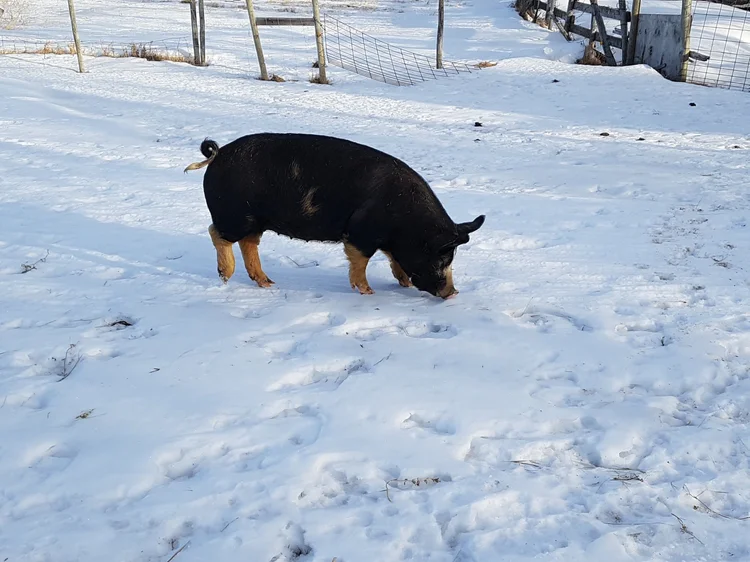
Berkshire pigs grow thick hair during winter. Their dense coats protect them from frostbite. They stay warm even in freezing conditions. This breed is calm and manages cold weather better than many others.
Hampshire Pigs
Hampshire pigs have a compact body shape that retains heat. Their short, dense hair helps block wind chill. They cope well with cold climates without extra shelter. These pigs remain active and healthy in winter.
Tamworth Pigs
Tamworth pigs are known for their thick, red hair. This coat keeps them warm in cold weather. They are hardy and can handle outdoor winter living. Their strong immune system helps resist cold-related illnesses.
Gloucestershire Old Spot
This breed grows a thick coat for winter protection. Gloucestershire Old Spots are calm and adapt well to cold. They are good for free-range farming in chilly climates. Their fat distribution helps keep body heat.
Benefits Of Cold Weather Management
Managing cold weather properly helps pigs stay healthy and comfortable. It reduces stress and prevents illnesses. A good cold weather plan keeps pigs warm and safe.
Proper cold weather management supports better growth and saves money. It also improves pig welfare and farm productivity. Caring for pigs during winter is key to their survival and well-being.
Improved Health And Immunity
Cold weather management lowers the risk of respiratory diseases. Warm, dry shelters protect pigs from cold drafts. Healthy pigs have stronger immune systems and resist infections better.
Enhanced Comfort And Reduced Stress
Pigs feel more comfortable with proper bedding and shelter. Warmth reduces shivering and energy loss. Less stress means pigs use energy for growth, not staying warm.
Better Feed Efficiency
When pigs stay warm, they eat and digest food better. Cold pigs burn more calories to stay warm. Managing cold weather helps save feed costs and improves weight gain.
Lower Mortality Rates
Warm housing and protection reduce pig deaths in winter. Young piglets especially need extra warmth to survive. Cold weather management saves lives and supports farm success.
Energy Conservation
Proper shelter reduces the energy pigs use to keep warm. This means pigs stay stronger and grow faster. Energy saved on warmth goes into muscle and fat development.

Credit: nimanranch.com
Frequently Asked Questions
Can Pigs Tolerate Freezing Cold Temperatures?
Pigs have limited tolerance to freezing cold. They can survive if provided with proper shelter and bedding. Without protection, pigs risk hypothermia and frostbite.
How Do Pigs Stay Warm In Winter?
Pigs use thick bedding like straw to insulate themselves. They also huddle together to share body heat. Proper shelter blocks wind and keeps them dry.
Do Pigs Need Special Care In Cold Weather?
Yes, pigs need extra feed to maintain body heat. Their water supply should be checked to prevent freezing. Regular health monitoring is crucial during cold spells.
Can Pigs Survive Outdoors Without Shelter In Winter?
Survival outdoors without shelter is risky for pigs. Exposure to cold winds and wet conditions can be fatal. Shelter is essential for their warmth and protection.
Conclusion
Pigs can survive cold weather with proper care and shelter. They need dry, warm places to stay safe. Providing enough food helps them keep energy and stay warm. Farmers must watch pigs closely during winter months. Cold stress can harm pigs without good protection.
Simple steps make a big difference for pig health. Keep pigs comfortable, and they will stay strong. Understanding their needs helps ensure their well-being all year. Caring for pigs in cold weather is possible and important.


