
Have you ever wondered what happens to wasps when the cold weather sets in? You might be surprised to learn that these buzzing insects have their own ways to survive chilly temperatures.
Understanding how wasps cope with cold can help you stay prepared and even ease your worries about them invading your space during winter. Keep reading to discover the secrets of wasps in cold weather and what that means for you and your home.
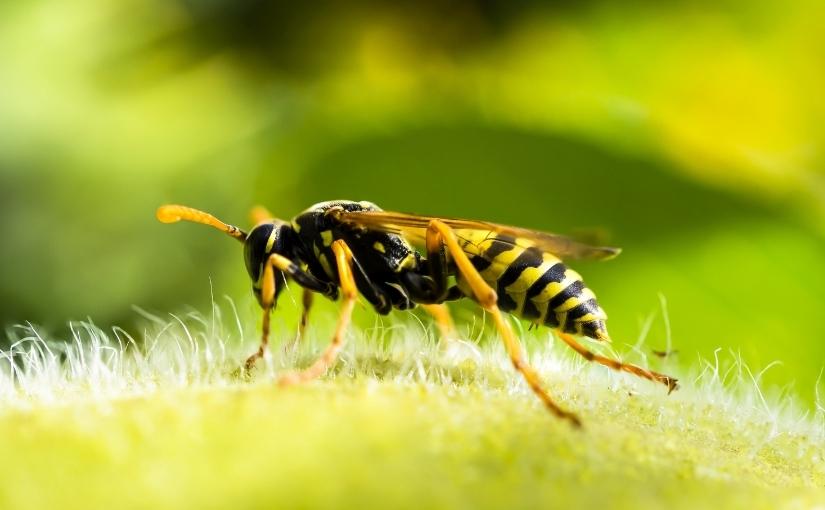
Credit: www.trulynolen.ca
Wasp Life Cycle
Understanding the wasp life cycle helps explain how these insects survive cold weather. Wasps go through distinct stages from egg to adult. Each stage has unique challenges and behaviors. The cycle affects their ability to endure winter months.
Stages Of Development
The wasp life cycle starts with the egg. The queen lays eggs in the nest cells. Eggs hatch into larvae, which are small and worm-like. Larvae need constant feeding by worker wasps. After feeding, larvae spin a cocoon and enter the pupal stage. Pupae transform inside the cocoon. Finally, adult wasps emerge from the pupae. Adults take on roles like foraging and nest defense.
Seasonal Patterns
Wasp activity changes with the seasons. In spring, the queen builds a new nest and lays eggs. Summer brings the growth of the colony, with many workers active. As fall arrives, new queens and males are produced. After mating, males die, and old workers start dying off. New queens find safe places to hibernate through the winter. Only these queens survive the cold. The rest of the colony dies before winter begins.
Cold Weather Adaptations
Wasps face harsh conditions during cold weather. They need special ways to survive freezing temperatures. These cold weather adaptations help wasps stay alive until spring. Their survival depends on smart strategies and natural skills.
Hibernation Strategies
Most wasps hibernate to survive winter. Only fertilized queens live through the cold. They find safe places to rest, such as under tree bark or inside walls. These queens slow down their body functions. This state, called diapause, reduces energy use. It helps them survive months without food. Worker wasps and males die before winter arrives.
Nest Insulation Techniques
Wasps build nests that protect against cold. The paper-like nests are made from chewed wood fibers. This material provides some insulation. The nest’s layers trap heat inside. During cold days, wasps cluster tightly together. Their body heat warms the nest’s center. This behavior keeps the queen and young wasps safe. Some species build nests in sheltered spots to avoid wind and rain. These simple nest features improve their chances of survival in winter.
Survival Of Queen Wasps
Queen wasps have a unique role in surviving cold weather. While worker wasps die off as temperatures drop, the queen prepares for winter. Her survival is crucial for the colony’s future. The queen enters a state of dormancy to endure the cold months. This helps the species continue year after year despite harsh conditions.
Role In Colony Continuation
The queen wasp is the only member to survive winter. She starts a new colony in spring. The queen lays eggs that become workers and drones. These workers expand the nest and gather food. Without the queen, the colony cannot continue. Her survival ensures the next generation of wasps.
Winter Survival Tactics
- The queen finds a safe place to hide, like under tree bark or inside wood crevices.
- She slows her metabolism to save energy during cold months.
- The queen remains inactive, avoiding unnecessary movement.
- Her body produces antifreeze-like chemicals to prevent ice damage.
- She stays warm by using small sheltered spots protected from wind and snow.
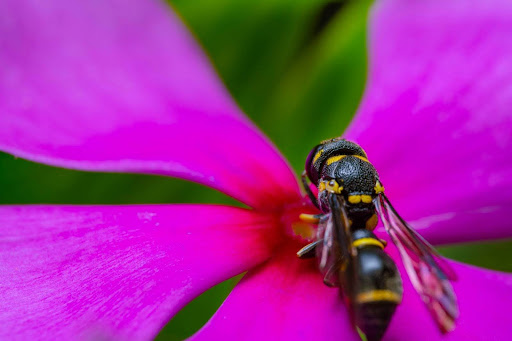
Credit: naturapestcontrol.com
Impact Of Temperature Drops
Temperature drops have a strong impact on wasps. Cold weather challenges their survival and daily activities. Understanding these effects helps explain how wasps cope with winter. Their bodies and behaviors adapt to avoid freezing and death.
Effects On Wasp Physiology
Cold temperatures slow down wasp metabolism. Their muscles become less active and movement slows. Body fluids risk freezing, which can damage cells. Some wasps produce antifreeze-like chemicals to survive. These chemicals stop ice from forming inside their bodies. Energy use decreases to preserve vital functions. This state helps wasps endure long, cold periods.
Behavioral Changes In Cold
Wasps change behavior as temperatures drop. Many seek shelter in protected places like tree holes or underground nests. Some species die off, leaving only queens alive. Queens enter a deep rest called diapause. During diapause, wasps reduce activity to save energy. They avoid flying and feeding during cold days. This behavior increases their chances of surviving winter.
Regional Variations
Wasps show clear differences in how they survive cold weather based on their region. These regional variations affect their behavior, survival methods, and colony success. Understanding these differences helps explain why wasps thrive in some places but struggle in others.
Comparison Of Northern And Southern Wasps
Wasps in northern regions face long, harsh winters. They build strong nests and rely on hibernation to survive the cold months. Many queens find shelter underground or in protected areas. The colony usually dies off, except for the hibernating queen.
Southern wasps live in milder climates. Their nests often last through winter. Some colonies stay active year-round. These wasps do not need to hibernate as deeply or for as long. Their survival depends less on finding shelter and more on steady food supply.
Climate Influence On Survival Rates
Temperature and snowfall greatly impact wasp survival. Cold snaps without snow cover can kill many wasps. Snow acts as insulation, protecting nests from freezing. Mild winters with little frost improve survival chances for wasps.
Rainfall and humidity also affect wasp activity. Dry winters reduce food availability, lowering survival rates. Wet winters can damage nests and reduce colony strength. Regions with stable, moderate climates see higher wasp survival overall.
Human Interaction With Wasps
Human interaction with wasps changes significantly as cold weather approaches. Unlike summer, when wasps are more active and visible, colder months force both humans and wasps to adapt. Understanding how to handle wasps during this time can reduce unwanted encounters and prevent infestations.
Managing Wasps In Cold Seasons
During cold weather, wasps become less aggressive but still pose risks if disturbed. You might notice fewer wasps flying around, but nests inside walls or attics can still be active. It’s important to avoid sudden movements near these nests to prevent stings.
If you find a nest indoors during winter, don’t try to remove it yourself. Instead, contact a professional pest control service. They have the right tools and knowledge to handle wasps safely without causing harm to you or the environment.
Preventive Measures For Infestations
Preventing wasp infestations in the cold season starts by sealing entry points in your home. Check for gaps around windows, doors, and vents where wasps could sneak inside. Even small cracks can become a cozy shelter for them during winter.
Keep outdoor garbage bins tightly closed and clean. Food waste can attract wasps even in the cold months. Also, remove fallen fruit from your yard promptly, as it acts like a winter buffet for these insects.
- Inspect your property regularly for early signs of nests.
- Trim tree branches and shrubs close to your house to reduce potential hiding spots.
- Consider using natural deterrents like peppermint oil near entry points.
Have you ever thought about how your daily habits might invite wasps indoors? Taking simple steps now can save you from bigger problems later. What preventive changes can you start today to keep your home wasp-free all winter?
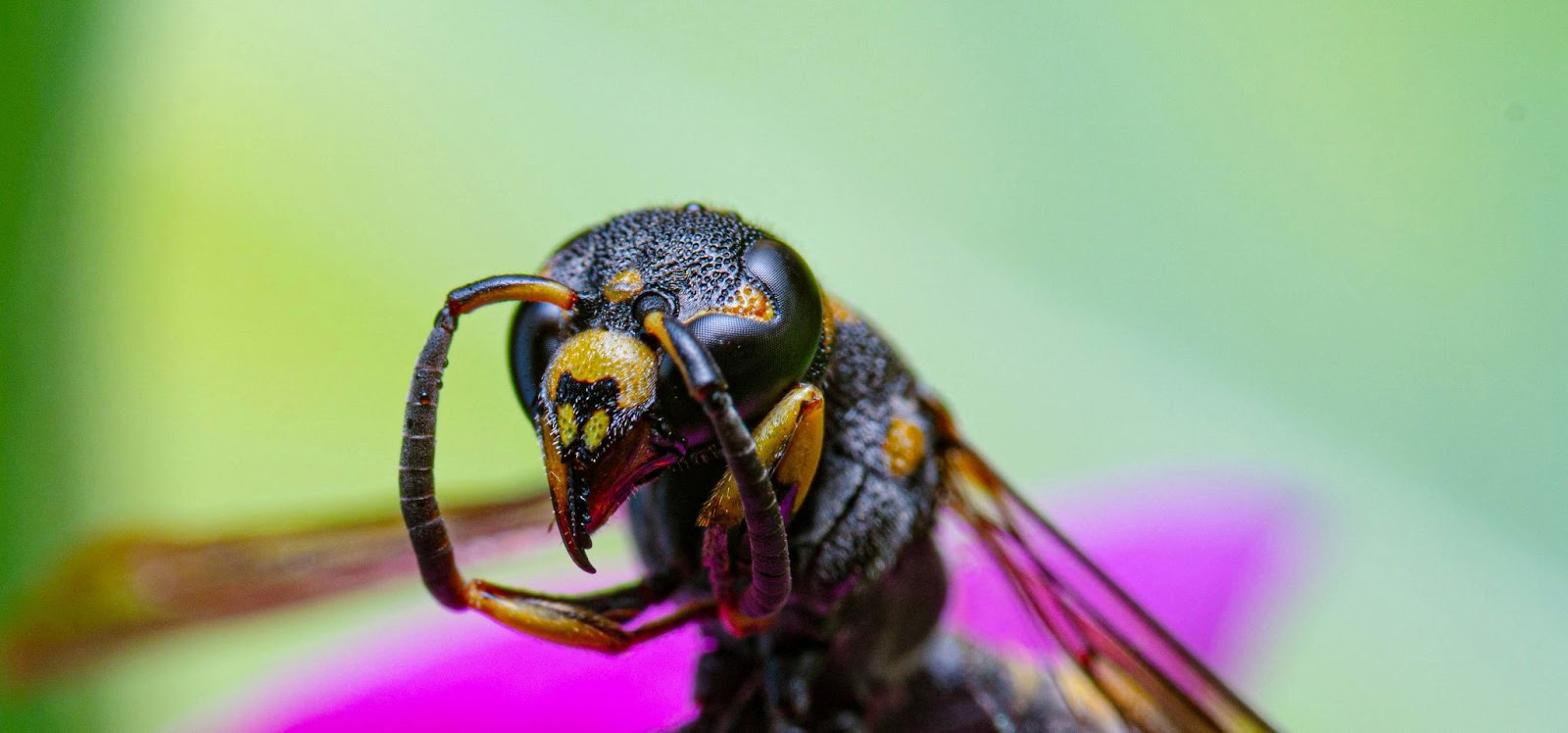
Credit: naturapestcontrol.com
Frequently Asked Questions
Can Wasps Survive Freezing Winter Temperatures?
Most wasps cannot survive freezing temperatures. Only fertilized queen wasps hibernate in insulated places. Workers and males die off as cold arrives.
How Do Wasps Protect Themselves From Cold Weather?
Wasps protect themselves by finding sheltered spots like wood crevices or underground burrows. Queens hibernate to survive winter’s chill.
Do Wasp Nests Survive Cold Weather?
Wasp nests do not survive cold weather. Colonies die off except for fertilized queens. New nests are built in spring.
When Do Wasps Become Inactive In Cold Weather?
Wasps become inactive as temperatures drop below 50°F (10°C). They slow down and seek shelter to conserve energy.
Conclusion
Wasps face tough challenges during cold weather. Many cannot survive freezing temperatures. Some wasps protect their queens by hibernating in safe places. Others build nests that shield them from the cold. Nature helps wasps adapt to winter in many ways.
Understanding this helps us respect these insects more. Wasps play a role in the ecosystem despite harsh winters. They return when the weather warms up again. This cycle shows how life adjusts and continues.


