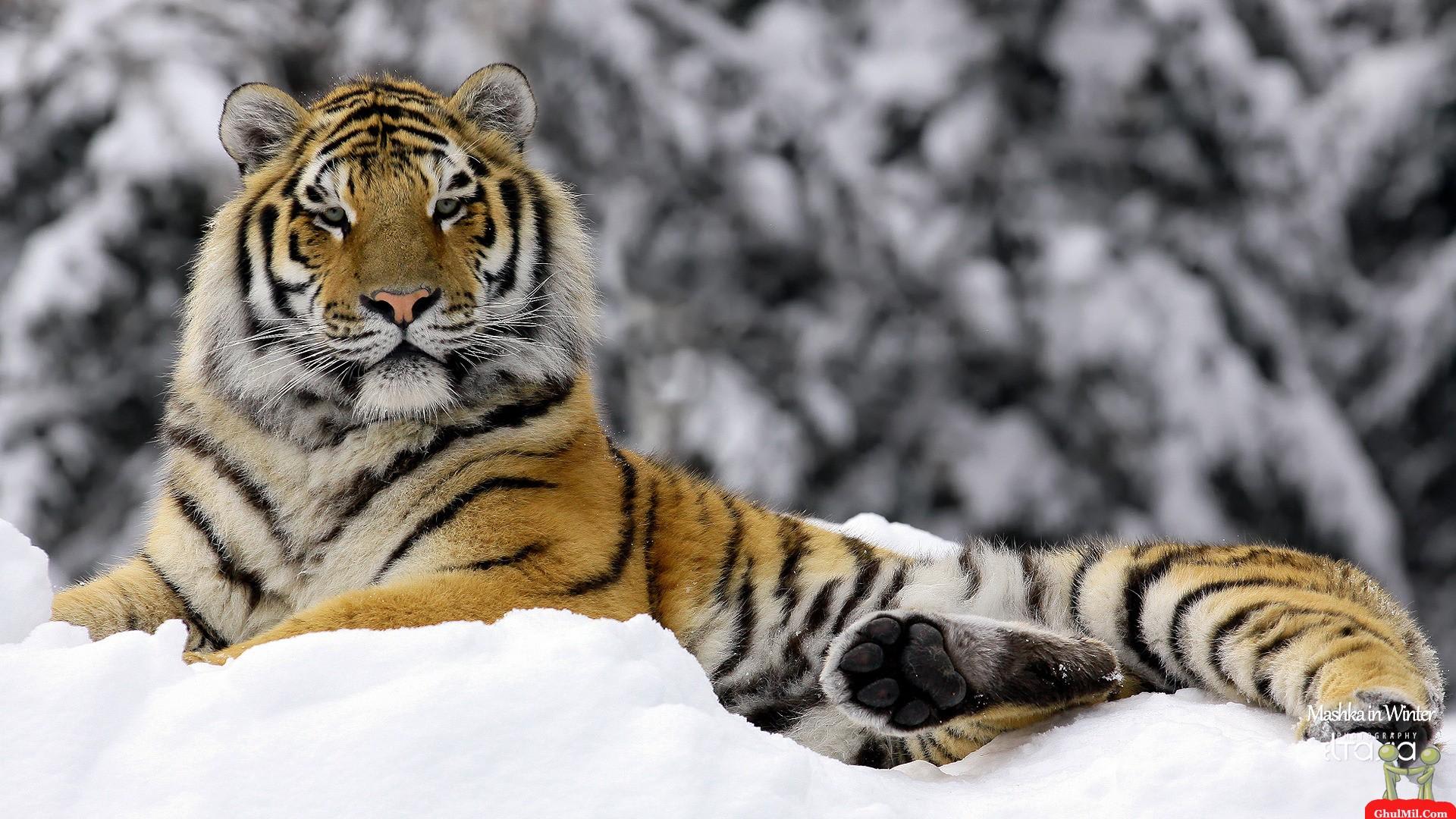
Have you ever wondered how Siberian tigers manage to thrive in some of the coldest places on Earth? Imagine facing freezing temperatures day after day, with snow covering everything around you.
Yet, these majestic creatures not only survive—they dominate their icy homes. You’ll discover the amazing ways Siberian tigers stay warm, find food, and protect themselves against the harsh winter. By the end, you’ll see these tigers in a whole new light—and maybe even learn a thing or two about resilience in the face of extreme cold.
Keep reading to unlock the secrets behind their survival.
Credit: owlcation.com
Physical Adaptations
Siberian tigers survive harsh winters through unique physical features. These adaptations keep them warm and protected in freezing temperatures. Their bodies are built to handle snow, ice, and cold winds. Each trait plays a key role in their survival. Let’s explore how their thick fur, fat layer, and large body size help them endure winter.
Thick Fur Coat
The Siberian tiger’s fur is dense and long. It traps heat close to the skin. This thick coat acts like natural insulation. The fur covers the whole body, including the paws. The tiger’s stripes help break up its outline in snowy forests. This camouflage also aids in hunting during winter.
Layer Of Fat
Under the skin, Siberian tigers have a thick fat layer. This fat stores energy and keeps the body warm. It protects vital organs from extreme cold. The fat layer grows thicker in winter months. This helps the tiger maintain body heat during long, cold nights.
Large Body Size
Siberian tigers are among the largest tiger subspecies. Their big bodies lose heat slower than small animals. A large surface area-to-volume ratio reduces heat loss. This size helps them stay warm longer in freezing weather. Strong muscles support hunting in deep snow and cold conditions.
Credit: openweather.co.uk
Behavioral Adaptations
Siberian tigers have unique behaviors that help them survive harsh winters. Their actions change with the seasons and cold weather. These behavioral adaptations keep them warm, safe, and well-fed. Understanding these behaviors reveals how they thrive in cold climates.
Migration Patterns
Siberian tigers rarely migrate long distances. They stay within large, defined territories. In winter, they move to lower elevations or forested areas. These spots offer shelter from strong winds and heavy snow. Staying close to prey is also crucial during cold months. This careful movement helps conserve energy and stay warm.
Hunting Strategies
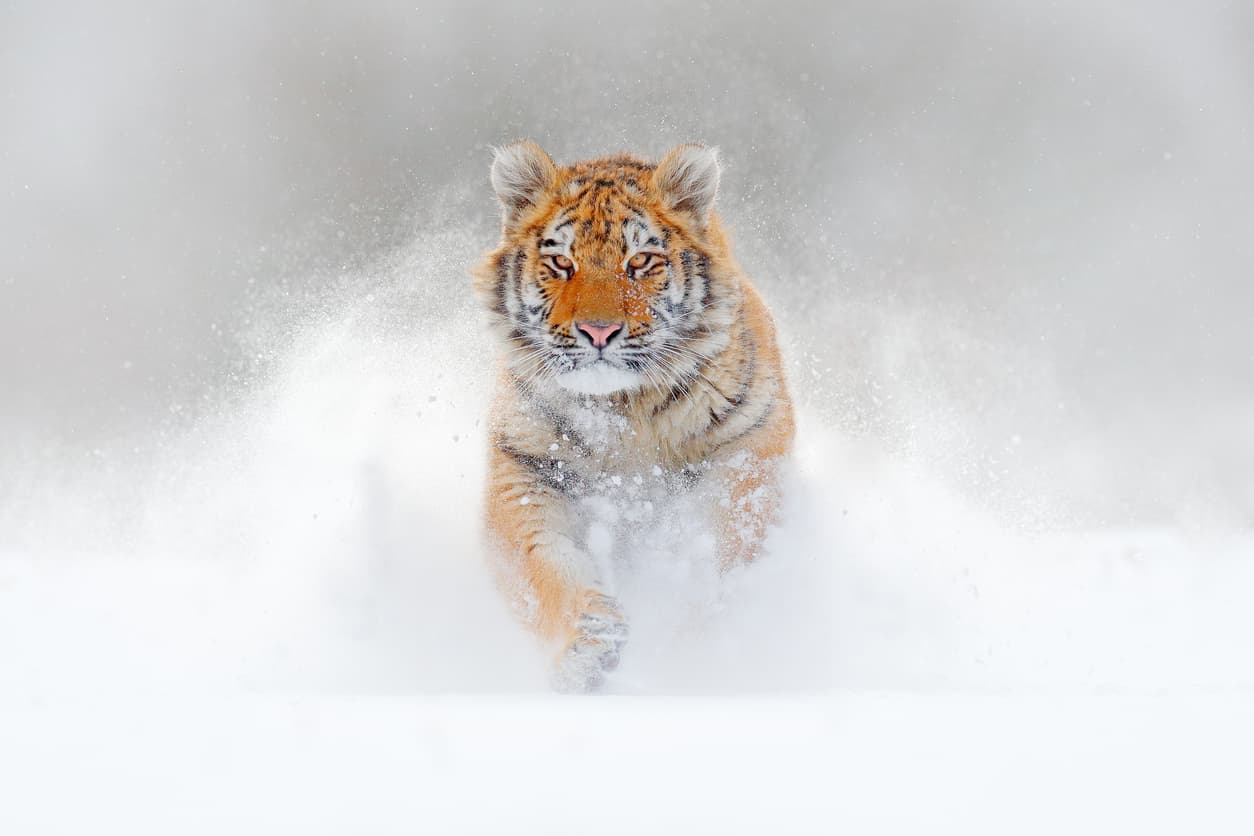
Tigers change hunting tactics in winter. They hunt mostly at dawn and dusk to avoid extreme cold. Their thick fur and large paws help them move silently in snow. They use cover like trees and bushes to sneak close to prey. Tigers also target weaker animals, saving energy on long chases. Efficient hunting ensures enough food during scarce seasons.
Social Behavior
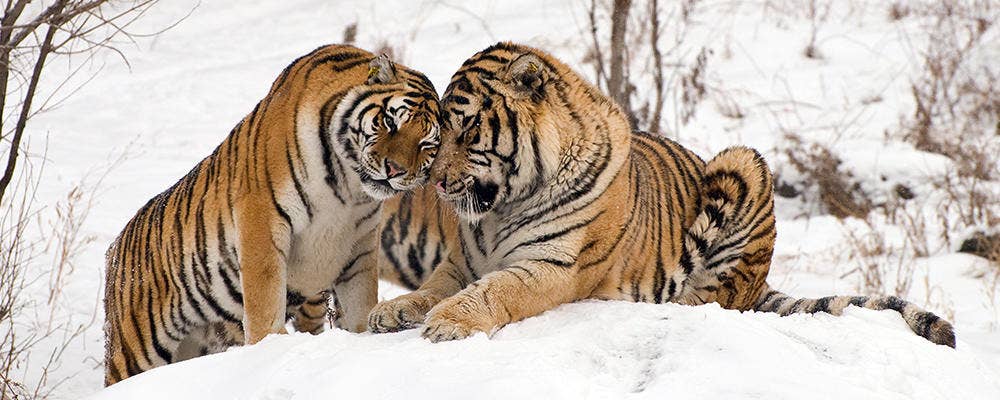
Siberian tigers are mostly solitary but show some social behaviors. Mothers and cubs stay close for warmth and protection. During harsh weather, tigers may rest in sheltered spots together briefly. Marking territory with scent helps avoid fights and conserve energy. These behaviors reduce stress and increase survival chances in cold weather.
Dietary Adaptations
Siberian tigers survive harsh winters through special dietary adaptations. Their food choices and metabolism help them keep warm and strong. These adaptations make hunting and energy use more effective in cold conditions.
Prey Selection
Siberian tigers pick prey that provides high energy and fat. They hunt large animals like deer and wild boar. These animals have thick fur and fat to survive winter, which gives tigers extra calories.
Choosing big prey means less effort for more food. Tigers can eat enough to build fat layers for insulation. They also store energy to use during scarce food times.
Efficient Metabolism
Tigers have a metabolism that uses energy wisely. Their bodies burn fat slowly to keep energy longer. This helps them stay active in freezing weather without eating every day.
Their metabolism also creates more body heat. It keeps muscles working well during cold hunts. This energy efficiency is key to surviving tough winters.
Habitat Adaptations
Siberian tigers thrive in harsh, cold environments due to special habitat adaptations. These adaptations help them find food, stay safe, and keep warm. Their natural habitat includes dense forests and large territories, which support their survival in freezing temperatures. Understanding these traits reveals how they cope with the cold and remain powerful predators.
Forest Camouflage
The thick forests provide natural cover for Siberian tigers. Their striped fur blends perfectly with tree shadows and snow patches. This camouflage helps them sneak close to prey without being seen. It also protects them from potential threats by hiding their presence.
In winter, the tiger’s fur grows longer and denser. This extra fur helps keep the tiger warm and enhances its camouflage against the snowy background. The mix of white snow and dark tree trunks makes the stripes very effective.
Territorial Range
Siberian tigers claim large territories to find enough food and shelter. Their range can cover hundreds of square kilometers. This large space ensures access to prey like deer and wild boar during scarce winter months.
Within their territory, tigers use scent markings to warn others away. This reduces fights and helps conserve energy. A well-maintained territory with enough resources is crucial for surviving long, cold winters.
Reproductive Strategies
The reproductive strategies of Siberian tigers play a crucial role in their survival, especially in the harsh, cold environments they inhabit. These strategies ensure that the cubs are born and raised under conditions that maximize their chances of survival. Understanding these behaviors gives you insight into how nature adapts to extreme climates through life cycles.
Breeding Season Timing
Siberian tigers time their breeding season carefully to increase cub survival. Mating usually occurs in late winter, around January to February, so cubs are born in early summer when temperatures are milder.
This timing allows mothers to raise their young during warmer months, reducing the risk of hypothermia for vulnerable cubs. The milder weather also means prey is more abundant, providing enough food for the nursing mother and growing cubs.
Have you ever thought about how animals adjust their life events to match the seasons? This precise timing is a powerful survival tool in cold climates.
Cub Rearing Practices
Mother tigers are extremely protective and nurturing during cub rearing. They build dens in sheltered areas like caves or dense thickets, offering protection from cold winds and predators.
They keep the cubs hidden and warm, frequently nursing and grooming them to maintain body heat. Cubs stay with their mother for up to two years, learning vital hunting and survival skills before venturing out alone.
This long period of care is essential because cubs are born blind and helpless, requiring constant warmth and attention. Have you noticed how important a safe and warm environment is for young animals, much like for human babies?
Threats And Conservation
The survival of Siberian tigers in their harsh, cold environment faces serious challenges beyond just the weather. Threats like human activity have pushed these majestic animals closer to extinction. However, ongoing conservation efforts provide hope and practical ways to protect them.
Human Impact
Human activities have dramatically affected Siberian tiger populations. Poaching remains a severe threat, as tiger parts are highly valued in illegal markets. Habitat loss due to logging and development reduces the space these tigers need to roam and hunt.
Have you ever thought about how a single road or settlement can disrupt an entire ecosystem? Even small changes in the forest can isolate tiger populations, making it harder for them to find mates and survive harsh winters.
Conservation Efforts
Conservation groups and governments are working hard to protect Siberian tigers. Anti-poaching patrols and stricter law enforcement help reduce illegal hunting. Protected areas and wildlife corridors are being established to connect fragmented habitats.
Community involvement plays a crucial role too. Educating locals about the importance of tigers encourages coexistence rather than conflict. You can support these efforts by spreading awareness or donating to reputable conservation organizations.
/https://tf-cmsv2-smithsonianmag-media.s3.amazonaws.com/filer/5b/9a/5b9ae143-73aa-4594-8af6-f6943533f940/feb15_d10_tigers.jpg)
Credit: www.smithsonianmag.com
Frequently Asked Questions
How Do Siberian Tigers Stay Warm In Winter?
Siberian tigers have thick fur and a dense undercoat that insulates against cold. Their large body size also conserves heat efficiently.
What Adaptations Help Siberian Tigers Survive Cold?
They have wide paws acting like snowshoes and a layer of fat for insulation. Their fur color camouflages them in snowy forests.
Do Siberian Tigers Change Behavior In Cold Weather?
Yes, they reduce activity to conserve energy and hunt strategically. They use dense forest cover to shield from harsh winds.
How Do Siberian Tigers Find Food In Freezing Temperatures?
They rely on strong senses and track prey under snow. Their powerful muscles help them catch animals even in deep snow.
Conclusion
Siberian tigers thrive in cold weather thanks to their thick fur and fat. They hunt skillfully to find food in harsh conditions. Their strong muscles help them move through deep snow. These tigers also use their sharp senses to stay safe.
Nature has equipped them well for survival in winter. Their ability to adapt makes them true survivors of the wild. Watching them teaches us about strength and resilience. Truly, Siberian tigers are amazing creatures built for cold climates.


