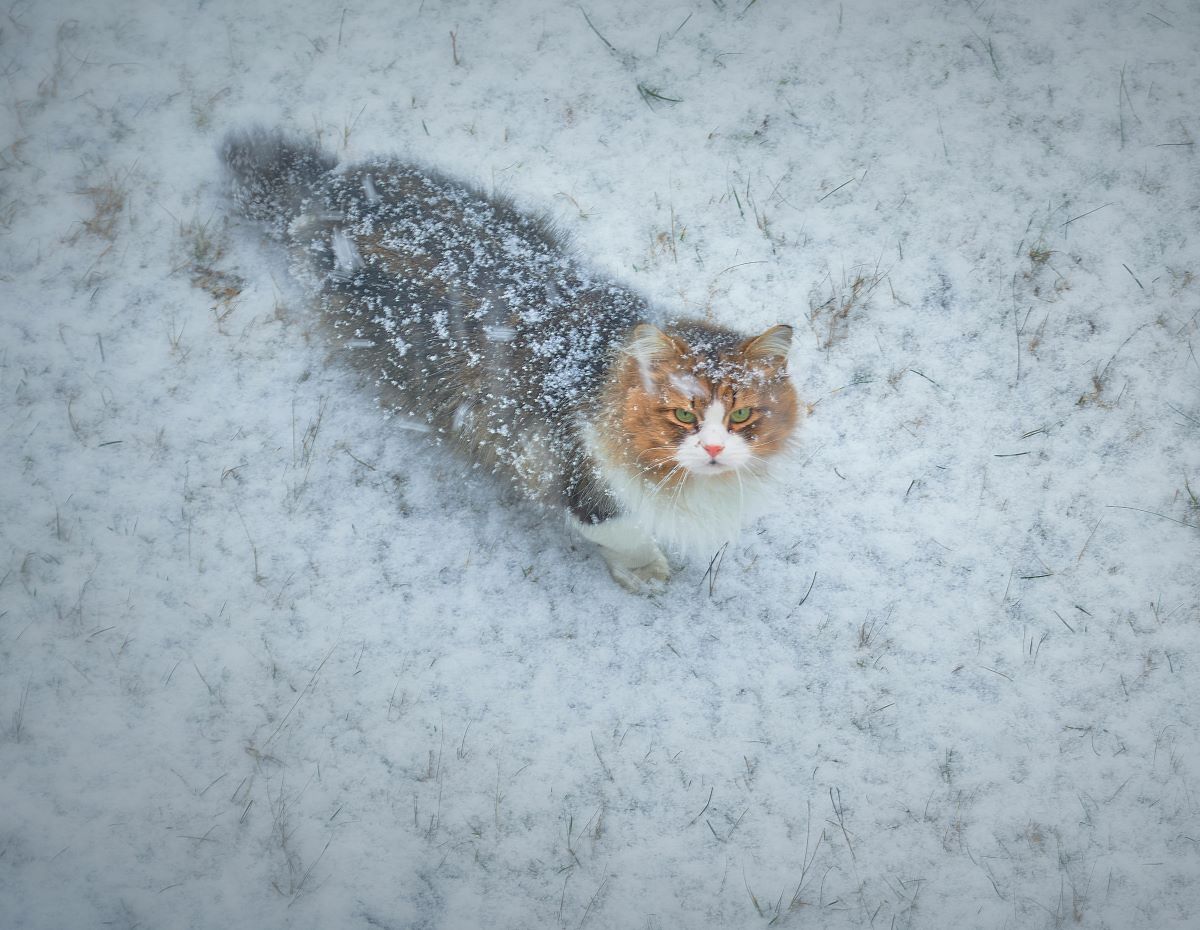
Have you ever wondered if your cat can handle freezing 10-degree weather? It’s a question every cat owner should ask, especially when temperatures drop.
Your furry friend may seem tough, but cold weather can be dangerous for them. You’ll discover how cold affects cats, what signs to watch for, and simple steps you can take to keep your pet safe and warm. Keep reading to make sure your cat stays healthy when the mercury falls.
Feline Cold Tolerance
Cats have a natural ability to handle cold weather, but their tolerance varies. Their fur acts as a shield, keeping some warmth close to the skin. Yet, not all cats are built the same when facing cold conditions. Understanding feline cold tolerance helps in keeping cats safe during chilly days.
How Cats Stay Warm In Cold Weather
Cats use several ways to keep warm:
- Thick fur traps air, which acts as insulation.
- They curl up to protect vital organs and reduce heat loss.
- Shivering generates extra body heat.
- Seeking sunny or sheltered spots helps them stay warm.
Factors Affecting Cold Tolerance In Cats
Not all cats handle cold the same. These factors affect their tolerance:
- Age: Kittens and older cats are more sensitive to cold.
- Breed: Some breeds have thicker fur or more body fat.
- Health: Sick or weak cats struggle more in cold weather.
- Acclimation: Cats used to cold climates adapt better over time.
Signs A Cat Is Too Cold
Watch for these signs that a cat feels cold:
- Shivering or trembling.
- Hiding or seeking warmth constantly.
- Slow movements or lethargy.
- Cold ears, paws, or tail tips.
Recognizing Cold Stress In Cats
Cats are sensitive to cold weather, and 10-degree temperatures can be dangerous. Recognizing cold stress early helps protect your feline friend. Knowing the signs allows you to act quickly and keep your cat safe. Cold stress affects behavior and physical health in cats.
Behavioral Changes
- Seeking warm places more often
- Hiding in sheltered areas
- Reduced activity or reluctance to move
- Shivering or trembling
- Restlessness or pacing
- Increased vocalization, such as meowing loudly
Physical Symptoms
- Cold ears, paws, and tail tips
- Pale or bluish gums and tongue
- Slow breathing or shallow breaths
- Stiff muscles or difficulty walking
- Lethargy or weakness
- Shivering that does not stop
Preparing Your Cat For Cold Weather
Preparing your cat for cold weather is essential to keep it safe and comfortable. Cats can feel the cold just like humans. They need extra care during chilly days. Simple steps can make a big difference in their well-being.
Providing a cozy environment helps your cat stay warm. Also, proper food and water support their health in low temperatures. Both shelter and nutrition play key roles in cold weather survival.
Creating A Warm Shelter
A warm shelter protects your cat from cold winds and frost. Use insulated materials like foam or straw inside a small box or cat house. Place the shelter in a quiet, dry spot away from rain and snow.
- Keep the entrance small to hold heat inside.
- Elevate the shelter off the ground to avoid dampness.
- Add soft bedding like blankets or towels for extra warmth.
- Check the shelter regularly for moisture or damage.
Providing Adequate Food And Water
Cold weather increases your cat’s energy needs. Feed high-quality food with enough calories to help keep body heat. Offer meals more often during winter months.
- Ensure fresh water is always available and not frozen.
- Use heated water bowls or change water frequently.
- Wet food can freeze quickly; dry food is better outside.
- Consult your vet for diet advice in cold seasons.
Credit: therescuevets.com
Clothing And Gear For Outdoor Cats
Outdoor cats face cold temperatures that can be dangerous. Clothing and gear help keep them warm. Proper apparel protects cats from harsh weather. It also makes their outdoor time safer and more comfortable. Choosing the right items is key to ensuring your cat stays healthy in 10 degree weather.
Choosing The Right Cat Apparel
Pick clothes made of warm, soft materials like fleece or wool. The fabric should be lightweight but insulating. Clothes must fit snugly without being tight. Look for designs that cover the chest, back, and belly. Avoid anything that restricts movement or causes discomfort.
Consider waterproof or windproof jackets to block cold air and moisture. Some cats prefer sweaters or vests over full suits. Try different styles to see what your cat accepts best.
- Use adjustable straps for a better fit
- Choose bright colors or reflective strips for visibility
- Check for easy to put on and take off designs
Safety Considerations
Check clothes daily for wear and tear. Loose threads or broken straps can cause harm. Avoid items with small parts like buttons or beads that cats might swallow. Make sure the gear does not cover the face or impair breathing.
Observe your cat’s behavior when wearing clothes. Remove apparel if the cat shows distress or tries to bite or scratch it. Do not leave cats unattended in gear that might get caught on objects.
Proper clothing is only part of outdoor safety. Provide warm shelters and monitor weather conditions regularly.
Indoor Vs. Outdoor Cats In Cold Weather
Deciding whether your cat should stay indoors or roam outside during cold weather can be tricky. Each option comes with its own set of challenges and benefits, especially when temperatures drop to 10 degrees or lower. Understanding the differences helps you make the best choice for your feline friend’s safety and comfort.
Pros And Cons
Indoor Cats:
- Stay warm and safe from harsh weather.
- Less risk of illness or injury.
- May get bored without enough stimulation.
Outdoor Cats:
- Enjoy natural exercise and exploration.
- Face dangers like hypothermia, frostbite, and predators.
- May struggle to find shelter during cold spells.
Think about your cat’s personality. Does your cat handle stress well, or do they prefer calm indoor spaces? Their health and age also matter—older or sick cats often need the extra warmth indoors.
Adjusting To Temperature Changes
Outdoor cats can get used to cooler weather if introduced gradually. You might notice your cat seeking sunny spots or curling up more tightly to conserve heat.
Indoor cats might find sudden cold snaps stressful if your home isn’t heated consistently. Offering cozy beds or heated pads can make a big difference in their comfort.
Have you observed how your cat reacts when the temperature drops? Small changes in behavior can signal discomfort or health risks. Watching closely helps you act before problems develop.
Credit: nationalzoo.si.edu
Emergency Measures For Extreme Cold
Extreme cold poses serious risks to cats. Knowing emergency measures can save their lives. Quick and calm actions protect cats from cold-related harm. Understanding signs and responding fast improves survival chances.
Recognizing Hypothermia
Hypothermia occurs when a cat’s body temperature drops too low. Signs include:
- Shivering or trembling
- Weakness or lethargy
- Cold ears, paws, or tail
- Slow breathing or heartbeat
- Stiff muscles or difficulty moving
- Unresponsiveness or unconsciousness
Spot these signs early. Immediate care is crucial for recovery.
Immediate Actions To Take
Warm the cat slowly to avoid shock. Follow these steps:
- Move cat to a warm, dry place
- Wrap in blankets or towels
- Use a warm water bottle wrapped in cloth
- Offer warm (not hot) fluids if alert
- Keep the cat calm and still
- Contact a veterinarian immediately
Do not use direct heat like heating pads or lamps. Gentle warming helps restore normal temperature safely.
Veterinary Advice For Cold Weather Care
Cold weather poses real challenges for cats, especially when temperatures dip to around 10 degrees. Veterinary advice becomes essential to help you protect your furry friend from the risks that chill brings. Knowing how to care for your cat in cold conditions can make a big difference in their health and comfort.
Health Checks
Regular health checks are vital when the weather turns cold. Cats can develop hidden issues like arthritis or respiratory problems that worsen in low temperatures.
Watch for signs such as shivering, lethargy, or changes in appetite. These might indicate your cat is struggling with the cold. A vet can assess your cat’s overall condition and suggest treatments or supplements to boost their resilience.
Have you noticed your cat spending more time in warm spots? This behavior can hint at discomfort. Early detection through health checks can prevent serious complications during winter.
Preventive Measures
Keeping your cat safe in cold weather means taking preventive steps before the temperature drops too low.
- Provide Warm Shelter:Ensure your cat has a cozy, draft-free space indoors or an insulated shelter if they go outside.
- Nutrition Boost:Increase high-quality food slightly, as cats burn more energy to stay warm.
- Limit Outdoor Time:Shorten outdoor excursions to prevent prolonged exposure to cold.
- Regular Grooming:Well-groomed fur offers better insulation; avoid shaving or trimming coats too short.
Think about your cat’s daily routine—are there ways you can adjust it to reduce their cold exposure? Small changes like a heated bed or extra blankets might make a huge difference.
Credit: therescuevets.com
Frequently Asked Questions
Can Cats Survive In 10 Degree Weather Outdoors?
Cats can survive 10 degree weather briefly but risk hypothermia and frostbite. They need shelter and warmth to stay safe outdoors in cold conditions.
How Do Cats Stay Warm In Cold Temperatures?
Cats stay warm by seeking shelter, curling up tightly, and using their fur coat. They may also find warm spots like sunny areas or heated homes.
Should I Let My Cat Outside In 10 Degree Weather?
It’s best to limit outdoor time for cats in 10 degree weather. Prolonged exposure can cause health issues, so provide indoor warmth and shelter.
What Signs Show A Cat Is Cold Or Hypothermic?
Signs include shivering, lethargy, weak pulse, and cold ears or paws. Immediate warmth and veterinary care are essential if these symptoms appear.
Conclusion
Cats can survive 10 degree weather, but it is very risky. They feel cold and need warmth to stay safe. Outdoor cats may suffer from frostbite or illness. Providing shelter and warmth helps them stay healthy. Watch your cat carefully during cold days.
Keep them inside when the temperature drops too low. Protecting your cat shows you care about their well-being. Stay alert and act quickly if your cat looks cold or sick. Simple steps can make a big difference in their survival.


