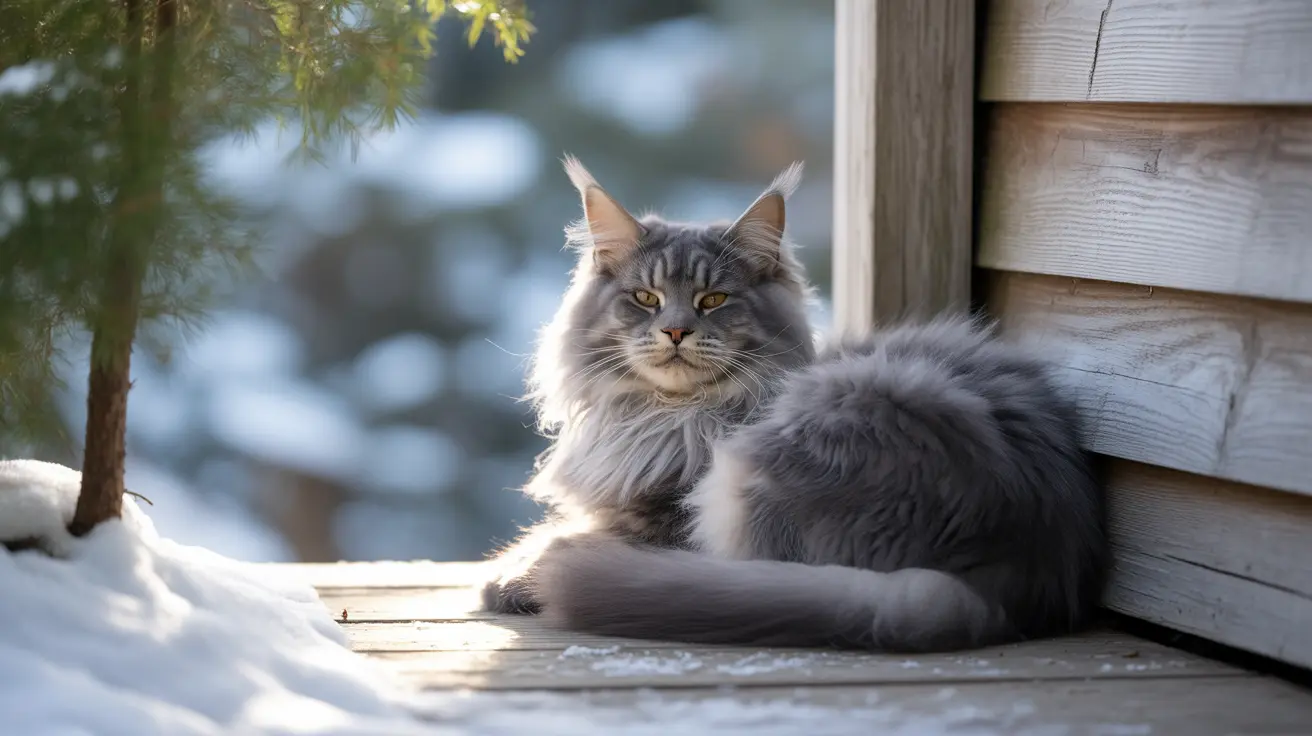
Have you ever wondered if your cat can handle freezing weather? When temperatures drop, you might worry about your furry friend’s safety.
Can they stay warm enough on their own, or do they need extra help? Understanding how cold affects cats is important for keeping them safe and healthy. You’ll discover the truth about cats and freezing weather—and what you can do to protect your beloved pet when the chill sets in.
Keep reading to learn what every cat owner needs to know.

Credit: ahconnects.org
Cat Physiology And Cold Weather
Understanding how cats handle cold weather starts with looking at their unique physiology. Their bodies have natural features designed to manage temperature changes. But are these features enough for them to survive freezing conditions outside? Let’s break down how their body works against the cold.
Body Temperature Regulation
Cats maintain a normal body temperature around 101 to 102.5 degrees Fahrenheit. Their internal thermostat works hard to keep this stable, even when the air is frigid. However, unlike humans, cats cannot shiver continuously to generate heat, so they rely on other methods.
One way they stay warm is by reducing blood flow to their extremities like paws and tail. This helps conserve heat in their core. But if the cold is too intense or lasts too long, this system can fail, leading to frostbite or hypothermia.
Have you noticed your cat curling up tightly during winter? This behavior helps minimize heat loss and protects vital organs. It’s a natural response that highlights how temperature regulation is an active process for them.
Fur And Insulation
A cat’s fur plays a crucial role in insulating against the cold. Their double-layered coat—soft underfur and longer guard hairs—traps air close to the skin, creating a natural barrier. This air layer acts like a tiny blanket, keeping the cat warm.
Outdoor cats often grow thicker coats as winter approaches. Indoor cats might not get this benefit, making them more vulnerable if exposed to cold environments. You might want to check your cat’s fur density and consider extra protection if they spend time outside.
Not all cat breeds handle cold equally. Breeds like Maine Coons have especially thick fur, while short-haired cats lose heat faster. This difference means you need to tailor care based on your cat’s fur type and the weather conditions they face.
Recognizing Cold Stress In Cats
Cats can feel the cold deeply, especially in freezing weather. They do not always show when they are in trouble. Recognizing cold stress early can save their lives. Watch for clear signs that your cat is too cold. Understanding these signs helps protect them from serious harm.
Signs Of Hypothermia
- Shivering or trembling
- Slow or weak heartbeat
- Low body temperature (below 99°F or 37.2°C)
- Pale or blue gums and tongue
- Stiff muscles or weakness
- Slow breathing or difficulty breathing
- Lethargy or unresponsiveness
Behavioral Changes
- Hiding in warm places
- Refusing to move or play
- Seeking shelter or curling up tightly
- Decreased appetite or thirst
- Unusual quietness or lack of energy
- Meowing less or showing distress
Creating A Warm Environment
Keeping cats warm during freezing weather is crucial for their survival and comfort. Creating a warm environment requires thoughtful steps, whether your cat stays indoors or spends time outside. Your goal is to provide safe, cozy spots that shield them from harsh cold and help maintain their body heat.
Indoor Heating Solutions
Indoor cats benefit greatly from warm spots around the house. You can add soft blankets or heated pet beds near sunny windows or radiators. Heated beds with thermostats are especially useful because they keep a steady, safe temperature without overheating.
Another simple idea is placing a covered box with blankets in quiet corners. Cats love enclosed spaces that trap their body heat. Have you noticed how your cat often curls up in small, snug places? That natural behavior shows their need for warmth and security.
Using a low-wattage heating pad under their bedding can also make a big difference. Just make sure it’s designed for pets and check it regularly to avoid risks. Layering blankets and adding a small hot water bottle wrapped in a towel can provide extra warmth during extreme cold spells.
Outdoor Shelters
If your cat ventures outdoors or lives outside, a well-insulated shelter is a must. A sturdy, weatherproof cat house with thick walls helps block wind and rain. Adding straw inside creates insulation because it stays dry and traps heat better than blankets, which can get damp and cold.
Elevating the shelter off the ground prevents cold and moisture from seeping in. You can also place it in a spot shielded from wind, like near a wall or under dense bushes. Have you thought about how natural elements around your yard can protect your cat’s shelter?
Consider adding a small flap door to keep warmth inside and cold air out. Reflective materials inside the shelter can bounce your cat’s body heat back to them. Simple touches like these make a huge difference in keeping outdoor cats safe through freezing nights.
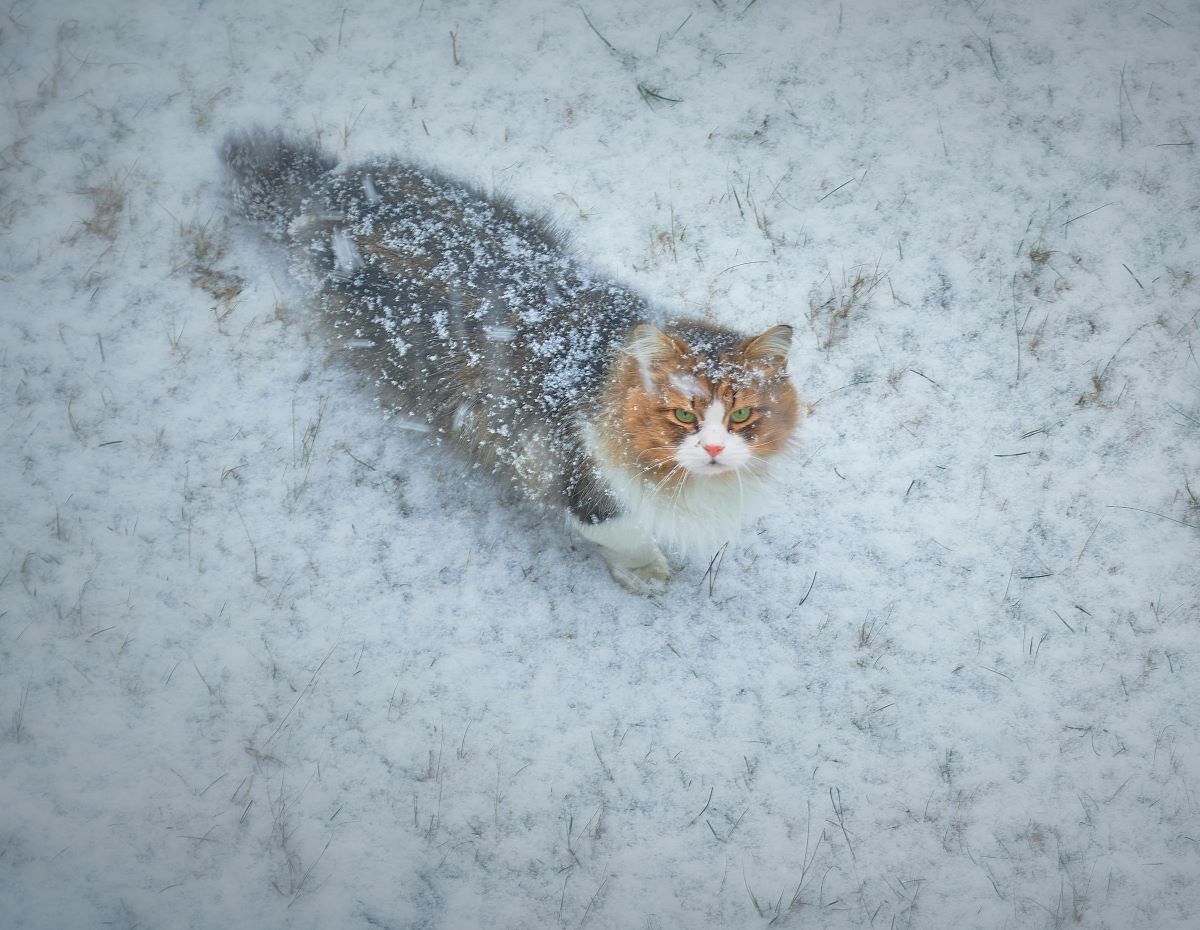
Credit: www.jackery.com
Nutritional Needs In Cold Weather
Cold weather challenges your cat’s body in many ways, especially when it comes to nutrition. Keeping your feline friend well-fed and hydrated becomes even more important as temperatures drop. Adjusting their diet can help them maintain energy and stay warm during harsh winter days.
Caloric Intake Adjustments
In freezing weather, your cat burns more calories to keep warm. This means they need extra food to fuel their increased energy use. You might notice your cat acting hungrier or eating more often.
Increasing their daily calorie intake by 10-20% can make a big difference. Try offering high-quality, protein-rich foods that pack more energy per bite. Avoid just adding more dry food; instead, consider nutrient-dense wet food to help with hydration too.
Have you checked if your cat’s current diet matches their winter needs? It’s easy to overlook this, but small changes in feeding can prevent weight loss and keep your cat lively.
Hydration Importance
Cold weather often means less water intake because your cat drinks less when it’s chilly. However, hydration is still crucial for their health and helps maintain body temperature. Dry indoor air can also cause dehydration without you realizing it.
Encourage your cat to drink more by offering fresh water frequently and placing multiple water bowls around your home. Some cats prefer running water, so a cat fountain might be a good investment. Adding wet food to their diet is another effective way to boost hydration.
What signs do you watch for to know if your cat is drinking enough? Monitoring hydration can be subtle, but it’s key to preventing serious health issues during cold months.
Protective Clothing And Gear
Cats are sensitive to cold weather. Protective clothing and gear can help them stay warm outside. These items shield cats from harsh winds and freezing temperatures. They also prevent health problems like frostbite and hypothermia. Choosing the right gear is important for your cat’s comfort and safety.
Coats And Sweaters
Coats and sweaters keep a cat’s body warm. They trap heat close to the skin. Look for soft, stretchy fabrics that do not restrict movement. Lightweight coats can protect against wind and rain too. Sweaters with a snug fit avoid cold air gaps. Make sure the clothing covers the neck and belly well. Avoid anything too tight that could cause discomfort.
Booties And Paw Protection
Booties protect cats’ paws from ice and snow. Cold surfaces can cause cracking and soreness. Booties also block salt and chemicals used on roads. Choose booties with a good grip to prevent slipping. Soft, waterproof materials help keep paws dry. Train your cat gradually to wear booties for longer times. Check paws often for signs of irritation or cold damage.

Credit: globalnews.ca
Risks Of Prolonged Exposure
Prolonged exposure to freezing weather poses serious risks to cats that many pet owners might overlook. Cats are more vulnerable to cold than you might think, especially if they spend extended periods outdoors. Understanding these risks can help you protect your furry friend before the cold takes a dangerous toll.
Frostbite Dangers
Frostbite happens when a cat’s skin and tissues freeze due to extreme cold. It usually affects ears, paws, tail, and nose—areas with less fur and blood flow. Early signs include pale or gray skin, swelling, and pain, but if ignored, frostbite can cause permanent tissue damage or even lead to amputation.
Think about a stray cat you might have seen shivering outside during winter. They often hide symptoms until the damage is severe. Can you imagine how painful it must be for them to walk with frostbitten paws? This makes it crucial to watch for subtle signs before it’s too late.
Preventive Measures
To keep your cat safe, limit their outdoor time during freezing weather. Provide warm, sheltered spaces with dry bedding if they must be outside. A heated cat house or insulated shelter can make a big difference.
Also, check their paws regularly for redness or cracks. Wiping their feet after outdoor time removes ice or chemicals like salt that can irritate skin. If you notice any unusual signs, contact your vet immediately.
- Keep cats indoors during extreme cold spells
- Use pet-safe ice melt products on walkways
- Provide plenty of warm blankets and cozy spots
- Ensure fresh water doesn’t freeze
Do you know where your cat goes when they slip out on cold days? Taking simple steps can save your pet from pain and serious health issues caused by freezing temperatures.
Emergency Care For Cold-affected Cats
When a cat faces freezing weather, quick and thoughtful action can mean the difference between life and death. Cold exposure can cause hypothermia and frostbite, conditions that need immediate care to prevent lasting damage. Knowing how to respond effectively can help you protect your feline friend during these critical moments.
Immediate Warming Techniques
If you find your cat shivering or lethargic after being in the cold, start warming them gently. Wrap your cat in warm blankets or towels, but avoid direct heat sources like heating pads or hot water bottles, which can burn their sensitive skin.
Use your body heat by holding your cat close, providing steady warmth. You can also offer warm (not hot) water bottles wrapped in cloth near their body. Keep the environment cozy and free from drafts while monitoring their breathing and responsiveness.
Veterinary Intervention
Even if your cat seems to improve after warming, veterinary care is essential. Hypothermia and frostbite can cause internal injuries that aren’t immediately visible. A vet can check vital signs, provide fluids, and administer medications to support recovery.
Have you ever noticed your cat limp or avoid touching certain areas after cold exposure? These may be signs of frostbite needing professional treatment. Don’t delay—prompt veterinary attention can prevent complications and speed healing.
Frequently Asked Questions
Can Cats Survive Freezing Weather Outdoors?
Cats can survive mild cold but struggle in freezing temperatures. Prolonged exposure risks hypothermia and frostbite. Providing shelter and warmth is essential for outdoor cats in freezing weather.
How Do Cats Keep Warm In Cold Weather?
Cats use their fur as natural insulation. They curl up to conserve body heat and seek warm spots like sunny windows or heated areas. Their body adapts, but extreme cold still poses serious risks.
What Are Signs Of Frostbite In Cats?
Frostbite symptoms include pale or gray skin, swelling, cold limbs, and pain. Ears, tail, and paws are most vulnerable. Immediate veterinary care is crucial to prevent permanent damage.
Should Cats Stay Indoors During Freezing Weather?
Yes, indoor shelter protects cats from freezing temperatures and hazards. Keeping cats inside reduces risks of hypothermia, frostbite, and illness. Provide warm bedding and cozy spaces for comfort.
Conclusion
Cats can survive cold weather, but only for a short time. They need shelter, food, and warmth to stay safe. Frostbite and hypothermia are real dangers for outdoor cats. Watch for signs of cold stress like shivering or slow movements.
Providing a warm place helps them stay healthy. Always protect cats from freezing temperatures. Their survival depends on care and shelter during winter. Keep your cat safe and warm this cold season.


