
Have you ever wondered if ducks can handle freezing temperatures? If you keep ducks or simply enjoy watching them, you might worry about how they stay safe and warm when the cold sets in.
Understanding how ducks survive cold weather can help you take better care of them or appreciate their amazing natural abilities. Keep reading to discover the surprising ways ducks brave the chill and what you can do to support them during winter.
Ducks’ Adaptations To Cold Climates
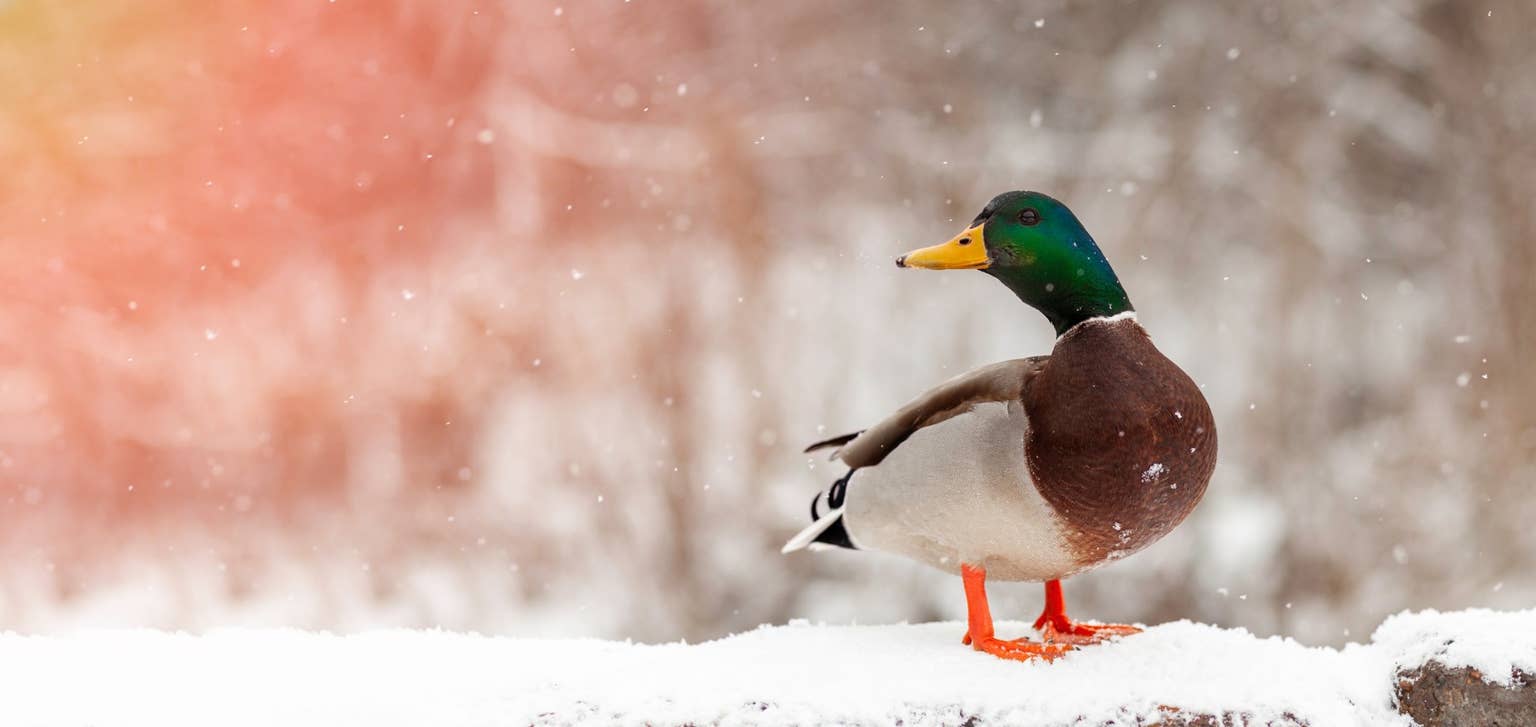
Ducks have special features that help them survive cold weather. Their bodies and behaviors work together to keep them warm. These adaptations allow ducks to live comfortably even in freezing temperatures.
Insulating Feathers
Ducks have thick layers of feathers that trap heat. The outer feathers are waterproof, keeping water away from their skin. Underneath, soft down feathers create a warm air pocket. This insulation stops heat from escaping. Ducks also spread oil from a gland near their tails. This oil makes feathers shiny and water-resistant.
Unique Circulatory System
Ducks use a special blood flow system in their legs. Warm blood flows down the legs and passes cold blood going back to the body. This heat exchange warms the cold blood. It helps keep their feet from freezing without losing body heat. This system saves energy and prevents frostbite in icy water and snow.
Behavioral Strategies
- Ducks tuck their bills under their wings to warm their faces.
- They huddle together in groups to share body heat.
- Ducks often rest on one leg to reduce heat loss.
- They seek shelter in reeds or thick vegetation during storms.
Dietary Needs In Winter
Ducks need special care in winter to stay healthy and warm. Their bodies use more energy to keep warm in cold weather. This means their food must supply more calories and important nutrients. Feeding ducks properly helps them survive harsh winter days.
Increased Caloric Intake
Cold weather makes ducks burn more energy. They need extra calories to keep their body heat. Without enough calories, ducks can become weak and cold. Providing high-energy foods helps ducks stay active and warm.
- Grains like corn and wheat are good calorie sources.
- High-fat seeds such as sunflower seeds provide extra energy.
- Avoid foods low in calories like plain bread.
Essential Nutrients
Ducks require vitamins and minerals to stay strong in winter. Nutrients support their immune system and feather health. Good nutrition helps them fight cold and illness.
- Protein from insects, fish, or pellets helps muscle maintenance.
- Vitamin A supports eye and skin health.
- Calcium strengthens bones and eggshells.
Shelter And Habitat Requirements
Ducks need proper shelter and habitat to stay warm and safe during cold weather. Without the right environment, they can struggle to maintain body heat and stay healthy. Understanding their natural and human-made shelter needs can help you support ducks through harsh winters.
Natural Habitats
Ducks find natural shelters in dense reeds, tall grasses, and shrubbery near water. These areas act as windbreaks and trap heat, offering protection from biting winds and freezing temperatures.
Wetlands with slow-moving water prevent ice from forming solid layers, giving ducks access to open water even in winter. Have you noticed how ducks huddle together in these spots? It’s a smart way to share warmth and stay safe.
Look for places where ducks can tuck themselves away from predators and harsh weather, such as under fallen logs or thick vegetation. These natural shelters are crucial for their survival during cold snaps.
Human-made Shelters
If you care for ducks, providing a simple shelter can make a big difference. A sturdy, insulated duck house with good ventilation keeps the air fresh while blocking drafts.
- Use straw or wood shavings as bedding to add warmth and absorb moisture.
- Ensure the shelter has a raised floor to avoid dampness.
- Place the shelter in a spot protected from prevailing winds.
Adding a heat source isn’t always necessary if the shelter is well-built. However, during extreme cold, a safe heat lamp or heated water bowl can prevent freezing and keep ducks comfortable.
Have you ever tried building a shelter for your ducks? The right setup not only protects them but also gives you peace of mind during winter’s worst days.
Credit: pethelpful.com
Health Risks In Cold Weather
Cold weather can pose serious health risks to ducks that you need to watch out for. Even though ducks are hardy birds, extreme cold can affect their well-being in ways you might not expect. Understanding these risks helps you protect your ducks and keep them safe during winter months.
Frostbite Concerns
Frostbite happens when a duck’s skin and tissues freeze due to prolonged exposure to cold. Their feet, legs, and sometimes the tips of their beaks are most vulnerable because these parts have less feather protection.
Signs of frostbite include swelling, discoloration (often pale or darkened skin), and scabs. If you notice these, it’s crucial to act quickly by moving your duck to a warmer area and gently warming the affected parts.
Have you checked your duck’s feet after a chilly night? Simple daily checks can prevent frostbite from worsening.
Hypothermia Symptoms
Hypothermia occurs when a duck’s body temperature drops dangerously low. Unlike frostbite, it affects their whole body and can be life-threatening if not addressed immediately.
Look for signs like lethargy, shivering, slow movements, and a weak or irregular heartbeat. Ducks might also tuck their heads under their wings and refuse to eat or drink.
If your duck shows these symptoms, warm them gradually using towels or a heat lamp. Avoid sudden heat changes, which can cause shock.
Tips For Helping Ducks In Winter
Winter can be tough for ducks. Cold weather makes it hard for them to find food and stay warm. People can help ducks survive by offering food and a safe place. Small acts can make a big difference during the cold months. Here are some tips to support ducks in winter.
Feeding Guidelines
Offer food that is healthy and easy for ducks to eat. Avoid bread, as it has little nutrition and can harm ducks.
- Provide cracked corn, oats, or birdseed.
- Give chopped vegetables like peas or lettuce.
- Feed small amounts often to prevent waste.
- Use shallow dishes to keep food dry and accessible.
Feeding ducks helps them keep energy to stay warm.
Creating A Safe Environment
Ducks need shelter from wind and predators. You can create a safe space near water or in your yard.
- Place straw or dry leaves for insulation.
- Ensure water sources do not freeze completely.
- Keep areas clean to avoid disease.
- Limit pet access to avoid stress for ducks.
Safe environments help ducks rest and protect themselves in winter.

Credit: www.dustyandotterduck.com

Credit: www.tyrantfarms.com
Frequently Asked Questions
Can Ducks Survive Freezing Temperatures Outdoors?
Yes, ducks can survive freezing temperatures due to their insulating feathers and body fat. They are naturally adapted to cold climates and can stay warm if they have shelter and access to unfrozen water.
How Do Ducks Stay Warm In Winter?
Ducks stay warm by fluffing their feathers to trap heat and using their down feathers as insulation. They also huddle together and remain active to generate body heat during cold weather.
Do Ducks Need Extra Food In Cold Weather?
Yes, ducks require extra food in cold weather to maintain energy and body heat. Providing high-energy feed helps them stay healthy and strong during harsh winter conditions.
Can Ducks Swim In Icy Water Safely?
Ducks can swim in icy water as their feathers repel water and keep them dry. Their bodies are adapted to cold water, but they still need access to open water to avoid stress.
Conclusion
Ducks are tough birds that handle cold weather well. Their feathers keep them warm and dry. They also find shelter to stay safe from wind and snow. Ducks eat more in winter to keep their energy high. Watching them in cold weather shows their strong survival skills.
So, yes, ducks can live through cold times. They adapt and stay active, even when it’s freezing. Nature made them ready for chilly days. Ducks prove that cold weather is not a big problem for them.


