Are you wondering if your Boston fern can brave the cold weather outside? These lush, green plants are a favorite for adding life to any space, but when winter comes, you might worry about their survival.
Understanding how cold affects Boston ferns is key to keeping them healthy and vibrant year-round. You’ll discover simple tips and essential facts that will help you protect your fern through chilly days. Keep reading to make sure your plant thrives, no matter the weather.
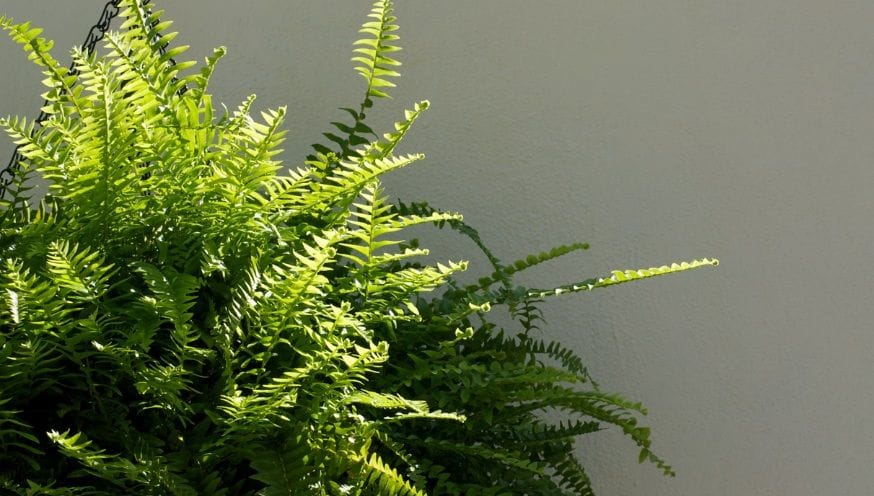
Credit: plnts.com
Boston Ferns And Cold Weather Tolerance
Boston ferns are popular houseplants known for their lush, feathery fronds. But can they handle the chill of cold weather? Understanding their tolerance to low temperatures helps you protect your fern and keep it thriving year-round.
Temperature Thresholds For Boston Ferns
Boston ferns prefer temperatures between 60°F and 75°F (15°C to 24°C). They can tolerate brief dips to around 50°F (10°C), but anything below 40°F (4°C) risks damage. Frost or freezing temperatures will likely kill the plant or cause severe leaf browning.
Have you ever noticed your fern’s leaves turning brown after a cold snap? That’s a clear sign the temperature dropped too low. Keeping your fern indoors or in a sheltered spot during colder months is crucial for survival.
- Yellowing or browning fronds
- Wilting or drooping leaves
- Slow growth or leaf drop
If your fern shows these symptoms, it’s likely struggling with cold stress. Acting quickly by moving it to a warmer environment can help it recover.
Protecting Boston Ferns From Cold Weather
To help your fern survive cold spells, consider these tips:
- Bring the plant indoors before temperatures drop below 50°F (10°C).
- Place it near a window with indirect sunlight to maintain warmth.
- Use a humidity tray or mist the leaves to prevent dryness from heated indoor air.
- Avoid placing the fern near cold drafts or heating vents.
Have you tried these methods? Your fern will thank you with vibrant, healthy fronds.
Ideal Temperature Range
Boston ferns thrive best within a specific temperature range. This range helps the plant maintain healthy growth and vibrant green leaves. Temperatures outside this range can stress the plant and cause damage.
The ideal temperature range for Boston ferns is mild and stable. They prefer warmth during the day and cooler nights, mimicking their natural environment.
Daytime Temperature
Boston ferns grow well in temperatures between 65°F and 75°F (18°C to 24°C) during the day. This warmth supports healthy photosynthesis and leaf development.
Nighttime Temperature
At night, Boston ferns prefer cooler temperatures around 55°F to 65°F (13°C to 18°C). Cooler nights help the plant rest and prepare for the next day.
Temperature Tolerance Limits
Boston ferns cannot survive freezing temperatures below 32°F (0°C). Prolonged exposure to cold can damage their fronds and roots.
Temperatures above 85°F (29°C) may cause leaf browning and stress. Avoid placing ferns in hot, dry environments.
Maintaining Ideal Temperature Indoors
- Keep Boston ferns away from drafts and heating vents.
- Use humidifiers to maintain moisture in dry air.
- Place ferns near windows with filtered sunlight to avoid overheating.
Signs Of Cold Stress In Boston Ferns
Boston ferns are known for their lush, vibrant fronds, but cold weather can quickly take a toll on their health. Recognizing the early signs of cold stress is essential to save your fern from lasting damage. If you notice changes in your plant’s appearance or texture, it’s a clear signal that your fern is struggling with the cold.
Wilting And Drooping Fronds
One of the first signs you’ll see is wilting or drooping fronds. Boston ferns thrive in consistent moisture and warmth, so cold temperatures cause their leaves to lose turgidity. If your fern suddenly looks limp or less full, check the temperature around it—cold stress might be the cause.
Yellowing And Browning Leaves
Leaves turning yellow or brown is a classic indicator of cold damage. Cold air disrupts the fern’s ability to absorb water, leading to discoloration. If you spot crisp, brown edges or yellow patches on the fronds, your fern is trying to tell you it’s too cold for its liking.
Leaf Drop And Bare Stems
Have you noticed your fern dropping leaves more than usual? Cold stress often results in leaf drop as the plant tries to conserve energy. When the temperature dips, Boston ferns may shed fronds, leaving bare stems behind—a clear cry for warmer conditions.
Slow Or Stunted Growth
Cold temperatures slow down your fern’s growth significantly. If your Boston fern isn’t producing new fronds or seems smaller than usual, consider if the environment is too chilly. Growth stalls because the plant focuses on survival rather than development.
Soft Or Mushy Fronds
Soft, mushy fronds might seem unusual, but they’re a sign of cold-induced damage. Freezing or near-freezing temperatures can cause the cells to rupture, leading to this texture change. If you touch the leaves and they feel soggy, it’s a warning to move your fern to a warmer spot immediately.
Protecting Ferns During Cold Spells
Boston ferns are sensitive to cold weather and need extra care during cold spells. Protecting these plants helps keep them healthy and green. Cold temperatures can harm the leaves and roots, causing damage or death. Taking proper steps ensures your fern survives until warmer days return.
Indoor Relocation
Moving Boston ferns indoors shields them from frost and freezing temperatures. Place them in a bright room away from cold drafts. Avoid areas near heaters or vents to keep humidity steady. Indoor relocation creates a stable environment for the fern’s growth during cold months.
Using Protective Covers
Covering ferns outdoors blocks cold air and frost from reaching the leaves. Use breathable materials like frost cloths or old sheets. Avoid plastic, which traps moisture and causes mold. Secure covers loosely to allow air flow and prevent damage from wind.
Winter Care Tips
Boston ferns need special care during winter months to stay healthy. Cold weather can stress these plants, so proper attention helps them survive and thrive. Adjusting watering and maintaining humidity are key factors for winter care. These tips support your fern through chilly days and dry indoor air.
Watering Adjustments
Reduce watering in winter to prevent root rot. The soil stays moist longer because of cooler temperatures. Check the top inch of soil before watering. Water only if it feels dry. Avoid letting the plant sit in water. Use room temperature water to avoid shock. Drain excess water from the pot after watering.
Humidity Maintenance
Boston ferns love humidity, which drops indoors during winter. Increase moisture around the plant to keep leaves healthy. Use a humidity tray filled with water and pebbles under the pot. Mist the leaves regularly with water. Group plants together to create a humid microenvironment. A humidifier in the room also helps maintain proper moisture levels.
Choosing The Right Location
Choosing the right location is vital for Boston ferns to survive cold weather. These plants need a spot that protects them from harsh conditions while still giving them what they need to thrive. Picking the correct place inside your home or garden helps keep the fern healthy and vibrant during chilly months.
Avoiding Drafts
Boston ferns do not like cold drafts. Places near doors, windows, or vents with cold air can harm the plant. Sudden temperature changes cause stress and leaf damage. Choose a location away from drafty spots. Even small cold gusts can dry out the leaves quickly.
Optimal Light Conditions
These ferns prefer bright, indirect light. Direct sunlight can burn their delicate fronds. Too little light slows growth and weakens the plant. A north or east-facing window works well. Filtered light through curtains or blinds is ideal. Keep the fern where it gets steady but gentle light daily.
Fertilization During Cold Months
Fertilizing your Boston fern during the cold months requires a different approach than in the growing season. The plant’s metabolism slows down in lower temperatures, so it needs fewer nutrients. Over-fertilizing can harm your fern, causing root burn or unwanted stress.
Adjusting Fertilizer Frequency
During winter, reduce how often you feed your Boston fern. Instead of weekly or biweekly feeding, switch to once a month or even less. This allows the plant to rest and conserve energy while still receiving some nutrients.
Choosing The Right Fertilizer
Use a balanced, water-soluble fertilizer with lower nitrogen content. A formula like 10-10-10 or 20-20-20 diluted to half strength works well. This prevents excess growth that the plant can’t support in cold weather.
Monitoring Soil Moisture And Nutrient Absorption
Cold soil slows nutrient uptake, so check your fern’s soil moisture regularly. Avoid letting the soil dry out completely, but don’t keep it soggy either. Proper moisture helps your plant absorb the limited nutrients you provide effectively.
Signs Your Boston Fern Needs Fertilizer
- Yellowing or pale fronds
- Slow or no new growth
- Wilting despite regular watering
If you notice these signs, a light feeding might be necessary, even in winter. But always err on the side of caution—too much fertilizer can do more harm than good.

Credit: www.epicgardening.com
Reviving Cold-damaged Ferns
Cold weather can leave your Boston fern looking sad and damaged. But all is not lost. With the right care, you can help your fern bounce back and thrive again.
Pruning Techniques
Start by cutting away all the brown and crispy fronds. This prevents further stress and allows the plant to focus energy on new growth. Use clean, sharp scissors to make precise cuts just above a healthy leaf node.
Don’t remove green fronds even if they look weak—they might recover with time. Pruning also helps improve air circulation, reducing the risk of fungal infections on your recovering fern. Think of pruning as giving your plant a fresh start, not just trimming dead parts.
Gradual Temperature Acclimation
Sudden temperature changes can shock your fern further. Bring your plant indoors or into a warmer spot gradually over several days. This slow adjustment helps the fern adapt without stress.
Try moving your fern to a sheltered area first, then closer to your home. Monitor the temperature and avoid placing it near heaters or cold drafts. Have you noticed your fern reacting differently to temperature changes? That’s a sign to slow down the transition even more.

Credit: www.epicgardening.com
Frequently Asked Questions
Can Boston Ferns Tolerate Frost Or Freezing Temperatures?
Boston ferns cannot tolerate frost or freezing temperatures. Exposure to cold below 32°F (0°C) damages their fronds and roots, causing death. Protect them by bringing indoors or covering before frost occurs.
How To Protect Boston Ferns During Cold Weather?
To protect Boston ferns in cold weather, move them indoors or to a warmer spot. Use frost cloths or blankets if left outside. Ensure they receive indirect light and avoid overwatering to prevent root rot.
What Is The Ideal Temperature For Boston Fern Survival?
Boston ferns thrive best between 60°F and 75°F (15°C to 24°C). Temperatures below 50°F (10°C) can stress the plant. Maintaining warmth helps preserve their vibrant green fronds and overall health.
Can Boston Ferns Survive Outdoors In Winter?
Boston ferns generally do not survive outdoors in winter in cold climates. They are tropical plants sensitive to cold. In mild climates, they might survive if temperatures stay above 50°F (10°C).
Conclusion
Boston ferns do not handle cold weather well. They need warmth and humidity to thrive. Protect them by bringing them indoors during frost. Use bright, indirect light to keep leaves healthy. Avoid letting soil dry out completely. With care, your fern can survive winter months.
Keep an eye on temperature drops to prevent damage. Growing Boston ferns in cold areas requires extra attention. They reward you with lush, green fronds when cared for properly. Small steps make a big difference for these plants.


