Imagine being lost in the wilderness, far from help, with only your survival kit by your side. What if you could call for help without shouting or using your phone?
That’s where a simple whistle becomes a powerful lifesaver. You might overlook it, but your whistle could be the key to attracting attention and staying safe. Keep reading to discover why your survival kit isn’t complete without this tiny, yet vital tool.

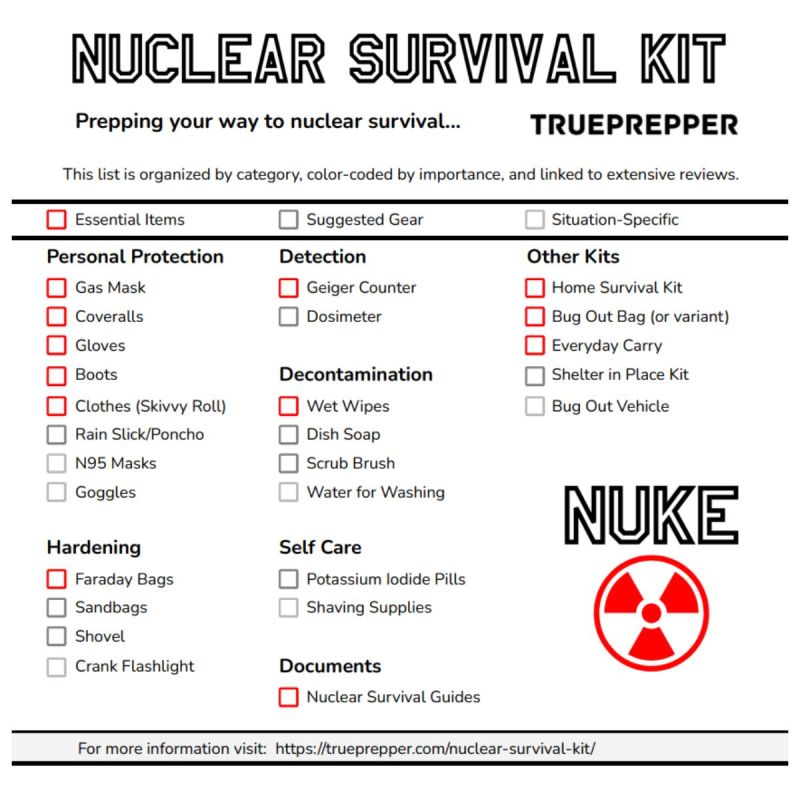
Credit: trueprepper.com
Role Of Whistle In Emergencies
The whistle plays a crucial role during emergencies, acting as a simple yet powerful tool to improve your chances of being found and rescued. In stressful situations, your voice may fail you, or you might be too exhausted to call out. A whistle cuts through the noise and carries over long distances, making it an essential item in any survival kit.
Attracting Attention
When you find yourself lost or in danger, attracting attention quickly can be a matter of life and death. A whistle’s sharp, loud sound can pierce through dense forests, heavy rain, or strong winds better than shouting. Have you ever noticed how far a whistle’s sound travels compared to a human voice?
This ability to grab attention without straining your voice helps conserve energy and keeps you calm. It also alerts others nearby without revealing your exact location, which can be important in certain situations.
Signaling For Help
Whistles provide a universal way to signal for help that most people recognize. You can use simple patterns—like three short blasts—to communicate distress. This pattern is widely taught in survival training and increases the chance that rescuers will understand your call.
Using a whistle to signal also reduces misunderstandings compared to verbal calls, especially if you’re communicating with strangers or rescuers who don’t speak your language. Have you practiced whistle signals, or do you rely solely on shouting when in trouble?
Navigating Rescue Operations
During rescue operations, a whistle helps coordinate your location with search teams. If you hear searchers nearby, responding with whistle blasts can guide them directly to you. This interaction can speed up rescue and avoid unnecessary search delays.
In tricky terrains like mountains or dense woods, this simple tool can save precious time and effort. Keep your whistle accessible and practice using it effectively—you never know when it might become your most important survival skill.
Advantages Over Other Signaling Devices
Choosing the right signaling device in your survival kit can make a significant difference in an emergency. A whistle stands out because of several key advantages over other devices like flashlights, mirrors, or electronic alarms. Understanding these benefits helps you decide what to carry when every second counts.
Loudness And Range
A whistle produces a sharp, piercing sound that travels much farther than most other signaling devices. Unlike shouting, which tires your voice quickly, a whistle can send a clear distress signal over long distances without extra effort.
Think about a dense forest or a windy mountain where your voice might get lost. A whistle’s sound can cut through background noise and reach rescuers who are far away, increasing your chances of being found.
Ease Of Use
Using a whistle is straightforward—just blow into it. You don’t need to learn complicated signals or handle buttons that might fail under stress.
In tough situations, simplicity matters. When I was hiking alone and got off the trail, a quick whistle blast caught the attention of a nearby group, proving how effective and easy it is to use.
No Power Requirement
Unlike electronic devices that rely on batteries, a whistle works without any power source. This means it’s always ready to use, no matter how long you’ve been out or if your batteries die.
Can you rely on your phone or flashlight when the battery dies? A whistle removes that worry, making it a dependable tool in all conditions.
Types Of Survival Whistles
Survival whistles come in different types, each designed to fit specific needs and situations. Choosing the right whistle can make a difference when you need to signal for help or alert others. Understanding these types helps you pick the best one for your survival kit.
Pea Whistles
Pea whistles have a small ball inside that creates a trilling sound when blown. This sound carries well over long distances, which is why they are popular for outdoor activities like hiking and camping. However, they can freeze or jam in cold weather, so consider your environment before relying solely on this type.
Pealess Whistles
Pealess whistles produce sound without any moving parts, making them more reliable in extreme conditions. They are waterproof and won’t freeze, which is why many survival experts prefer them. If you want a whistle that works in all weather, a pealess one is a smart choice.
Multi-function Whistles
Some whistles come with added features like compasses, thermometers, or built-in fire starters. These multi-function whistles save space and add value to your survival kit. Ask yourself if having multiple tools combined in one could simplify your gear without compromising on signal power.

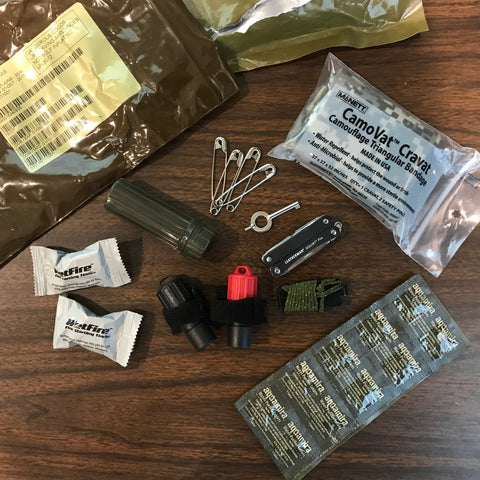
Credit: trueprepper.com
Incorporating Whistle In Survival Kits
Including a whistle in a survival kit boosts your chances of getting help. A whistle can send loud, clear signals over long distances. It requires no batteries or fuel. This makes it a simple yet vital tool for emergencies.
Choosing the right whistle means considering size, weight, and ease of use. It should fit comfortably in your kit without adding bulk. Accessibility is also key for quick use during stress. Durability ensures it works in tough conditions without failing.
Compact And Lightweight Options
Small whistles save space in your survival kit. Lightweight designs prevent unnecessary carrying weight. Many models weigh less than an ounce. They fit easily in pockets or on keychains. Compact whistles do not sacrifice loudness or sound quality.
Attachment And Accessibility
A whistle should attach securely to gear or clothing. Look for models with built-in clips or lanyard holes. This keeps the whistle within reach at all times. Quick access is crucial in emergencies. Avoid whistles that might get lost inside your pack.
Durability Considerations
Choose whistles made from strong materials like metal or tough plastic. They must resist impact and harsh weather. Water-resistant or waterproof whistles work well outdoors. Check for corrosion resistance if you plan to use near water. A durable whistle stays reliable when you need it most.
Practical Tips For Using A Whistle
Knowing how to use a whistle effectively can make a huge difference in an emergency. It’s not just about blowing loudly; it’s about communicating clearly and efficiently. Understanding practical tips will help you get the most from this simple but powerful tool.
Effective Signaling Patterns
Using clear, distinct patterns helps others recognize your call for help quickly. Three short blasts is the universal distress signal—easy to remember and hard to miss. Try alternating long and short blasts to grab attention if you don’t get an immediate response.
Think about your environment too. In dense forests or noisy areas, repeating signals with pauses in between increases the chance someone will hear you. How would you change your pattern if you were near a busy road versus deep in the wilderness?
Conserving Energy
Blowing a whistle uses less energy than shouting, but it’s still important to manage your breath. Short bursts with breaks help you avoid exhaustion and keep your signals consistent. Instead of blowing continuously, pause to listen for responses or changes in your surroundings.
If you’re stuck for a long time, pacing your signals preserves your strength and keeps your call steady. Have you thought about how you’d balance signaling and resting if help takes hours to arrive?
Training And Practice
Practice your whistle signals before you need them. This builds muscle memory so you can blow clearly under stress. Try different patterns and distances to understand how sound travels in various conditions.
Test your whistle in your local area to find the best signaling spots and volumes. The more familiar you are with your whistle, the more confident you’ll be when seconds count. What’s your plan for making sure your whistle skills stay sharp?

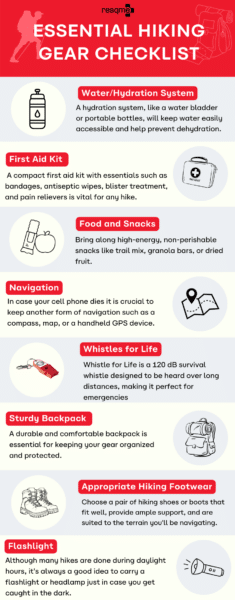
Credit: www.thermapparel.com
Real-life Stories Of Whistle Use
Whistles have saved many lives during emergencies. Their simple sound can travel far and cut through natural noise. Many survivors credit whistles for alerting rescuers quickly. These real stories show why whistles are crucial in survival kits.
Rescues Enabled By Whistles
In dense forests, lost hikers used whistles to signal their location. The sharp sound helped search teams find them faster. One case involved a group trapped by a storm. Blowing whistles at regular intervals guided rescuers through heavy rain and wind.
A mountain climber fell and could not shout for help. The whistle’s clear, loud tone attracted attention from a nearby camp. This led to a timely rescue before conditions worsened.
Boaters caught in sudden fog used whistles to avoid collisions and signal distress. The distinct noise cut through the silence and alerted nearby vessels. Whistles acted as a lifeline in many sea emergencies.
Lessons Learned From Survivors
- Whistles work better than shouting in noisy environments.
- Keep the whistle accessible for quick use.
- Blow in patterns: three short blasts signal distress.
- Practice using the whistle before an emergency occurs.
- Pair the whistle with other survival tools for best results.
Survivors stress the importance of choosing a loud, durable whistle. Small and lightweight whistles are easy to carry. The sound can carry over long distances, even when voice fails.
Frequently Asked Questions
Why Is A Whistle Essential In A Survival Kit?
A whistle helps signal for help over long distances. It’s louder than shouting and uses less energy. Rescuers can hear it clearly, even in dense forests or bad weather. This makes it vital for emergencies and quick rescue.
How Does A Whistle Improve Outdoor Safety?
A whistle alerts others if you’re lost or injured. It can scare away wild animals and attract attention. Using a whistle is easier than yelling, especially in harsh conditions. It boosts your chances of being found and staying safe.
Can A Whistle Replace Other Signaling Devices?
While not a full replacement, a whistle complements other tools like mirrors or flashlights. It works well in noisy or dark environments where visual signals fail. A whistle is lightweight and always ready, making it a practical survival aid.
How Loud Should A Survival Whistle Be?
A survival whistle should produce at least 100 decibels. This volume ensures the sound carries across long distances. Loud whistles penetrate environmental noise effectively, increasing your chance of being heard by rescuers.
Conclusion
A whistle is a small tool with big benefits. It helps you call for help loud and clear. You don’t need to shout or use energy. Its sound can travel far in the wild or city. Carrying a whistle in your survival kit adds safety.
It is light, easy to use, and reliable. Always keep one with your gear. It could save your life in an emergency. Simple, effective, and smart—never forget your whistle.