Have you ever wondered how much a family size survival kit costs? When it comes to protecting your loved ones during emergencies, knowing the price can help you prepare better.
You want to make sure you get everything your family needs without overspending. You’ll discover what affects the cost of these kits and how to choose the right one for your family. Keep reading to find out how to get the best value and peace of mind for your family’s safety.
Family Survival Kit Basics
Understanding the basics of a family size survival kit is essential before you decide how much to invest. A well-prepared kit not only saves lives but also offers peace of mind in uncertain situations. Knowing what your family truly needs helps you avoid overspending or missing critical items.
What A Family Kit Includes
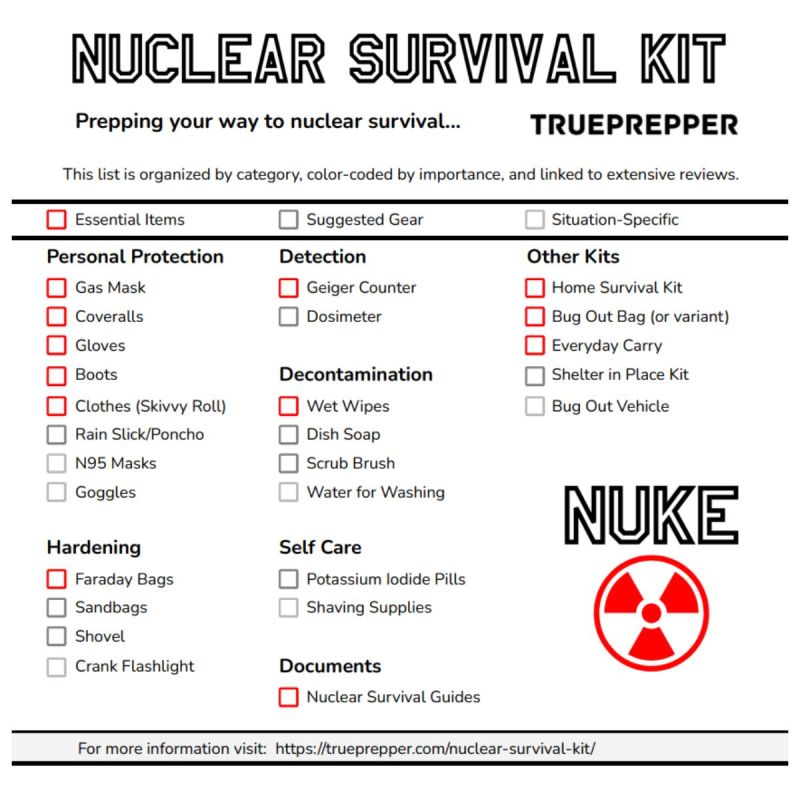
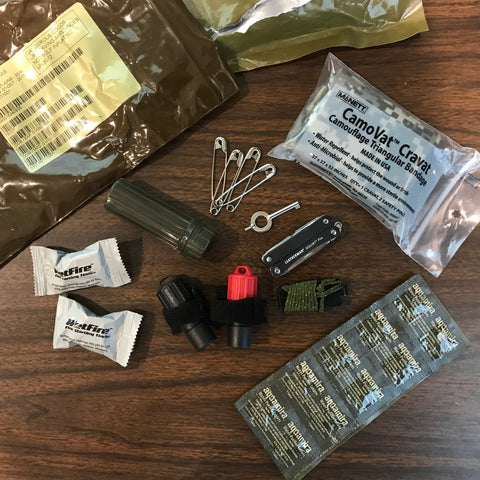
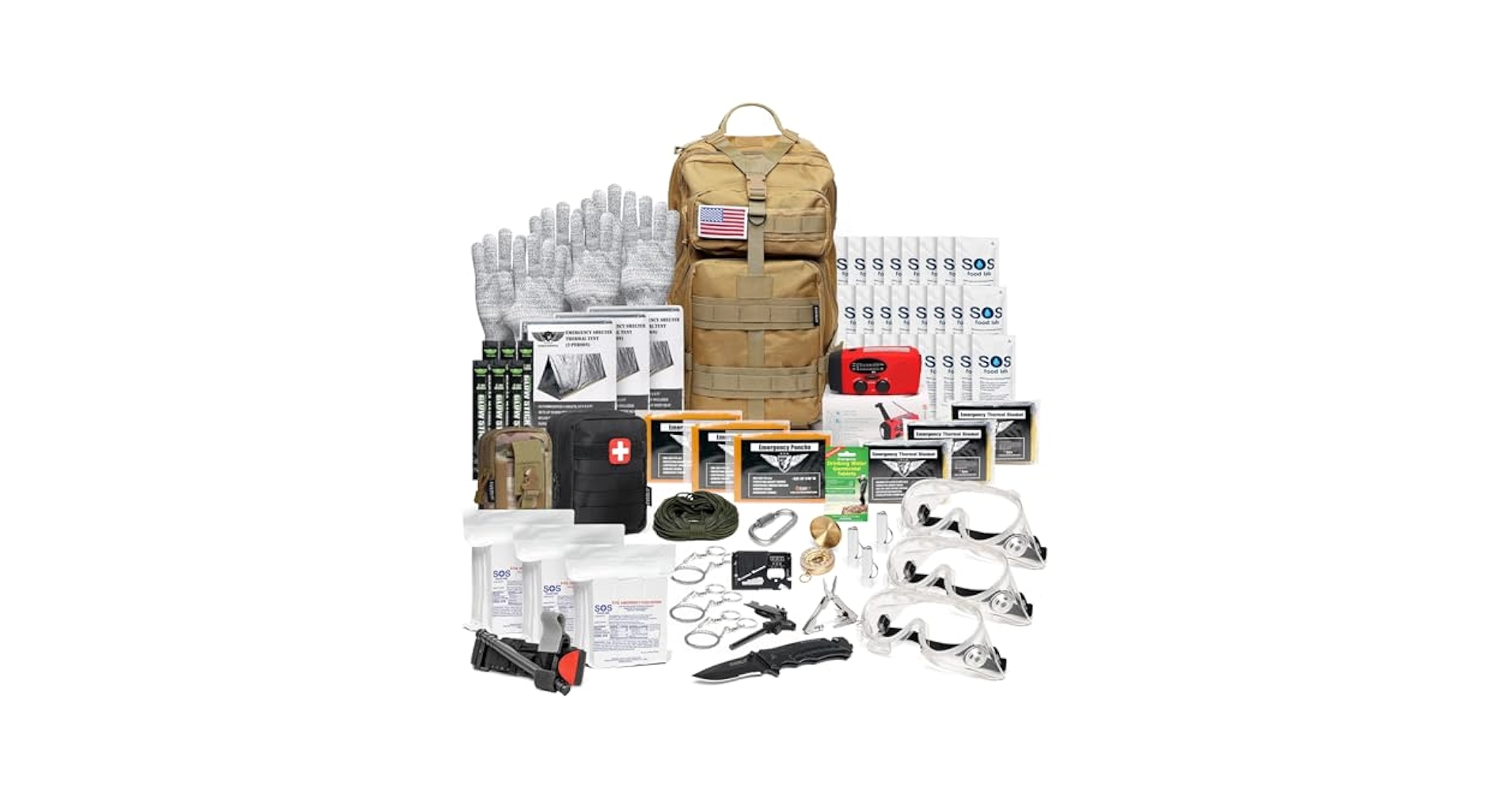
A typical family survival kit covers essentials for food, water, shelter, and first aid. You’ll find:
- Water purification supplies:tablets or filters to ensure safe drinking water.
- Non-perishable food items:energy bars, canned goods, and freeze-dried meals.
- First aid kit:bandages, antiseptics, and basic medications for common injuries.
- Emergency tools:flashlight, multi-tool, and whistle for signaling.
- Shelter materials:tarp, emergency blankets, and ponchos to protect from elements.
- Personal hygiene items:wet wipes, hand sanitizer, and toothbrushes.
Some kits also add items like a compact stove, extra batteries, or even communication devices. The goal is to cover your family’s immediate survival needs for at least 72 hours.
Why Size Matters
Choosing the right size for your family kit can be tricky. Too small, and you risk running out of supplies during an emergency. Too large, and you might struggle to carry or store it when time is critical.
Think about your family’s size, ages, and any special needs. For example, infants require formula and diapers, while elderly family members might need extra medications. A kit for a family of four will cost more but offers tailored supplies that fit your unique situation.
Have you considered how easy it will be to grab your kit and go? Portability matters as much as contents. Your survival kit should be compact enough to carry but complete enough to support everyone.
Cost Factors To Consider
Understanding the cost of a family size survival kit involves several key factors. Prices vary widely based on what the kit contains and who makes it. Knowing these elements helps you find the right balance of price and value.
Quality Of Supplies
The quality of items affects the overall cost significantly. Higher quality gear lasts longer and performs better in emergencies. Basic kits with cheaper materials cost less but may fail when needed most. Durable food, reliable tools, and sturdy packaging add to the price but improve safety.
Brand And Manufacturer
Trusted brands usually charge more due to better testing and warranties. Some manufacturers specialize in survival gear and offer higher standards. Lesser-known brands might offer lower prices but with uncertain quality. Brand reputation often reflects the reliability of the kit.
Customization Options
Custom kits allow adding or removing items to fit your family’s needs. This flexibility can increase or decrease the price depending on the chosen supplies. Pre-made kits are often cheaper but less tailored. Customizing ensures you pay only for what you need.
Price Ranges For Kits
Family size survival kits vary widely in price. The cost depends on the contents, brand, and quality. Prices can fit different budgets, from basic to advanced kits. Knowing price ranges helps choose the right kit for your needs.
Budget-friendly Kits
These kits usually cost between $50 and $100. They cover essential items like water, food, and basic tools. Good for short-term emergencies or small families. Quality and quantity might be limited. Great for those new to survival preparedness.
Mid-range Options
Mid-range kits often cost from $100 to $250. They include more food, water, and advanced tools. Some kits add first aid supplies and shelter materials. Suitable for families wanting better coverage and longer preparedness. Balance of price and quality makes them popular choices.
Premium Survival Kits
Premium kits start around $250 and can go over $500. They offer high-quality gear, long-lasting food, and extensive supplies. Items may include water filtration, medical kits, and multi-use tools. Designed for serious preparedness and larger families. These kits provide peace of mind for extended emergencies.
Diy Vs. Pre-made Kits
Choosing between a DIY family size survival kit and a pre-made kit is a key decision. Both options prepare your family for emergencies. Each has its own costs, benefits, and drawbacks. Understanding these differences helps you make the best choice for your needs and budget.
Cost Comparison
DIY kits often start cheaper but can add up over time. Buying supplies in bulk saves money. You can select items based on your family’s needs. Pre-made kits have a fixed price. They usually include everything in one package. Prices vary by brand and kit size. Some kits may cost more but save time and effort.
Advantages And Disadvantages
- DIY Kits:Customizable to fit your family’s needs. You control the quality and quantity of items. Requires time to research and gather supplies. Risk of missing important items if not careful.
- Pre-Made Kits:Ready to use right away. Designed by experts to cover basics. May contain items you do not need. Less flexible but convenient for quick purchase.
Where To Buy
Finding the right place to buy a family size survival kit can make a big difference in what you get and how much you pay. You want to make sure the kit covers all essentials and fits your family’s needs perfectly. Where you shop affects variety, price, and even the quality of the items included.
Online Retailers
Online stores offer a huge selection of family survival kits, from basic to deluxe versions. Websites like Amazon, Walmart, and specialized survival gear shops let you compare prices and read reviews instantly. You can also find kits with specific focuses, such as food storage, first aid, or multi-purpose gear.
Shopping online is convenient and often cheaper, but be careful about shipping times and hidden costs. Have you checked if the kit’s expiration dates on food and supplies meet your expectations before buying?
Specialty Stores
Specialty outdoor and camping stores often carry high-quality survival kits designed for families. These kits tend to focus more on durability and practical use in outdoor scenarios. Staff at these stores usually have expert knowledge and can help you select a kit that fits your family’s lifestyle and emergency plans.
Visiting a specialty store gives you a chance to see and touch the products, which helps you understand what you’re paying for. Would you prefer a kit tested by professionals rather than a mass-produced one?
Local Emergency Supply Shops
Local emergency supply shops are a great resource for buying family size survival kits tailored to your region’s specific risks. These shops often stock kits that include items relevant to local weather, natural disasters, or common emergencies. Plus, you support local businesses and get personalized advice.
Talking directly to the shop owner or staff can reveal insights about kit maintenance and replacements. Have you considered how your local environment might change the type of survival kit your family needs?

Credit: www.amazon.com
Tips To Save Money
Saving money on a family size survival kit doesn’t mean cutting corners on safety. It means making smart choices that stretch your budget without sacrificing quality. You can build a reliable kit by focusing on cost-effective strategies that fit your family’s needs.
Buying In Bulk
Purchasing items in bulk can significantly lower the cost per unit. Think about essentials like canned food, water bottles, and first aid supplies. Buying larger quantities often comes with discounts, and you avoid frequent trips to the store.
Have you noticed how warehouse clubs offer better prices on survival gear? Even online retailers provide bulk deals. Just be sure your storage space can handle the extra stock without risking spoilage or damage.
Seasonal Sales And Discounts
Keep an eye on holiday sales and clearance events for survival items. Stores often mark down products like flashlights, batteries, and emergency blankets after peak seasons. Timing your purchases can lead to substantial savings.
Sign up for newsletters from outdoor or emergency supply retailers. They sometimes send exclusive discount codes or early access to sales. How could waiting for the right sale change the way you plan your kit purchases?
Prioritizing Essential Items
Focus on what your family truly needs in an emergency instead of buying every survival gadget on the market. Prioritize food, water, shelter, and basic medical supplies. This approach prevents overspending on non-essentials.
Make a list and rank items by importance. For example, a good quality water filter beats multiple types of snack bars. What essentials can you not live without for your family’s safety?
Maintaining And Updating Kits
Keeping your family size survival kit ready means more than just buying items and storing them away. You need to maintain and update the kit regularly to ensure everything is usable when you need it most. Neglecting this can turn your carefully prepared kit into a box of expired or broken supplies.
Shelf Life Considerations
Every item in your survival kit has an expiration date or a recommended shelf life. Food, batteries, and medications can lose effectiveness over time. Pay close attention to these dates and plan to replace items before they go bad.
For instance, canned goods often last 1-5 years, but once opened, they must be used immediately. Batteries can leak or lose charge after a couple of years. Keep a list of expiration dates and set reminders to check them periodically.
Ask yourself: Are you aware of the shelf life of each item in your kit? Have you planned how to rotate supplies to avoid waste?
Regular Inventory Checks
Checking your kit regularly helps you know exactly what you have and what you need to add. Schedule a specific time every six months or after each season change to review your inventory.
- Inspect food packaging for damage or swelling.
- Test batteries with a multimeter or replace them if unsure.
- Check first aid supplies for expired medications or used items.
- Replace worn or missing tools and equipment.
During one of my checks, I found my water purification tablets had expired by six months. It was a simple fix, but it reminded me how easy it is to overlook critical items. How often do you audit your kit to catch these issues before they become a problem?

Credit: unchartedsupplyco.com

Credit: www.littlelife.com
Frequently Asked Questions
What Factors Influence The Price Of A Family Survival Kit?
The price depends on kit size, contents, brand, and quality. More supplies and premium materials increase cost. Emergency food, water, tools, and first aid items add value and price variations.
How Much Does A Basic Family Survival Kit Cost?
A basic family size survival kit typically costs between $100 and $300. Prices vary based on included supplies and brand reputation. Kits with essential emergency items fall within this range.
Are Larger Family Survival Kits More Expensive?
Yes, larger kits cost more due to additional supplies. They include more food, water, and tools to support more people. The price reflects the quantity and quality of included items.
Can You Build A Family Survival Kit For Less Money?
Yes, building your own kit can reduce costs. Buying supplies separately and customizing contents saves money. Focus on essentials like water, food, and first aid for budget-friendly options.
Conclusion
A family size survival kit costs vary based on contents and quality. Basic kits start affordable, while advanced ones cost more. Consider your family’s needs before choosing a kit. Investing in a good kit brings peace of mind. Ready kits save time but can be pricier.
Building your own kit may reduce costs. Always check expiration dates and replace used items. Stay prepared without overspending. Safety is worth the cost. A family survival kit helps protect your loved ones. Simple steps lead to better readiness.