Imagine facing an unexpected situation where help is far away, and your safety depends on what you have with you. Would you be ready?
Your survival kit could be the difference between staying calm and staying safe. You’ll discover the must-have items that should be in your survival kit right now. Knowing these essentials will give you confidence and peace of mind, no matter where life takes you.
Keep reading to make sure you’re truly prepared for anything.

Credit: www.servpro.com
Basic Survival Tools
Basic survival tools are the backbone of any effective survival kit. They equip you to handle unexpected situations with confidence. Without these essentials, your ability to stay safe and secure outdoors can quickly diminish.
Multi-tool Essentials
A good multi-tool combines several functions in one compact device. Look for models that include pliers, screwdrivers, scissors, and a can opener. These tools save space and weight in your kit while offering versatility in many scenarios.
Think about the last time you needed to fix a loose screw or cut a piece of rope quickly. Having a multi-tool at hand turns a frustrating moment into a manageable task. It’s a small investment that pays off in reliability and convenience.
Reliable Knives
A sharp, sturdy knife is indispensable. Choose a fixed blade knife with a comfortable grip and corrosion-resistant steel. This tool can help you prepare food, build shelter, and even defend yourself if needed.
Remember, a dull knife is more dangerous than a sharp one because it requires more force and can slip. Regularly maintain your knife to ensure it’s always ready. Your survival depends on its performance.
Fire Starting Gear
Fire is essential for warmth, cooking, and signaling. Include waterproof matches, a lighter, and a ferrocerium rod in your kit. These options cover different conditions, ensuring you can start a fire even in wet weather.
Have you ever tried to light a fire with damp matches? It’s frustrating and wastes precious time and energy. Having multiple fire-starting methods increases your chances of success when it matters most.
Shelter And Warmth
Shelter and warmth are the foundation of any survival kit. Without a reliable way to protect yourself from the elements and maintain body heat, your chances of staying safe drop dramatically. You need gear that is lightweight, easy to carry, and effective in diverse conditions.
Compact Tents And Tarps
Compact tents and tarps provide immediate protection against rain, wind, and cold. Choose tents that pack small but offer sturdy frames and good ventilation to avoid moisture buildup. Tarps are versatile—you can set them up as simple shelters or ground covers, adapting to your environment quickly.
Have you ever tried setting up a tarp in the dark? Practice makes perfect, and knowing how to use these tools under pressure can make a huge difference.
Sleeping Bags And Blankets
A high-quality sleeping bag or thermal blanket keeps you warm through chilly nights. Look for sleeping bags rated for temperatures lower than what you expect to face, so you’re always prepared. Compact, lightweight options with synthetic insulation dry faster and maintain warmth even if damp.
Don’t underestimate the power of layering blankets; combining a space blanket with a wool blanket can trap heat better than one bulky item. What’s your go-to way to stay warm while sleeping outdoors?
Heat Sources
Reliable heat sources are essential for survival, especially in cold climates. Small, portable stoves can boil water and cook food, boosting your energy and morale. Chemical heat packs offer instant warmth for hands and feet, and can be lifesavers during freezing conditions.
Have you ever counted on a campfire to survive a cold night? Remember, knowing how to build and maintain a fire safely is just as important as having the right materials.
Water And Food Supplies
Water and food supplies are essential for any survival kit. Staying hydrated and nourished keeps your energy up. It helps you think clearly and stay strong in tough situations.
Carrying enough water and food can be challenging. You need items that last long and are easy to carry. Also, having ways to purify water and cook food adds safety and comfort.
Water Purification Methods
- Boiling water kills most germs and bacteria.
- Water purification tablets are lightweight and effective.
- Portable water filters remove dirt and harmful microbes.
- UV light purifiers destroy viruses and bacteria quickly.
Non-perishable Food Options
- Canned beans, vegetables, and fruits last for years.
- Dried fruits and nuts provide quick energy and nutrients.
- Freeze-dried meals are lightweight and easy to prepare.
- Energy bars and protein bars offer compact nutrition.
- Instant noodles and rice cook fast and store well.
Portable Cooking Gear
- Compact camping stoves use small fuel canisters.
- Lightweight pots and pans help prepare hot meals.
- Multi-tools with utensils save space and weight.
- Windshields improve stove efficiency in outdoor settings.
- Portable grills work well for open-fire cooking.
Navigation And Communication
Navigation and communication tools are essential for survival kits. They help you find your way and call for help. These tools increase safety in unfamiliar or emergency situations.
Maps And Compasses
Maps provide a visual guide of the area. Compasses help you determine direction. Together, they offer a reliable way to navigate without batteries or signals.
- Carry a detailed topographic map of the region.
- Use a compass to orient the map and find directions.
- Practice basic map-reading and compass skills before an emergency.
Gps Devices
GPS devices offer precise location tracking. They work using satellites and require batteries. Many models include features like route tracking and emergency alerts.
- Choose a handheld GPS for portability and ease of use.
- Keep spare batteries or a solar charger on hand.
- Download offline maps to use without cellular service.
Emergency Signaling Tools
Signaling tools increase your chance of rescue. They attract attention in low visibility or remote areas. Include multiple types for different situations.
- A whistle for loud, long-range sound signals.
- Signal mirror to reflect sunlight and catch attention.
- Bright-colored flags or glow sticks for visual signals.
- Personal locator beacons (PLBs) transmit distress signals via satellite.
First Aid And Health
First aid and health supplies are essential in any survival kit. They help treat injuries and keep you healthy. Proper preparation can prevent small problems from becoming serious. A well-stocked kit supports quick response during emergencies.
Basic First Aid Kit Items
- Adhesive bandages in various sizes
- Sterile gauze pads and adhesive tape
- Antiseptic wipes and antibiotic ointment
- Medical gloves to protect against infection
- Scissors and tweezers for removing debris
- Elastic bandages for sprains and strains
- Pain relievers like ibuprofen or acetaminophen
- CPR face shield for safe resuscitation
- Thermometer to monitor body temperature
Medications And Supplements
- Personal prescription medications with clear labels
- Antihistamines for allergic reactions
- Anti-diarrheal tablets for digestive issues
- Oral rehydration salts to prevent dehydration
- Vitamins to support immune health
- Cold and flu remedies for symptom relief
- Multivitamins for daily nutritional support
Personal Hygiene Essentials
- Antibacterial soap or hand sanitizer
- Wet wipes for quick cleaning
- Toothbrush and toothpaste for oral care
- Feminine hygiene products
- Disposable face masks
- Small towel or washcloth
- Sanitary bags for waste disposal

Credit: premierbodyarmor.com
Clothing And Protection
Having the right clothing and protection in your survival kit can make all the difference between comfort and danger. Your body’s ability to stay warm, dry, and safe directly impacts your chances of enduring tough conditions. Let’s look closely at what clothing and protective items you should never leave behind.
Weather-appropriate Clothing
Choose clothes based on the climate you expect to face. Layering is key—start with a moisture-wicking base layer to keep sweat off your skin.
Add an insulating layer like fleece or wool to trap heat, then top it with a waterproof, windproof outer layer. This setup adapts to changing weather and activity levels.
Think about your footwear too. Durable, waterproof boots with good traction protect your feet and prevent injuries on rough terrain.
Protective Gear
Protection goes beyond clothes. A sturdy pair of gloves guards your hands from cuts, burns, and cold. Look for gloves made of materials that balance dexterity and durability.
Don’t forget a reliable hat or helmet suited to your environment. It shields your head from falling debris, sun, and cold. Eye protection like sunglasses or goggles can prevent debris or UV damage.
Carrying a multipurpose scarf or bandana offers quick protection against dust, cold, or even as a makeshift sling or tourniquet.
Sun And Insect Protection
Sunburn and insect bites can quickly turn a survival situation into a nightmare. Pack a broad-spectrum sunscreen with at least SPF 30, and reapply it often, especially if you sweat or swim.
Insect repellent is vital, especially in wooded or humid areas. Choose one effective against mosquitoes and ticks, and remember to apply it to exposed skin and clothing.
Consider lightweight, long-sleeved shirts and pants for added protection against bugs and harmful UV rays without overheating.
Storage And Organization
Organizing a survival kit is as important as choosing the right items. Proper storage ensures quick access during emergencies. It keeps supplies safe and prevents damage.
Well-organized kits save time and reduce stress. Each item should have a designated place. This avoids clutter and confusion when every second counts.
Durable Backpacks
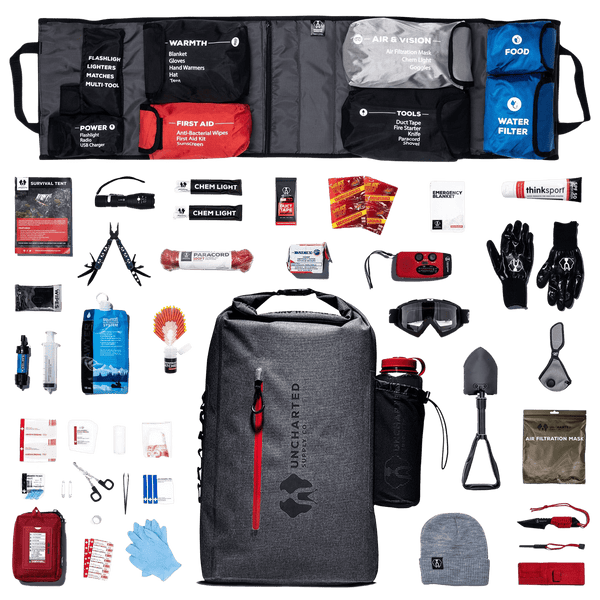
Choose backpacks made from tough materials like nylon or polyester. They resist tears and withstand heavy loads. Comfortable straps help carry the kit for long distances. Multiple compartments separate gear for easy retrieval. Look for backpacks with padded backs to protect fragile items.
Waterproof Containers
Use waterproof containers to protect items from water damage. Plastic boxes with tight seals work well. Small containers keep matches, medicines, and electronics dry. Clear containers let you see contents without opening. Label each container for quick identification.
Packing Tips
- Place heavy items at the bottom for balance.
- Group similar items together in pouches or bags.
- Keep essential items near the top for fast access.
- Use small bags to organize first aid supplies separately.
- Regularly check and rearrange the kit to maintain order.

Credit: www.amazon.com
Frequently Asked Questions
What Items Are Essential In A Must-have Survival Kit?
A must-have survival kit includes water, food, a first aid kit, fire starters, a flashlight, and a multi-tool. These items ensure basic survival needs like hydration, nutrition, safety, and navigation during emergencies.
How Do I Choose The Best Survival Kit For Emergencies?
Choose a survival kit based on your environment, duration of use, and personal needs. Look for quality, compactness, and essential tools that fit your emergency scenarios.
Can I Customize My Survival Kit For Specific Situations?
Yes, customizing your survival kit is important. Add items like extra batteries, specific medications, or shelter materials based on your location and potential emergencies.
How Often Should I Check And Update My Survival Kit?
Check your survival kit every six months. Replace expired food, batteries, and medical supplies to ensure everything is functional and safe when needed.
Conclusion
A survival kit saves lives in tough situations. It keeps you safe and prepared. Choose items that suit your needs well. Regularly check and update your kit. Small steps make a big difference. Stay ready for any emergency ahead. Being prepared brings peace of mind.
Don’t wait until it’s too late. A good survival kit is a smart choice. Simple, useful tools can protect you anytime.