When disaster strikes, having the right survival kit can make all the difference between staying safe and facing serious trouble. You might wonder, what exactly should you pack to be truly prepared?
Choosing the right items isn’t just about throwing random things into a bag—it’s about picking essentials that meet your needs and keep you alive when it counts most. You’ll discover exactly what to get for your survival kit, ensuring you’re ready for any emergency.
Keep reading, because your safety depends on what you pack today.
Basic Survival Gear
Basic survival gear forms the foundation of any effective survival kit. It’s the equipment that keeps you alive and functional in unexpected situations. Without these essentials, your chances of enduring harsh conditions drop significantly.
Water And Purification Tools
Water is your top priority. Carry a durable water bottle and a reliable purification method. Options like water filters, purification tablets, or even a compact UV purifier can save you from dehydration and waterborne illnesses.
Imagine hiking and finding a clear stream. Without purification tools, that water could make you sick. Always be prepared to treat water before drinking.
Food And Nutrition
Pack high-calorie, non-perishable food items that are easy to carry and prepare. Think energy bars, dried fruits, nuts, and freeze-dried meals. These provide the energy you need without adding bulk to your kit.
Have you tested how long your chosen food lasts and how it tastes under stress? Comfort in taste can boost morale when times get tough.
Shelter And Warmth
Protection from the elements is crucial. Include a compact tent, tarp, or emergency bivy sack in your kit. Add a lightweight sleeping bag or thermal blanket to retain body heat during cold nights.
Don’t overlook a quality fire starter. Fire not only warms you but also deters wildlife and purifies water.
First Aid Supplies
Your survival kit must have a basic first aid kit with bandages, antiseptics, pain relievers, and any personal medications. Include items like tweezers and scissors for wound care.
Knowing how to use these supplies can make a difference. Have you practiced treating common injuries before heading out?
Navigation And Communication
Navigation and communication are vital parts of any survival kit. They help you find your way and call for help when needed. Being prepared with the right tools can make a big difference in an emergency.
Maps And Compass
A detailed map is essential for knowing the terrain. It shows trails, landmarks, and water sources. A compass helps you keep your direction, even without GPS. Learn to use both together for best results.
Emergency Signaling Devices
Signaling devices attract attention in case of rescue. Whistles are loud and easy to carry. Reflective mirrors can catch sunlight to signal over distances. Bright flares or LED lights work well at night.
Communication Tools
Two-way radios allow contact in remote areas without cell service. Satellite phones connect anywhere on Earth but are more expensive. Personal locator beacons send your GPS location to rescue teams quickly.
Tools And Equipment
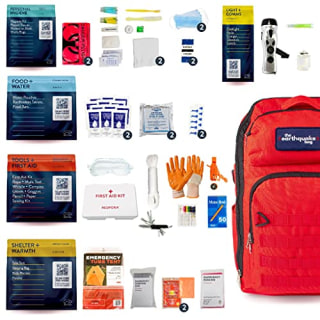
Tools and equipment form the backbone of any survival kit. They help you perform essential tasks like cutting, building shelter, and making fire. Choosing the right tools can save time and increase your chances of staying safe. Focus on items that are durable, lightweight, and versatile.
Knives And Multi-tools
A sharp knife is a must-have. It can cut rope, prepare food, and protect you. Pick a fixed-blade knife for strength and reliability. Multi-tools combine many functions in one device. They often include pliers, screwdrivers, scissors, and more. These tools save space and add convenience. Carry at least one quality knife and one multi-tool in your kit.
Fire Starting Gear
Fire is vital for warmth, cooking, and signaling. Pack reliable fire starters like waterproof matches or a lighter. Flint and steel kits last longer and work when wet. Carry tinder such as cotton balls or dryer lint. Practice starting fires with your gear to build confidence. Having multiple fire options increases survival chances.
Lighting Options
Good lighting helps you see at night and navigate safely. Flashlights and headlamps are practical choices. Choose LED models for longer battery life and brightness. Keep extra batteries in your kit. Glow sticks offer a simple, no-battery light source. They are lightweight and safe to use in all conditions.

Credit: unchartedsupplyco.com
Clothing And Protection
Clothing and protection are essential parts of any survival kit. They keep you safe from the elements and help maintain body temperature. Proper clothing prevents injuries and illnesses during harsh conditions. Protection gear guards against physical harm and environmental dangers. Personal hygiene items support health by reducing infections and discomfort. Each item plays a vital role in survival situations.
Weather-appropriate Clothing
Choose clothes based on the climate and weather conditions. Layering works well for changing temperatures. Start with a moisture-wicking base layer to keep skin dry. Add insulating layers like fleece or wool for warmth. Use a waterproof and windproof outer layer to block rain and wind. Durable pants and long-sleeve shirts protect from scratches and insect bites. Hats and gloves shield extremities from cold or sun.
Protective Gear
Protective gear reduces risks from accidents and wildlife. Sturdy boots prevent foot injuries on rough terrain. Gloves protect hands while handling rough objects or firewood. Safety goggles shield eyes from dust, debris, and branches. A wide-brimmed hat can protect the face and neck from sunburn. A reliable knife or multi-tool aids in many tasks. Carry a whistle or signal device for emergencies.
Personal Hygiene Items
Cleanliness helps prevent infections and keeps morale high. Pack biodegradable soap for washing body and clothes. Include a small towel or washcloth for drying. Toothbrush and toothpaste maintain oral health. Hand sanitizer kills germs when water is unavailable. Feminine hygiene products support comfort and health. A small mirror helps with personal grooming and signaling.
Specialty Items
Specialty items in your survival kit are the game changers. They go beyond the basics and prepare you for unexpected situations. These items keep you informed, connected, and ready for anything.
Survival Guides And Manuals
Having a survival guide or manual can make a huge difference in a crisis. These guides provide clear instructions on how to find water, build shelter, or identify edible plants. Choose pocket-sized books or waterproof cards that you can easily carry with you.
Think about the last time you were stuck without internet or phone service. Wouldn’t you want step-by-step advice at your fingertips? A good guide reduces panic and helps you act quickly.
Cash And Important Documents
Cash is often overlooked but crucial when electronic payments fail. Keep small bills in your kit, hidden and waterproofed. Alongside cash, store copies of essential documents like your ID, insurance papers, and medical records.
Imagine needing to prove your identity or access emergency services without digital backups. Having physical copies saves time and stress. Use a waterproof pouch or laminated sleeves to protect these items.
Extra Batteries And Power Sources
Extra batteries and portable power banks keep your devices running when power is out. Include batteries for flashlights, radios, and any other battery-operated gear. Solar chargers can also be a lifesaver, providing power without relying on outlets.
Ask yourself: how long could you stay connected if your phone died today? Don’t wait until the last minute to stock up. Regularly check and replace batteries to avoid surprises during an emergency.

Credit: www.amazon.com
Packing And Maintenance
Packing and maintaining your survival kit is as important as choosing the right items. A well-packed kit ensures you can access what you need quickly. Maintenance keeps your supplies reliable when you actually need them.
Organizing Your Kit
Keep your survival kit tidy by grouping similar items together. Use small, labeled bags or compartments for different categories like first aid, tools, and food. This way, you won’t waste time digging through everything during an emergency.
Think about how you would use your kit in a real situation. Would you want to open a tangled mess or grab what you need in seconds? Arrange items by priority and frequency of use, placing the most essential things on top or in easily reachable pockets.
Regular Checks And Updates
Check your kit at least every three months. Look for expired food, batteries, and medications, and replace them promptly. This simple habit can save you from unpleasant surprises when you need the kit most.
Have you ever grabbed a flashlight only to find dead batteries? That’s why swapping out old items is crucial. Use a checklist to track what needs renewing and keep your kit ready for any situation.
Credit: www.nbcnews.com
Frequently Asked Questions
What Essential Items Should Be In A Survival Kit?
A survival kit should include water, food, a first aid kit, fire starters, a flashlight, and a multi-tool. These basics cover hydration, nutrition, safety, and navigation during emergencies.
How Much Water Is Needed In A Survival Kit?
Carry at least one gallon of water per person per day. This amount ensures hydration for drinking and basic hygiene in survival situations.
Why Include Fire Starters In A Survival Kit?
Fire starters help you create warmth, cook food, and signal for help. Reliable fire sources are crucial for survival in cold or dark conditions.
What Type Of Food Is Best For Survival Kits?
Choose non-perishable, high-energy foods like energy bars, nuts, and dried fruits. These provide essential nutrients and have a long shelf life.
Conclusion
A good survival kit can make a big difference in emergencies. Choose items that meet your basic needs like water, food, and shelter. Keep your kit simple but useful. Check and update it often. Being prepared helps you stay calm and safe.
Start building your kit today and feel more ready for the unexpected. Small steps lead to big safety.