Imagine being deep in the wilderness, far from help, with only your survival kit to rely on. What if your kit is missing something crucial?
Knowing exactly what to put in a wilderness survival kit can make the difference between staying safe and facing serious danger. You want to be prepared for anything—whether it’s finding food, staying warm, or signaling for help. You’ll discover the essential items that should never be left behind.
Keep reading, because your safety depends on what you pack today.
Basic Survival Tools
Basic survival tools form the backbone of any wilderness survival kit. These tools help you perform essential tasks like cutting, starting a fire, and securing shelter. Without reliable basic tools, your chances of overcoming unexpected challenges drop significantly.
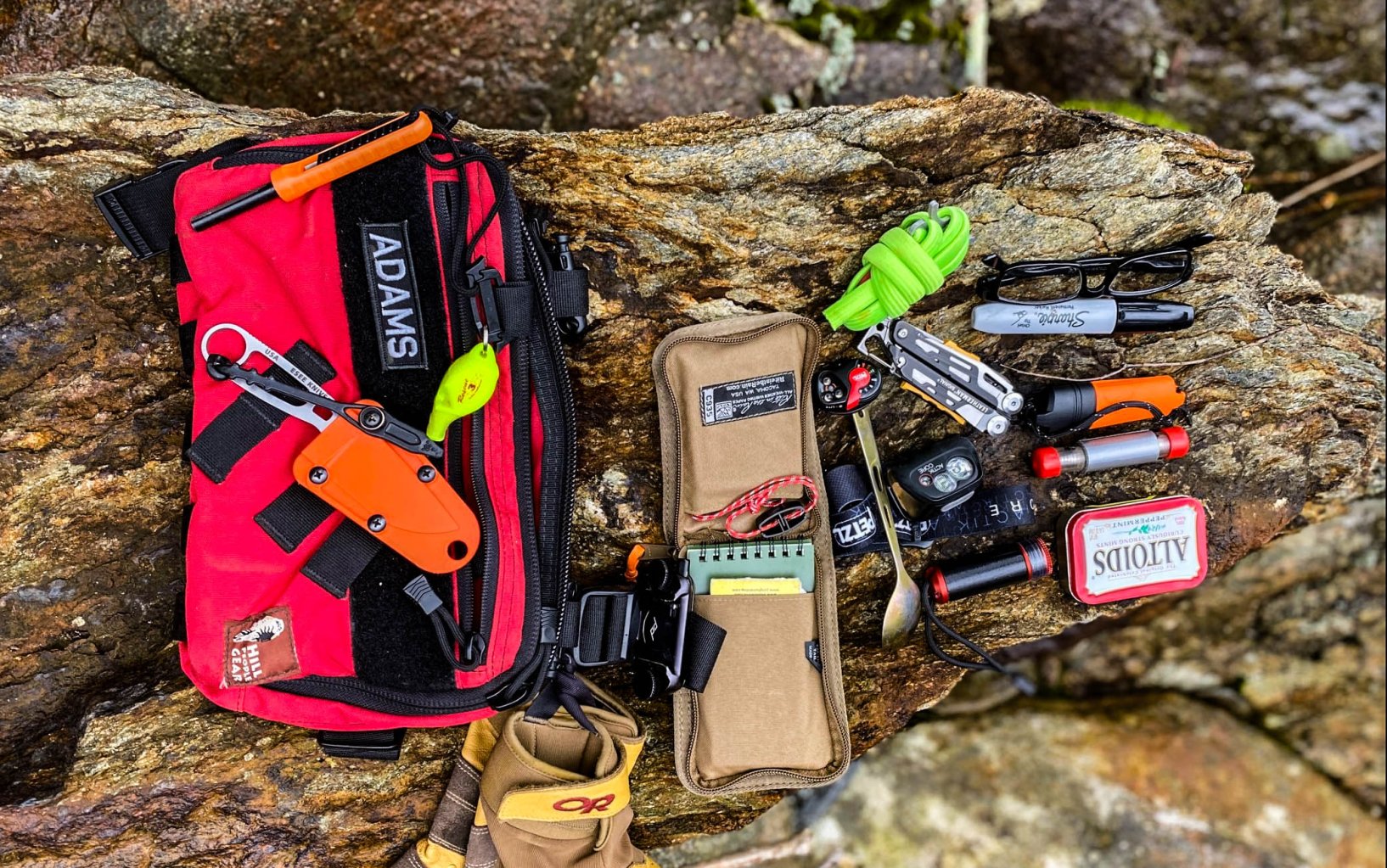
Knives And Multi-tools
A sturdy knife is one of the most important items you can carry. It allows you to cut rope, prepare food, and even defend yourself if necessary. Look for a fixed-blade knife with a full tang for better strength and durability.
Multi-tools add versatility to your kit by combining several tools in one compact device. Pliers, screwdrivers, and scissors can come in handy for small repairs and adjustments. Don’t underestimate the value of having multiple functions at your fingertips.
Fire Starters
Fire is critical for warmth, cooking, and signaling for help. Relying solely on matches can be risky since they can get wet or run out. Carry waterproof matches, a lighter, and a ferrocerium rod to increase your chances of starting a fire under any condition.
Try practicing with these fire starters before your trip. Knowing how to create sparks and keep a fire going is a skill that improves with hands-on experience. Have you ever struggled to light a fire during a camping trip? Investing time in practice pays off.
Cordage And Rope
Cordage is surprisingly useful for shelter building, securing gear, and even making traps. Paracord is a popular choice because it’s lightweight, strong, and has multiple inner strands you can separate for other uses. Carry at least 15-30 feet to cover basic needs.
Don’t forget to learn different knots; a simple knot can make a big difference in safety and effectiveness. Can you tie a reliable bowline or clove hitch? Having cordage without knot skills limits its usefulness.
Credit: www.outdoorlife.com
Shelter And Warmth
Shelter and warmth are crucial for surviving in the wild. Protecting your body from cold, wind, and rain prevents hypothermia. Proper shelter helps conserve energy and keeps you safe. Packing the right items ensures comfort and protection in harsh conditions.
Tents And Tarps
Tents offer solid protection against rain, wind, and insects. They create a safe space to rest and store gear. Lightweight tents fit easily in a survival kit. Tarps are versatile and can be used as a shelter or ground cover. They are compact and easy to set up.
Sleeping Bags And Pads
Sleeping bags provide insulation to retain body heat. Choose bags rated for the coldest temperatures you expect. Sleeping pads add comfort and a barrier from cold ground. They improve warmth and reduce heat loss. Compact and lightweight pads fit well in survival kits.
Emergency Blankets
Emergency blankets are thin, light, and highly reflective. They trap body heat and block wind effectively. These blankets fold small and are easy to carry. Use them as a wrap, ground cover, or shelter lining. A must-have for sudden cold or wet weather.
Water And Hydration
Water is the most crucial element in a wilderness survival kit. Staying hydrated keeps your body working well. Without clean water, you risk dehydration and serious health problems. Carrying the right tools for water storage and purification ensures safe drinking water anywhere.
Water Bottles And Containers
Choose strong, lightweight water bottles for easy carrying. Durable plastic or metal bottles work best. Look for bottles with tight lids to prevent leaks. Having multiple containers helps store extra water. Collapsible bottles save space when empty. Mark bottles with measurements for tracking intake.
Water Purification Methods
Purifying water removes harmful germs and chemicals. Carry small, portable filters that trap bacteria. Use purification tablets to kill viruses and bacteria. Boiling water is simple and effective but takes time. UV light purifiers use ultraviolet rays to clean water fast. Always carry a backup purification method for safety.
Hydration Bladders
Hydration bladders fit inside backpacks for easy drinking on the move. They hold more water than bottles, reducing refill trips. Bladders have a tube and valve for hands-free sipping. Choose bladders with secure seals to avoid leaks. Clean and dry bladders regularly to prevent mold growth.

Credit: fowlersmakeryandmischief.com
Food And Nutrition
Food and nutrition play a crucial role in any wilderness survival kit. Your body needs fuel to stay strong, focused, and ready for challenges. Choosing the right foods can make the difference between feeling energized or exhausted in the wild.
Non-perishable Food Items
Non-perishable foods are essential because they last long without refrigeration. Think canned beans, dried fruits, nuts, and jerky. These items provide a good mix of protein, fats, and carbohydrates, helping you maintain energy over time.
Consider lightweight options like freeze-dried meals, which can be rehydrated easily. What would you rely on if you had to survive for days without fresh food?
Portable Cooking Gear
Having a small, portable stove or a compact cooking set lets you prepare hot meals, which can boost morale and digestion. Look for lightweight, durable gear like a titanium pot or a foldable stove.
Don’t forget matches, a lighter, or fire starters to get your cooking going. Cooking food can also help kill bacteria, making it safer to eat.
Energy Bars And Supplements
Energy bars are a perfect quick snack packed with calories and nutrients. Choose bars with natural ingredients and a good balance of carbs, protein, and fats.
Supplements like electrolyte tablets or multivitamins can fill nutritional gaps. Have you ever felt drained in the outdoors despite eating? Supplements might be what you’re missing.
Navigation Aids
Having reliable navigation aids in your wilderness survival kit can mean the difference between staying on track and getting hopelessly lost. These tools help you find your way, mark your path, and make informed decisions about your route. Let’s look at the essential navigation aids you should carry and why each one matters.
Compasses
A compass is a simple, yet powerful tool to help you stay oriented. It doesn’t rely on batteries or signals, so it works in any environment. Make sure your compass is durable and easy to read under different lighting conditions.
Practice using your compass before heading out. Knowing how to take bearings and follow a heading can keep you on course when trails vanish or visibility drops. Have you ever tried navigating without one? It quickly becomes clear how vital a compass is.
Maps
A detailed topographic map complements your compass perfectly. It shows terrain features, water sources, and trails, giving you a clear picture of your surroundings. Keep maps waterproofed or in a protective case to prevent damage.
Learn to read contour lines and symbols on your map. This skill helps you anticipate changes in elevation and find safe routes. Always carry maps of the area you plan to explore, even if you have electronic devices on hand.
Gps Devices
GPS devices offer precise location tracking and can store waypoints to mark important spots. They’re convenient but depend on batteries and satellites, which may fail in dense forests or remote areas. Carry extra batteries or a portable charger to keep your GPS powered.
Don’t rely solely on GPS—use it alongside a compass and map. This combination provides backup options if one tool stops working. How would you navigate if your GPS suddenly died? Having multiple navigation aids ensures you’re never left without direction.
First Aid Supplies
First aid supplies are essential for any wilderness survival kit. They help treat injuries and prevent infections. Carrying the right items can save your life in an emergency. Keep your kit simple but effective.
Bandages And Dressings
Bandages and dressings protect wounds from dirt and bacteria. Include various sizes for different injuries. Adhesive bandages work well for small cuts and scrapes. Sterile gauze pads help cover larger wounds. Elastic bandages support sprains and hold dressings in place. Make sure all are clean and sealed.
Medications
Medications relieve pain and fight infections. Pack pain relievers like ibuprofen or acetaminophen. Antihistamines help with allergic reactions. Include antiseptic wipes to clean wounds. Carry antibiotic ointment to prevent infection. Bring any personal medications you need. Store all in waterproof containers.
Emergency Medical Tools
Tools make first aid easier and safer. A pair of tweezers removes splinters or ticks. Scissors cut bandages or clothing. A digital thermometer checks for fever. Safety pins secure bandages or slings. Include disposable gloves to keep hands clean. A CPR face shield can protect during resuscitation.
Signaling Equipment
Signaling equipment is a crucial part of any wilderness survival kit. It helps you attract attention when you’re lost or in danger. Without the right tools, rescuers might pass by without noticing you.
Whistles
A whistle is a small, lightweight tool that can make a loud, piercing sound. It requires very little energy to use, which is important when you’re tired or injured.
Carrying a whistle can save your voice and increase your chances of being heard over long distances. I once had a whistle during a hiking trip, and it helped alert nearby campers when I got separated from my group.
- Choose a whistle with a high-pitched tone for better reach.
- Test it regularly to make sure it works well.
- Attach it to your pack or clothing for easy access.
Mirrors
Mirrors can reflect sunlight to create a bright flash visible from miles away. They are especially useful during daylight hours when you need to catch the eye of rescuers or passing planes.
Even a small, compact mirror can serve this purpose effectively. I keep a signal mirror in my survival kit because it’s lightweight and doesn’t rely on batteries.
- Look for mirrors specifically designed for signaling, which often include sighting holes.
- Practice aiming the reflection before you need it.
- Store it in a protective case to prevent scratches.
Signal Flares
Signal flares are bright, burning sticks that can be seen from great distances, especially at night or in low-visibility conditions. They create an immediate, eye-catching signal for rescuers.
While flares are powerful, they require careful handling and are usually single-use items. I always pack a couple in my kit but use them only when absolutely necessary.
- Choose flares that are easy to ignite and have a long burn time.
- Keep them dry and protected from damage.
- Learn how to use them safely before heading outdoors.
Clothing And Protection
Choosing the right clothing and protection for your wilderness survival kit can make a huge difference in how comfortable and safe you are outdoors. Your gear should shield you from the elements, bugs, and sun, while also being practical and easy to carry. Think about what you’ve faced on past hikes or camping trips—did you wish you had an extra layer or some bug spray? Use those experiences to guide your choices.
Weather-appropriate Clothing
Your clothing should match the climate and conditions you expect to encounter. Pack layers that you can add or remove quickly, such as a moisture-wicking base layer, an insulating mid-layer, and a waterproof outer shell.
- Choose synthetic or wool fabrics over cotton; they dry faster and keep you warmer when wet.
- Include a hat and gloves if temperatures drop, even if it seems warm during the day.
- Don’t forget sturdy, comfortable footwear suitable for rough terrain.
Have you ever underestimated how cold it can get at night? Bringing the right layers can prevent that uncomfortable chill and keep your energy up.
Insect Repellent
Bugs can quickly turn your outdoor adventure into a nightmare. Carrying an effective insect repellent can protect you from bites and the diseases some insects carry.
- Choose repellents containing DEET or picaridin for long-lasting protection.
- Consider bringing insect-repellent clothing or treated bandanas for extra defense.
- Don’t overlook natural options like citronella wipes if you prefer chemical-free solutions.
Have you ever sat around a campfire swatting mosquitoes all night? A good repellent lets you focus on what matters—staying safe and enjoying nature.
Sun Protection
Protecting your skin from the sun is essential, even on cloudy days. Sunburn can sap your strength and cause serious health issues over time.
- Include a broad-spectrum sunscreen with at least SPF 30 in your kit.
- Wear a wide-brimmed hat and UV-protective sunglasses to shield your face and eyes.
- Lightweight, long-sleeve shirts can block harmful rays while keeping you cool.
Have you ever been caught off guard by the sun’s intensity? Taking simple sun protection steps can keep you feeling fresh and alert for your survival tasks.
Packing And Organization
Packing and organizing your wilderness survival kit can make the difference between a stressful ordeal and a manageable situation. You want quick access to essentials without digging through a jumbled mess. Thoughtful organization not only saves time but also reduces the risk of losing critical items when every second counts.
Waterproof Bags
Waterproof bags protect your gear from rain, river crossings, and unexpected spills. They keep your matches dry, your electronics safe, and your food from getting soggy. Using different sizes lets you separate items by category, making it easy to grab what you need fast.
Look for bags with durable zippers or roll-top seals. Clear waterproof bags help you see contents without opening them, speeding up your search. Have you ever fumbled with wet paper maps only to ruin them? Waterproof storage solves that problem immediately.
Modular Packing Systems
Modular packing means breaking your kit into smaller, dedicated pouches or compartments. This approach helps you organize by function—first aid, fire-starting, food prep, and navigation each get their own space. You won’t waste precious minutes hunting for a lighter buried under bulky gear.
Try using color-coded pouches or labeled bags. This system also makes restocking easier after use, because you know exactly what goes where. Have you noticed how some outdoor pros carry neatly packed kits? They’ve mastered modular packing to stay efficient and calm.
Weight Distribution Tips
Carrying your survival kit comfortably is as important as what you pack. Place the heaviest items close to your back and centered to maintain balance and reduce strain. Uneven loads tire you out faster and can cause injury over time.
Use compression straps to stabilize your load and prevent shifting while you move. Remember, your survival kit should be easy to carry for long distances. Ask yourself: Could I comfortably carry this kit for hours without fatigue?

Credit: stayreadyoutdoors.com
Frequently Asked Questions
What Are The Essential Items In A Wilderness Survival Kit?
A wilderness survival kit should include a knife, fire starter, water purifier, first aid supplies, and a shelter. These items help you stay safe, hydrated, and protected in emergencies. Always tailor your kit to the environment and your specific needs for best results.
How Do I Choose The Best Fire Starter For Survival?
Choose a fire starter that is reliable, waterproof, and easy to use. Ferrocerium rods are popular for their durability and effectiveness. Matches and lighters are good backups. Practice using your fire starter before heading outdoors to ensure quick fire-making in emergencies.
Why Is Water Purification Important In A Survival Kit?
Water purification prevents illness from contaminated water sources. Including purification tablets, filters, or a portable purifier ensures safe drinking water. Staying hydrated with clean water is critical for survival and maintaining energy levels in the wilderness.
Should I Include Food In My Wilderness Survival Kit?
Yes, pack lightweight, high-energy, non-perishable foods like energy bars or dried fruits. Food provides necessary calories to maintain strength and focus. Keep portions small to save space but enough to last at least 24 hours.
Conclusion
A good wilderness survival kit saves lives. Include items for shelter, fire, water, and food. Keep tools small, light, and easy to use. Practice using your kit before you need it. Stay prepared and stay safe in the wild. Every item counts in an emergency.
Choose wisely and pack smart. Your survival depends on what you bring.