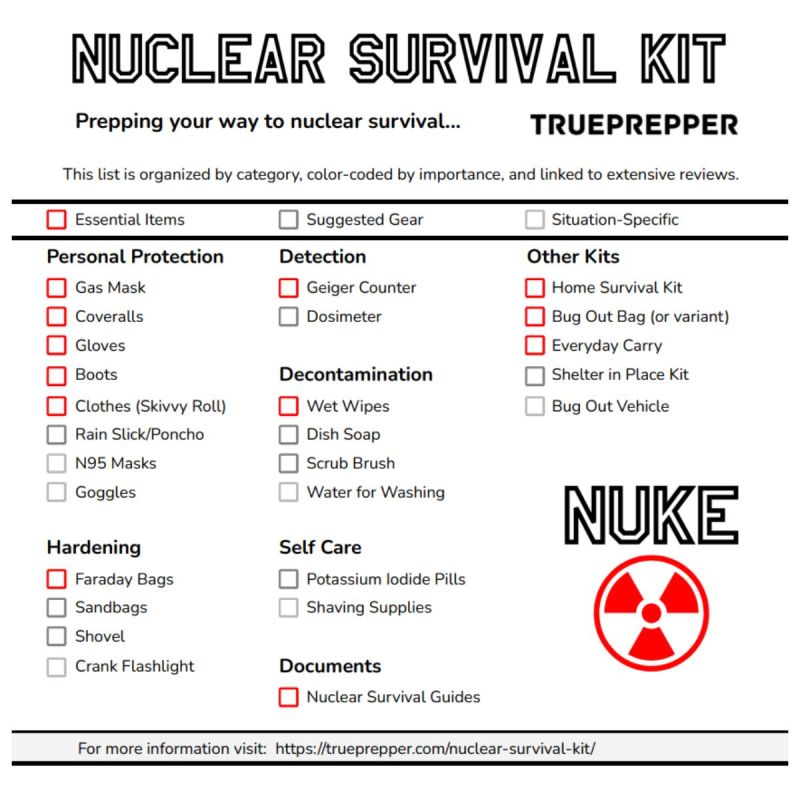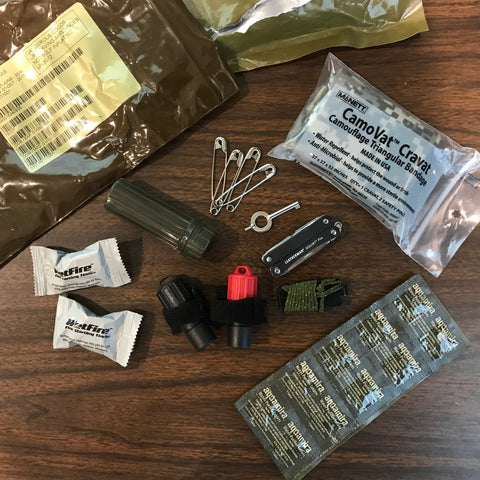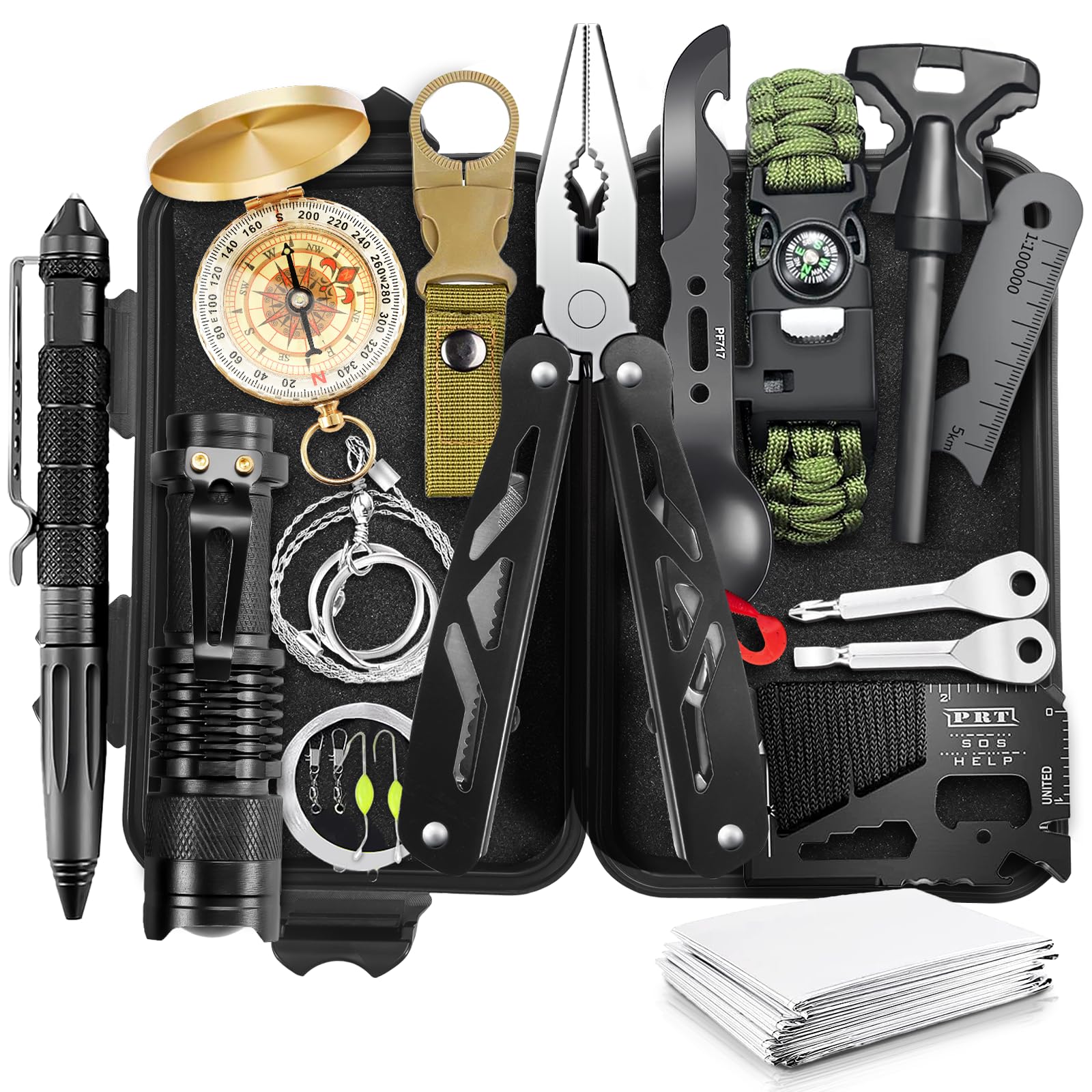
Imagine finding yourself in an unexpected situation where help is far away. Would you know what to grab to keep yourself safe and comfortable?
Your survival kit can be the difference between staying calm and feeling helpless. Knowing exactly what to have in your survival kit means you’re prepared for anything—whether it’s a power outage, a natural disaster, or getting lost outdoors. You’ll discover the essential items that should never be missing from your kit.
Get ready to build your ultimate survival pack and take control of your safety. Keep reading—your peace of mind depends on it.
Basic Survival Tools
Having the right basic survival tools in your kit can make a huge difference when you face unexpected challenges outdoors. These tools are your first line of defense against the elements and unforeseen situations. You want items that are reliable, versatile, and easy to use under pressure.
Multi-tool And Knife
A multi-tool and a sturdy knife are essentials you can’t afford to leave behind. A good multi-tool combines pliers, screwdrivers, scissors, and more into one compact device. It saves space and adds flexibility to your survival kit.
Choose a knife with a fixed blade for durability and strength. I once relied on a basic fixed blade to carve shelter stakes and prepare food in a pinch. That experience showed me how vital a sharp, dependable knife really is.
Fire Starters
Fire can mean warmth, safety, and the ability to cook or signal for help. Having multiple fire-starting tools increases your chances of success in wet or windy conditions.
- Waterproof matches
- Ferrocerium rod (ferro rod)
- Windproof lighter
Try practicing with these tools before you need them. Can you start a fire quickly with your chosen method? If not, you might want to adjust what’s in your kit.
Flashlight And Batteries
A reliable flashlight lights your way when darkness falls. It also serves as a signaling device if you need rescue. Choose one that is compact but bright enough to navigate tricky terrain.
Always pack extra batteries to avoid being left in the dark. I once found myself in a dense forest at night with only a dim flashlight and no spares. That moment highlighted why a fresh battery supply is non-negotiable.
Water And Hydration Supplies
Water is the cornerstone of any survival kit. Without proper hydration, your energy, focus, and overall health will decline rapidly. Having reliable water and hydration supplies can be the difference between staying safe and facing serious risks.
Water Bottles And Containers
Choose water bottles that are durable and easy to carry. Stainless steel bottles withstand rough handling, while BPA-free plastic bottles are lightweight and affordable. Collapsible water containers save space when empty and expand as needed.
Consider how much water you can realistically carry. A good rule is to have at least one liter per person per day. Multiple smaller containers can be easier to manage than one large bottle.
One time, I relied on a sturdy stainless steel bottle during a weekend hiking trip. It didn’t leak, and kept water fresh for hours. Such reliability matters when you’re miles from help.
Water Purification Methods
Carrying water isn’t enough if you can’t ensure it’s safe to drink. Water purification methods remove harmful bacteria, viruses, and parasites. These can be lifesavers in emergencies.
- Portable water filters:Lightweight and effective, they remove most contaminants. Brands like Sawyer or LifeStraw offer great options.
- Water purification tablets:Easy to pack and use, but they require waiting time. Ideal for quick treatment when you find questionable water.
- Boiling:The oldest method. Boil water for at least one minute to kill pathogens.
- UV purifiers:Compact devices that use ultraviolet light to disinfect water. Great for travelers who want fast results.
Have you ever considered how you would treat water if your main supply ran out? Testing different purification tools before an emergency ensures you’re prepared. Your survival kit’s water supplies should be as versatile as the situations you might face.
Food And Nutrition
Food and nutrition are vital in a survival kit. Proper nourishment keeps energy levels high and the mind sharp. Choosing the right food ensures it lasts long and is easy to carry. Pack items that provide essential nutrients without taking much space.
Non-perishable Food Items
Non-perishable foods do not spoil quickly. They are perfect for survival situations. Canned goods, dried beans, and rice are good examples. These foods stay safe for months or even years. Look for items that require little or no cooking. It helps when fuel or cooking tools are limited.
- Canned vegetables and fruits
- Dried pasta and grains
- Instant soups and noodles
- Powdered milk and cheese
- Nut butters in sealed packs
Energy Bars And Supplements
Energy bars provide quick calories and nutrients. They are lightweight and easy to eat on the move. Choose bars high in protein and fiber for longer energy. Supplements like multivitamins support overall health. They fill nutrition gaps when fresh food is scarce.
- Protein bars with natural ingredients
- Granola and trail mix bars
- Electrolyte tablets or powders
- Multivitamin capsules or tablets
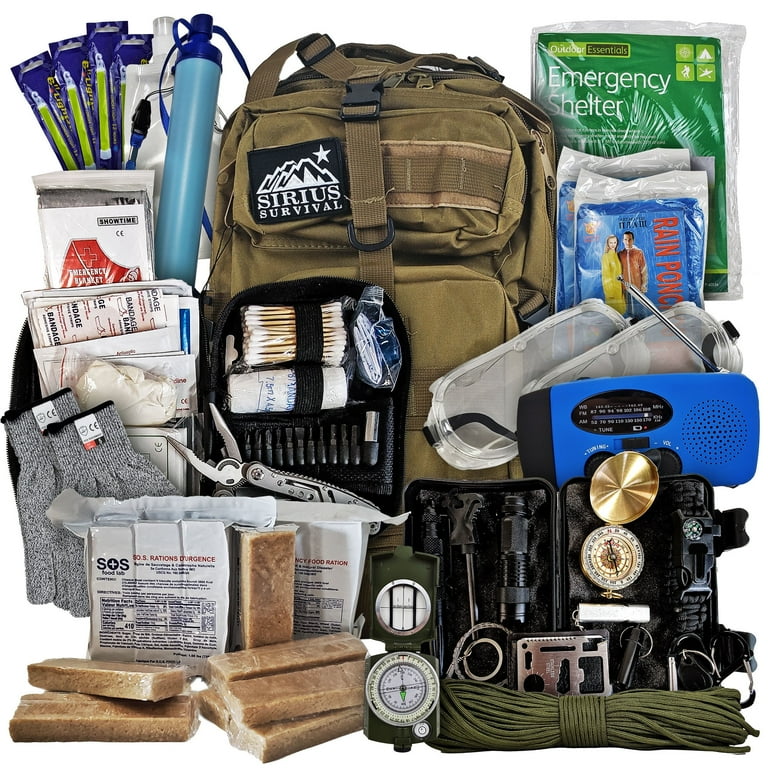
Credit: www.walmart.com
Shelter And Warmth
Shelter and warmth are critical in any survival situation. Protecting your body from cold and wet conditions helps prevent hypothermia. A good survival kit must include items that provide quick and reliable shelter and retain body heat. These tools help maintain comfort and safety during emergencies.
Emergency Blankets
Emergency blankets are lightweight and compact. Made from reflective material, they trap body heat effectively. These blankets are easy to carry and can fit in any survival kit. They work well in cold weather or when you need to reduce heat loss quickly. Use them as a wrap or a ground cover to stay warm.
Tents And Tarps
Tents and tarps offer strong protection against wind and rain. A small, durable tent can shield you from harsh weather. Tarps are versatile and can create instant shelter by tying them to trees or poles. Both options keep you dry and shielded. Choose waterproof and lightweight models for easy transport.
Clothing For Various Weather
Layered clothing helps adapt to changing weather. Include thermal underwear for cold nights. Waterproof jackets and pants keep rain and wind away. Wear breathable fabrics to avoid sweat buildup. Pack extra socks and gloves for added warmth. Proper clothing reduces heat loss and keeps you comfortable.
First Aid Essentials
First aid essentials are a must-have in any survival kit. They help treat injuries and prevent infections. Having the right items can save lives and reduce pain. Prepare for cuts, burns, scrapes, and other minor injuries. Keep your kit organized and accessible.
Basic Medical Supplies
- Adhesive bandages in various sizes
- Sterile gauze pads and rolls
- Adhesive tape for securing dressings
- Antiseptic wipes to clean wounds
- Antibacterial ointment to prevent infection
- Elastic bandage for sprains and strains
- Scissors and tweezers for cutting and removing debris
- Disposable gloves to keep hands clean
- CPR face shield for safe resuscitation
Medications And Pain Relievers
- Painkillers like ibuprofen or acetaminophen
- Antihistamines for allergic reactions
- Anti-diarrheal medicine for stomach issues
- Oral rehydration salts to prevent dehydration
- Cough and cold medicine for respiratory relief
- Antacid tablets to ease stomach upset
- Any personal prescription medications
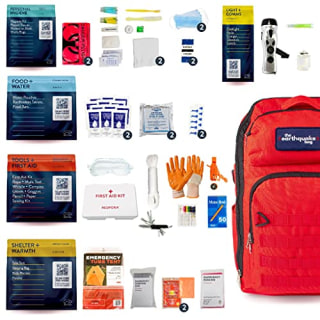
Credit: www.nbcnews.com
Navigation And Communication
Navigation and communication tools are vital in any survival kit. They help you find your way and alert others if you need help. These tools increase your safety in unfamiliar or dangerous areas.
Maps And Compass
Carry a detailed map of the area you are in. Paper maps work without batteries or signal. A compass helps you know the direction even when GPS fails. Learn to use both before heading out. These tools guide you through forests, mountains, or deserts.
Emergency Whistles And Signals
An emergency whistle makes a loud sound that can travel far. It uses less energy than shouting for help. Carry one in your kit and know the signal for help. Reflective mirrors or signal lights also attract attention. These tools increase your chances of rescue.
Personal Safety Items
Personal safety items are essential in any survival kit. They protect you from injuries and harmful germs. These items help maintain your health and safety during emergencies.
Choosing the right personal safety gear can reduce risks and keep you comfortable. Prepare for various situations by packing reliable, easy-to-use items.
Protective Gloves
Protective gloves shield your hands from cuts, dirt, and infections. Use sturdy gloves made of materials like leather or heavy-duty rubber. They offer good grip and durability for tasks like building or handling sharp objects.
Disposable gloves are useful for hygiene and medical needs. Keep several pairs in your kit for wound care or food handling. Gloves must fit well to avoid slipping or discomfort.
Face Masks And Hygiene Products
Face masks guard against dust, smoke, and germs. Choose masks that cover the nose and mouth snugly. Cloth masks work for dust, while surgical masks provide better germ protection.
Include hygiene items like hand sanitizer, antibacterial wipes, and soap. These help keep hands clean and reduce infection risk. Pack enough supplies to last several days.

Credit: www.servpro.com
Storage And Organization
Keeping your survival kit well-organized and protected is just as important as the items you pack inside. Proper storage makes it easier to find what you need quickly, especially in high-stress situations. Have you ever rummaged through a messy bag only to waste precious minutes? That’s why choosing the right containers and bags can make a real difference.
Durable Containers
Choose containers made from tough materials like hard plastic or metal. These protect your supplies from crushing, impacts, and rough handling. I once had a plastic box crack open during a hike, scattering my essentials everywhere—something you want to avoid.
Look for containers with secure locking lids to keep everything inside safe and prevent accidental spills. Stackable designs also help save space and keep your kit compact. Think about dividing your supplies by category—first aid, food, tools—each in its own container for easy access.
Waterproof Bags
Waterproof bags are essential to protect your gear from rain, spills, or floods. Even if your kit is in a sturdy container, moisture can still sneak in through small cracks or openings. Using waterproof bags inside adds an extra layer of security.
Opt for bags with airtight seals or roll-top closures to keep water out completely. These bags come in various sizes, so you can separate electronics, matches, and other sensitive items. Have you ever tried to light a wet match? Keeping these dry can be a real lifesaver.
Organize your survival kit with durable containers and waterproof bags to keep your gear safe and accessible. This simple step can save you time and stress when it matters most.
Frequently Asked Questions
What Essential Items Should Be In A Survival Kit?
A survival kit should include water, food, a first aid kit, a flashlight, and a multi-tool. These items help ensure safety and basic needs during emergencies. Including a whistle, matches, and a space blanket enhances survival chances significantly.
How Do I Choose The Right Food For A Survival Kit?
Choose non-perishable, lightweight, and high-energy foods like granola bars, nuts, and dried fruits. These provide necessary nutrients and last long without refrigeration. Avoid foods that spoil quickly or require cooking, ensuring ease during emergencies.
Why Is A First Aid Kit Important In A Survival Kit?
A first aid kit treats injuries and prevents infections during emergencies. It includes bandages, antiseptics, pain relievers, and medical tape. Having it on hand can reduce complications and provide immediate care before professional help arrives.
Should I Include Water Purification Tools In A Survival Kit?
Yes, water purification tools are vital for safe drinking water. Items like water filters, purification tablets, or portable sterilizers prevent waterborne diseases. They ensure access to clean water when natural sources are contaminated or unavailable.
Conclusion
A survival kit keeps you ready for unexpected events. Pack essentials like water, food, and a first aid kit. Don’t forget tools such as a flashlight and a whistle. Keep your kit updated and check items often. Staying prepared can make a big difference in emergencies.
Take time to build your kit carefully. Safety starts with simple steps and smart choices. Be ready, stay calm, and protect yourself and your loved ones.