Imagine being caught in an emergency without the right tools to keep you safe and comfortable. You don’t want to find yourself wishing you had prepared better.
That’s why knowing exactly what should be included in a survival kit is crucial. Your survival kit can be the difference between staying calm and being overwhelmed when things go wrong. You’ll discover the essential items that every survival kit needs, helping you build one that truly protects you and your loved ones.
Keep reading to make sure you’re ready for anything.

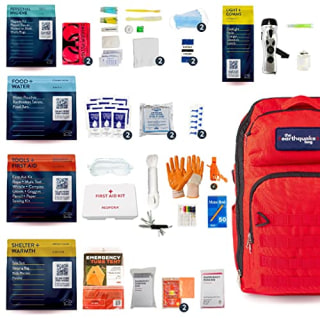
Credit: mendovoice.com
Basic Survival Needs
Basic survival needs are essential for staying safe and healthy in any emergency. These needs focus on water, food, and shelter. They keep the body strong and help avoid serious health problems. Packing the right items in your survival kit can make a big difference during tough times.
Water And Hydration Tools
Water is the most critical need for survival. The body can only last a few days without it. Always include a reliable water source or purification tools in your kit. Items like water bottles, portable filters, and purification tablets ensure safe drinking water.
- Collapsible water bottles or sturdy containers
- Water purification tablets or drops
- Portable water filters
- Metal cup or small pot for boiling water
Food And Nutrition
Food provides energy and helps maintain strength. Choose lightweight, non-perishable foods that are easy to prepare. Focus on items with high calories and nutrients to sustain you during emergencies.
- Energy bars or protein bars
- Dried fruits and nuts
- Freeze-dried meals or canned food
- Comfort snacks for morale
Shelter And Warmth
Shelter protects the body from weather and keeps you warm. Include items that can help create a safe space and retain heat. Proper shelter lowers the risk of hypothermia and illness.
- Compact emergency blanket or sleeping bag
- Lightweight tarp or poncho
- Paracord for building shelters
- Hand warmers or fire-starting tools
Navigation And Communication
Navigation and communication tools are vital in any survival kit. They help you find your way and reach out for help if needed. Without these tools, you risk getting lost or isolated in an emergency. These essentials improve your chances of staying safe and connected.
Compasses And Maps
A compass guides you when GPS signals fail or batteries die. It shows direction clearly and works without power. Pair it with a detailed map of the area you are in. Maps give a visual layout of the land, trails, and landmarks.
- Choose a durable compass with easy-to-read markings.
- Carry waterproof or laminated maps for durability.
- Learn basic map reading and compass skills before use.
Signaling Devices
Signaling devices attract attention during emergencies. They help rescuers find you faster. Bright colors, sounds, and lights work best for signaling.
- Include a whistle for loud, clear sound signals.
- Carry a mirror or signal reflector to flash sunlight.
- Use LED flashlights or glow sticks for night signals.
Communication Tools
Communication tools keep you connected to others. They allow you to ask for help or share your location. Choose tools that work in remote areas with limited network coverage.
- Two-way radios for direct contact within a short range.
- Satellite phones for global communication without cell towers.
- Personal locator beacons (PLBs) to send distress signals.
First Aid And Medical Supplies
First aid and medical supplies are essential in any survival kit. They help treat injuries and prevent infections. Having these supplies can save lives during emergencies.
Bandages And Dressings
Bandages and dressings protect wounds from dirt and germs. Include various sizes of adhesive bandages for small cuts. Sterile gauze pads help cover larger wounds. Use adhesive tape to secure dressings in place. Elastic bandages can support sprains or strains. Clean and protect injuries to avoid infection.
Medications And Treatments
Basic medications ease pain and reduce fever. Pack pain relievers like ibuprofen or acetaminophen. Include antihistamines for allergic reactions. Antiseptic creams help prevent infection in cuts and scrapes. Bring oral rehydration salts to prevent dehydration. Keep any personal prescription medicines ready too.
Emergency Medical Tools
Certain tools assist with emergency medical care. A pair of scissors cuts bandages or clothing. Tweezers remove splinters or debris from wounds. Disposable gloves protect you and others from germs. A digital thermometer checks body temperature. A CPR face shield helps perform rescue breathing safely.
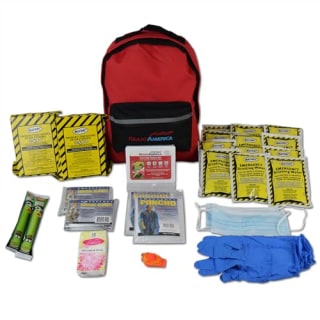
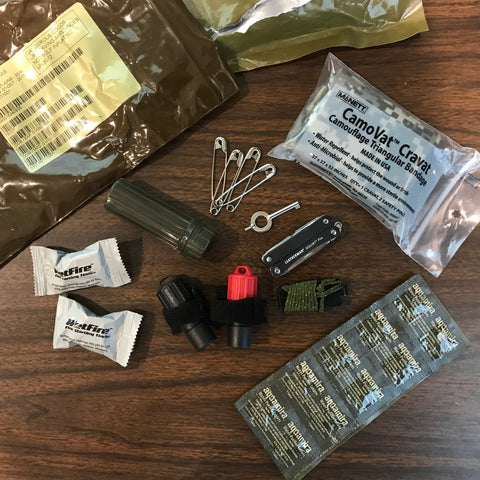
Credit: www.nbcnews.com
Fire Starting Equipment
Fire starting equipment is a crucial part of any survival kit. It provides warmth, a way to cook food, and a signal for help. Having reliable tools to start a fire can make all the difference in an emergency.
Lighters And Matches
Lighters are compact and easy to use, making them a popular choice. But remember, they can run out of fuel or get damaged. Waterproof matches offer a reliable backup; they stay lit even in damp conditions.
Carry multiple types to increase your chances of success. Have you ever tried lighting a fire with a single match on a windy day? It’s tough without backups.
Fire Starters And Tinder
Fire starters like wax-coated cotton balls or commercial fire sticks help ignite fires quickly. Tinder, such as dry grass, bark shavings, or cotton wool, is essential to catch the initial spark. Packing a variety of tinder materials ensures you can start a fire in different environments.
Test your fire starters at home to know what works best for you. What materials ignite fastest when you’re under pressure?
Safety And Maintenance
Store your fire-starting tools in a waterproof container to keep them dry and functional. Regularly check your supplies for damage or expiration, especially matches and lighters. Practicing safe fire-starting techniques reduces the risk of accidents in the wild.
Have you thought about how you’ll keep your fire contained and controlled? Fire safety is just as important as having the right tools.
Tools And Multi-use Gear
Tools and multi-use gear form the backbone of any survival kit. They help you perform various tasks essential for shelter, food, and safety. Choosing versatile and durable tools reduces the weight of your kit. Each item should serve multiple purposes to maximize efficiency.
Knives And Cutting Tools
A sharp knife is vital for survival situations. It can cut rope, prepare food, and carve wood for shelter. Choose a fixed-blade knife for strength and reliability. Folding knives work well for lighter tasks. Carry a small sharpening stone to keep blades sharp.
Multi-tools And Repair Kits
Multi-tools combine several functions in one compact device. Look for tools with pliers, screwdrivers, scissors, and a knife blade. Repair kits should include needle, thread, duct tape, and small parts. Fix torn gear, broken equipment, or clothing quickly with these items.
Rope And Cordage
Strong rope or paracord is essential for building shelters and securing items. It can also serve as a fishing line or tourniquet. Paracord is lightweight and packs small. Carry at least 10 to 15 feet to cover various needs. Learn simple knots to increase rope usefulness.

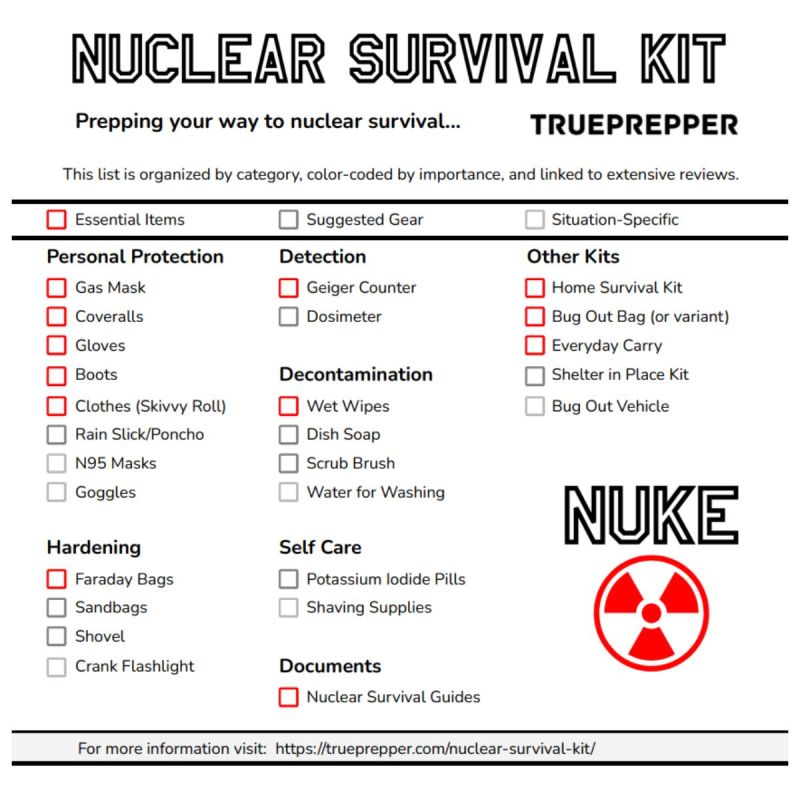
Credit: trueprepper.com
Clothing And Personal Protection
Clothing and personal protection are vital parts of any survival kit. The right clothes keep you safe and comfortable in tough conditions. They protect your skin, regulate your body temperature, and shield you from hazards.
Choosing the right items prepares you for weather changes and other risks. Lightweight, durable, and multi-purpose clothing is best for survival situations. You must also consider gear that protects your body from injuries and insects.
Weather-appropriate Apparel
Choose clothes that match the climate you expect to face. Layering works well to adjust to temperature changes. Include items like:
- Moisture-wicking base layers
- Insulating mid-layers
- Waterproof and windproof outer layers
- Quick-dry socks and underwear
- A sturdy hat or beanie
Proper footwear is essential. Pick boots that protect and support your feet on rough terrain. Pack extra socks to keep feet dry and blister-free.
Protective Gear
Protective gear guards you against injuries and environmental dangers. Include items such as:
- Gloves to protect hands from cuts and cold
- Durable pants to shield legs
- A reliable face mask or scarf for dust and debris
- Safety goggles to protect eyes
- A helmet if in risky areas
Choose gear made from tough, tear-resistant materials. Comfort and mobility remain important for survival tasks.
Insect And Sun Protection
Insect bites and sunburns can cause serious problems outdoors. Protect yourself with:
- Insect repellent with DEET or natural alternatives
- Long-sleeve shirts and pants to reduce skin exposure
- Wide-brimmed hats for sun protection
- Sunglasses with UV protection
- Sunscreen with high SPF rating
Use these items daily to avoid infections and heat-related illnesses. They improve comfort and keep you healthy during survival situations.
Additional Survival Items
When assembling a survival kit, the basics like food, water, and first aid are essential. But what about the additional items that can make a huge difference when you’re in a tough situation? These extras aren’t just nice to have—they can protect your health, comfort, and even your identity. Let’s look at some key additional survival items you should consider including.
Emergency Blankets And Sleeping Bags
Emergency blankets and sleeping bags are lightweight and compact but offer vital protection against cold weather. They can prevent hypothermia by retaining your body heat when temperatures drop unexpectedly. Have you ever been caught outside on a chilly night wishing you had something to keep you warm?
Choose mylar blankets for their heat-reflective properties or compact sleeping bags designed for extreme conditions. These items also serve as ground covers or rain shelters, adding versatility to your kit.
Personal Hygiene Supplies
Keeping clean might seem less important when survival is on the line, but neglecting hygiene can lead to infections and illness. Include essentials like biodegradable soap, toothbrushes, toothpaste, and hand sanitizer to maintain basic cleanliness.
Don’t forget items like feminine hygiene products and wet wipes—they are crucial for comfort and health. When you stay clean, your immune system stays stronger, giving you an edge in tough situations.
Important Documents And Cash
Protect your identity and ensure access to resources by keeping copies of vital documents in your survival kit. Include IDs, medical records, insurance papers, and emergency contact information stored in waterproof bags.
Also, carry some cash in small denominations. Card payments or ATMs might not be available during emergencies, but cash can help you secure supplies or transportation quickly.
Frequently Asked Questions
What Essential Items Should A Survival Kit Contain?
A survival kit should include water, non-perishable food, a first aid kit, fire starters, and a multi-tool. It’s crucial to have a flashlight, emergency blanket, and whistle for signaling help. These items ensure basic survival needs are met in emergencies.
How Much Water Is Needed In A Survival Kit?
A survival kit should contain at least one gallon of water per person per day. Water is vital for hydration, cooking, and hygiene. Carrying water purification tablets or filters is also helpful when clean water is unavailable.
Why Include A First Aid Kit In A Survival Kit?
A first aid kit helps treat injuries quickly, preventing infections and complications. It should contain bandages, antiseptics, pain relievers, and any personal medications. Proper medical supplies increase survival chances during emergencies and accidents.
What Tools Are Best For A Survival Kit?
Essential tools include a multi-tool, knife, fire starter, and a flashlight with extra batteries. These tools aid in shelter building, food preparation, and navigation. Having reliable tools enhances your ability to handle unexpected situations effectively.
Conclusion
A well-prepared survival kit is essential for emergencies. It keeps you safe and ready. Include basic items like food and water. Don’t forget a first aid kit. A flashlight and batteries are crucial. Add a multi-tool for various tasks. Pack extra clothes for warmth.
Consider personal needs like medication. Always update your kit regularly. Check expiration dates and replace items. Being prepared brings peace of mind. Remember, your safety depends on it. Stay ready, stay safe.