Imagine facing an emergency and realizing you don’t have what your family needs to stay safe. That feeling of unpreparedness can be overwhelming.
But it doesn’t have to be that way. You can take control now by learning how to prepare survival kits and materials tailored for your family. This guide will show you simple, practical steps to gather everything you need—so you can protect your loved ones when it matters most.
Keep reading, and you’ll discover how easy it is to be ready for anything.

Credit: premierbodyarmor.com
Choosing The Right Container
Choosing the right container is key to keeping your family’s survival kit safe and organized. The container must protect contents from damage and be easy to carry. It should suit your family’s needs and the environment you expect. Containers come in many shapes and materials, so pick one that fits your plan.
Durable And Waterproof Options
Durability is essential for survival kits. The container must withstand drops, pressure, and rough handling. Plastic containers made of high-density polyethylene or polypropylene are strong and resist cracks. Metal boxes offer excellent protection but can be heavy. Waterproof containers keep supplies dry during floods or rain. Look for containers with rubber seals or gasket lids to block water. Waterproof bags with roll-top closures also work well for smaller kits.
Size And Portability Considerations
The container size depends on how many people you plan to support. A family kit needs enough room for food, water, first aid, and tools. Avoid containers that are too large or bulky. They become hard to carry and store. Choose a size that fits in your car or home storage space. Portability is important if you must evacuate quickly. Containers with handles or wheels make moving easier. Lightweight materials reduce fatigue during transport.
Basic Survival Supplies
Basic survival supplies form the foundation of any family emergency kit. These items support life and health during a crisis. Choosing the right supplies ensures your family stays safe and comfortable.
Focus on essentials that cover daily needs. Prioritize food, water, and medical items. Keep the kit compact but complete. Replace expired products regularly to maintain readiness.
Food And Water Essentials
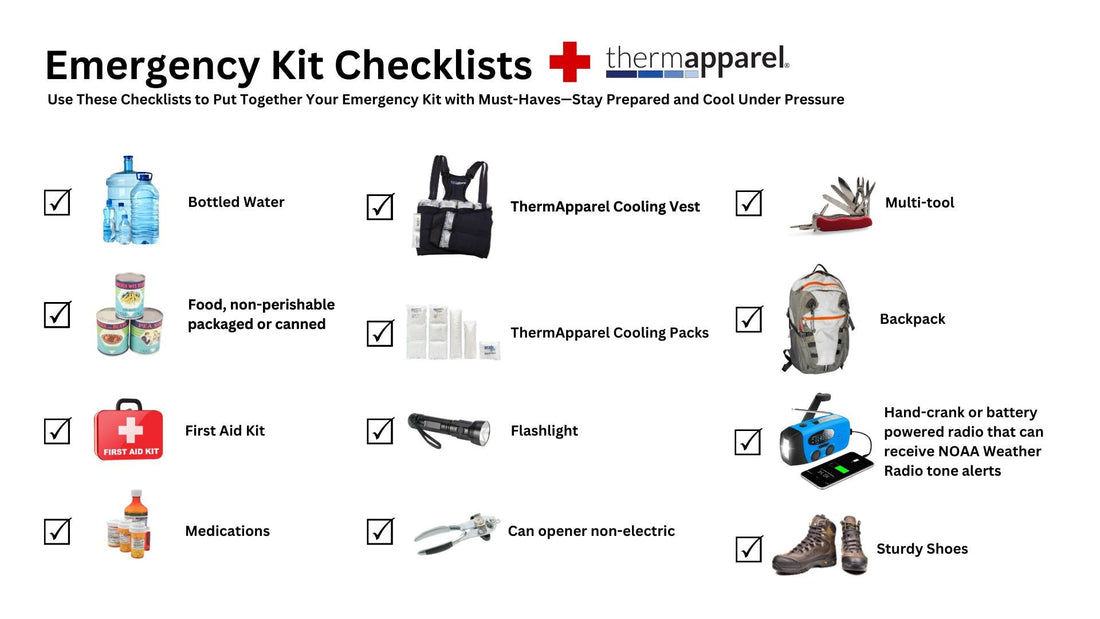
Food and water are critical for survival. Store enough water for each family member for at least three days. Aim for one gallon per person per day.
- Bottled water sealed and stored in a cool place
- Water purification tablets or filters
- Non-perishable foods like canned goods, dry cereals, and nuts
- Ready-to-eat meals and energy bars
- Manual can opener for canned foods
Rotate food supplies every six months. Avoid foods that require refrigeration or cooking.
First Aid And Medical Items
A complete first aid kit is vital. It treats minor injuries and prevents infection. Include items for common family health needs.
- Adhesive bandages in various sizes
- Antiseptic wipes and ointments
- Gauze pads, medical tape, and scissors
- Pain relievers like acetaminophen or ibuprofen
- Thermometer and tweezers
- Any prescription medications with copies of prescriptions
- Allergy medication and emergency inhalers if needed
Store all medical supplies in a waterproof container. Check expiration dates and replace items yearly.
Tools And Equipment
Preparing tools and equipment is vital for a family survival kit. These items help with daily tasks and emergencies. Choosing the right tools ensures safety and efficiency. Pack items that serve multiple purposes and are easy to carry.
Multi-tools And Knives
Multi-tools combine several useful functions in one device. They often include pliers, screwdrivers, scissors, and knives. A sturdy knife is essential for cutting, preparing food, and self-defense. Choose tools with strong, rust-resistant materials. Look for compact designs that fit in pockets or bags. Practice using them safely before an emergency occurs.
Fire Starters And Lighting
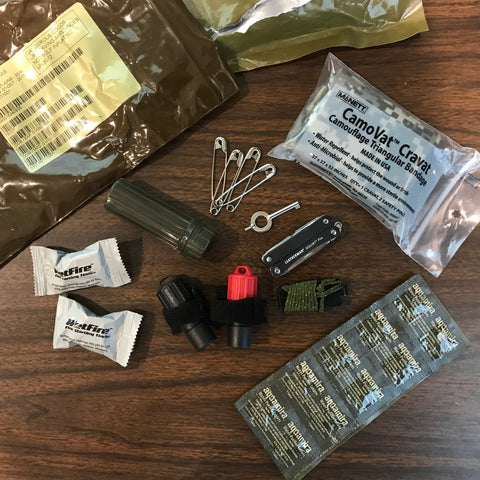
Fire starters are crucial for warmth, cooking, and signaling. Carry waterproof matches, lighters, or magnesium fire starters. These options work well even in wet conditions. Reliable lighting helps navigate in the dark and boosts morale. Include LED flashlights or headlamps with extra batteries. Solar or crank-powered lights are good backups. Keep all fire and light tools in a waterproof case.

Credit: trueprepper.com
Clothing And Shelter
Clothing and shelter form the backbone of any family survival kit. They protect from harsh weather and provide comfort during emergencies. Choosing the right items ensures safety and helps maintain health in tough situations. Proper preparation means selecting gear that fits your climate and family needs.
Weather-appropriate Apparel
Clothing must match the environment you expect to face. Layering works best for changing weather. Start with a moisture-wicking base layer to keep skin dry. Add an insulating layer for warmth. Finish with a waterproof outer layer to block rain and wind.
- Choose durable fabrics that dry quickly.
- Pack extra socks and underwear for hygiene.
- Include hats and gloves for cold weather.
- Opt for breathable clothes in hot climates.
- Use bright colors for visibility if needed.
Portable Shelter Solutions
A shelter provides crucial protection from elements and insects. It should be light and easy to set up. Consider compact tents or tarps that offer versatile coverage. Sleeping bags or emergency blankets add warmth and comfort.
- Choose waterproof materials to stay dry.
- Pick shelters with good ventilation to avoid moisture buildup.
- Include stakes and ropes for secure installation.
- Test setup before emergencies to save time.
- Store shelters in waterproof bags for easy transport.
Communication And Navigation
Effective communication and navigation tools are essential for keeping your family safe during emergencies. You need reliable ways to stay informed and find your way when usual systems fail. Preparing these tools thoughtfully can make a huge difference in how you respond to unexpected situations.
Emergency Radios
Emergency radios keep you connected to important updates when other communication channels go down. Look for radios that receive NOAA weather alerts and have multiple power options like hand crank, solar, and batteries. This ensures you can tune in regardless of power availability.
Consider radios with a built-in flashlight and USB charging ports to add extra utility. Imagine being caught in a blackout—having a radio that also lights your path and charges your phone can be a game changer. Have one radio per family member or a shared one that everyone knows how to operate.
Maps And Compass
Smartphones can fail, but a physical map and compass never will. Choose detailed local maps that cover your home area and potential evacuation routes. Practice reading them with your family so everyone feels confident using these tools under pressure.
Keep your compass in a waterproof case and pair it with a map marked with key landmarks and safe zones. Ask yourself: If technology fails, can you still find your way to safety? Training your family in basic navigation skills is as important as packing the tools themselves.
Personal Hygiene And Safety
Maintaining personal hygiene and safety is crucial when preparing survival kits for your family. Cleanliness helps prevent illness, while safety gear protects against injury and environmental hazards. These essentials ensure your family stays healthy and secure during emergencies.
Sanitation Supplies
Stocking up on sanitation supplies is a must. Include items like biodegradable soap, hand sanitizer with at least 60% alcohol, and disinfectant wipes. These help reduce germs when water is limited.
Don’t forget personal hygiene basics such as toothbrushes, toothpaste, and feminine hygiene products. Adding a portable toilet or waste disposal bags can prevent contamination in temporary shelters.
Think about how often your family uses these items daily. Can you pack enough to last several days or even weeks? Planning for hygiene needs keeps everyone comfortable and less prone to sickness.
Protective Gear
Protective gear shields you from environmental dangers and injuries. Include sturdy gloves, face masks or respirators, and safety goggles in your kit. These protect against dust, debris, and airborne contaminants.
Consider the specific risks in your area—do you need insect repellent or sun protection? Adding hats, long sleeves, and durable shoes enhances safety in outdoor conditions.
Have you tested this gear with your family? Familiarity with protective items reduces panic and improves response during real emergencies.
Customizing Kits For Family Needs
Customizing survival kits for your family means thinking beyond the basics. Each member has unique needs that can make a big difference in an emergency. Tailoring your supplies ensures everyone stays safe, comfortable, and cared for when it matters most.
Children And Elderly Considerations
Children and elderly family members require special attention in survival kits. Young kids may need smaller clothing, comfort items like a favorite toy, or specific medications. Elderly individuals often have prescriptions, hearing aids, or mobility aids that must be included.
Don’t forget to add easy-to-use items. For instance, packaging snacks in bite-sized portions helps little ones, while large-print instructions assist older adults. Think about their daily routines and health conditions—what do they absolutely need to feel secure?
Pet Survival Supplies
Your pets rely on you during a crisis just as much as your family does. Their survival kit should include:
- Enough food and water for at least three days
- Leashes, carriers, or crates for safe transport
- Medical records and any medications
- Comfort items like favorite blankets or toys
Have you ever experienced a disaster and struggled to care for your pet? Preparing in advance not only keeps them safe but also reduces your stress. Pets can sense tension, so having their needs met helps everyone stay calm.
Credit: www.victoria.ca
Maintaining And Updating Kits
Maintaining and updating your family’s survival kits is just as important as assembling them. Kits that sit untouched can become ineffective if items expire or get damaged. Regular attention ensures your family stays prepared and confident, no matter what happens.
Regular Inventory Checks
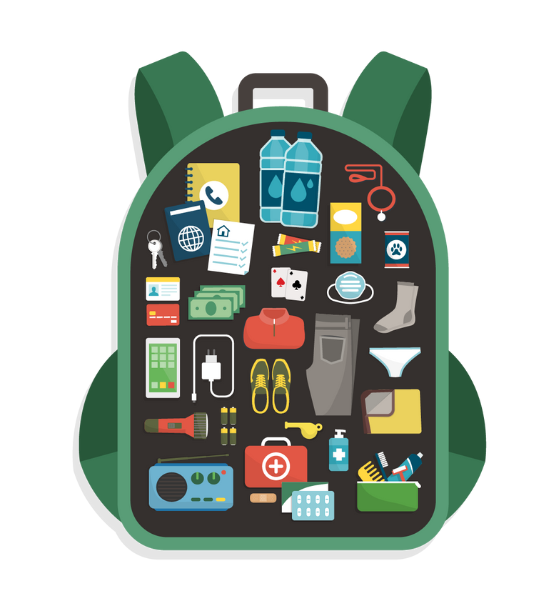
Set a reminder to check your kits every few months. Open the kit and go through each item one by one. Make a checklist to track what you have and what might be missing or low in quantity.
During these checks, ask yourself: Are the batteries still good? Is the water supply clean and within its shelf life? Have your family’s needs changed, requiring new items?
In my experience, a quick monthly glance saved us from relying on expired medications and dead flashlights during a power outage. Keeping a simple log helps you stay organized and aware.
Replacing Expired Items
Expiration dates matter, especially for food, medicine, and water. Replace these items as soon as they near their expiry to avoid surprises when you need them most.
Keep a separate list of perishable goods and review it alongside your inventory checks. Swap out canned goods, energy bars, and first aid supplies before they lose effectiveness.
Think about adding fresh items gradually instead of all at once. This spreads out the cost and effort, making kit upkeep manageable for your family.
- Check expiration dates on medications and replace as needed.
- Rotate food supplies regularly—use older items first in your daily meals.
- Store water in clean, sealed containers and replace every six months.
How often do you review your kits? Could a simple routine update make a big difference in an emergency?
Frequently Asked Questions
What Essential Items Go Into A Family Survival Kit?
A family survival kit should include water, non-perishable food, first aid supplies, flashlights, batteries, and a multi-tool. Also add blankets, hygiene products, and important documents. These items ensure basic needs and safety during emergencies.
How Often Should Survival Kit Materials Be Updated?
Update your survival kit materials every six months. Check expiration dates on food, water, and medications. Replace used or damaged items promptly. Regular updates keep your kit ready and reliable for any emergency situation.
How To Customize A Survival Kit For Family Size?
Tailor your survival kit by including enough food, water, and supplies per family member. Consider ages, health needs, and pets. This customization ensures everyone’s safety and comfort during emergencies.
Where Is The Best Place To Store A Family Survival Kit?
Store your survival kit in an easily accessible, dry, and cool location. Common spots include a designated closet or garage shelf. Accessibility ensures quick retrieval during emergencies.
Conclusion
Preparing a survival kit for your family takes time and care. Start with basic needs like water, food, and first aid. Think about each family member’s needs. Check your supplies regularly and replace what expires. Keep your kit easy to carry and store.
Practice using your kit with your family. Being ready can reduce stress during emergencies. Small steps today can protect your loved ones tomorrow. Stay safe and prepared always.