When it comes to emergency food, knowing how long it will last can make all the difference in a crisis. You might wonder why some canned goods stay fresh for years, while others spoil much sooner.
Understanding what affects the shelf life of your emergency food helps you make smarter choices and keeps you prepared when it matters most. You’ll discover the key factors that impact how long your food stays safe and tasty. Keep reading to protect your supplies and ensure your peace of mind.
Ingredients Impact
The ingredients used in emergency food play a huge role in determining how long it will last on your shelf. Each component interacts differently with time, temperature, and storage conditions. Understanding these impacts helps you choose the best products and store them properly to maximize shelf life.
Preservatives Role
Preservatives are key to extending the life of emergency food. They slow down or stop the growth of bacteria, molds, and yeasts that cause spoilage.
Common preservatives like salt, sugar, and citric acid create environments where microbes struggle to survive. You might notice that foods with natural preservatives tend to last longer without refrigeration.
Have you checked the ingredient list for preservatives before buying emergency food? It can be a quick way to predict how long your supplies will stay fresh.
Moisture Content
Moisture is a silent enemy when it comes to food storage. High moisture levels encourage microbial growth and speed up spoilage.
Dry foods, like dehydrated fruits or freeze-dried meals, often have a much longer shelf life because the low moisture prevents bacteria and mold from growing. Think about how crackers stay crunchy much longer than fresh bread.
Managing moisture by using airtight packaging or desiccants can make a big difference in how long your emergency food stays edible.
Fat And Oil Types
Fats and oils in emergency food can be both a blessing and a curse. They provide necessary calories but are prone to oxidation, which leads to rancidity.
Oils high in unsaturated fats, like vegetable oils, go bad faster than saturated fats such as coconut oil. Products with stable fats tend to last longer without developing off-flavors.
Have you noticed the smell of old cooking oil? That rancid odor signals fat breakdown, which reduces food safety and taste. Choosing emergency foods with stable fats or those treated to prevent oxidation helps keep your supplies fresh.
Packaging Influence
Packaging plays a crucial role in determining how long your emergency food stays fresh and safe to eat. It acts as the first line of defense against elements that cause spoilage, such as moisture, air, and light. Understanding how packaging influences shelf life helps you choose the best options for your emergency supplies.
Material Types
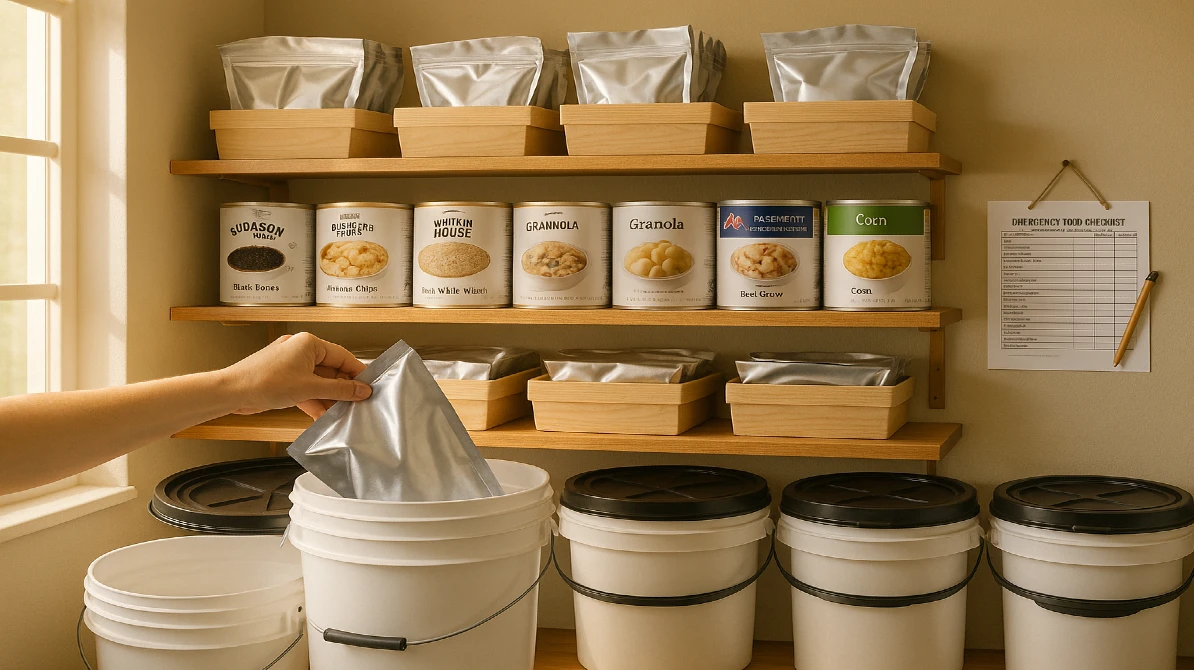
The type of material used in packaging significantly impacts the food’s durability. Common materials include plastic, aluminum foil, and mylar. Each offers different levels of protection; for instance, mylar bags are excellent at blocking light and moisture, extending shelf life dramatically.
Think about the foods you’ve stored before—did they last as long as you hoped? This often comes down to the packaging material quality. Choosing a robust, food-safe material can prevent spoilage and preserve taste.
Sealing Methods
How well your food is sealed matters just as much as the material. Sealing methods like heat sealing or vacuum sealing remove air and create airtight environments that slow down oxidation and bacterial growth. A poorly sealed package can let in moisture or pests, ruining your emergency food.
Have you ever opened a bag of snacks only to find them stale? That’s a simple example of inadequate sealing. Investing in good sealing tools or packaging can save you from unpleasant surprises when you need your emergency food the most.
Oxygen Barrier
Oxygen is one of the biggest enemies of shelf life. Packaging that provides a strong oxygen barrier prevents the food inside from reacting with air, which causes spoilage and nutrient loss. Materials like metallized films or vacuum-sealed pouches are designed to keep oxygen out effectively.
Ask yourself: does your emergency food packaging block oxygen well enough? If not, your food could degrade faster than expected, leaving you with less reliable supplies. Selecting packaging with excellent oxygen barrier properties ensures your food stays safe and nutritious longer.
Storage Conditions
Storage conditions play a crucial role in determining how long your emergency food will remain safe and nutritious. Even the best-packaged meals can spoil quickly if kept in the wrong environment. Understanding the impact of temperature, humidity, and light exposure can help you extend the shelf life of your emergency supplies.
Temperature Effects
Temperature is one of the most significant factors affecting emergency food shelf life. Heat speeds up chemical reactions and promotes bacterial growth, causing food to degrade faster.
Keep your food stored in a cool, stable environment. Ideally, temperatures should stay below 75°F (24°C). If you’ve ever forgotten a can of beans in a hot garage, you know how quickly the quality drops.
Cold temperatures slow down spoilage but avoid freezing unless the food package specifies it’s safe. Sudden temperature changes can cause condensation, which leads to moisture problems.
Humidity Levels
Excess moisture is a hidden enemy to emergency food. High humidity encourages mold growth and can cause packaging to weaken or break.
Use airtight containers and moisture absorbers like silica gel packets to keep humidity low. A dry basement or climate-controlled closet usually works well.
Think about how you store grains or dehydrated foods—they must stay dry or they’ll clump, spoil, or attract pests. How often do you check your storage area for dampness?
Light Exposure
Light, especially sunlight or fluorescent lighting, can degrade nutrients and flavors in emergency food. It can cause fats to become rancid and vitamins to break down.
Store your food in opaque containers or dark places to minimize light exposure. Even pantry shelves near windows can shorten shelf life.
Have you noticed how some foods lose color or smell “off” after sitting in bright light? That’s a clear sign light damage. Protect your supplies like you would a delicate collectible.
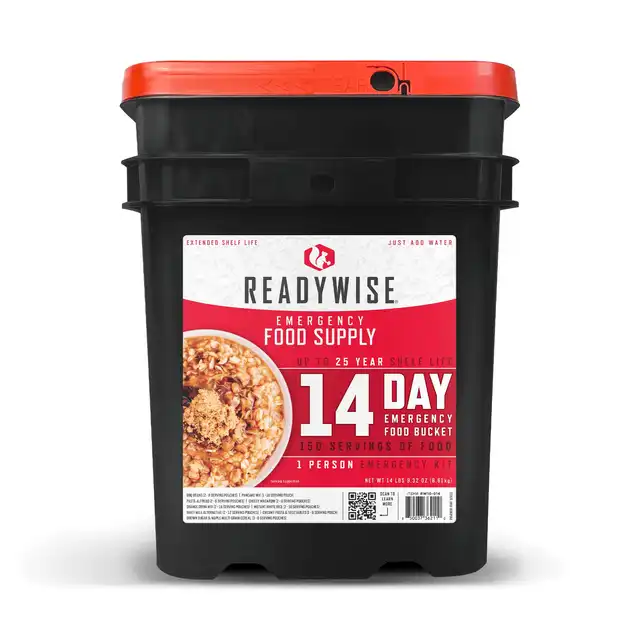
Credit: www.guidefitter.com
Processing Techniques
Processing techniques play a crucial role in determining the shelf life of emergency food. The way food is treated affects its moisture content, nutrient retention, and resistance to spoilage. Understanding these techniques helps you choose products that will last longer and maintain quality during storage.
Dehydration Methods
Dehydration removes water from food, which slows down microbial growth and enzyme activity. This process can be done through air drying, sun drying, or using specialized dehydrators. Each method impacts the texture and taste differently, but all significantly extend shelf life by reducing moisture.
If you’ve ever dried fruits at home, you know how much lighter and crispier they become. The key is lowering moisture below 20%, which keeps bacteria from thriving. Dehydrated emergency foods are lightweight and easy to store, making them a practical choice for long-term preparedness.
Freeze-drying Benefits
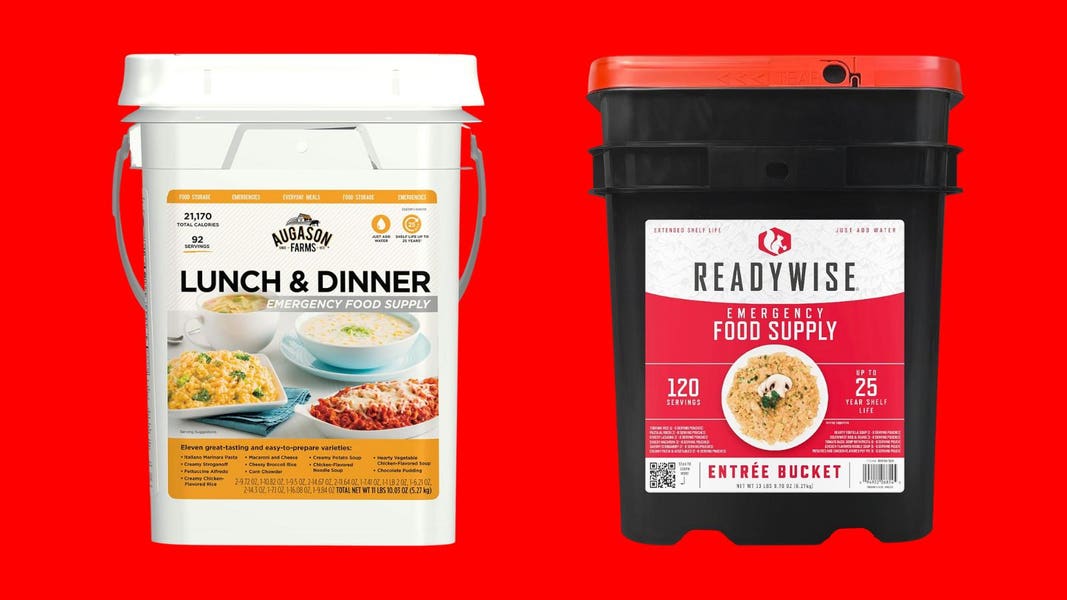
Freeze-drying removes moisture by freezing the food and then reducing surrounding pressure to allow water to sublimate directly from ice to vapor. This method preserves the food’s structure, color, and nutrients better than dehydration. Freeze-dried foods can last 25 years or more without refrigeration.
Have you noticed how freeze-dried fruit tastes almost like fresh fruit? That’s because this process preserves flavor and nutrients exceptionally well. It’s a great option if you want emergency food that stays tasty and nutritious over long periods.
Heat Treatment
Heat treatment involves applying high temperatures to kill bacteria, yeasts, and molds. Common techniques include canning, pasteurization, and sterilization. These methods ensure food safety and extend shelf life by preventing microbial growth.
But heat can also change food texture and reduce some vitamins. For example, canned vegetables last long but might lose some crispness and vitamin C. Balancing heat treatment with nutrient preservation is key for reliable emergency food.
Shelf Life Indicators
Understanding the shelf life of emergency food helps keep your supplies safe and useful. Certain indicators reveal how long the food stays good. These signs help you decide if the food is still fit to eat. Paying attention to these factors can prevent health risks.
Expiration Dates
Expiration dates show the estimated time food stays safe and tasty. These dates come from manufacturers after testing. Use them as a guide, not a strict rule. Foods might last longer if stored properly. Always check the date before eating emergency food.
Sensory Changes
Look for changes in color, smell, and texture. Spoiled food often looks different or smells bad. Texture might become soft, hard, or slimy. Taste changes also warn about spoilage. Trust your senses to detect if food is no longer good.
Nutritional Value Loss
Over time, food loses vitamins and minerals. Nutritional value drops even if food looks fine. This affects how well the food supports your health. Store emergency food in cool, dry places to slow this loss. Rotate your stock to keep nutrients fresh.

Credit: 72hours.ca
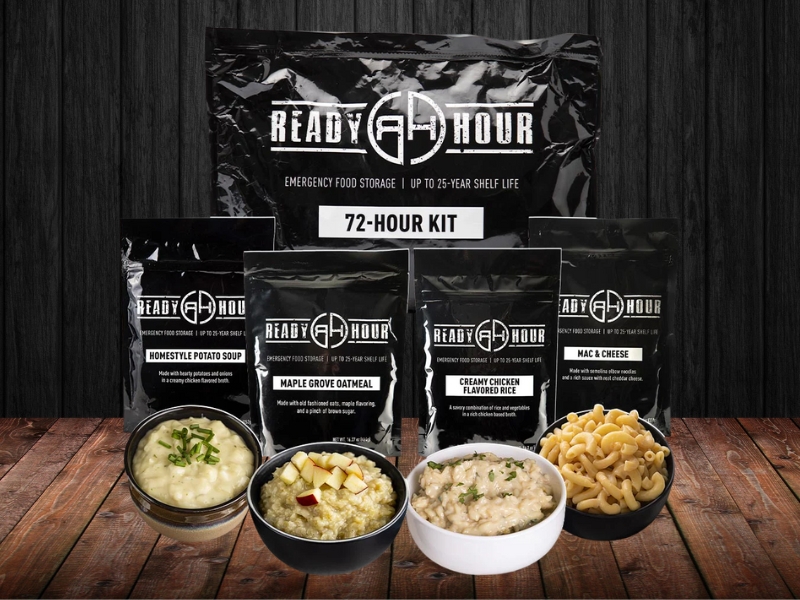
Credit: www.newswire.com
Frequently Asked Questions
What Factors Influence Emergency Food Shelf Life?
Temperature, moisture, packaging, and food type significantly affect emergency food shelf life. Proper storage slows spoilage and nutrient loss.
How Does Packaging Affect Emergency Food Longevity?
Airtight, moisture-proof packaging prevents contamination and oxidation, extending shelf life. Vacuum-sealed and mylar bags are ideal choices.
Why Is Storage Temperature Important For Emergency Food?
Cool, stable temperatures slow chemical reactions and bacterial growth, preserving food quality longer. Avoid heat and direct sunlight.
Does Food Type Determine Emergency Food Shelf Life?
Yes, dehydrated and freeze-dried foods last longer than canned or fresh foods due to lower moisture content.
Conclusion
Shelf life of emergency food depends on many factors. Storage temperature plays a big role. Cooler places help food last longer. Packaging keeps food safe from air and moisture. The type of food also matters a lot. Some foods naturally stay fresh for years.
Check expiration dates often to avoid surprises. Proper care ensures your food stays good. Ready for emergencies means being prepared well. Small efforts now can save big trouble later. Keep these points in mind for safe, lasting emergency food.