Have you ever wondered how much emergency food you really need for just one person? When a crisis hits, having the right amount of food can make all the difference between stress and peace of mind.
But figuring out the exact quantity isn’t always simple. You’ll discover clear, practical guidelines to help you prepare smartly—without overbuying or running short. Keep reading to learn how to keep yourself safe and well-fed, no matter what happens.
Credit: readywise.com
Daily Calorie Needs
Knowing your daily calorie needs is essential when planning emergency food supplies. Calories provide the energy your body requires to perform basic functions like breathing, moving, and thinking. Without enough calories, your body will struggle to stay healthy and active during an emergency.
Factors Affecting Calorie Requirements
Calories needed vary widely from person to person. Your age, gender, and weight all influence how much energy you burn daily.
Physical activity plays a big role too. Someone who exercises regularly will need more calories than someone with a sedentary lifestyle.
Health conditions or stress levels can also change your calorie needs. For example, if you’re dealing with an illness or high stress, your body might require extra energy to heal and cope.
Average Calorie Intake For Adults
On average, adult women need about 1,800 to 2,400 calories a day. Adult men usually require between 2,200 and 3,000 calories daily.
These numbers provide a useful starting point, but your personal needs might be higher or lower. Think about your lifestyle and activity level when estimating your emergency food supply.
| Group | Average Daily Calories |
|---|---|
| Adult Women | 1,800 – 2,400 |
| Adult Men | 2,200 – 3,000 |
Imagine packing only 1,500 calories per day for yourself during an emergency. Would you feel energetic enough? Could your body handle that deficit? Planning with your true calorie needs in mind can make a huge difference in your comfort and survival.

Credit: www.forbes.com
Emergency Food Duration
Knowing how long your emergency food supply should last is crucial for effective preparedness. The duration depends on your situation, storage capacity, and the type of emergency you expect. Planning for the right length of time ensures you won’t run out of essentials when you need them most.
Short-term Vs Long-term Supplies
Short-term supplies typically cover anywhere from 3 days to 2 weeks. This range suits unexpected events like power outages or brief natural disasters. You’ll want easy-to-prepare, ready-to-eat foods that don’t require much cooking or water.
Long-term supplies extend beyond 2 weeks and can last several months or even years. These are for situations where you might be isolated or unable to access fresh food. Long-lasting items like freeze-dried meals, canned goods, and grains become important here.
Think about your own risks. Could you be stuck at home for a few days or weeks? Your answer will guide whether you focus on short-term or long-term stockpiles.
Recommended Supply Lengths
| Emergency Type | Recommended Food Supply Length | Examples of Suitable Foods |
|---|---|---|
| Power outage, minor storms | 3-7 days | Energy bars, canned soups, peanut butter |
| Natural disasters, temporary isolation | 2 weeks | Canned vegetables, rice, dried beans |
| Long-term crisis or displacement | 1 month or more | Freeze-dried meals, pasta, powdered milk |
Start with a minimum of 3 days and increase from there based on your personal needs. You might discover you prefer stocking up on a month’s worth of food for peace of mind. Have you thought about how long you could realistically go without fresh groceries?
Types Of Emergency Food
When preparing emergency food supplies, understanding the types of food you can store is essential. Different types offer varying benefits in terms of shelf life, nutrition, and ease of preparation. Knowing what suits your lifestyle and emergency needs helps you build a reliable food stockpile.
Non-perishable Staples
Non-perishable staples form the backbone of any emergency food supply. Items like rice, beans, pasta, canned vegetables, and peanut butter can last for years without refrigeration. These foods provide essential nutrients and can be combined in many ways to keep your meals interesting.
Consider storing a variety of grains and legumes to balance your diet. Do you know how long your canned goods can stay safe? Always check expiration dates and rotate your stock regularly to avoid waste.
Ready-to-eat Meals
Ready-to-eat meals are a lifesaver when you don’t have access to cooking facilities. These include canned soups, MREs (Meals Ready to Eat), and sealed snack packs. They require no preparation, making them perfect for quick energy during stressful situations.
Think about including meals with diverse flavors to prevent taste fatigue. Have you tested these meals before storing them? Trying them out ensures you know what you like and can handle in an emergency.
Freeze-dried Options
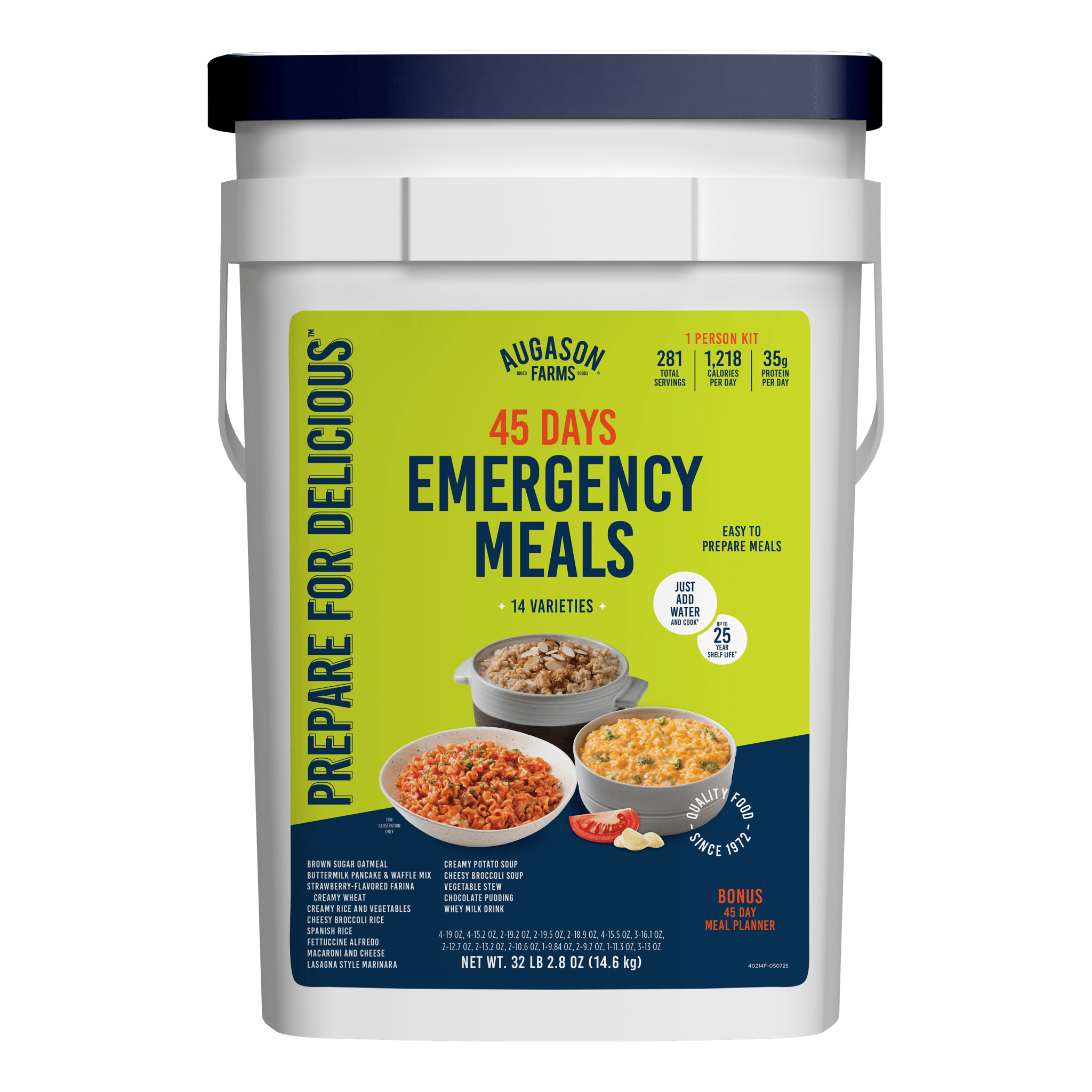
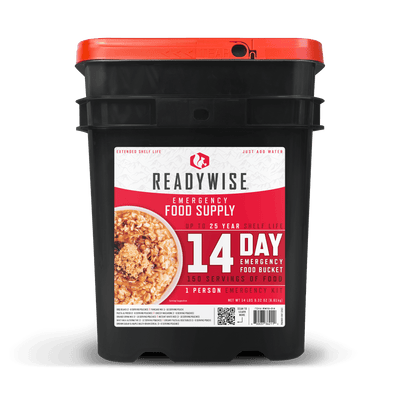
Freeze-dried foods offer a lightweight, long-lasting option ideal for emergency kits. Fruits, vegetables, meats, and complete meals can be freeze-dried to preserve nutrients and flavor. You only need to add water to rehydrate them, which is handy if fuel or cooking time is limited.
Freeze-dried foods often come in compact packaging, saving storage space. Are you prepared to rehydrate meals quickly? Practicing meal prep with freeze-dried foods can improve your readiness when every minute counts.
Calculating Food Quantities
Calculating food quantities for emergency preparedness requires careful planning. The goal is to store enough food to last through the emergency. Estimating the right amount helps avoid shortages or waste. Focus on daily needs and packaging sizes for easier storage and use.
Portion Sizes And Packaging
Portion sizes vary by food type and individual needs. Common emergency rations provide about 2,000 calories per day. Packaging affects shelf life and convenience. Choose sealed, airtight packages to keep food fresh longer. Bulk packages save space but might need repackaging for daily use.
- Single-serving packets for easy portion control
- Vacuum-sealed bags for longer storage
- Cans or jars for durable, stackable storage
Label packages with dates and contents. Rotate stock to keep food fresh. Plan portion sizes that match your appetite and activity level.
Balancing Nutrition And Calories
Calories provide energy, but nutrition keeps you healthy. Emergency food must include proteins, fats, and carbohydrates. Vitamins and minerals support immune function and energy. Avoid foods high in empty calories like sugary snacks.
| Nutrient | Role | Sources |
|---|---|---|
| Proteins | Repair and build tissues | Beans, nuts, canned meat |
| Fats | Energy and cell health | Oils, nuts, seeds |
| Carbohydrates | Quick energy | Rice, pasta, dried fruit |
| Vitamins & Minerals | Support body functions | Powdered greens, multivitamins |
Balance calorie intake with nutrient needs to stay strong. Track daily calorie needs based on age, weight, and activity. Adjust food quantities to meet these needs without excess.
Water Needs And Storage
Water is the cornerstone of any emergency food plan. Without enough clean water, even the best stockpile of food becomes useless. Understanding your daily water needs and how to store it safely ensures you stay hydrated and healthy during unexpected situations.
Daily Water Requirements
Your body needs water for every function, from digestion to temperature regulation. On average, an adult requires about 2 to 3 liters of water per day just to stay hydrated. However, this amount can increase based on activity level, climate, and health conditions.
Think about the last time you felt thirsty—did you drink enough to quench it? During emergencies, you should plan for at least one gallon (about 3.8 liters) per person per day. This covers drinking, cooking, and basic hygiene.
Safe Water Storage Tips
Storing water safely is just as important as having enough of it. Use food-grade water storage containers like BPA-free plastic or glass bottles. Avoid reusing containers that once held milk or juice because they can harbor bacteria.
Store your water in a cool, dark place away from chemicals and direct sunlight. Label containers with the date you filled them, and rotate your water supply every six months to keep it fresh.
- Keep water containers sealed tightly to prevent contamination.
- Consider adding water purification tablets or drops to extend shelf life.
- Have a backup plan for purifying water, such as boiling or using filters, in case stored water runs out.
Have you checked your current water storage lately? Small adjustments can make a big difference when you need it most.
Storage And Shelf Life
Storing emergency food properly is just as important as having the right amount. If your supplies go bad before you need them, they won’t help in a crisis. Knowing how to keep your food fresh and when to replace it can save you stress and wasted resources.
Optimal Storage Conditions
Keep your emergency food in a cool, dark, and dry place. Heat and sunlight speed up spoilage and reduce nutritional value. A basement or closet away from windows works well.
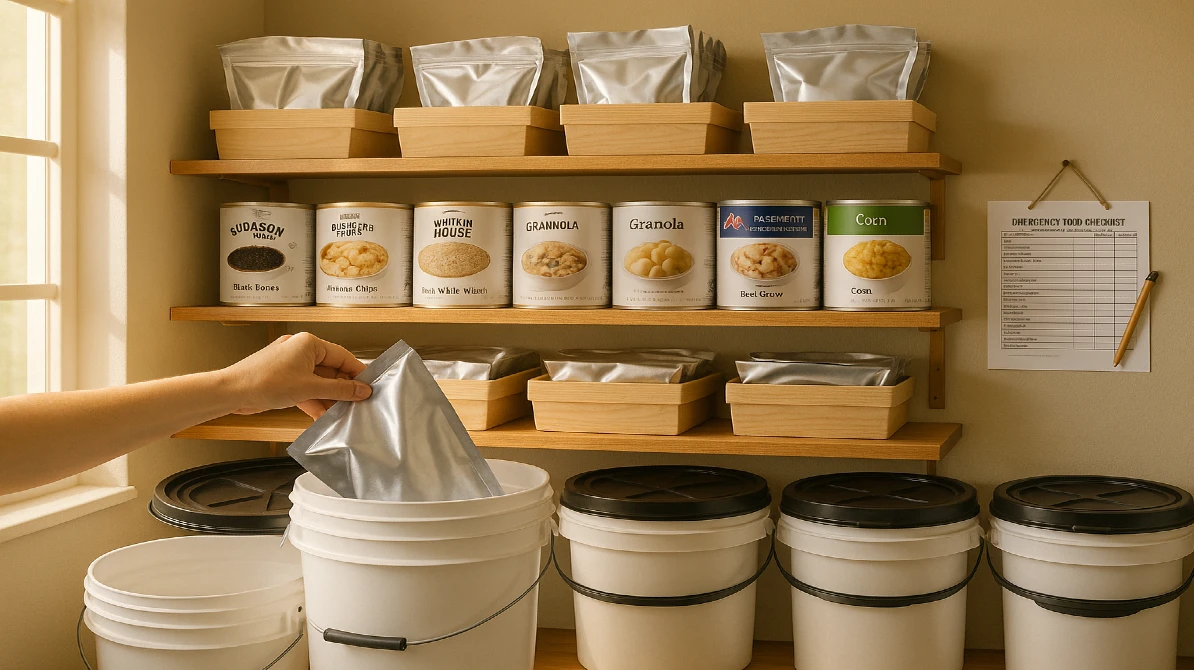
Use airtight containers to protect food from moisture and pests. Oxygen absorbers inside sealed bags can extend shelf life. Label containers with purchase dates so you know what to eat first.
Have you checked the temperature where you store your food? Ideally, it should stay below 75°F (24°C). Higher temperatures can cut shelf life in half or worse.
Rotating And Replacing Supplies
Rotation keeps your emergency food fresh and ready. Use the oldest items first and replace them with new ones. This habit prevents surprises when you open your stockpile.
Set a reminder every 6 months to review your supplies. Check expiration dates and inspect packaging for damage or leaks. Replace anything that looks questionable or has passed its date.
Think about how often you shop for groceries. Can you add emergency food items to your regular list to keep your stock updated? This small step makes rotation easier and less overwhelming.
Special Considerations
Special considerations play a key role in planning emergency food supplies. Basic calorie counts do not fit everyone. Tailoring food storage to individual needs ensures better health and comfort during emergencies.
Dietary Restrictions
Many people follow special diets due to allergies or health conditions. Common restrictions include gluten-free, lactose intolerance, or low-sodium diets. Emergency food should reflect these needs to avoid health risks.
Stocking a variety of options helps meet different dietary needs. Label food clearly to avoid confusion. Include alternatives like nut-free snacks or sugar-free items for diabetics.
Children And Elderly Needs
Children and elderly often need different nutrition and portion sizes. Kids require nutrient-rich foods that support growth. Elderly may need easy-to-digest meals with lower sodium.
Consider soft foods and hydration options. Include baby formula or special supplements if needed. Pack smaller, frequent meals for better energy and digestion.

Credit: www.goodhousekeeping.com
Packing And Organizing Supplies
Packing and organizing your emergency food supplies can make a huge difference when you need quick access during a crisis. The goal is to keep your food both easy to reach and manageable in size. If your supplies are cluttered or hard to find, you could waste valuable time and energy.
Compact And Portable Solutions
Choose containers that save space and protect your food. Vacuum-sealed bags and stackable plastic bins work well for keeping items fresh and organized. Think about your storage space—is it a closet, a backpack, or a small cabinet? Your packing should fit the place.
Portability matters if you need to grab your supplies fast. Smaller, lightweight packages are easier to carry and help you stay mobile. Have you tested carrying your emergency food kit? Try it to see if it’s comfortable and manageable.
Labeling And Inventory Management
Label every container clearly with the contents and expiration dates. Use waterproof markers or printed labels to avoid smudges. This simple step saves confusion and lets you use older food first.
Keep a written or digital inventory list to track what you have and when to replace it. Update it regularly to avoid surprises when you open your kit. You might be surprised how quickly items can expire if you don’t watch them closely.
Organize your list by food type, calories, or meal plans. This approach helps you plan balanced meals and ensures you don’t rely too much on one type of food. Have you thought about how many calories you really need per day? Knowing this helps you decide how much to store.
Frequently Asked Questions
How Much Emergency Food Is Needed For One Person?
One person typically needs about 1,200 to 1,500 calories daily in emergencies. Stockpile at least a two-week supply, totaling roughly 14 to 21 days of non-perishable food.
What Types Of Emergency Food Are Best For One Person?
Choose nutrient-dense, non-perishable foods like canned beans, rice, dried fruits, nuts, and freeze-dried meals. These offer long shelf lives and balanced nutrition for survival situations.
How Should Emergency Food Be Stored For One Person?
Store food in a cool, dry, and dark place. Use airtight containers or vacuum-sealed bags to protect from moisture, pests, and spoilage, ensuring food stays safe for months or years.
Can One Person Survive On Emergency Food Alone?
Yes, with proper planning, one person can survive on emergency food. Ensure the supply meets daily calorie and nutrient needs, and rotate stock regularly for freshness.
Conclusion
Having enough emergency food for one person is very important. Plan for at least three days of meals and water. Choose foods that last long and need little preparation. Store your supplies in a cool, dry place. Check your stock regularly and replace expired items.
Being ready brings peace of mind. Small steps now can make a big difference later. Stay safe by preparing well. Your future self will thank you.