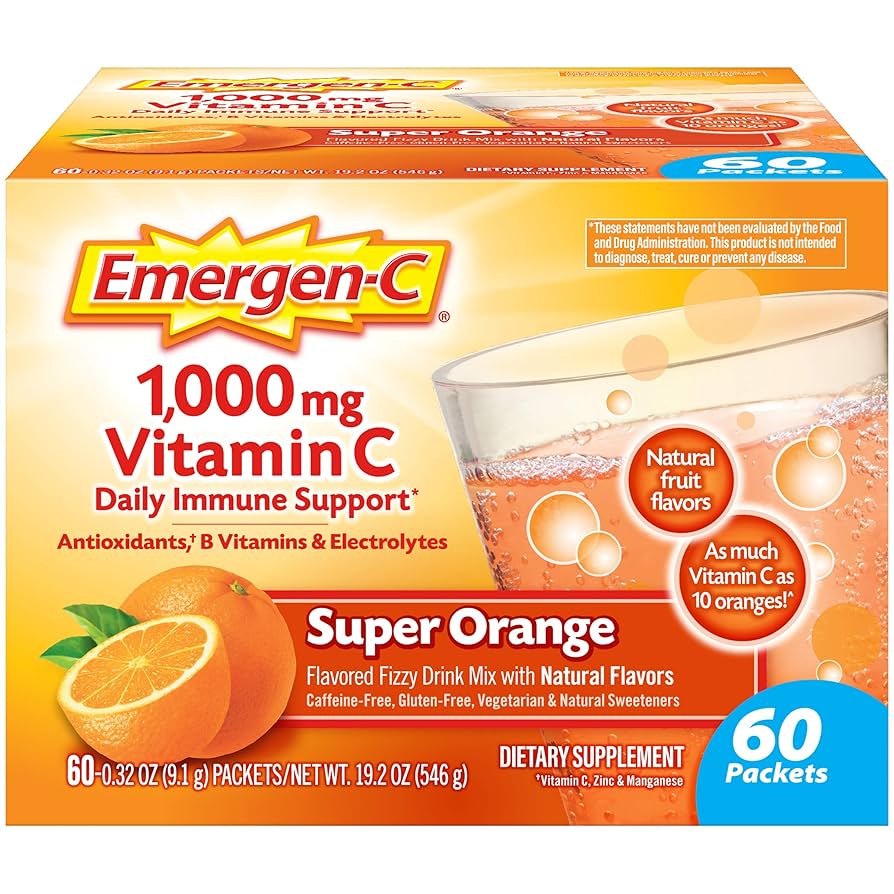
Are you wondering if Emergen-C fits into your whole food lifestyle? You’re not alone.
With so many supplements on the market, it’s tough to know which ones truly match your healthy eating goals. If you want to keep your diet clean and natural, understanding what’s inside Emergen-C is key. Keep reading to discover whether this popular vitamin boost aligns with whole food principles—and what that means for your health and wellness routine.

Credit: www.amazon.com
Emergen C Ingredients Breakdown
Understanding what goes into Emergen-C is essential if you want to know whether it’s whole food compliant. Breaking down its ingredients helps you see if the supplement aligns with your health goals and dietary preferences. Let’s take a closer look at the components that make up this popular vitamin drink mix.
Key Vitamins And Nutrients
Emergen-C is known for its high vitamin C content, providing 1,000 mg per serving, which supports your immune system.
It also contains B vitamins like B6, B12, niacin, and riboflavin, which help boost energy and support metabolism.
Additionally, it includes minerals such as zinc and electrolytes like potassium and magnesium, aiding hydration and overall wellness.
Additives And Preservatives
You’ll find citric acid and natural flavors listed as additives, which help with taste and preservation.
Some versions contain sweeteners like sucralose, which is artificial and might not suit those avoiding non-natural ingredients.
Check for colors derived from natural sources, but be aware that some artificial dyes may be present depending on the product variant.
Source Of Ingredients
While Emergen-C boasts a blend of vitamins and minerals, many of these nutrients come from synthetic sources rather than whole foods.
The vitamin C is often ascorbic acid produced in labs, not extracted directly from fruits or vegetables.
For you, this means the product may not meet strict whole food standards, which prioritize nutrients from natural, unprocessed foods.
Criteria For Whole Food Compliance
Understanding the criteria for whole food compliance is essential if you want to evaluate whether a supplement like Emergen-C fits into a whole food lifestyle. Whole food compliance isn’t just about natural ingredients; it’s about how those ingredients are sourced, processed, and preserved. Let’s break down what defines whole food compliance to help you make informed choices about your supplements.
What Qualifies As Whole Food
Whole foods are foods that are as close to their natural state as possible. This means minimal processing, no artificial additives, and retaining the nutrients naturally found in the original food. Think fresh fruits, vegetables, nuts, seeds, and grains.
Does the product contain isolated vitamins or synthetic compounds? If yes, it likely doesn’t meet whole food standards. Whole food compliance often requires ingredients that come from real, recognizable food sources rather than chemically derived substances.
Common Standards And Certifications
Several certifications help identify whole food compliance. Look for labels such as:
- USDA Organic:Ensures ingredients are grown without synthetic pesticides or fertilizers.
- Non-GMO Project Verified:Confirms ingredients are not genetically modified.
- Certified Whole Food:Less common but indicates minimal processing and natural sourcing.
These certifications don’t guarantee a product is 100% whole food compliant but provide a strong indication. Have you checked for these labels on your supplements before? They can help you avoid hidden additives or synthetic ingredients.
Comparing Emergen C To Whole Food Standards
Comparing Emergen C to whole food standards helps clarify its place in a healthy diet. Whole food supplements come from real foods with minimal processing. Emergen C is popular for vitamin C and other nutrients. Understanding its ingredients and production is key to knowing if it meets whole food criteria.
Natural Vs Synthetic Components
Emergen C contains both natural and synthetic ingredients. Its vitamin C is mostly ascorbic acid, made in labs. Other vitamins, like B vitamins, are often synthetic too. Whole food supplements use vitamins extracted directly from fruits or vegetables. This difference affects how the body absorbs and uses the nutrients. Synthetic vitamins can work well but do not come from whole foods.
Processing Methods Impact
Emergen C undergoes extensive processing to become a powder. It starts with isolated vitamins mixed with flavorings, sweeteners, and fillers. Whole food supplements use gentle processes to preserve natural nutrients. Heavy processing can remove fiber and other beneficial compounds found in whole foods. This affects the final product’s nutritional quality and how natural it feels.

Credit: www.amazon.com
Health Implications Of Emergen C
Understanding the health implications of Emergen-C is crucial, especially if you’re thinking about adding it to your daily routine. This popular supplement claims to boost your immune system and provide essential vitamins, but it’s important to look beyond the marketing. Let’s break down what you need to know about its benefits and potential drawbacks, so you can decide if it fits your health goals.
Benefits Of Supplementation
Emergen-C offers a quick and convenient way to increase your intake of vitamin C and other nutrients like B vitamins and electrolytes.
Vitamin C plays a key role in supporting your immune system and helping your body fight off infections. Many users report feeling more energized and less prone to colds when they take it regularly.
- Supports immune function
- Helps reduce fatigue thanks to B vitamins
- Provides electrolytes for hydration
Personally, I found that taking Emergen-C during flu season gave me an extra layer of protection, especially on days packed with work and little sleep. But is convenience worth the trade-off if the ingredients don’t align with your whole food standards?
Potential Concerns With Non-whole Food Ingredients
Emergen-C contains synthetic vitamins and other additives that may not meet whole food compliance standards.
Many of the nutrients in the product are lab-made rather than extracted from natural food sources. This raises questions about how well your body absorbs and uses these synthetic compounds compared to whole foods.
- Artificial sweeteners and flavorings can cause sensitivities in some people
- Synthetic vitamins might not provide the same benefits as food-based nutrients
- Excessive intake of isolated nutrients may upset your nutrient balance
Think about this: if your goal is to nourish your body with natural, unprocessed ingredients, does a synthetic supplement like Emergen-C support that vision? You might want to weigh the quick boost against the long-term impact on your health.
Alternatives To Emergen C
If you’re questioning whether Emergen-C fits into a whole food lifestyle, you might also be curious about other options that align better with natural nutrition principles. Luckily, there are alternatives that deliver vitamin C and other nutrients without relying on synthetic ingredients. These choices often bring added benefits from real fruits and vegetables.
Whole Food-based Vitamin Supplements
Whole food-based supplements come from concentrated fruits, vegetables, and herbs. They provide vitamins in their natural form, along with fiber, antioxidants, and trace minerals that synthetic pills often lack.
Look for supplements made from ingredients like acerola cherries, camu camu berries, or organic rose hips. These not only offer vitamin C but also support your immune system with additional plant compounds.
Many people find these options easier on the stomach and notice better absorption. Have you tried switching to a supplement derived from actual food sources? You might feel a difference in energy and immunity.
Diy Natural Vitamin Boosters
You can create your own vitamin C-rich drinks using fresh, whole ingredients. For instance, squeezing lemon or lime juice into water adds a natural dose of vitamin C without additives.
Try blending citrus fruits with berries like strawberries or kiwi for a nutrient-packed smoothie. Adding a handful of spinach or kale boosts your vitamin and mineral intake even more.
Making your own vitamin boosters lets you control what goes in and avoid artificial sweeteners or preservatives. What fresh ingredients are readily available in your kitchen right now? Experiment with them to craft a tasty, natural immunity boost.

Credit: www.amazon.com
Frequently Asked Questions
Is Emergen-c Compliant With Whole Food Standards?
Emergen-C is not fully whole food compliant. It contains synthetic vitamins and additives alongside natural ingredients, which disqualifies it from strict whole food categorization.
What Ingredients In Emergen-c Are Not Whole Food?
Emergen-C includes synthetic vitamin C, artificial flavors, and sweeteners. These components prevent it from being classified as a whole food supplement.
Can Emergen-c Be Part Of A Whole Food Diet?
Emergen-C can complement a whole food diet but shouldn’t replace whole food sources. It provides convenience but lacks the full nutrient spectrum of whole foods.
Are There Whole Food Alternatives To Emergen-c?
Yes, many supplements use only whole food sources for vitamins. Look for products labeled “whole food-based” or “food-derived nutrients” for natural alternatives.
Conclusion
Emergen C’s compliance with whole food standards remains uncertain. Ingredients may not fully align. Always check product labels carefully. Consult a nutritionist for personalized advice. Your health goals matter most. Natural sources often provide essential nutrients. Whole fruits and vegetables are great choices.
They offer vitamins and minerals naturally. Consider these options for a balanced diet. Making informed choices supports wellness. Stay curious about your dietary needs. Research helps in making better decisions. Your journey to health is personal. Stay informed and choose wisely.