Have you ever wondered how much emergency food you should keep on hand? When disaster strikes, having the right amount of food can mean the difference between staying safe and facing unnecessary risks.
But too little leaves you unprepared, and too much can be a burden. You’ll discover simple ways to figure out exactly how much emergency food you need for your situation. Keep reading to take control of your safety and ensure you’re ready for whatever comes your way.
Assessing Your Household Size
Understanding how much emergency food to store starts with knowing exactly who you’re feeding. Your household size directly impacts the quantity and variety of food you need on hand. It’s not just about counting heads but considering the unique needs of each person in your home.
Counting Every Member Of Your Household
Begin by listing everyone who lives with you, including children, adults, and seniors. Each person’s calorie and nutritional requirements differ, so a one-size-fits-all approach won’t work. Remember to include pets too—they need food during emergencies.
Considering Special Dietary Needs
Do you or anyone in your household require special diets? This could mean allergies, medical conditions, or preferences like vegetarianism. Make a note of these to ensure your emergency stash is not only enough but also safe and suitable.
Factoring In Visitors And Temporary Residents
Think about how often you might have guests or temporary residents during a crisis. Emergencies don’t always follow schedules, and extra mouths to feed can quickly deplete your supplies. It’s smart to have a small buffer for unexpected additions.
Adjusting For Activity Levels And Age
Children and older adults generally need fewer calories, but activity levels can change those needs. If someone in your household is very active or working hard during an emergency, they’ll require more energy. Tailoring your food storage to these details makes your plan more realistic and effective.
Example Table: Calculating Food Needs Based On Household Size
| Household Member | Estimated Daily Calories | Days of Supply | Total Calories Needed |
|---|---|---|---|
| Adult (Active) | 2500 | 14 | 35,000 |
| Adult (Less Active) | 2000 | 14 | 28,000 |
| Child | 1500 | 14 | 21,000 |
| Pet (Dog) | 600 | 14 | 8,400 |
Use a simple table like this to calculate and visualize your total food needs. Adjust calorie counts based on your household’s specific traits.
Calculating Daily Caloric Needs
Understanding your daily caloric needs is the first step in deciding how much emergency food to keep. Your body requires a certain number of calories every day to function properly, especially during stressful situations when your energy demands might increase. Knowing this number helps you store enough food to sustain yourself and your family without overpacking.
Factors Affecting Your Caloric Needs
Several factors influence how many calories you burn daily:
- Age:Younger people generally need more calories due to higher metabolism.
- Gender:Men usually require more calories than women.
- Activity Level:Your daily movements, from walking to heavy labor, impact calorie needs.
- Body Size:Larger bodies burn more calories even at rest.
Think about your typical day. Are you mostly sitting, or are you active? This can change your calorie requirements significantly.
Calculating Your Basal Metabolic Rate (bmr)
BMR is the number of calories your body needs at rest to maintain basic functions like breathing and circulation. You can estimate your BMR using simple formulas like the Harris-Benedict equation.
| Gender | Formula |
|---|---|
| Men | 88.362 + (13.397 × weight in kg) + (4.799 × height in cm) – (5.677 × age in years) |
| Women | 447.593 + (9.247 × weight in kg) + (3.098 × height in cm) – (4.330 × age in years) |
Calculating your BMR gives you a baseline to work from. If you don’t want to do the math, many free online calculators can do this instantly.
Adjusting For Activity Level
After finding your BMR, multiply it by an activity factor to get your total daily calorie needs:
- Sedentary (little or no exercise):BMR × 1.2
- Lightly active (light exercise/sports 1-3 days/week):BMR × 1.375
- Moderately active (moderate exercise/sports 3-5 days/week):BMR × 1.55
- Very active (hard exercise/sports 6-7 days/week):BMR × 1.725
- Extra active (very hard exercise & physical job):BMR × 1.9
Your emergency food supply should meet or slightly exceed this number to keep you energized, especially if you expect to be physically active during an emergency.
Considering Special Circumstances
Stress, illness, or extreme weather can increase your calorie needs. For example, cold environments make your body burn more calories to stay warm. During emergencies, your body might also need more energy for healing or fighting infections.
Are you storing enough food for these situations? Think about adding a buffer of 10-20% extra calories to your daily estimate to cover unexpected needs.
Recommended Food Storage Duration
Knowing how long your emergency food will last is just as important as how much you store. Food storage duration directly affects safety, nutrition, and taste. You want to avoid wasting supplies or, worse, eating spoiled food when you need it most.
Understanding Shelf Life Labels
Expiration dates can be confusing. “Best by,” “use by,” and “sell by” don’t always mean the food is unsafe after that date. Instead, they often indicate peak quality. You can often consume food safely beyond these dates if it has been stored properly.
Keep track of these dates to rotate your stock effectively. Regularly inspecting your supplies helps you know what to use first and what to replace.
Recommended Storage Durations For Common Emergency Foods
| Food Type | Recommended Storage Duration | Storage Tips |
|---|---|---|
| Canned Goods | 2-5 years | Keep in a cool, dry place; avoid dents or rust |
| Dried Pasta & Rice | 1-2 years | Store in airtight containers; prevent moisture |
| Freeze-Dried Meals | 10-25 years | Seal tightly; keep away from sunlight and heat |
| Grains & Beans (bulk) | 1-3 years | Use oxygen absorbers; keep dry and cool |
| Dehydrated Fruits & Vegetables | 1-2 years | Store in sealed bags; protect from humidity |
How Storage Conditions Affect Duration
Temperature and humidity are your biggest enemies. Even the best food can spoil quickly if exposed to heat or moisture. A cool, dark, and dry place extends shelf life dramatically.
Think about your storage area. Is it consistently below 75°F? Does it stay dry? If not, consider investing in airtight containers or desiccants to protect your supplies.
Balancing Quantity And Quality In Your Stockpile
Storing large quantities of food with short shelf lives can backfire. You may end up throwing out spoiled food before using it. Instead, focus on a mix of items with varied shelf lives.
Rotate your food regularly. Use older items first and replace them with fresh stock. This practice keeps your emergency food both safe and nutritious.
Types Of Emergency Food To Store
Choosing the right types of emergency food to store can make a huge difference when you face unexpected situations. Your food supply should be practical, easy to prepare, and tailored to your family’s needs. Understanding the main categories of emergency food helps you build a well-rounded stockpile that keeps you nourished and comfortable.
Non-perishable Staples
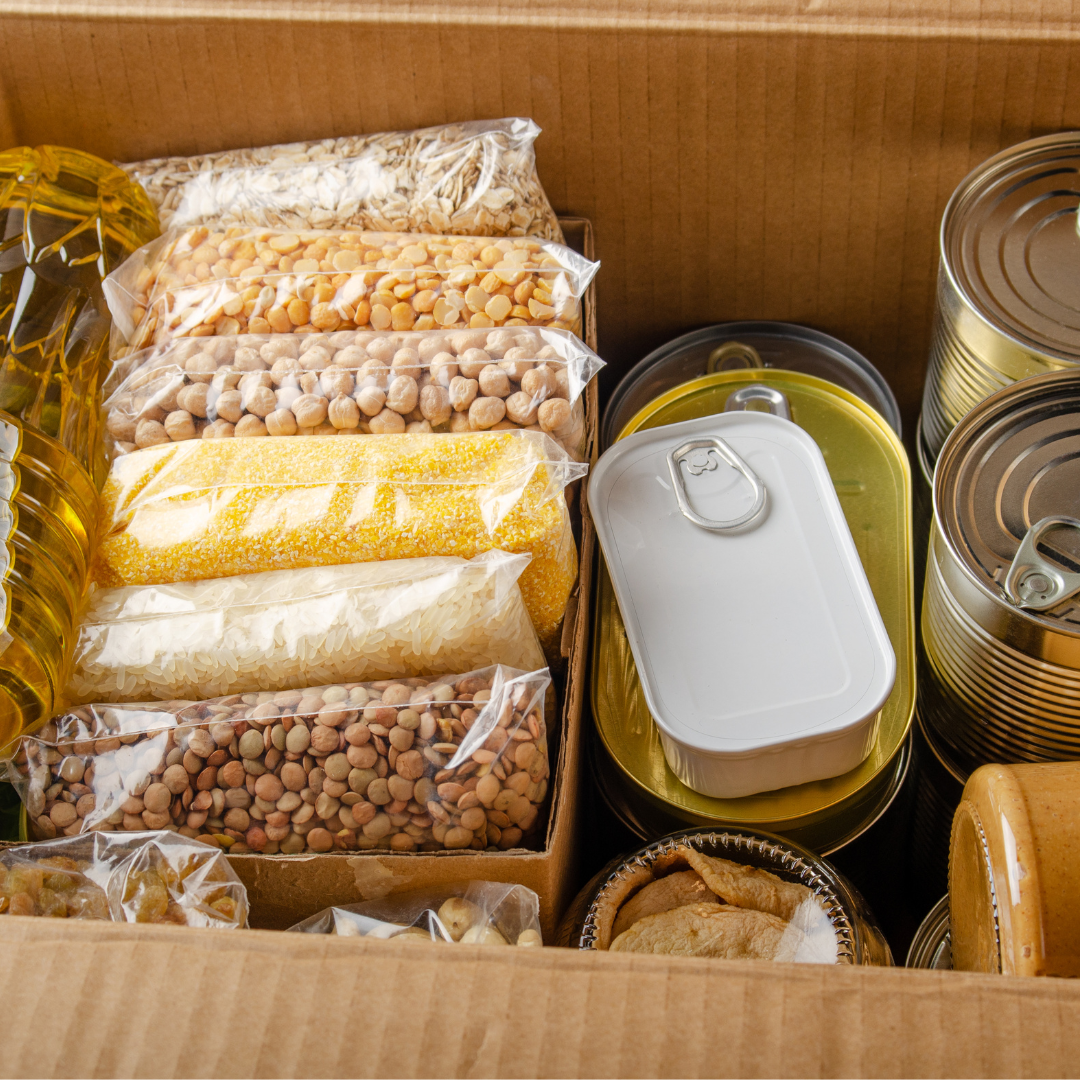
Non-perishable staples form the backbone of any emergency food supply. These include items like rice, dried beans, pasta, and canned vegetables. They last for months or even years without refrigeration, making them reliable when fresh food isn’t available.
Think about foods that require minimal cooking or can be combined easily to create filling meals. Stock up on essentials such as oats, peanut butter, and powdered milk. These staples provide energy and nutrients while being simple to store and rotate.
Ready-to-eat Meals
Ready-to-eat meals save you time and effort during stressful moments. These are pre-packaged meals like MREs (Meals Ready to Eat), freeze-dried camping foods, or canned soups. They require little to no preparation and can be eaten cold or heated quickly.
I once relied on freeze-dried meals during a power outage. The convenience was a lifesaver when cooking wasn’t an option. Having a few of these meals on hand ensures you won’t go hungry if cooking tools or fuel aren’t available.
Special Dietary Items
Special dietary needs can’t be ignored in emergency planning. Whether you have allergies, intolerances, or specific health conditions, your food supply must reflect those requirements. Gluten-free crackers, lactose-free milk alternatives, or low-sodium canned goods are examples to consider.
Ask yourself: what foods can you not live without? Include those in your stockpile. This approach avoids unnecessary stress and health issues when you rely on stored food for extended periods.
Water Storage Guidelines
Water storage is a key part of emergency preparedness. Water is essential for drinking, cooking, and hygiene. Proper water storage ensures you have enough clean water when regular supplies stop. Knowing how much water to store and how to store it safely can protect your health and comfort in emergencies.
How Much Water To Store Per Person
Each person needs at least one gallon of water daily. This covers drinking and basic hygiene. Store water for at least three days. For longer emergencies, keep a two-week supply if possible. Children and sick people may need more water than healthy adults.
Choosing Safe Water Containers
Use food-grade water containers. Avoid containers that held chemicals or non-food liquids. Clear containers help you see the water quality. Store water in a cool, dark place. Keep containers sealed tightly to prevent contamination.
Water Storage Tips For Longevity
- Replace stored water every six months.
- Use water with added purification tablets or bleach.
- Label containers with storage date.
- Keep water containers away from heat and sunlight.
- Clean containers before refilling.
Emergency Water Sources
Collect rainwater if safe and legal. Use water from melted ice or snow in cold climates. Tap water can be stored after boiling or adding disinfectant. Always purify water from natural sources before use.
Rotating And Maintaining Supplies
Keeping emergency food supplies is more than just storing cans and dry goods in a closet. You need a system to keep your food fresh, accessible, and ready when you need it most. Rotating and maintaining your supplies helps prevent waste and ensures that your stockpile remains reliable over time.
Understanding Expiration Dates And Shelf Life
Not all emergency foods last forever. Pay close attention to expiration dates and shelf life on your packages.
Foods like canned beans or rice can last for years, but others like freeze-dried fruits may have shorter windows. Knowing these details helps you plan your rotation schedule effectively.
Creating A Rotation Schedule
Use the “first in, first out” (FIFO) rule to manage your supplies. This means you consume the oldest items first and replace them with fresh ones.
Mark the purchase date on each item with a permanent marker or label. Set reminders on your phone or calendar to check and rotate your stock regularly.
Keeping An Inventory List
Maintain a simple list of all your emergency foods, including quantities and expiration dates. This keeps you aware of what you have and what needs replacing.
You can use a notebook, spreadsheet, or an app specifically designed for food storage management.
Storing Food Properly
Proper storage extends the life of your emergency foods. Keep them in a cool, dry place away from sunlight.
Consider airtight containers or vacuum sealing to protect against moisture and pests. Good storage conditions reduce spoilage and help maintain nutritional value.
Testing And Using Your Supplies
Occasionally, try tasting some of your emergency food to ensure it’s still good. This also helps you get familiar with the taste and preparation methods.
Use older supplies in your regular meals and replace them with fresh items. This keeps your stockpile fresh and prevents surprises during emergencies.
Have you thought about how often you check your emergency food? Establishing these habits now saves frustration and risk later. What’s your current system for managing your emergency supplies?
Adjusting Food Supplies For Different Scenarios
Adjusting food supplies depends on the type of emergency you face. Different situations need different amounts and types of food. Planning with each scenario in mind helps keep you safe and comfortable. Stocking the right food can reduce stress and improve survival chances.
Natural Disasters
Natural disasters like hurricanes or earthquakes can cut off access to stores. Keep at least a two-week supply of non-perishable foods. Choose items that need no cooking or refrigeration. Examples include canned beans, dried fruits, and nuts. Water is crucial—store one gallon per person per day. Plan for extra supplies if you have children or elderly family members.
Power Outages
Power outages can last from hours to days. Store food that stays fresh without electricity. Ready-to-eat canned foods and dry snacks work well. Avoid frozen foods unless you have a backup power source. Include manual can openers and disposable plates. Keep a supply of bottled water and beverages. Think about foods that provide energy and comfort.
Pandemics
Pandemics may cause long-term supply disruptions. Store food for at least one month. Focus on balanced nutrition to maintain health. Include grains, proteins, fruits, and vegetables. Choose foods with long shelf lives like pasta and rice. Freeze extra meals if possible. Keep hygiene supplies and vitamins alongside food. Rotate stock regularly to avoid spoilage.
Credit: wildoaktrail.com
Packaging And Storage Tips
Proper packaging and storage of your emergency food supply are crucial for keeping your food safe and edible over long periods. The right methods can extend shelf life and protect your food from moisture, pests, and temperature changes. Let’s dig into some practical tips that can make your food last longer and stay fresh.
Packing For Longevity And Safety
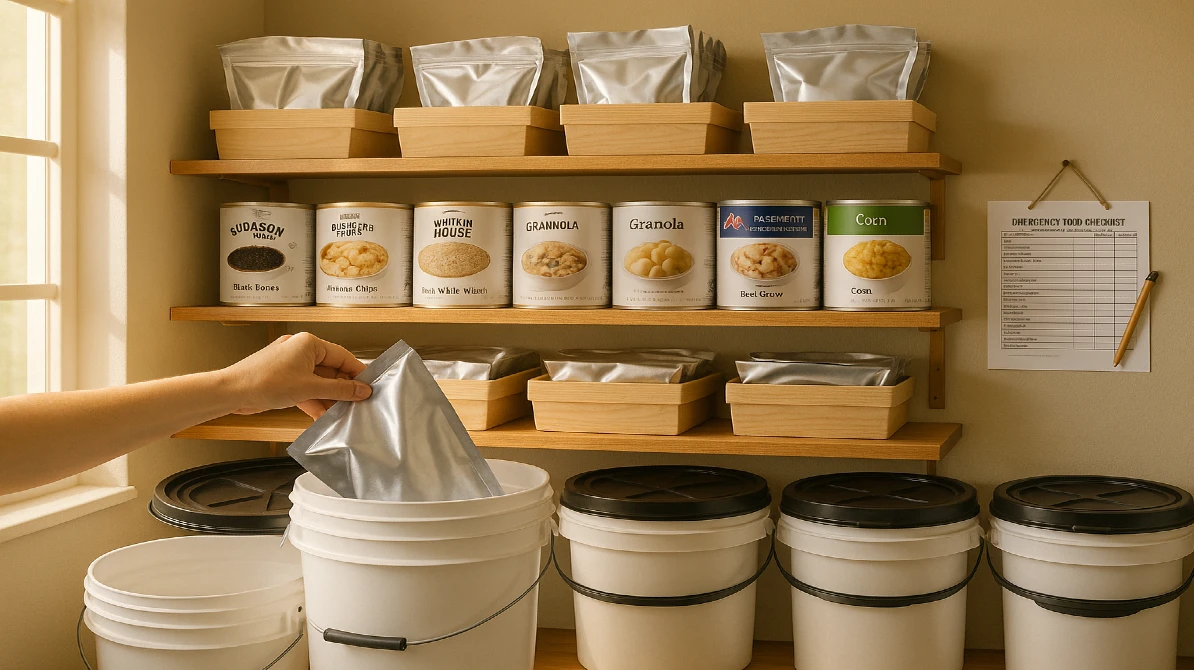
Use airtight containers to keep air and moisture out. Mylar bags with oxygen absorbers work wonders for dry goods like rice and beans. You can also use vacuum-sealed bags to remove excess air and reduce the chance of spoilage.
Consider dividing your food into smaller portions. It prevents waste because you only open what you need. Plus, it makes rotating your stock easier.
Choosing The Right Storage Location
Store your emergency food in a cool, dark, and dry place. Heat and sunlight speed up food spoilage, so avoid spots like near windows or heaters. A basement or a pantry with stable temperatures is often ideal.
Have you checked your storage area’s humidity? High humidity can cause mold and clumping. Using silica gel packs or desiccants inside your containers can help control moisture.
Labeling And Rotation System
Label every package with the packing date and type of food. This simple step saves you time and confusion when you need to grab supplies quickly. I learned this after struggling to find the oldest cans during a power outage.
Practice the “first in, first out” rule. Use the oldest food first to keep your stock fresh. Keeping a log or inventory list can make this process smoother.
Protecting Against Pests And Contaminants
Store food off the ground on shelves or pallets to keep pests away. Rodents and insects can sneak into poorly stored food and ruin it. Sealed plastic bins or metal containers add an extra layer of protection.
Regularly inspect your food storage area for signs of pests or damage. Catching problems early means you can address them before your food supply is compromised.
Budget-friendly Food Storage Strategies
Storing emergency food doesn’t have to drain your wallet. You can build a reliable food reserve without overspending by choosing smart, budget-friendly strategies. These approaches help you stretch your dollars while still preparing for unexpected situations.
Buy In Bulk And Freeze
Buying large quantities often cuts costs significantly. Look for bulk sales on staples like rice, beans, and pasta.
Freeze portions of meats, bread, or vegetables to extend their shelf life and avoid waste. Freezing can turn a single purchase into multiple meals, saving money and effort.
Focus On Shelf-stable Essentials
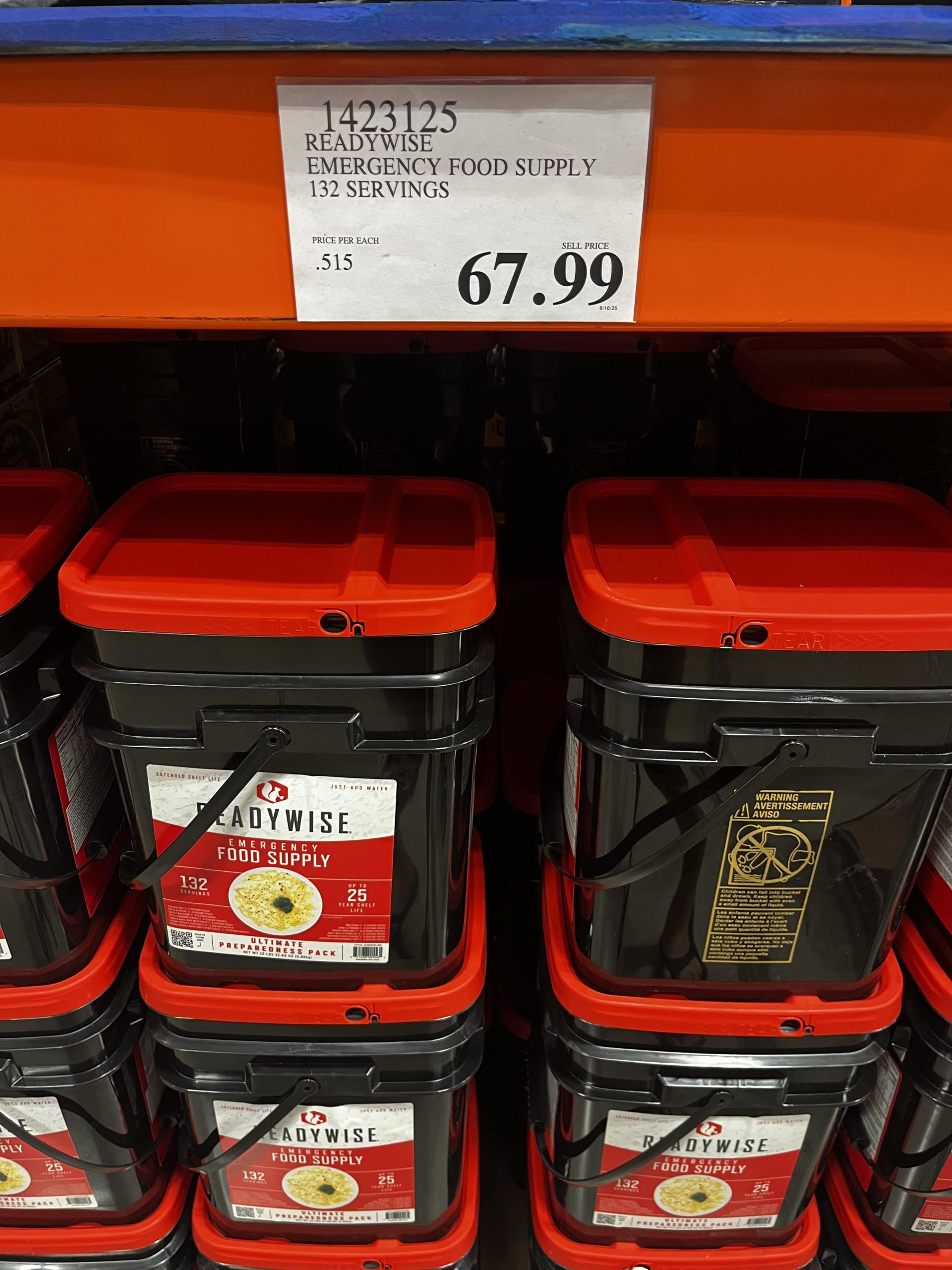
Items like canned goods, dried grains, and powdered milk last long and cost less per serving. You don’t need fancy or specialty foods to be prepared.
Keep an eye out for sales on these essentials and stock up gradually. Over time, your pantry will grow without a huge upfront cost.
Use Coupons And Store Discounts
Coupons and store discount days can help you snag quality emergency foods at reduced prices. Combine coupons with sales for maximum savings.
Many stores have loyalty programs that offer extra discounts—are you signed up for yours? This can add up to substantial savings on your food storage purchases.
Rotate And Repurpose Your Food
Keep track of expiration dates and use older items in your daily meals first. This prevents waste and saves money.
Have you tried turning leftover canned beans into soups or stews? Repurposing helps you enjoy your stockpile while maintaining variety in your diet.
Grow Your Own
Growing simple vegetables or herbs at home can add fresh nutrients without extra cost. Even a small balcony garden can yield tomatoes, peppers, or lettuce.
Think about what you eat most and try planting those. Your garden can become a valuable supplement to your stored food.

Credit: www.nytimes.com

Credit: www.amazon.ca
Frequently Asked Questions
How Much Emergency Food Is Recommended Per Person?
Experts suggest storing at least a two-week supply of emergency food per person. This covers basic nutritional needs during crises or disasters. Choose non-perishable, calorie-dense foods that are easy to prepare and store.
What Types Of Food Are Best For Emergency Storage?
Select non-perishable items like canned goods, dried beans, rice, and freeze-dried meals. These foods have a long shelf life and provide essential nutrients. Include a mix of proteins, carbohydrates, and fats for balanced energy.
How Often Should I Rotate My Emergency Food Supply?
Rotate your emergency food supply every 6 to 12 months. This ensures freshness and nutritional value. Use older items first and replace them with new stock to maintain readiness without waste.
How Much Water Should Accompany Emergency Food Storage?
Store at least one gallon of water per person per day for drinking and sanitation. This amount supports hydration and basic hygiene for at least two weeks during emergencies.
Conclusion
Emergency food supply helps you stay safe during tough times. Plan for at least three days of food per person. Include water, easy-to-cook meals, and snacks. Rotate your supplies regularly to keep food fresh. Store food in a cool, dry place.
Think about any special dietary needs in your family. Being prepared reduces stress and keeps you healthy. Start small and build your emergency food stock over time. It’s better to have more than not enough. Stay ready, stay safe.