Have you ever wondered how much food you really need to keep your family safe during an emergency? Knowing the right amount can make all the difference between feeling prepared and feeling overwhelmed.
It’s not just about stocking up; it’s about having enough to last when you need it most. You’ll discover simple, practical tips to calculate the right food supply for your unique situation. Keep reading to ensure you and your loved ones are ready, no matter what comes your way.
Assessing Your Food Needs
Knowing how much food to store for emergencies starts with understanding your needs. Food supplies must cover energy, nutrition, and the number of people. Planning carefully helps avoid waste and shortages. Proper assessment ensures safety and comfort in tough times.
Calculating Daily Calorie Requirements
Each person needs a certain amount of calories every day. Calories provide energy for all body functions. The average adult needs about 2,000 to 2,500 calories daily. Children and seniors often need fewer calories. Active people need more calories than those less active.
Estimate daily calories by considering age, gender, and activity level. Multiply this by the number of days you plan to be prepared for. This gives the total calories needed for your emergency food supply.
Considering Dietary Restrictions
Dietary needs vary for everyone. Allergies, health conditions, and personal choices affect food choices. Include options for gluten-free, lactose-free, or low-sodium diets. Keep some protein sources for vegetarians or vegans. Variety helps meet nutritional needs and keeps meals interesting.
Label foods clearly to avoid mistakes. Keep easy-to-digest foods for sensitive stomachs. This planning prevents health problems during emergencies.
Planning For Household Size
Count all family members when planning food supplies. Include adults, children, and pets if needed. Children need smaller portions but still must have enough calories. Consider extra food for guests or extended family visits. Adjust amounts based on individual needs and preferences.
Use a chart to track how much food each person needs:
| Household Member | Daily Calories Needed | Days to Prepare For | Total Calories Required |
|---|---|---|---|
| Adult Male | 2500 | 7 | 17500 |
| Adult Female | 2000 | 7 | 14000 |
| Child | 1500 | 7 | 10500 |
This helps calculate total food needed for your household.

Credit: www.forbes.com
Types Of Emergency Food
Choosing the right types of emergency food can make a huge difference in how well you manage during a crisis. You want options that last long, provide good nutrition, and are easy to prepare. Understanding your choices helps you build a food supply that fits your needs and lifestyle.
Non-perishable Staples
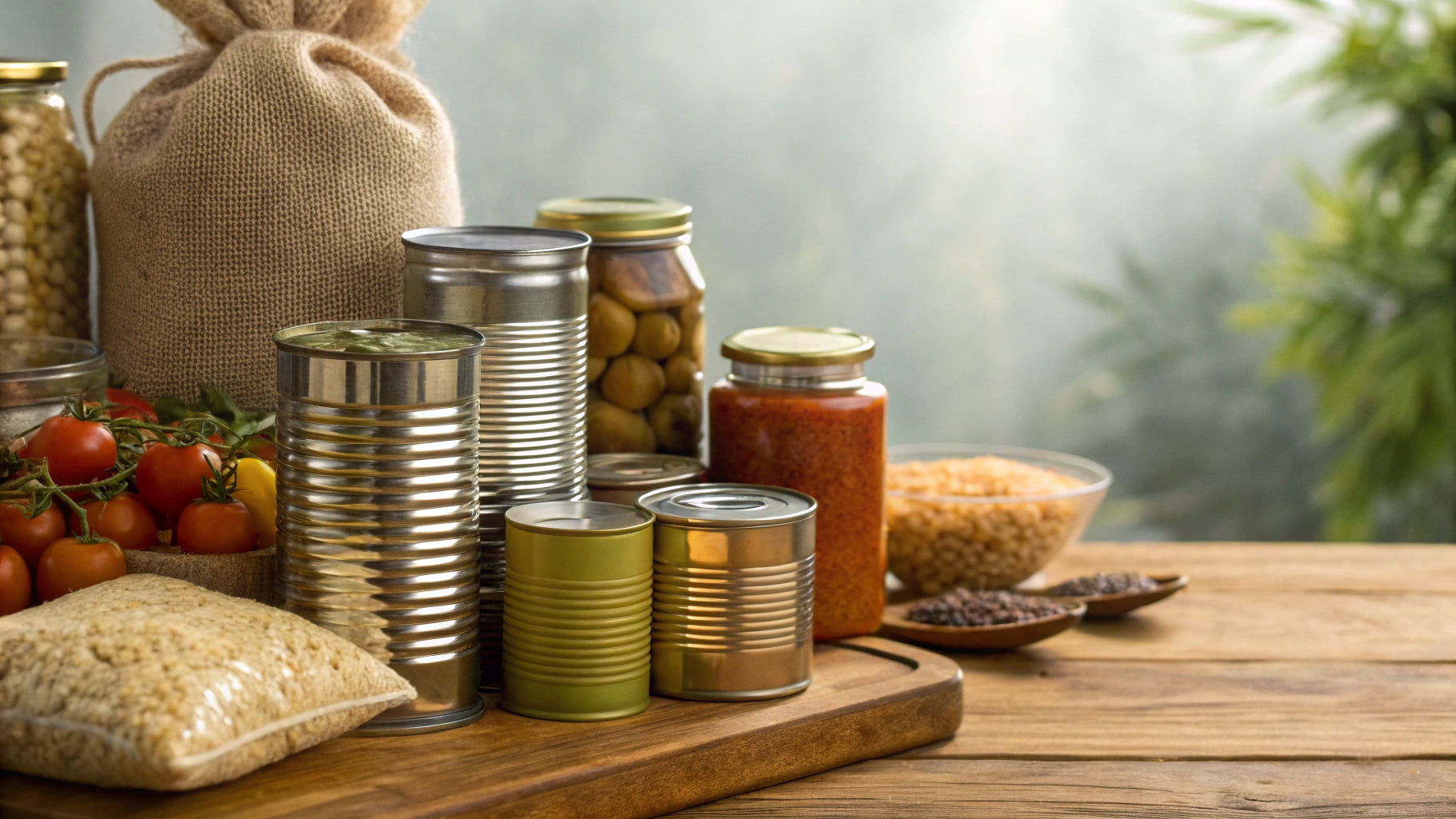
Non-perishable staples like rice, beans, pasta, and canned vegetables form the backbone of any emergency food supply. These items can last for years if stored properly and provide essential nutrients.
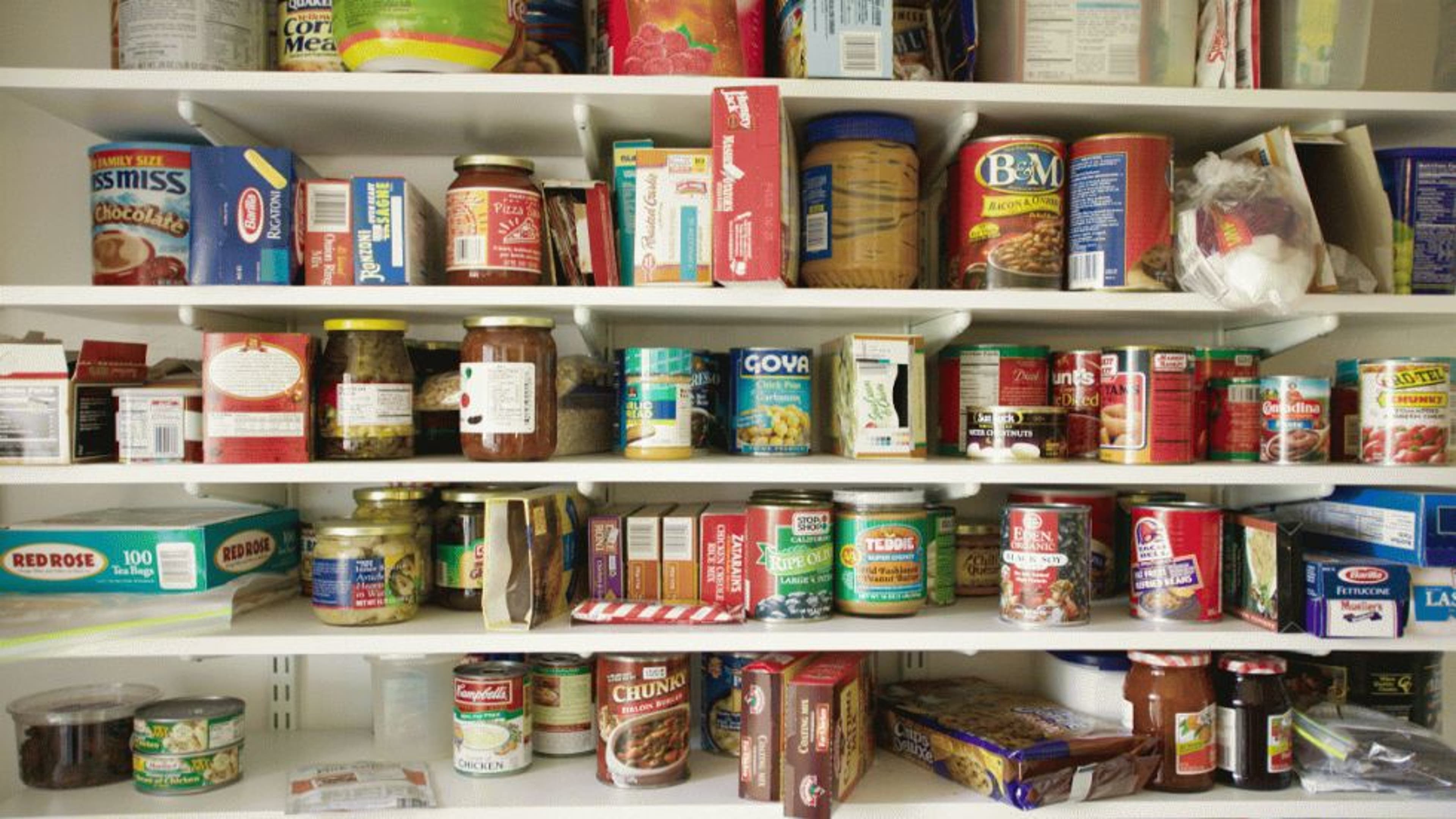
Keep a variety of grains and legumes to ensure balanced meals. Don’t forget canned proteins like tuna or chicken to add variety and protein. Have you checked the expiration dates on your pantry items lately?
Freeze-dried And Dehydrated Foods
Freeze-dried and dehydrated foods are lightweight and have a long shelf life, making them ideal for emergency kits. They retain most of their nutrients and only require water to rehydrate.
Think about meals like freeze-dried scrambled eggs or dehydrated fruits you can snack on. These foods are great if you need to save space or plan to move quickly. Have you tried rehydrating these foods before to see how they taste?
Ready-to-eat Meals
Ready-to-eat meals (MREs) are convenient when cooking isn’t an option. They come pre-packaged and often include everything you need for a meal in one kit.
These meals can be a lifesaver during power outages or evacuations. Keep a few on hand and rotate them to keep your stock fresh. Would you feel confident relying on these meals for several days if needed?
Storage And Shelf Life
Storing emergency food properly can make all the difference when you need it most. Knowing the right conditions and shelf life helps you avoid waste and ensures your supplies remain safe and nutritious. Let’s look at how you can keep your emergency food fresh and ready.
Ideal Storage Conditions
Keep your food in a cool, dry place away from sunlight. Heat and moisture speed up spoilage and can cause mold or pests.
A dark basement or a closet inside your home often works well. Avoid garages or attics where temperatures can fluctuate drastically.
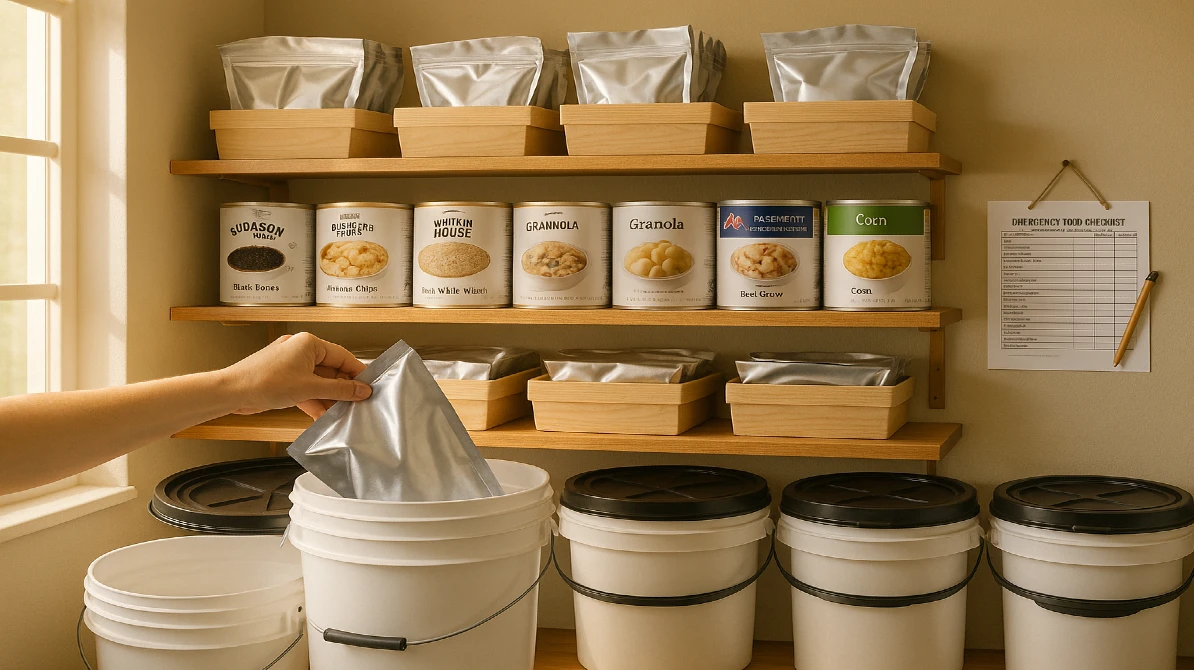
Use airtight containers to protect food from air and humidity. Vacuum-sealed bags or plastic bins with tight lids are great options.
Shelf Life Of Common Emergency Foods
| Food Item | Typical Shelf Life | Storage Tips |
|---|---|---|
| Rice (white, uncooked) | 4-5 years | Keep dry and sealed |
| Dried beans | 3-5 years | Store in airtight containers |
| Canned vegetables | 2-5 years | Check for dents or rust |
| Freeze-dried meals | 10-25 years | Keep sealed and cool |
| Peanut butter | 1-2 years | Store in a cool place |
Rotating And Replacing Supplies
Have you ever opened an emergency kit only to find expired food? Avoid this by labeling each item with the purchase or expiration date.
Use older supplies first in your daily meals, then replace them with fresh items. This keeps your stock fresh without waste.
Set reminders every 6 to 12 months to check your emergency food. This habit saves you from surprises during critical moments.
Credit: weather.com
Water And Food Ratios
Understanding the right balance between water and food is key for emergency preparedness. Water is essential for drinking, cooking, and cleaning. Food provides energy and nutrients. Both must be stored in proper ratios to last through uncertain times.
Daily Water Needs Per Person
Each person needs about one gallon of water daily. This amount covers drinking and basic hydration needs. Children and elderly may require slightly less or more depending on health and activity. Hot climates increase water needs as well.
Water For Cooking And Hygiene
Water is also needed for food preparation and cleaning. Cooking certain foods like rice or pasta requires extra water. Hygiene uses water for washing hands and dishes, helping prevent illness. Plan for at least half a gallon per person daily for these tasks.
Balancing Food And Water Supplies
Store enough water to match your food supply. Dehydrated and canned foods often need more water to prepare. Dry foods need minimal water but require drinking water. A good rule is one gallon of water per person per day, with at least a two-week supply of food and water together.
Special Considerations
Planning food supplies for emergencies isn’t just about quantity; it’s about quality and suitability too. Special needs can make a big difference in what you store and how you prepare it. Think beyond just calories and ask yourself who you’re feeding and what their unique requirements might be.
Feeding Infants And Children
Babies and young kids need specific foods that suit their age and development. You can’t just stockpile adult meals and expect them to work. Think about formula, baby food jars, and snacks that don’t require refrigeration or heating.
Also, consider how long you might be without power. Having powdered formula and plenty of clean water is crucial. For toddlers, finger foods like crackers and dried fruit can be lifesavers when you have limited utensils.
Managing Medical And Dietary Needs
If you or someone in your family has allergies, diabetes, or other medical conditions, your emergency food supply must reflect that. Stock up on gluten-free, sugar-free, or low-sodium options as needed. You don’t want to face an emergency and realize you can’t eat what you have.
Keep a list of medications and special foods handy. Some medicines require food to be taken with them, so plan accordingly. Have backup supplies for any nutritional supplements you use daily.
Including Comfort Foods
Stress during emergencies can be overwhelming. A little comfort food can make a huge difference in morale. Pack small amounts of chocolate, tea, or your favorite snacks to help maintain a sense of normalcy.
These foods don’t need to be fancy—simple treats that bring you joy are enough. Have you ever noticed how a familiar taste can calm nerves? That’s exactly why comfort foods deserve a spot in your emergency pantry.
Packaging And Portability
Packaging and portability are key when planning how much food you should have for an emergency. You want your supplies to be easy to carry, store, and access quickly. Bulky or heavy food can become a burden, especially if you need to move fast or have limited storage space.
Choosing Compact And Lightweight Foods
Pick foods that give you the most nutrition without taking up much space or adding weight. Dried fruits, nuts, energy bars, and freeze-dried meals are excellent choices. These options last long and are easy to pack in small containers or bags.
Have you ever tried carrying a heavy box of canned goods for miles? It’s exhausting and impractical. Compact foods let you carry more energy with less effort, which can be crucial in emergency situations.
Sealing And Protecting Supplies
Proper sealing keeps your food fresh and safe from moisture, pests, and contamination. Use airtight containers, vacuum-sealed bags, or Mylar bags with oxygen absorbers for long-term storage. Label each package with the date and contents for quick identification.
Imagine opening a food kit only to find spoiled or infested items—that’s a nightmare you want to avoid. Protecting your supplies ensures they remain edible when you need them most.
Creating Emergency Food Kits
Organize your food into ready-to-grab kits tailored for different scenarios. Include a balanced mix of proteins, carbohydrates, and fats to keep your energy steady. Make sure each kit fits comfortably in a backpack or storage bin for easy transport.
Think about how much you can realistically carry if you had to leave home suddenly. Packing smart kits helps you stay prepared without overwhelming yourself with too much weight or volume.
Planning For Different Emergency Scenarios
Planning for different emergency scenarios helps ensure you store the right amount of food. Emergencies vary in length and type, affecting how much food you need. Preparing for each situation means considering your family’s size, preferences, and available storage space.
Short-term Vs Long-term Emergencies
Short-term emergencies last from a few hours to several days. Natural disasters like storms or floods often cause short-term crises. You need enough food for at least three days. Choose non-perishable items that require little or no cooking.
Long-term emergencies can last weeks or months. Examples include widespread power outages or supply chain disruptions. You need a larger food supply to stay safe. Focus on foods with long shelf lives and balanced nutrition.
Food For Natural Disasters
Natural disasters often disrupt water and electricity. Pack food that does not need refrigeration or cooking. Examples include:
- Canned fruits, vegetables, and meats
- Dry cereal and granola bars
- Peanut butter and nuts
- Instant coffee and tea
- Bottled water and juices
Keep a manual can opener nearby. Rotate your stock every six months to keep food fresh.
Food For Power Outages
Power outages can last hours to days. Prepare meals that require minimal or no heat. Consider these foods:
- Ready-to-eat canned soups and stews
- Crackers, hard cheeses, and cured meats
- Energy bars and dried fruits
- Instant oatmeal packets
Have a portable stove or grill for cooking if safe. Avoid foods that spoil quickly without refrigeration.

Credit: www.youtube.com
Frequently Asked Questions
How Much Food Is Needed For A 3-day Emergency Supply?
A 3-day emergency supply should include at least one gallon of water per person daily. Include non-perishable foods like canned goods, dried fruits, and nuts. Plan for balanced nutrition to maintain energy and health during emergencies.
What Types Of Food Last Longest For Emergencies?
Foods like canned beans, rice, pasta, dried fruits, and freeze-dried meals last longest. These items have long shelf lives and require minimal preparation. Choose foods that provide essential nutrients and calories for survival situations.
How Many Calories Should Emergency Food Provide Daily?
Emergency food should provide around 2,000 to 2,500 calories per person daily. This range supports basic energy needs and physical activity. Include a mix of carbohydrates, proteins, and fats for balanced nutrition.
Should Emergency Food Storage Consider Dietary Restrictions?
Yes, always consider dietary restrictions such as allergies, gluten-free, or vegetarian needs. Store suitable alternatives to ensure everyone’s health and safety. Proper planning prevents nutritional deficiencies during emergencies.
Conclusion
Having enough food during emergencies keeps you safe and healthy. Plan for at least three days of meals per person. Choose foods that last long and need little cooking. Water is just as important as food. Store extra supplies and check them often.
Being ready helps reduce stress in tough times. Start small and add more supplies over time. Preparedness gives peace of mind for you and your family. Stay safe by planning your emergency food today.