Imagine a situation where you can’t just run to the store for food. What will you do?
Having an emergency food supply can give you peace of mind and keep you safe during unexpected events. You might think it’s complicated or expensive, but it doesn’t have to be. You will learn simple and practical steps to create your own emergency food supply.
By the end, you’ll feel confident and ready to face any situation without worrying about hunger. Let’s get started and secure your food future today!
Choosing Food Types
Choosing the right food types for your emergency supply is vital. Your selections must last long, provide energy, and keep you healthy. Focus on foods that store well and meet your basic needs.
Non-perishable Foods
Non-perishable foods have a long shelf life without refrigeration. These foods reduce waste and save space. Canned vegetables, dried beans, rice, pasta, and powdered milk are good examples. Store sealed packages to keep freshness and avoid spoilage.
High-calorie Options
Energy is crucial during emergencies. High-calorie foods provide the fuel your body needs. Choose items like peanut butter, nuts, seeds, and granola bars. These foods deliver calories in small, easy-to-carry packages. They keep you strong and alert.
Nutritional Balance
A balanced diet supports your health during tough times. Include proteins, carbohydrates, fats, and vitamins. Use canned meats, dried fruits, whole grains, and vegetable powders. Variety helps prevent nutrient deficiencies and keeps meals interesting.

Credit: www.nytimes.com
Calculating Food Quantities
Calculating the right amount of food for your emergency supply is crucial. Too little, and you risk running out during critical times. Too much, and you waste space and money. Getting this balance right means understanding your daily needs and how long you want your supply to last.
Daily Caloric Needs
Your body needs energy to keep going, especially during stressful situations. On average, adults require between 1,800 and 2,500 calories daily, but this varies based on age, gender, and activity level.
Think about who will rely on your emergency food. A teenage athlete needs more calories than a sedentary older adult. You can use online calculators or consult nutritional guidelines to estimate these needs.
Duration Planning
How long are you preparing for? Two weeks? A month? Six months? This decision shapes the total amount of food you must store.
It’s wise to start with a minimum of three days, but most experts recommend at least two weeks. Remember, emergencies can last longer than expected, so consider adding a buffer.
Portion Sizes
Knowing the total calories is one thing, but breaking them down into manageable portions is another. Proper portion sizes help you avoid overeating or wasting food.
Label your food with serving sizes and calories per portion. This makes it easier to plan daily meals and monitor your intake. For example, if a canned stew contains 400 calories per serving, you can quickly decide how many servings you’ll need each day.
Storage Techniques
Storing emergency food properly keeps it safe and fresh for long periods. Good storage techniques protect food from moisture, pests, and temperature changes. These steps help maintain food quality and prevent waste. Following simple rules ensures your food supply is ready when needed.
Proper Containers
Choose containers that seal tightly to keep air and moisture out. Use airtight plastic, glass jars, or metal cans. Avoid containers that allow light inside, as light can spoil food. Label containers with the contents and date of storage. Stack containers to save space and keep them off the floor.
Temperature Control
Store food in a cool, dry place to extend shelf life. Ideal temperature is between 50°F and 70°F (10°C–21°C). Avoid places with temperature swings, like garages or attics. Keep food away from heat sources and direct sunlight. Lower temperatures slow down spoilage and preserve nutrients.
Shelf Life Management
Track expiration dates to use older items first. Use a rotation system called FIFO (First In, First Out). Regularly check for signs of spoilage like mold or bad smells. Replace expired or damaged items promptly. Keep a list of your emergency food to monitor supplies easily.

Credit: www.nytimes.com
Water And Hydration
Water is vital for survival during any emergency. Staying hydrated keeps your body strong and alert. Without clean water, health risks increase quickly. Planning your water supply is a top priority. Proper storage, purification, and understanding daily needs ensure safety and comfort.
Water Storage Tips
Store water in clean, food-grade containers. Use plastic or glass bottles with tight lids. Keep containers in a cool, dark place. Avoid storing near chemicals or strong odors. Label containers with the date of storage. Replace stored water every six months. Consider storing at least one gallon per person each day. Large water barrels can hold more supply. Use pallets or shelves to keep containers off the floor.
Purification Methods
Boiling water kills most germs and bacteria. Bring water to a rolling boil for at least one minute. Use water purification tablets to treat water quickly. Follow the instructions on the package carefully. Household bleach can disinfect water; use only unscented bleach. Add 8 drops of bleach per gallon, stir, and wait 30 minutes. Use portable water filters to remove dirt and microbes. Check filters’ capacity and replace them as needed.
Daily Water Requirements
Each person needs about one gallon of water daily. This includes drinking, cooking, and basic hygiene. Children and older adults may need more water. Hot weather or physical activity increases water needs. Plan for at least a three-day supply of water per person. Store extra water for pets and medical needs. Keep track of your water use to avoid running out.
Emergency Cooking Methods
Having a solid emergency food supply is only part of the puzzle. You also need reliable ways to prepare your meals when power and utilities might be out. Emergency cooking methods ensure you can eat safely and stay nourished no matter the situation.
No-cook Meals
Not all emergencies allow for cooking, so stocking up on no-cook meals is smart. Think canned tuna, peanut butter, energy bars, and dried fruits. These foods don’t just save time—they can keep you fed if you have no heat source.
Try assembling ready-to-eat packages with a mix of protein, carbs, and fats. Have you ever tried a combination of canned beans and pre-washed salad greens? It’s surprisingly satisfying and requires zero heat.
Portable Cooking Gear
Portable cooking gear gives you flexibility in how you prepare food during an emergency. Items like camping stoves, compact grills, or even solar ovens are easy to pack and use outdoors or indoors with proper ventilation.
I once relied on a simple butane stove during a weekend blackout. It was small, lightweight, and allowed me to boil water for hot meals and drinks. What portable cooking tools do you already have that could fit in an emergency kit?
Fuel Sources
Fuel is essential for any cooking gear, so understanding your options is key. Common fuel types include propane, butane, charcoal, and wood—each with different burn times and storage needs.
Keep small, sealed containers of fuel with your cooking gear and rotate them regularly to prevent spoilage. Have you checked the shelf life of your fuel supplies recently? It’s easy to overlook, but a dead fuel canister won’t help you in a crisis.
Special Dietary Needs
Special dietary needs require careful planning for an emergency food supply. Different health conditions and lifestyle choices affect food selection. Preparing for these needs ensures safety and comfort during emergencies.
Allergies And Intolerances
Identify all food allergies and intolerances in your group. Avoid common allergens like nuts, dairy, gluten, and shellfish. Label all emergency food clearly to prevent mix-ups.
Choose alternatives such as gluten-free grains or dairy-free milk. Keep antihistamines or allergy medications nearby as a precaution. Regularly check expiration dates on allergy-friendly foods.
Vegetarian And Vegan Options
Stock enough plant-based foods for vegetarians and vegans. Include canned beans, lentils, nuts, and seeds for protein. Add dried fruits and whole grains for energy and nutrients.
Look for fortified foods with vitamins B12 and D. Keep plant-based milk and meat substitutes on hand. Variety helps maintain good nutrition and morale during emergencies.
Children And Elderly Considerations
Choose foods easy to chew and digest for children and elderly. Include baby food, formula, and soft snacks for young children. For elders, select low-sodium and low-sugar options.
Ensure hydration with safe drinking water and juices. Prepare for special needs like thickened liquids or dietary supplements. Monitor intake to avoid malnutrition or dehydration risks.
Rotating And Replacing Supplies
Rotating and replacing supplies keeps your emergency food fresh and safe. It prevents waste and ensures you always have usable food. This process requires regular attention and simple organization.
Inventory Checks
Regularly check your food stock to know what you have. Count items and note their condition. Look for any signs of damage or pests. Keep a list of all food supplies to avoid duplicates.
Expiry Date Tracking
Track the expiration dates on all packaged foods. Use a system like labeling boxes with dates. Place foods with the closest expiry in front. This way, you use older items first and reduce spoilage.
Restocking Strategies
Plan restocking based on your inventory and expiry tracking. Buy items you use regularly and that last long. Replace foods that expire soon with fresh ones. Store new supplies behind older stock to rotate properly.

Credit: www.jackery.com
Emergency Food Supply Kits
Having a reliable emergency food supply kit is crucial when unexpected situations arise. These kits ensure you have access to nutritious food without the stress of last-minute shopping. Whether you choose a ready-made kit or build your own, understanding your options helps you prepare effectively for any emergency.
Pre-packaged Kits
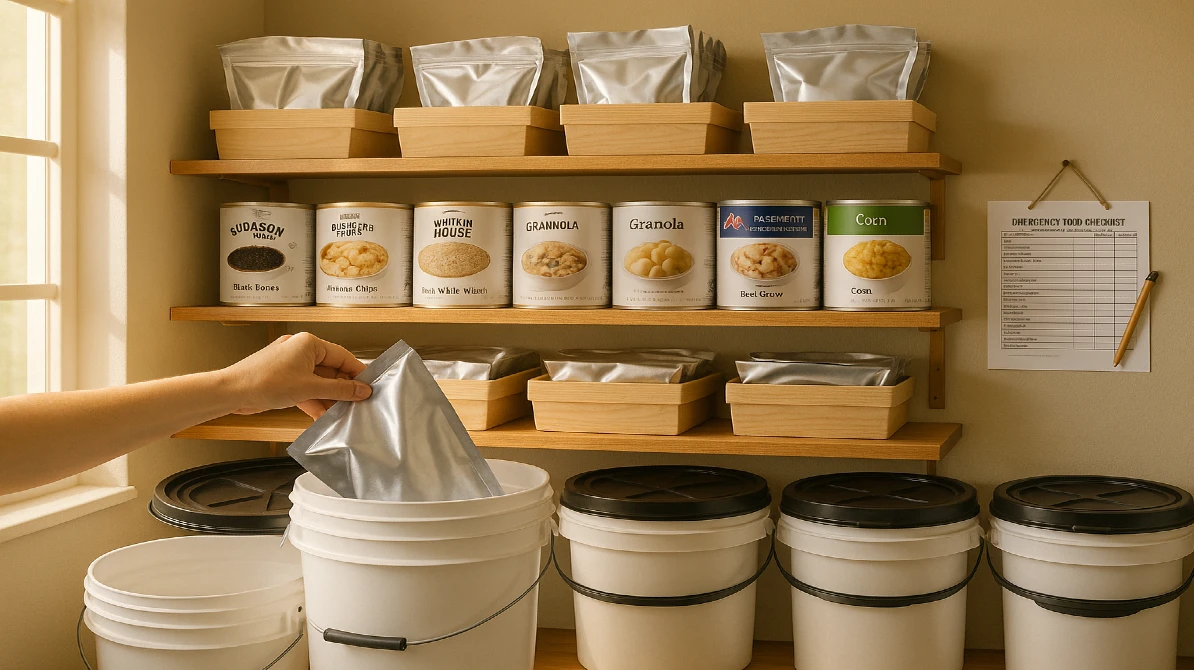
Pre-packaged kits offer convenience and quick access to emergency food. They typically include a variety of freeze-dried or dehydrated meals designed to last for years. These kits save you time and effort, as everything is portioned and ready to eat with minimal preparation.
Look for kits that contain a balanced mix of proteins, carbs, and fats. Some brands even include comfort foods like soups and desserts to boost morale during tough times. However, check the expiration dates and storage requirements to ensure they fit your lifestyle.
Diy Kits
Creating your own emergency food supply allows you to tailor meals to your taste and dietary needs. You can select canned goods, dried fruits, nuts, and grains that you already enjoy. This approach often saves money and reduces food waste compared to pre-packaged kits.
Start by listing foods that last long and provide essential nutrients. Rotate your stock regularly to keep everything fresh. Don’t forget to include a manual can opener and resealable containers to keep your food safe and accessible.
Essential Add-ons
Besides the main food items, certain add-ons can make a big difference in your emergency kit. Think about adding water purification tablets, portable cooking tools, and seasoning packets to improve taste and safety. Energy bars and vitamin supplements can also help maintain your strength when meal options are limited.
Have you considered how you’ll cook your meals if the power goes out? A small camping stove or a solar cooker can be lifesavers. Including these extras shows you’re not just storing food—you’re preparing for real-life challenges.
Frequently Asked Questions
What Are Essential Foods For An Emergency Supply?
Essential foods include non-perishable items like canned goods, dried beans, rice, pasta, and freeze-dried meals. These last long and provide balanced nutrition. Include high-energy snacks like nuts and granola bars to stay fueled during emergencies.
How Much Emergency Food Should I Store Per Person?
Store at least a two-week supply per person. This ensures enough food during unexpected situations. Consider daily calorie needs, typically 2000-2500 calories, to maintain energy and health.
How Do I Store Emergency Food Properly?
Keep food in a cool, dry, and dark place. Use airtight containers to prevent moisture and pests. Rotate supplies every 6-12 months to keep food fresh and safe.
Can I Include Fresh Produce In Emergency Food Supplies?
Fresh produce spoils quickly and isn’t ideal for long-term storage. Instead, opt for canned or freeze-dried fruits and vegetables for nutrition and longer shelf life.
Conclusion
Creating an emergency food supply takes time and planning. Start with basics like water, grains, and canned goods. Rotate your stock regularly to keep food fresh. Store supplies in a cool, dry place. Keep a list of what you have and need.
This preparation helps you stay safe during unexpected events. Small steps today can make a big difference tomorrow. Stay ready, stay calm, and protect your family with a good food supply.