When an emergency strikes, having enough food can make all the difference for you and your loved ones. But how much food do you really need to last two weeks?
It’s a question that might feel overwhelming, but knowing the right amount can bring you peace of mind and keep you prepared. In this guide, you’ll discover simple ways to calculate your food needs, avoid waste, and ensure your emergency supply truly supports you when it matters most.
Keep reading to take control of your emergency food planning today.
Calculating Food Needs
Figuring out how much food you need for a two-week emergency supply takes some careful planning. You want to ensure you have enough calories and nutrients to keep you healthy and energized without overstocking. Calculating your food needs means considering your daily energy use, activity level, and any special dietary requirements you or your family members might have.
Daily Calorie Requirements
Your body needs a certain number of calories every day to function properly. This number varies based on age, gender, and metabolism. On average, adults need between 1,800 and 2,500 calories daily.
Try to think about your usual diet and how much energy you typically burn. If you underestimate calories, you might feel weak or fatigued during the emergency. Too many calories mean wasted food and space. Use online calculators or nutrition labels to get a rough idea of your daily calorie needs.
Adjusting For Activity Level
Your calorie needs change with how active you are. If you’re mostly resting, like in a shelter or during limited movement, your calorie burn is lower. But if you’re doing physical tasks like gathering water, chopping wood, or walking long distances, you’ll need more energy.
Think about your emergency scenario. Will you be mostly sitting or moving around a lot? Adjust your food supply accordingly by adding 200 to 500 extra calories per day for moderate to heavy activity. This helps you avoid feeling drained and keeps your strength up.
Special Dietary Needs
Everyone’s diet isn’t the same, especially in emergencies. Some people need gluten-free, diabetic-friendly, or allergy-safe foods. Don’t forget infants, elderly, or those with medical conditions who may need specific nutrients or easier-to-digest foods.
Ask yourself: Does anyone in your group have special needs? Planning for these can mean packing extra supplements, baby formula, or specific protein sources. This ensures everyone stays nourished and avoids health issues during tough times.
Credit: readywise.com
Choosing Long-lasting Foods
Choosing the right long-lasting foods for a two-week emergency supply is crucial. You want items that stay fresh, offer good nutrition, and require minimal preparation. This helps you focus on staying calm and safe rather than worrying about meals.
Shelf-stable Staples
Shelf-stable staples are your emergency food foundation. Think rice, pasta, dried beans, and oats. These foods can last for months or even years when stored properly.
They also provide essential carbohydrates and fiber. You can cook them easily with just water and heat. Have you tested how long your staples really last in your pantry?
Dehydrated And Freeze-dried Options
Dehydrated and freeze-dried foods are lightweight and packed with nutrients. They keep well for years and only need water to rehydrate.
These options include fruits, vegetables, and even full meals like stews or scrambled eggs. I once relied on freeze-dried meals during a camping trip and was amazed by the taste and convenience.
Think about your cooking setup—do you have a reliable water source and a way to heat these foods?
Canned Goods Selection
Canned goods are a classic emergency food choice. They offer ready-to-eat convenience and come in a variety of options like vegetables, beans, meats, and soups.
Look for cans with no dents or rust and check the expiration dates regularly. Keep a mix of protein and veggies to balance your meals.
Do you have a rotation system to use and replace your canned foods before they expire?
Portioning And Storage
Proper portioning and storage are essential for managing your two-week emergency food supply effectively. Without careful planning, you risk running out of food too soon or facing spoilage that wastes your efforts. Organizing your meals and storing them correctly can give you peace of mind and help you stay nourished throughout the emergency.
Meal Planning For Two Weeks
Start by calculating your daily calorie needs and multiply that by 14 days for two people. Consider meals that are easy to prepare and require minimal ingredients. Break down your food into breakfasts, lunches, dinners, and snacks to avoid guessing during stressful times.
Writing a meal plan helps you buy the right quantities and avoid overstocking bulky items. Think about including foods high in protein, carbohydrates, and fats to keep your energy balanced. Do you have special dietary needs or preferences? Adjust your plan accordingly to avoid food waste.
Proper Food Storage Techniques
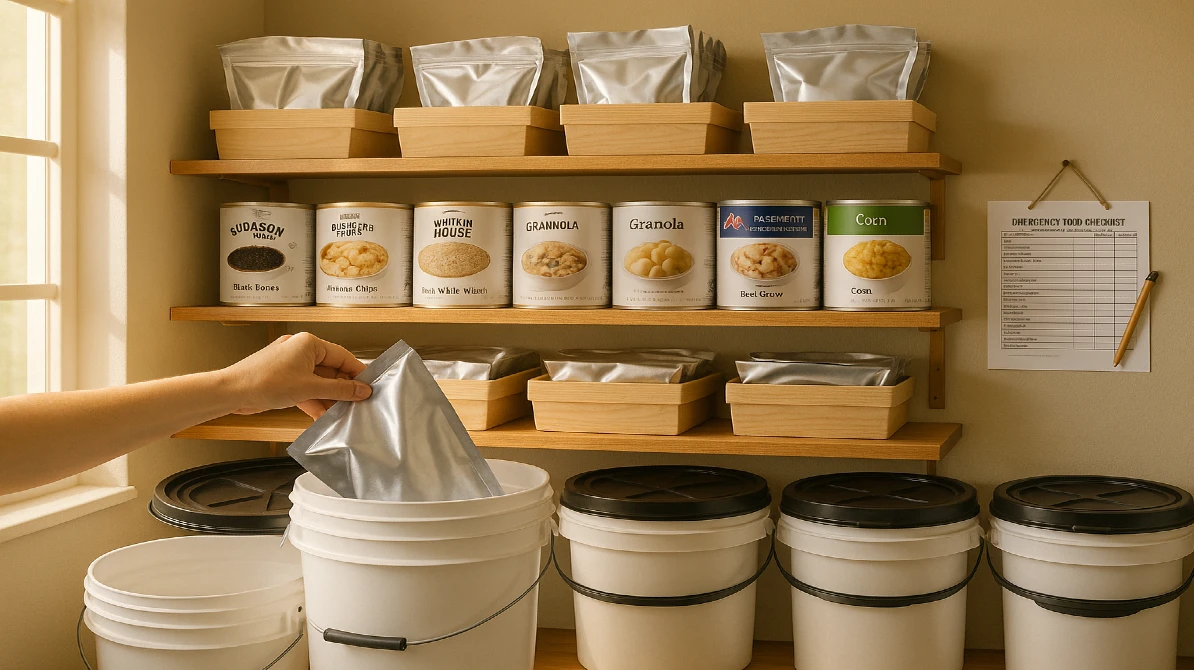
Storing your food correctly extends its shelf life and maintains quality. Use airtight containers to keep moisture and pests out. Label each container with the contents and expiration date to track freshness easily.
Keep dry foods like rice and beans in cool, dark places to prevent spoilage. Freeze perishable items or store them in sealed vacuum bags if possible. How often do you check your pantry for signs of damage or spoilage?
Rotating Your Supplies
Rotate your food supply by using older items first and replacing them with new purchases. This prevents food from expiring unnoticed. A simple system is to place new items behind older ones on your shelves.
Mark your calendar to review your stock every few months. Regular rotation ensures you always have fresh food ready in an emergency. What system can you implement today to keep your supplies fresh and reliable?

Credit: www.amazon.com
Water And Hydration
Water is the cornerstone of survival during any emergency. Without enough clean water, your body cannot function properly, and your emergency preparedness plan falls apart. Understanding how much water you need and how to keep it safe is vital for a two-week emergency supply.
Water Requirements
Most experts recommend at least one gallon of water per person per day. This amount covers drinking, cooking, and basic hygiene needs. For two weeks, that adds up to 14 gallons per person.
Think about your daily routines. Do you drink more water because of exercise or heat? Adjust your supply accordingly. Don’t forget water for pets if you have them.
Safe Water Storage
Store water in clean, food-grade containers to avoid contamination. Avoid using containers that held milk or juice. These can harbor bacteria even after cleaning.
Keep your water containers in a cool, dark place. Heat and sunlight can degrade the water quality over time. Label each container with the date you filled it and rotate your supply every six months.
Water Purification Methods
Having extra water purification options ensures safety if your stored water runs out or gets contaminated. Boiling water for at least one minute kills most pathogens.
- Water purification tablets are lightweight and effective for emergencies.
- Portable water filters can remove bacteria and protozoa, making natural water sources safer.
- UV light purifiers are a quick method but require batteries or power sources.
Have you ever faced a situation where clean water was scarce? Preparing with multiple purification methods can save your life.
Supplementing Nutrition
Supplementing nutrition is vital during a two-week emergency food supply. Basic calories alone do not meet all body needs. Proper vitamins, minerals, protein, and fiber keep energy and health steady. Planning these nutrients helps avoid fatigue and illness.
Vitamins And Minerals
Vitamins and minerals support immune function and overall health. Include multivitamin tablets as a backup. Stock up on dried fruits like apricots and raisins for natural vitamins. Salt provides essential sodium, while powdered milk adds calcium. Keep a small container of iodine or seaweed for trace minerals.
Protein Sources
Protein repairs tissues and keeps muscles strong. Choose canned beans, lentils, and chickpeas for long shelf life. Canned tuna, salmon, or chicken offer quick, easy protein. Nuts and seeds add healthy fats and protein. Powdered eggs or protein powder serve as compact options.
Fiber And Digestive Health
Fiber aids digestion and prevents constipation during limited water use. Whole grains like oats, quinoa, and brown rice provide fiber and energy. Dried vegetables also add fiber and nutrients. Psyllium husk powder works well as a fiber supplement. Drink enough water to help fiber work effectively.
Emergency Cooking Methods
Emergency cooking methods are essential for preparing food during power outages or disasters. Having reliable options helps maintain nutrition and morale. Cooking without electricity or gas requires simple, safe techniques.
Choosing the right cooking method depends on available supplies and safety concerns. Some methods need fuel, others do not. Understanding each option allows better meal planning for a two-week emergency supply.
No-cook Meal Ideas
No-cook meals save fuel and time. They include foods that are ready to eat or need minimal preparation.
- Canned beans and vegetables
- Nut butters with crackers or bread
- Fresh fruits and vegetables
- Trail mix and nuts
- Pre-packaged tuna or chicken salad
- Instant oatmeal with hot water from a thermos
These meals provide energy and nutrients without needing heat. Store enough no-cook items for quick, easy meals.
Using Portable Stoves
Portable stoves are compact and efficient for emergency cooking. They work with propane, butane, or solid fuel tablets.
- Check fuel levels before emergencies
- Use stoves outdoors or in well-ventilated areas
- Keep a fire extinguisher nearby
- Practice lighting and cooking with your stove
- Cook simple meals like soups, pasta, or rice
Portable stoves allow hot meals even without power. Store extra fuel and match it to your stove type.
Safe Food Preparation Practices
Safety is key during emergency cooking. Avoid foodborne illness by following simple rules.
- Wash hands and surfaces often
- Use clean water for cooking and drinking
- Keep raw and cooked foods separate
- Cook food to recommended temperatures
- Store leftovers in cool, sealed containers
- Discard food that smells or looks bad
These steps help prevent sickness and keep your family healthy. Safety is as important as having enough food.
Avoiding Common Mistakes
Planning food for a two-week emergency requires careful thought. Many make mistakes that waste space and money. Avoid common errors to ensure your supplies last and remain usable.
Overestimating Food Amounts
Buying too much food can cause storage problems. Large quantities may spoil before use. Focus on realistic portions based on your daily needs. Keep in mind the space you have for storage.
Store only what you can consume in two weeks. Excess food might go to waste and attract pests. Plan meals to avoid leftovers that spoil quickly.
Ignoring Expiration Dates
Expired food can be unsafe and lose nutrition. Check dates carefully before buying and storing. Rotate your supplies regularly to use older items first.
Label food with purchase dates to track freshness. Keep a list to monitor what needs replacing. Avoid stockpiling items that expire too soon.
Neglecting Taste And Variety
Eating the same food repeatedly leads to boredom. Choose a mix of flavors and textures to stay motivated. Include snacks and comfort foods to boost morale.
Balance nutritional needs with enjoyable options. Variety helps maintain appetite and energy during stressful times. Plan meals that feel familiar and satisfying.
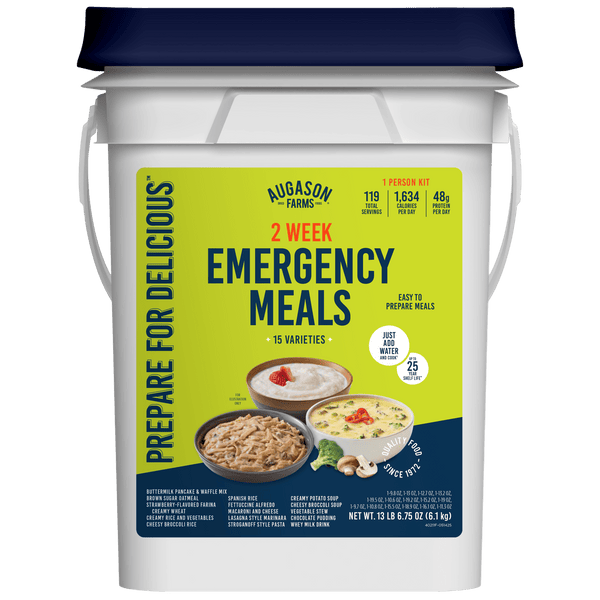
Credit: augasonfarms.com
Frequently Asked Questions
How Much Food Is Needed For A 2-week Emergency Supply?
For a 2-week emergency, plan for about 2,000 calories per person daily. This totals roughly 28,000 calories per individual. Focus on non-perishable, nutrient-dense foods like canned goods, grains, and dried fruits to meet energy needs efficiently.
What Types Of Food Last Longest During Emergencies?
Foods with long shelf lives include canned beans, rice, pasta, and freeze-dried meals. These items resist spoilage and retain nutrients. Store foods in airtight containers and a cool, dry place to maximize longevity.
How To Calculate Food Portions For Two Weeks Emergency?
Calculate daily calorie needs per person and multiply by 14 days. Convert calories into servings using food labels. Prioritize balance among proteins, carbs, and fats to maintain health during emergencies.
Should Water Be Stored With Emergency Food Supplies?
Yes, water is crucial. Store at least one gallon per person per day. Water supports hydration, food preparation, and hygiene. Keep water in clean, sealed containers away from heat and sunlight.
Conclusion
Planning enough food for two weeks is smart and necessary. Choose foods that last long and give good energy. Think about meals that are easy to prepare and store. Don’t forget water and special needs like medicine or baby food.
Keep your food supply fresh by checking dates often. A well-planned food stash brings peace and safety. Stay ready. Stay calm. Stay fed.